


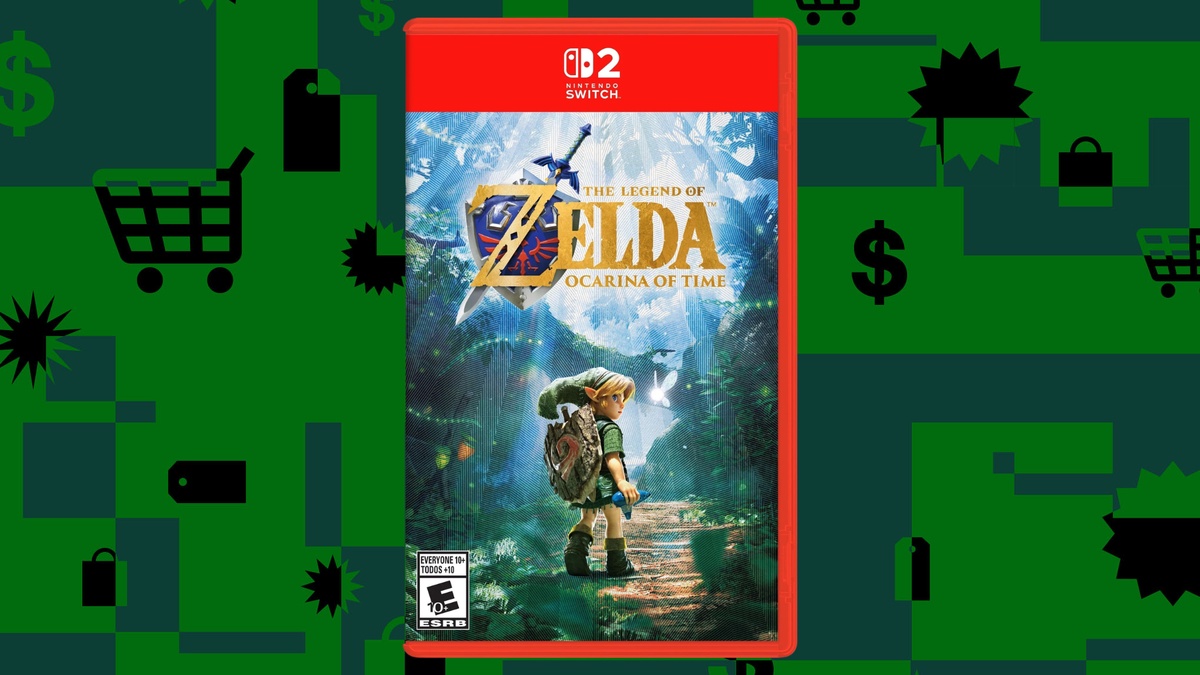
Nintendo is preparing to launch the highly anticipated Ocarina of Time Remake on Nintendo Switch 2 next Thursday, November 5. Major retailers including Amazon and Walmart have opened preorders with an aggressive ten-dollar discount ahead of official launch day.
According to retail reporting from The Verge, this promotional window allows enthusiasts to secure the physical edition for fifty-nine dollars before prices increase to standard retail MSRP.
Ocarina of Time Remake Specifications: Editions and Preorder Matrix
| Specification Feature | Physical Preorder Edition | Standard Digital Edition | Launch Retail Physical |
|---|---|---|---|
| Promotional Price | $59.99 ($10 Discount) | $59.99 Standard MSRP | $69.99 Full Price |
| Official Release Date | November 5 | November 5 | November 5 |
| Target Resolution | Dynamic 4K (Docked DLSS) | Dynamic 4K (Docked DLSS) | Dynamic 4K (Docked DLSS) |
| Target Frame Rate | 60 FPS (VRR Supported) | 60 FPS (VRR Supported) | 60 FPS (VRR Supported) |
| Storage Footprint | Cartridge + Minor Patch | 24.5 GB Download | Cartridge + Minor Patch |
This structured matrix summarizes the foundational technical specifications, retail pricing structure, and release timeline for the Ocarina of Time Remake. Prospective buyers should note that early preorder allocations at promotional pricing remain subject to distributor inventory constraints.
Table of Contents
1. Preorder Window & Retail Pricing: Securing the $10 Physical Discount
Securing a physical copy of the Ocarina of Time Remake before official release guarantees the lowest entry price available this holiday season. Both Amazon and Walmart currently list the physical cartridge at fifty-nine dollars, representing a ten-dollar reduction off list price.
Once the calendar hits November 5, standard physical game copies will adjust to their permanent sixty-nine dollar retail price point. Digital storefront downloads on the Nintendo Switch 2 eShop are slated to remain at fifty-nine dollars across all launch territories.
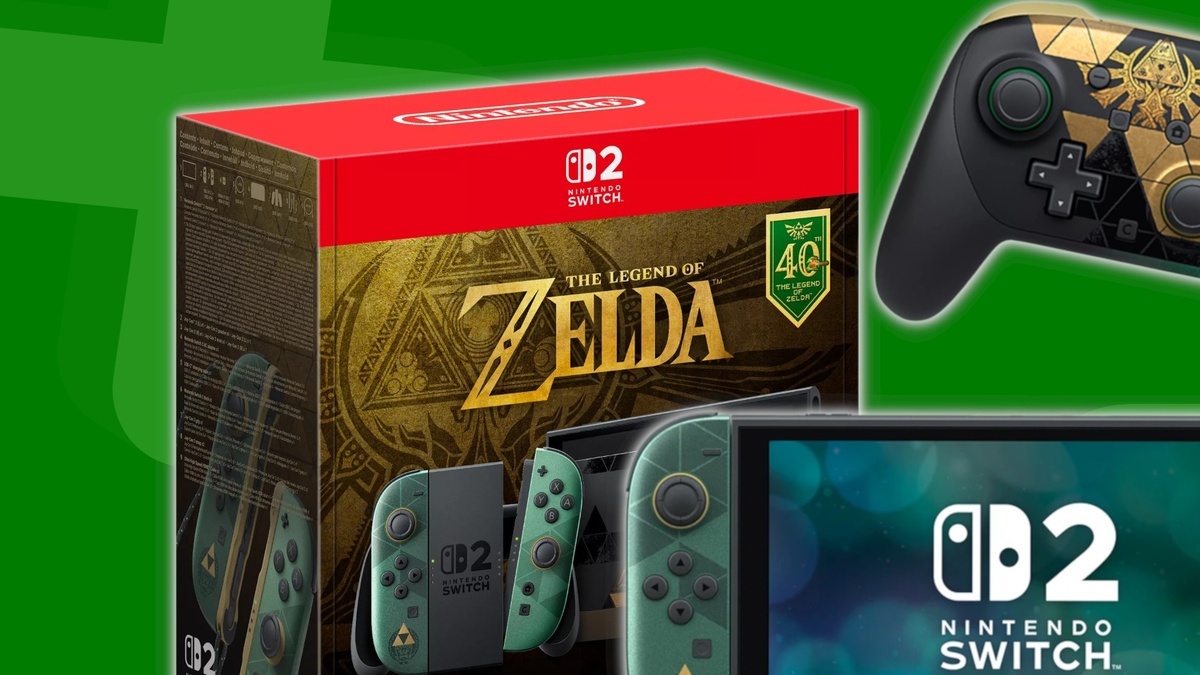
For physical media collectors, securing the cartridge at standard digital parity represents substantial financial value. Retail distribution channels confirm that the initial production run features collectible embossed foil packaging that will not accompany later retail cartridge reprints.
Supply chain reports indicate that preorder inventory levels across major domestic warehouses are tightening rapidly as launch approaches. Shoppers planning to purchase physical media for holiday gifting should lock in current allocations before retailer stock allocations flip to backorder status.
Much like enthusiasts tracking hardware availability during the Apple M4 Mac mini redesign rollout, early gaming adopters face rapid inventory shifts across popular tech categories before release dates arrive.
Taking advantage of this promotional window guarantees timely release-day delivery alongside guaranteed price matching protections. Enthusiasts following the Ocarina of Time Remake rollout have a narrow seven-day window remaining before launch pricing transitions to full physical MSRP.
2. Next-Gen Visual Overhaul: 4K DLSS Reconstruction and Dynamic Lighting
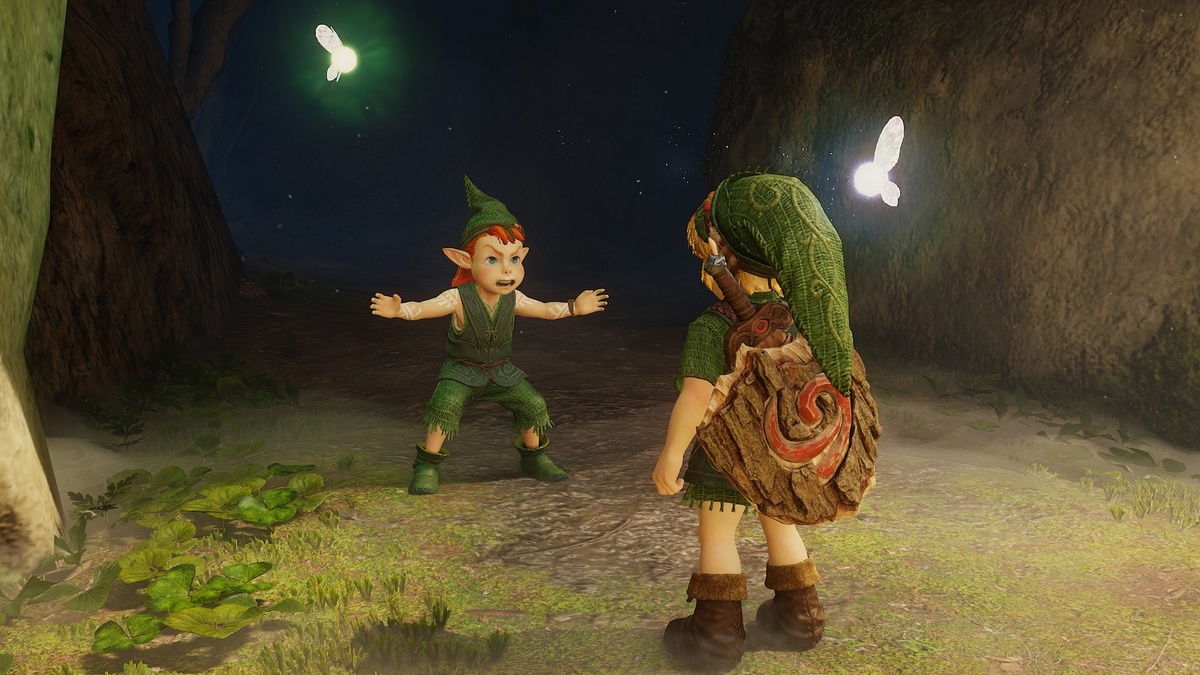
The visual architecture powering the Ocarina of Time Remake represents a complete ground-up reconstruction of Nintendo’s historic 1998 adventure. Rebuilt within an upgraded proprietary rendering engine, the title introduces volumetric lighting, physically based shading, and high-resolution geometry.
Hyrule Field now stretches across expansive horizons with dynamic wind simulation affecting dense foliage and water surfaces realistically. Landmark locations like Death Mountain and Lake Hylia display intricate atmospheric fog and realistic shadow cascades that bring unprecedented cinematic depth.
Character models have received comprehensive high-poly overhauls, presenting Link, Princess Zelda, and Ganondorf with expressive animations and textured garments. Real-time cinematic cutscenes replace legacy scripted sequences, rendering dynamic weather transitions and nuanced facial emotional cues with pristine clarity.
Lighting plays a pivotal role in establishing the atmosphere across iconic subterranean labyrinths such as the Forest and Shadow Temples. Torches cast dynamic geometric shadows across weathered masonry, transforming familiar puzzle chambers into tense, photorealistic dungeon environments.
Modern graphics engineering relies heavily on intelligent temporal reconstruction algorithms to balance visual detail with sustained performance. As discussed in recent coverage of NVIDIA ends Windows 10 support, modern GPU architectures rely extensively on AI-assisted upscaling techniques.
By integrating advanced temporal anti-aliasing and ambient occlusion, the Ocarina of Time Remake honors original aesthetic intentions while meeting contemporary visual standards. The resulting visual presentation transforms Hyrule into a vibrant, living fantasy kingdom without sacrificing nostalgic art direction.
3. Modernized Control Architecture: Fluid Camera and Combat Ergonomics
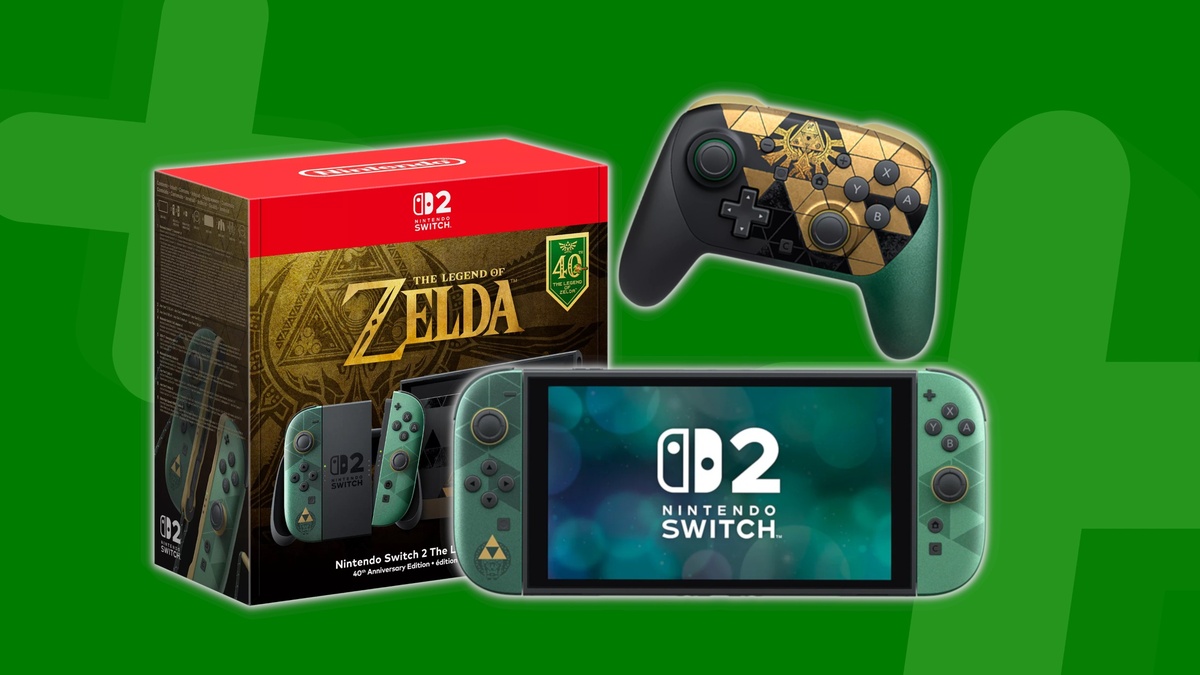
Modernizing controls was paramount during development of the Ocarina of Time Remake, resolving decades of legacy camera limitations. Players now enjoy full three-hundred-and-sixty-degree free camera movement mapped directly to the right analog stick for effortless situational observation.
The pioneering Z-targeting combat lock-on mechanic returns with enhanced tracking precision and customizable target cycling options. Swordplay feels remarkably fluid, incorporating directional dodging, responsive parry windows, and smooth combos that reward deliberate tactical timing during close encounters.
Item management has undergone significant user interface modernization to eliminate cumbersome menu pausing during intensive encounters. The traditional four-item shortcut wheel enables instant access to the Fairy Bow, Hookshot, Megaton Hammer, and assorted magical medallions.
Playing the titular musical instrument utilizes intuitive analog triggers and face buttons to replicate pitch bends and dynamic acoustic vibrato. The Switch 2 HD rumble system delivers subtle tactile vibrations that guide musical rhythm and puzzle feedback through the controllers.
Responsive input processing is essential for action-adventure gameplay requiring lightning-fast spatial orientation and defensive deflections. Similar to the latency-critical benchmarks analyzed in the AMD Ryzen 7 9800X3D revealed breakdown, modernized game control pipelines eliminate input delay.
These comprehensive quality-of-life refinements make the Ocarina of Time Remake remarkably accessible to modern audiences while retaining classic puzzle-solving elegance. Veteran adventurers and newcomers alike can navigate complex subterranean labyrinths without wrestling with archaic twentieth-century control paradigms.
4. Hardware Benchmarks & Performance: 60 FPS and VRR Docked Capabilities
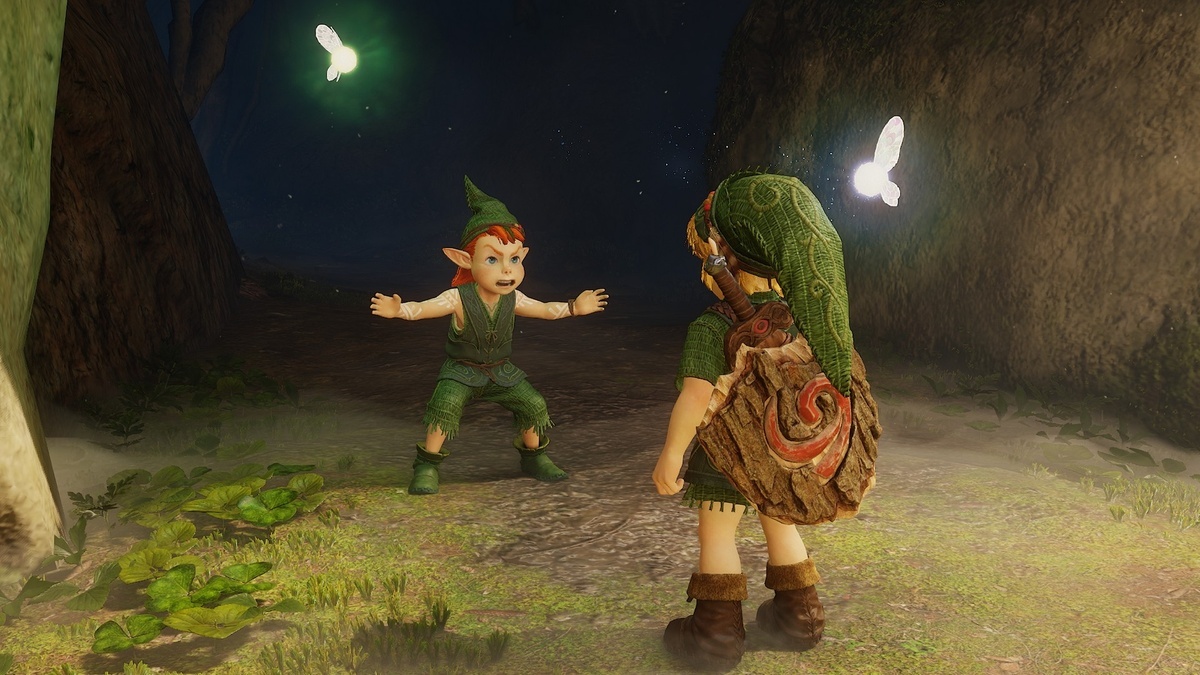
Technical benchmarks demonstrate that the Ocarina of Time Remake fully leverages the custom NVIDIA Tegra silicon inside Nintendo Switch 2. The title targets a locked sixty frames per second presentation, delivering silky smooth motion across both portable and television configurations.
When seated inside the home dock, the software utilizes custom Deep Learning Super Sampling reconstruction to output a crisp dynamic four-thousand-pixel picture. Frame rate analysis reveals exceptional frame-time pacing, eliminating the stutter and frame drops historically associated with expansive open-world Hyrule exploration.
Furthermore, docked mode supports Variable Refresh Rate technology on compatible HDMI two-point-one displays, smoothing over rare transient loading dips. This hardware-level synchronization guarantees artifact-free visual presentation even during particle-heavy boss encounters featuring blazing flame and magical vortex effects.
In handheld operation, the game renders at native ten-eighty-pixel resolution across the vibrant eight-inch mobile display panel. Battery optimization routines ensure consistent thermal profiles and power draw, sustaining stable gameplay sessions exceeding four hours without thermal throttling.
Hardware analysts at AnandTech have consistently praised the thermal efficiency of modern mobile system-on-chip architectures. Similar efficiency improvements across portable gaming systems highlight how dedicated silicon enhances battery longevity under demanding graphics workloads.
Comparing these metrics highlights the enormous generational leap represented by this ground-up remake running on modern hybrid hardware. Players experience smooth, uncompromised performance that elevates every duel and dungeon expedition to modern competitive standards.
Before examining physical storage configurations, prospective buyers can evaluate this comprehensive generational comparison matrix. The following breakdown illustrates the evolutionary leap between past editions and the upcoming Switch 2 release.
Ocarina of Time Remake Generational Hardware and Pricing Matrix
| Hardware Generation | Platform Hardware | Native Rendering Target | Target Frame Rate | Retail MSRP Pricing |
|---|---|---|---|---|
| N64 Original (1998) | Nintendo 64 Silicon | 320×240 Native | 20 FPS Fixed Target | $59.99 Standard |
| 3DS Remaster (2011) | Nintendo 3DS Handheld | 400×240 Stereoscopic | 30 FPS Target | $39.99 Standard |
| Switch 2 Remake (2026) | Custom NVIDIA Tegra T239 | Dynamic 4K (DLSS) | 60 FPS (VRR Docked) | $59.99 Preorder / $69.99 |
This generational overview underscores the substantial engineering advancements delivered within this Switch 2 edition. Upgraded render pipelines and modernized audio architectures ensure a truly contemporary gameplay experience across all play modes.
5. Storage Footprint & Physical Media: Cartridge Logistics and Preload Details
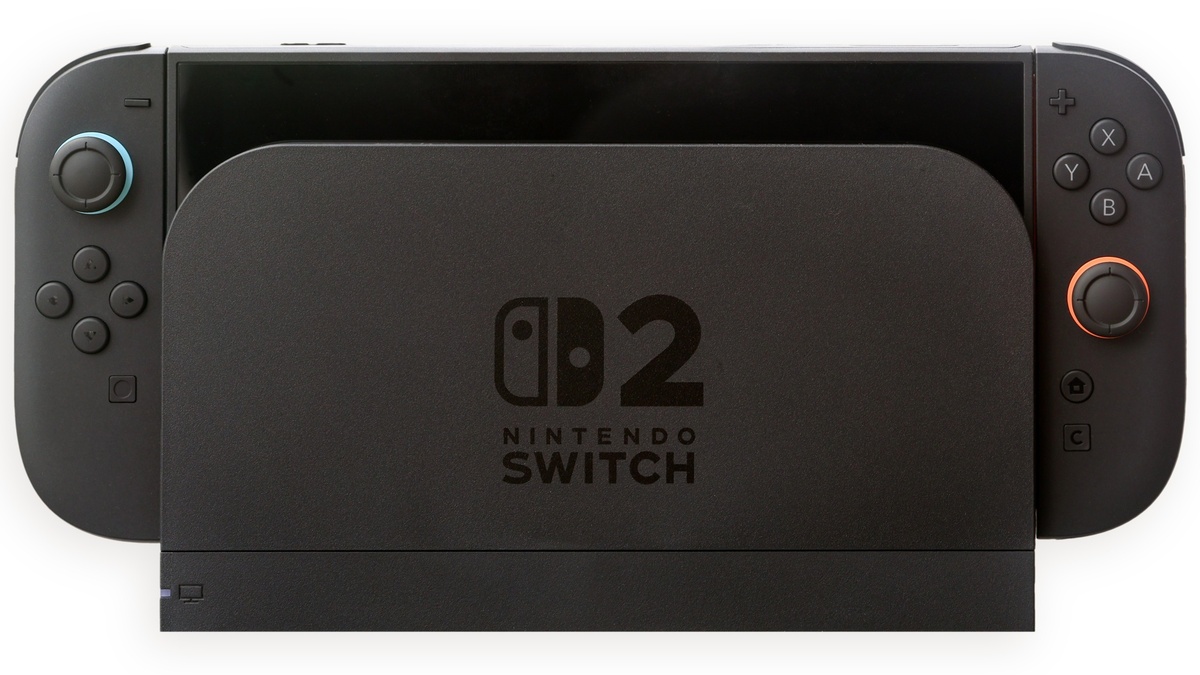
Storage management represents a critical consideration for players preparing to install the Ocarina of Time Remake next week. Official eShop documentation confirms a digital download footprint measuring twenty-four point five gigabytes of high-speed flash storage.
This substantial file size reflects uncompressed multi-channel orchestral audio recordings, high-resolution texture packs, and pre-compiled shader caches. Players utilizing internal console storage or certified high-speed MicroSD Express expansion cards will experience near-instantaneous zone transitions.
Opting for the physical retail edition provides significant storage benefits by hosting primary core game data directly upon high-capacity thirty-two gigabyte game cards. Retail cartridge owners only require a modest day-one update package for minor localization patches and stability enhancements.
Digital preloading has officially activated across the eShop, allowing digital purchasers to download core assets ahead of time. Digital unlocking occurs automatically at midnight eastern standard time on November 5, providing immediate access without launch-day bandwidth congestion.
Cloud-delivered and flash-memory pipelines continue reshaping how players store and access massive modern game libraries. As seen with modern flexible platforms like Xbox Cloud Gaming pay-as-you-go bundles, players prioritize fast, reliable game accessibility without storage bottlenecks.
Whether selecting digital convenience or physical shelf collectibility, preparing storage allocations ensures seamless launch-day access. This ambitious project stands as an impressive technical demonstration of modern cartridge throughput and flash storage efficiency.
Final Verdict: Hyrule’s Definitive Rebirth on Switch 2
The upcoming launch of the Ocarina of Time Remake marks an extraordinary milestone in modern interactive entertainment. Nintendo has successfully modernized a timeless adventure with stunning 4K visuals, responsive 60 FPS performance, and refined gameplay ergonomics.
For gamers eager to experience this definitive reimagining, the current ten-dollar preorder discount offers exceptional day-one purchase value. Securing the physical cartridge ahead of November 5 avoids post-launch price increases while providing exclusive collectible packaging.
Whether exploring Hyrule for the first time or revisiting childhood memories, the Ocarina of Time Remake delivers an unmissable flagship experience. Lock in preorders before the discount window closes and prepare for an unforgettable quest next Thursday.
