


Table of Contents
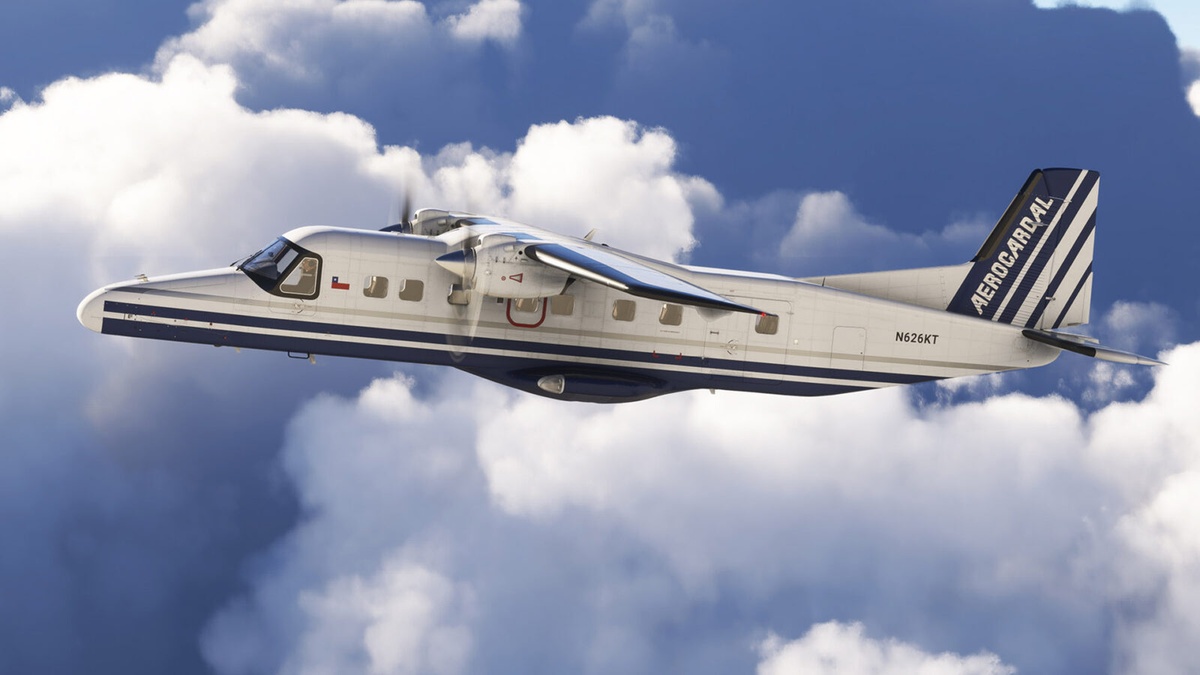
Carenado has officially released Carenado DO228-200 MSFS exclusively on the Microsoft Flight Simulator Marketplace, delivering a faithful digital recreation of the legendary German twin-turboprop regional utility airliner. The add-on introduces advanced STOL capabilities, custom audio, and flexible avionics for desktop and console pilots.
Announced via Xbox Wire, the arrival of Carenado DO228-200 MSFS expands the simulator’s commuter roster with a stretched airframe capable of ferrying nineteen virtual passengers. Virtual aviators can now tackle demanding bush approaches, high-altitude mountain valleys, and coastal island hops.
| Specification Parameter | Dornier 228-200 Real-World Benchmark | Carenado Flight Sim Implementation |
|---|---|---|
| Airframe Architecture | Stretched commuter utility airframe (19 passengers) | High-fidelity 3D modeling, PBR textures, animated airstairs and cargo doors |
| Powerplant System | Twin Garrett TPE331-5 turboprop engines (715 SHP each) | Custom turboprop physics, realistic torque, ITT, and beta propeller reverse |
| Aerodynamic Profile | Supercritical TNT high-wing STOL design | Native MSFS computational fluid dynamics, low-speed lift, crosswind stability |
| Avionics Configuration | Dual analog instruments with Aspen EFD1000 EFIS | Working Aspen glass display, Garmin GNS 530, Bendix King autopilot |
| Takeoff Runway Distance | Short takeoff run (approx 1,900 feet / 580 meters) | Authentic STOL performance across steep, high-altitude bush airstrips |
| Maximum Cruise Speed | 234 knots (433 km/h / 269 mph) | Calibrated airspeed curves, fuel burn rates, accurate altitude climb tables |
| Platform & Distribution | Global regional commuter and cargo operator workhorse | Marketplace Exclusive for PC and Xbox Series X|S consoles |
Supercritical Wing Dynamics: Engineering Dornier STOL Aerodynamics
The engineering triumph of the Dornier 228 family begins with its pioneering aerodynamic foundation. Developed in Germany during the late 1970s, Dornier introduced the revolutionary Tragflügel neuer Technologie, or TNT supercritical wing, which redefined lift generation and aerodynamic efficiency across commuter aircraft.
Unlike conventional rectangular wings found on legacy utility aircraft, the supercritical profile engineered into Carenado DO228-200 MSFS minimizes transonic wave drag while generating immense low-speed lift. This aerodynamic geometry allows heavy regional passenger loads to achieve flight on remarkably short runway thresholds.
In Microsoft Flight Simulator, this unique wing geometry is simulated using native computational fluid dynamics. Airflow calculations across the wing surface model localized pressure gradients in real time, ensuring that virtual pilots feel authentic aerodynamic resistance during steep approaches and sudden gusting wind shear.
High-lift Fowler flaps deploy smoothly along the trailing edge, generating the requisite downwash for short-field operations. Mastering low-speed handling in Carenado DO228-200 MSFS requires careful throttle modulation, as the high-lift wing produces pronounced ground effect cushioning during flare maneuvers over paved or gravel strips.
Furthermore, the swept rectangular wingtips reduce induced vortex drag during high-altitude cruise climbs. This balanced aerodynamic design provides exceptional lateral stability when maneuvering through turbulent mountain canyons, giving virtual aviators absolute confidence while threading narrow alpine valleys or navigating turbulent oceanic cloud layers.
Carenado has modeled this complex aerodynamic envelope with remarkable precision. Whether executing steep approaches into Lukla or grease-smooth landings at regional hubs, Carenado DO228-200 MSFS responds with authentic inertia, faithfully translating control yoke inputs into immediate, predictable aerodynamic control surface authority.
Garrett TPE331 Turboprop Performance: Mastering Carenado DO228-200 MSFS Powerplants
Under the cowlings, Carenado DO228-200 MSFS features twin Honeywell Garrett TPE331-5 turboprop engines delivering seven hundred fifteen shaft horsepower each. Unlike free-turbine Pratt & Whitney PT6 powerplants, the Garrett TPE331 utilizes a single-shaft fixed-turbine design with direct gear coupling.
This mechanical direct-drive architecture guarantees instantaneous power response without the spool-up lag typical of free-turbine engines. When flying demanding approaches, virtual pilots experience immediate thrust adjustments the moment the power levers are advanced, a vital safety asset during sudden windshear recoveries or rejected landings.
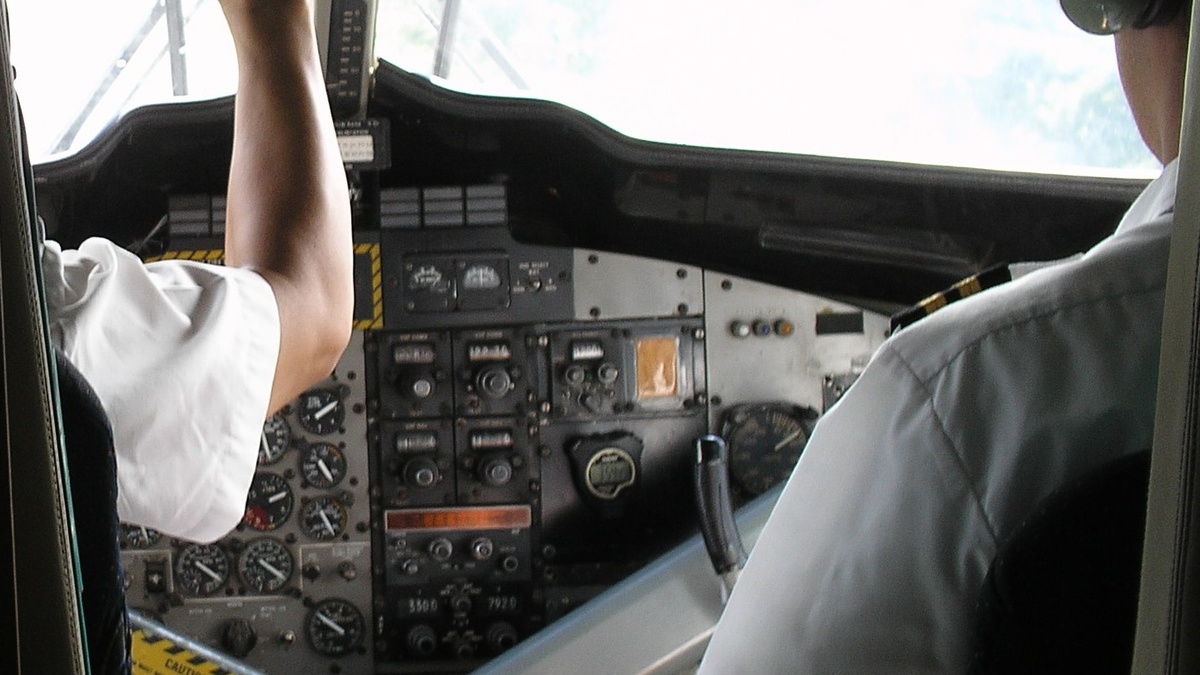
Engine simulation in Carenado DO228-200 MSFS incorporates custom thermodynamic modeling of turbine temperature management. Pushing throttles forward too aggressively causes rapid interstage turbine temperature spikes, demanding vigilant monitoring to prevent hot starts and internal engine wear.
The add-on accurately models propeller beta range and negative torque sensing systems. During rollout on unimproved bush strips, Carenado DO228-200 MSFS allows pilots to transition smoothly into reverse propeller pitch, generating tremendous aerodynamic deceleration that brings the nineteen-seat airframe to an abrupt, controlled halt.
Acoustic fidelity stands out as another technical highlight of the package. Carenado recorded authentic Garrett TPE331 turboprop audio, capturing the iconic high-pitched starter whine, the resonant propeller harmonic hum during cruise, and the unmistakable roar of reverse thrust engagement upon touchdown.
Just as enthusiasts optimize processing silicon with high-end chips like the AMD Ryzen 7 9800X3D, flight simulation demands hardware efficiency to sustain complex audio and physical calculations. The sound architecture in Carenado DO228-200 MSFS executes smoothly across multiple CPU threads without introducing micro-stutters.
Dual Cockpit Architectures: Aspen Avionics EFD1000 Meets Analog Heritage
Stepping into the flight deck reveals a masterclass in hybrid cockpit engineering. Carenado has faithfully captured the transitional era of regional aviation, blending classic round-dial electromechanical flight instruments with contemporary electronic flight displays to suit traditionalists and modern glass cockpit aviators alike.
The primary flight display integrates the Aspen Avionics EFD1000 electronic instrument system. This digital unit replaces legacy electromechanical indicators with crisp pitch tapes, airspeed trends, and heading indicators directly in the pilot’s primary field of view.
For navigation, Carenado DO228-200 MSFS incorporates a working Garmin GNS 530 GPS unit paired with Bendix King communication radios. Pilots can load complete IFR flight plans, fly precise RNAV approaches, and track VOR radials across diverse global regional airway corridors.
Every toggle switch, circuit breaker, and rotary knob inside the cockpit features physical three-dimensional modeling. Cockpit textures showcase subtle weathering, including authentic chipped enamel paint on the control yokes, scuffed foot-pedal surfaces, and realistic reflective glass covers over critical mechanical manifold pressure and torque gauges.
Night lighting inside the cockpit offers comprehensive customization through dimmable floodlights and backlit gauge panels. Flying Carenado DO228-200 MSFS through stormy midnight skies provides stunning visual immersion, with soft green instrument luminescence reflecting off side windows while windshield wipers sweep away torrential procedural raindrops.
An interactive electronic flight bag tablet mounted on the side window frame provides rapid configuration controls. Pilots can open passenger and cargo doors, deploy ground power units, toggle static wheel chocks, and adjust real-time payload distribution with simple mouse clicks or Xbox controller trigger interactions.
High-Capacity Commuter Operations: Inside the Stretched Carenado DO228-200 MSFS Cabin
Compared to its shorter predecessor, the Do 228-100, Carenado DO228-200 MSFS represents the stretched -200 production variant. German engineers lengthened the fuselage by nearly six feet, expanding cabin volume to accommodate nineteen passenger seats in an efficient one-by-one seating layout flanking a central walkthrough aisle.
The virtual cabin is fully realized with high-resolution leather seating, overhead vents, and operational reading lights. Virtual passengers can explore detailed commuter accommodations or gaze out rectangular windows at spinning turboprops over photorealistic terrain.
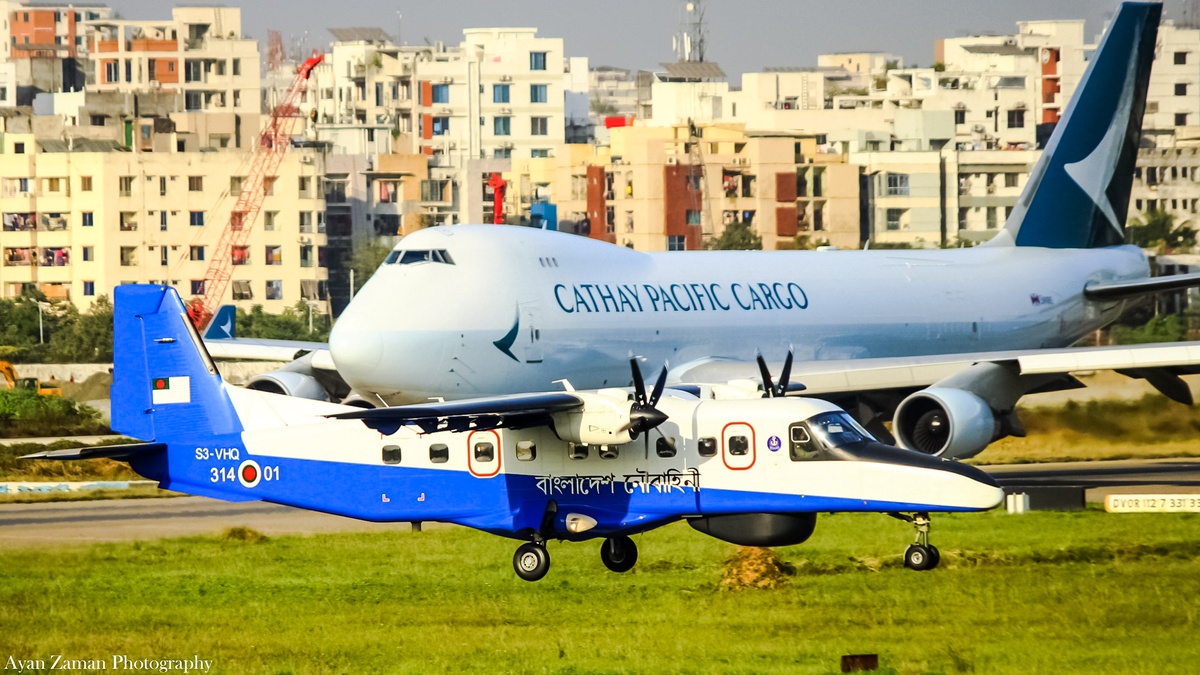
Cargo operators will appreciate the modular freight configurations in Carenado DO228-200 MSFS. Pilots can strip passenger seating to install cargo netting, tie-down rails, and palletized crates loaded smoothly through wide rear double-clamshell doors.
Dynamic weight and balance calculations directly affect center of gravity and handling. Loading heavy freight into aft compartments shifts balance rearward, requiring trim adjustments to ensure pitch stability and prevent tail strikes during short-field bush takeoffs.
According to product details on Microsoft Flight Simulator, the versatile cabin configurations of Carenado DO228-200 MSFS integrate seamlessly into procedural career missions, allowing virtual aviators to build profitable commercial charter companies across remote archipelagoes and rugged continental outposts.
Whether ferrying mountaineers toward Himalayan base camps or delivering medical supplies across sub-Saharan deserts, the utilitarian cabin of Carenado DO228-200 MSFS offers unmatched operational flexibility. Every interior bulkhead and storage locker conveys the rugged practicality that has made the airframe a global favorite.
Flight Sim Specifications: Turboprop Addon Benchmarks & Platform Targets
Benchmarking Carenado DO228-200 MSFS against comparable twin-turboprop add-ons illustrates Carenado’s balanced design philosophy. The aircraft achieves a sweet spot between hardcore systems depth and accessible flight enjoyment, making it equally appealing to seasoned VATSIM captains and casual weekend aviators flying on gamepads.
| Twin Turboprop Add-on | Developer & Engine Integration | Avionics Package | Passenger Capacity | STOL Capability | Marketplace Price |
|---|---|---|---|---|---|
| Dornier 228-200 | Carenado (Native MSFS Physics) | Dual Analog + Aspen EFD1000 + GNS530 | 19 Commuter Seats / Cargo | Exceptional Bush & Mountain Runways | $24.99 Exclusive |
| Dornier 228-100 | Carenado (Native MSFS Physics) | Classic Analog Gauges | 15 Commuter Seats | Exceptional Short Runway Operations | $24.99 Standard |
| DHC-6 Twin Otter | Aerosoft / Microsoft In-Sim | Mixed Analog / Early Glass | 19 Passengers / Amphibian | Legendary Bush & Island Utility | $29.99 / Bundled |
| Beechcraft King Air 350i | Asobo / Working Title Avionics | Collins Pro Line 21 Glass Suite | 9-11 Executive Passengers | Standard Paved Regional Runways | Base Sim Aircraft |
| Cessna 208B Grand Caravan | Asobo / Working Title Avionics | Garmin G1000 NXi Glass Suite | 9-14 Utility Passengers | Versatile Unpaved Gravel Strips | Base Sim Aircraft |
Hardware performance remains exceptionally optimized across desktop and console architectures alike. Just as compact workstations like the Apple M4 Mac mini optimize shared memory pipelines, the Carenado twin turboprop manages texture streaming efficiently, ensuring buttery frame rates during complex airport approaches.
As modern gamers explore flexible options like Xbox Cloud Gaming packages, console availability on Xbox Series X|S ensures that Carenado DO228-200 MSFS reaches pilots seeking high-fidelity turboprop simulation without expensive PC hardware.
Meanwhile, with operating system transitions like NVIDIA ending Windows 10 support, PC flight simulation increasingly relies on modern DirectX 12 graphics pipelines. The add-on fully supports modern shader compilation, delivering crisp 4K exterior textures without memory leak crashes.
Priced at $24.99 on the official Marketplace, Carenado DO228-200 MSFS delivers exceptional value. The package includes multiple international airline liveries, a plain white paint scheme, and complete manuals covering checklist procedures, operating speeds, and emergency protocols.
Integration with the native Marketplace guarantees seamless automatic updates and cross-platform entitlement. Pilots purchasing the aircraft on PC can instantly access the airframe on Xbox consoles, ensuring uninterrupted flight logging and cloud synchronization across their entire Microsoft Flight Simulator experience.
Evaluating Carenado DO228-200 MSFS Flight Dynamics: Mountain Approaches and Bush Runways
The ultimate proving ground for Carenado DO228-200 MSFS lies in its extraordinary short takeoff and landing performance. With a ground roll under two thousand feet, this German twin turboprop thrives in punishing environments where traditional commuter airliners cannot dare to set their landing gear down.
Pilots tackling demanding alpine destinations like Courchevel or Lukla will appreciate responsive elevator control. The aircraft responds instantly to flare commands, planting rugged tricycle landing gear firmly on steep mountain runways without ballooning into hillside obstacles.
Crosswind handling represents another standout triumph in Carenado DO228-200 MSFS. The substantial vertical stabilizer and wide rudder surface provide immense crosswind correction authority, enabling stable slip maneuvers and precise centerline tracking during turbulent gusts blowing across narrow island runways.
Tricycle landing gear suspension geometry incorporates trailing-link shock absorption that cushions rough landings. Taxiing across rutted grass runways, gravel river beds, or unpaved desert sandbars feels remarkably tactile, with realistic airframe vibration and ground friction faithfully transmitted through force-feedback peripherals.
During high-altitude departures, the twin Garrett turboprops generate robust climb gradients even under high ambient temperature conditions. Pilots flying Carenado DO228-200 MSFS can clear towering mountain ridges and canyon rim obstacles with comfortable margins, validating the aircraft’s hard-earned reputation as an unstoppable global workhorse.
From Caribbean archipelago hops to grueling arctic supply missions, Carenado DO228-200 MSFS rewards precise airmanship. Its forgiving low-speed characteristics combined with muscular turboprop thrust make every flight an engaging exercise in tactical backcountry navigation and rewarding stick-and-rudder aviation mastery.
Frequently Asked Questions
What is the Dornier DO228-200 and what role does it serve?
The DO228-200 is a German twin-turboprop STOL regional utility aircraft developed by Dornier. Featuring a stretched fuselage that seats nineteen passengers, the aircraft is renowned for operating out of demanding, short, unpaved runways worldwide.
Is Carenado DO228-200 MSFS available on both PC and Xbox consoles?
Yes, the add-on is sold exclusively through the in-sim Microsoft Flight Simulator Marketplace. It is fully compatible with both PC and Xbox Series X|S consoles, supporting cross-platform ownership and automated updates.
What avionics and instrumentation options are included in the cockpit?
The flight deck includes dual traditional round-dial electromechanical instruments alongside modern Aspen Avionics EFD1000 glass displays. It also integrates a working Garmin GNS 530 GPS unit and Bendix King radio communications suite.
What engines power the DO228-200 and how are they simulated?
Powered by twin Honeywell Garrett TPE331-5 turboprop engines producing 715 shaft horsepower each, the direct-drive shaft design provides instantaneous throttle response and reverse thrust capability without free-turbine spool lag.
Does the add-on feature an interactive tablet electronic flight bag?
Yes, the package includes an electronic flight bag tablet on the side window, allowing pilots to open doors, deploy ground power equipment, place wheel chocks, and configure passenger or cargo cabin arrangements easily.
Final Verdict & Marketplace Analysis: Is the Carenado Twin Turboprop Worth Buying?
Carenado has delivered an outstanding rendition of the Dornier 228-200 that honors its rugged engineering heritage. By harmonizing supercritical STOL aerodynamics, authentic turboprop audio, and versatile hybrid avionics, this add-on stands as one of the most rewarding regional commuter twins in Microsoft Flight Simulator.
Whether exploring remote dirt strips in the Himalayas or running island-hopping scheduled routes across the Caribbean, Carenado DO228-200 MSFS offers an accessible yet deeply satisfying piloting experience. Its performance on Xbox and PC guarantees that every flight simmer can enjoy authentic turboprop adventure without compromise.
For virtual aviators seeking an authentic backcountry workhorse with character and capacity, the Dornier 228-200 is an essential acquisition. It represents Carenado at their finest, proving that classic regional aircraft still command the virtual skies with distinction.
