


Table of Contents
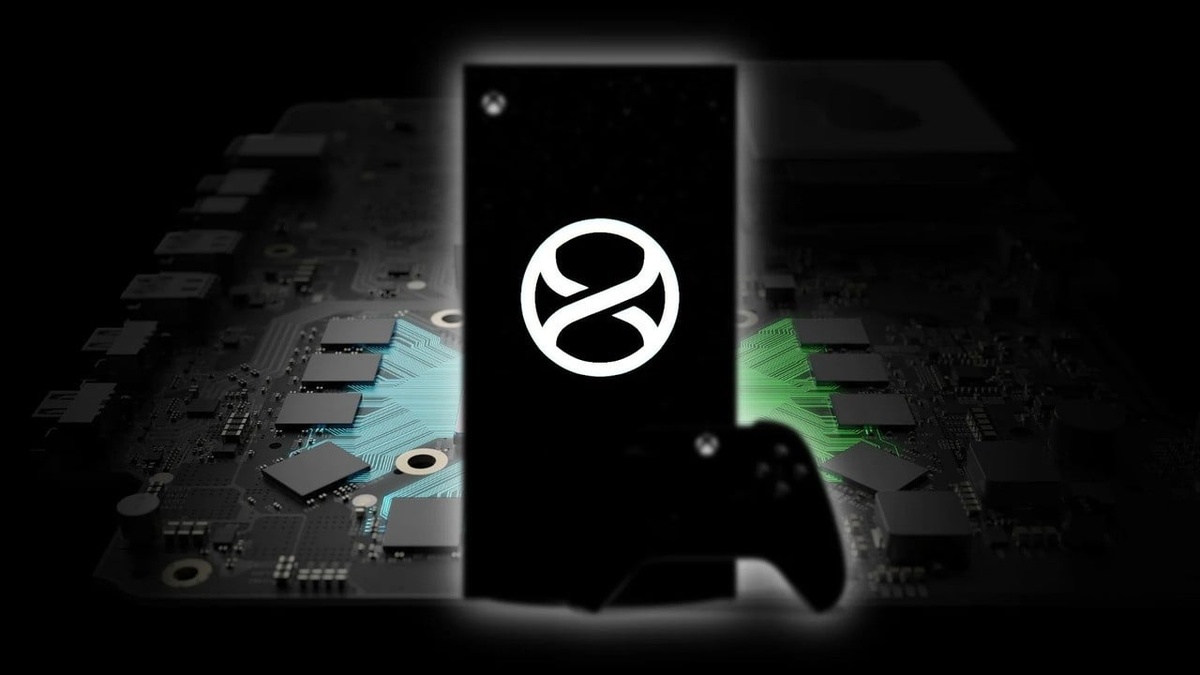
New investigative reports have unveiled astonishing early engineering details regarding Microsoft’s next-generation gaming hardware. Internal documentation confirms that Xbox Project Helix was originally conceived as an open desktop gaming PC capable of running Steam and native Windows applications.
According to newly surfaced disclosures, Xbox Project Helix was engineered to eliminate console multiplayer paywalls entirely. However, escalating semiconductor fabrication costs and an executive leadership overhaul subsequently forced Microsoft architects to recalibrate the ambitious hardware toward traditional living room console boundaries.
To help hardware enthusiasts grasp the massive philosophical transformation driving Microsoft’s next-generation console strategy, our team compiled the leaked project specifications. The structural breakdown below highlights how the initial concept differs from the revised production trajectory for Xbox Project Helix.
| Architectural Dimension | Original Project Helix Concept | Revised Next-Gen Helix Trajectory | Strategic Platform Rationale | Consumer Market Impact |
|---|---|---|---|---|
| Hardware Identity | Open pre-built gaming PC | Dedicated living room console | Streamline system software optimization | Maintains streamlined living room plug-and-play simplicity |
| Storefront Support | Unrestricted Steam and Epic stores | Curated Xbox Store with PC imports | Preserves thirty percent software license royalties | Guarantees unified licensing across family gaming profiles |
| Multiplayer Billing | Zero subscription fee required | Integrated Xbox Game Pass Core tier | Protects recurring high-margin network services revenue | Preserves legacy subscription billing models for console multiplayer |
| Retail Hardware Pricing | Unsubsidized premium pricing ($899-$1199) | Standard subsidized retail bracket ($599-$699) | Absorbs soaring high-density memory component costs | Prevents severe consumer sticker shock at retail launch |
| System Software Shell | Full Windows 11 with custom shell | Hardened custom Xbox OS hypervisor | Guarantees low system overhead and cheat protection | Provides instant-on resume and tamper-resistant system security |
Evaluating these operational parameters explains why Microsoft originally pursued such a radical divergence from conventional console cycles. As detailed throughout the report, Xbox Project Helix was intended to bridge the long-standing divide between PC openness and living room simplicity.
The Original Hybrid Vision: Xbox Project Helix as an Open Gaming PC
Before it assumed its current branding, the hardware initiative that became Xbox Project Helix operated under a completely different internal development codename. Project engineers envisioned a system that could execute standard Windows 11 binaries while effortlessly playing an existing backward-compatible Xbox console library.
Rather than locking enthusiasts into a proprietary walled garden, early prototypes functioned identically to modern high-end handhelds like the ROG Ally. Gamers could enjoy a streamlined, gamepad-centric living room dashboard while retaining the operational freedom to exit directly into a traditional Windows desktop environment.
This ambitious blueprint meant that Xbox Project Helix would support third-party storefronts, including Valve’s Steam, GOG, and the Epic Games Store natively. Players could seamlessly access their extensive PC libraries without relying on remote streaming protocols or restrictive cloud conversion layers.
Much like the architectural leaps dissected in our deep dive into AMD Ryzen 7 9800X3D gaming processor specs, hybrid consumer computing requires enormous memory bandwidth and sophisticated thermal engineering to maintain stability.
Industry reporting from Pure Xbox reporting on Xbox Project Helix confirms that early executive discussions treated the machine as an uncompromising flagship for PC-console unification.
By establishing a hardware foundation capable of executing desktop executables alongside customized console packages, Microsoft sought to disrupt traditional hardware generational boundaries. The original vision for Project Helix represented the boldest platform experiment in modern gaming history.
Abolishing the Multiplayer Paywall: The Radical Subscription Shift
Perhaps the most consequential commercial detail uncovered in the leak is that Microsoft intended to permanently abolish paid online multiplayer. Because open personal computers never impose paywalls for peer-to-peer or dedicated server networking, charging subscription fees on an open PC hybrid was fundamentally untenable.
Corroborating investigative reporting by Windows Central on Xbox Project Helix plans emphasizes that removing multiplayer fees was officially budgeted into the platform’s financial models.
Under that financial framework, gamers investing in Xbox Project Helix would no longer require an active Xbox Game Pass Core subscription to play premium competitive titles. Multiplayer access for games like Call of Duty, FIFA, and Halo would operate with unrestricted parity against PC counterparts.
Eliminating the multiplayer paywall would have provided Microsoft with a devastating competitive advantage against Sony’s PlayStation ecosystem. Console gamers have spent over two decades lamenting subscription gates, making free online play an extraordinary catalyst for consumer migration.
However, abandoning recurring multiplayer subscription revenue meant that hardware sales could no longer be subsidized through high-margin digital service attachments. The financial burden of funding network infrastructure shifted entirely onto upfront retail unit sales.
For corporate accountants monitoring Microsoft gaming margins, forfeiting billions in guaranteed annual subscription revenue introduced immense fiscal volatility. As component pricing escalated across international supply chains, the financial justification for abolishing the multiplayer paywall rapidly collapsed.
Silicon Inflation and RAM Shortages: The Economic Reality Check
The primary catalyst that dismantled the initial hybrid PC concept was an unprecedented surge in global semiconductor manufacturing costs. The rapid expansion of enterprise artificial intelligence clusters consumed vast quantities of high-bandwidth memory, triggering severe memory supply shortages across consumer tech industries.
Building an open gaming machine capable of running modern Windows 11 alongside heavyweight DirectX games required a massive allocation of unified system RAM. Early specifications for Xbox Project Helix targeted thirty-two gigabytes of ultra-fast memory to prevent desktop multitasking bottlenecks.
When memory fabrication contract prices doubled within twelve months, engineering projections indicated that an unsubsidized hybrid PC would carry a manufacturing bill of materials exceeding one thousand dollars. Microsoft faced the prospect of launching a consumer device priced well beyond mainstream living room budgets.
Unlike enterprise compute hardware analyzed in our investigation of Apple M4 Mac Mini redesign hardware specs, consumer gaming platforms experience extreme demand elasticity whenever price tags cross traditional console thresholds.
If Microsoft sold an open PC hybrid at retail cost without software lock-in, consumers purchasing games on Steam would generate zero digital store royalties for Xbox. The platform would absorb devastating silicon losses without capturing downstream software revenue.
Faced with an inflationary semiconductor landscape and catastrophic retail pricing models, hardware strategists concluded that an open PC blueprint was economically unsustainable. The hardware initiative required immediate architectural realignment to survive commercial realities.
Leadership Transition Under Asha Sharma: Shifting Console Boundaries
Beyond supply chain headwinds, fundamental leadership changes inside Microsoft Gaming decisively accelerated the strategic pivot for next-generation hardware. Following the retirement of veteran platform steward Phil Spencer and the departure of Sarah Bond, a restructured executive suite assumed command of the gaming division.
Newly appointed Xbox chief executive officer Asha Sharma established a clear mandate emphasizing immediate fiscal discipline and sustainable profitability. Guided by Microsoft corporate directives insisting that gaming operations must achieve self-sustaining cash flow, leadership reevaluated all speculative hardware expenditures.
Working alongside game studios president Matt Booty and platform technologist Chris Van Vilet, Sharma initiated a rigorous audit of next-generation hardware investments. The executive consensus determined that diluting the core console identity posed unacceptable commercial risks.
Recent public statements from Xbox leadership have reiterated this refined philosophy, emphasizing that Helix is designed as a dedicated console first. Rather than marketing an expensive desktop computer that happens to run console software, engineers are building an intuitive living room gaming centerpiece.
Similar organizational pivots toward focused software distribution channels were examined in our analysis of Xbox Cloud Gaming infrastructure scaling, where disciplined monetization models replaced experimental subsidies.
By realigning Xbox Project Helix around dedicated console architecture, Microsoft aims to deliver accessible pricing without sacrificing advanced capabilities. Hardcore enthusiasts will still retain customizable graphics options, but within a tightly managed, high-performance console operating framework.
Architectural Matrix and System Specifications: Xbox Project Helix Faceoff
To understand the technical trade-offs between an open PC approach and a specialized console build, system architects evaluate thermal and silicon efficiencies. Specialized console hypervisors eliminate background desktop overhead, allowing game engines to extract maximum computational throughput from fixed silicon budgets.
When executing titles within a dedicated gaming environment, engineers bypass legacy Win32 background services that consume memory bandwidth. Xbox Project Helix leverages custom low-level APIs that interface directly with unified memory pools, delivering superior frametime consistency compared to generic desktop operating systems.
The ongoing evolution of PC operating systems, highlighted in our breakdown of Nvidia legacy Windows software dependencies, illustrates the operational challenges of maintaining legacy desktop driver compatibility across diverse software ecosystems.
The comparative engineering matrix below contrasts the operational profiles of current hardware against the original and revised technical configurations of Xbox Project Helix.
| Hardware Metric | Xbox Series X Baseline | Original Helix Concept (PC Hybrid) | Revised Helix Target (Console Focus) | ROG Xbox Ally Reference |
|---|---|---|---|---|
| SoC Fabrication Node | TSMC 7nm Enhanced | Custom TSMC 3nm High-Performance | Custom TSMC 4nm Optimized Monolithic | TSMC 4nm Extreme Mobile APU |
| Unified Memory Density | 16 GB GDDR6 | 32 GB LPDDR5X / High-Speed GDDR7 | 24 GB High-Density GDDR7 | 16 GB LPDDR5X-6400 |
| Operating System Kernel | Xbox OS Hypervisor | Full Windows 11 Desktop with Shell | Modernized Xbox OS on Windows Core | Windows 11 Home with Armory Crate |
| Target Thermal Envelope | 215W TDP Dual-Chamber | 300W-350W Unlocked Tower Chassis | 220W-250W Optimized Living Room Box | 15W-30W Handheld Battery Envelope |
| Multiplayer Network Policy | Paid Game Pass Core Tier | Unrestricted Free Multiplayer | Hybrid Subscription Retained | Unrestricted Free PC Multiplayer |
Analyzing this architectural matrix demonstrates why the revised hardware profile represents a pragmatic compromise for mass manufacturing. By targeting twenty-four gigabytes of GDDR7 memory, the production console balances generational graphics performance against component procurement costs.
Digital Storefront Friction: Why Steam Access Threatens Platform Royalties
A decisive factor contributing to the reassessment of open PC support was internal telemetry gathered from portable Windows handhelds. Microsoft telemetry demonstrated that when players operate Windows devices with pre-installed storefronts, an overwhelming majority default to Valve’s Steam for purchasing digital titles.
This consumer behavior presented an existential dilemma for the traditional console business model. Console manufacturers routinely sell hardware near break-even margins, recouping investments through a thirty percent royalty fee applied to all third-party software transactions conducted within their proprietary digital stores.
If Xbox Project Helix shipped with native access to Steam, players would purchase third-party blockbusters like Grand Theft Auto and Call of Duty directly from Valve. Microsoft would absorb hardware development costs while forfeiting hundreds of millions of dollars in lucrative digital store commissions.
Furthermore, accommodating external digital clients introduces substantial anti-cheat vulnerabilities and security maintenance overheads. Walled console ecosystems remain remarkably resistant to kernel-level tampering, a critical operational advantage that console competitive shooters rely upon to maintain player confidence.
To reconcile these competing priorities, platform strategists are focusing on an expanded Xbox Play Anywhere initiative. Rather than integrating full third-party storefront clients, Xbox Project Helix will likely expand PC graphics options for titles purchased through the unified Microsoft ecosystem.
This curated approach preserves essential platform royalties while providing power users with advanced PC-style graphical customization. Microsoft safeguards its commercial viability without completely abandoning its vision of cross-platform library access.
Ecosystem Longevity and Living Room Strategy: The Modern Console Paradigm
As the interactive entertainment landscape fractures across mobile, cloud, and dedicated hardware, the strategic role of living room hardware requires continuous reinvention. Microsoft’s tactical adjustments surrounding the next-generation platform illustrate the complex challenge of sustaining console hardware in an era of escalating component costs.
While enthusiasts embraced the dream of an open, unsubsidized PC console hybrid, commercial survival requires appealing to tens of millions of mainstream consumers. A dedicated console priced within conventional retail expectations ensures a broader install base capable of driving engagement across first-party studios.
Microsoft’s renewed commitment to first-party console exclusivity, evidenced by recent platform scheduling for major franchise releases, highlights a broader ecosystem recalibration. Retaining exclusive value within the living room ecosystem strengthens consumer attachment to the physical console tier.
Simultaneously, backward compatibility remains a sacred pillar of the hardware design philosophy. Owners of Xbox Project Helix will retain uninterrupted access to digital libraries spanning four console generations, ensuring smooth transitions without fragmented game collections.
By harmonizing console simplicity with selective PC architectural enhancements, Microsoft is crafting a balanced successor capable of weathering economic headwinds. The refined path forward reflects mature platform stewardship designed to navigate an evolving interactive entertainment landscape.
Frequently Asked Questions
What was the original vision for Xbox Project Helix?
The platform was originally envisioned as an open gaming PC capable of running Windows 11, Valve’s Steam store, and existing Xbox console titles natively without a multiplayer paywall.
Why did Microsoft drop the open PC plan for Xbox Project Helix?
Surging memory and semiconductor fabrication costs driven by artificial intelligence demand would have pushed retail prices beyond one thousand dollars, making an unsubsidized open PC commercially unfeasible.
Will Xbox Project Helix still require a subscription for online multiplayer?
While the original hybrid PC concept costed free multiplayer into its strategy, the revised console focus is expected to retain subscription tiers to preserve recurring platform service revenues.
Can gamers still play PC games on Xbox Project Helix?
Xbox leadership has confirmed that the machine will support PC games, but primarily through expanded Xbox Play Anywhere licenses and curated ecosystem integration rather than an unrestricted Windows desktop shell.
How does new leadership affect the development of Xbox Project Helix?
Under CEO Asha Sharma, the executive team has prioritized fiscal discipline, sustainable console hardware margins, and ecosystem protection over speculative open hardware platforms.
Strategic Verdict on the Evolution of Xbox Project Helix
The leaked evolution of the platform provides a fascinating glimpse into the volatile economics of contemporary console engineering. It demonstrates that Microsoft possesses the technological ambition to challenge historical platform paradigms, even when external supply realities mandate pragmatic operational adjustments.
By transitioning from an expensive, unsubsidized PC hybrid back toward a specialized, high-performance console, Microsoft has chosen long-term ecosystem stability over short-lived novelty. This disciplined approach ensures that the next-generation machine remains accessible to mainstream gamers while offering power users enhanced flexibility.
Ultimately, the story of Xbox Project Helix highlights a mature hardware organization adapting gracefully to turbulent semiconductor markets. As the platform prepares for its official debut, Microsoft stands positioned to deliver a formidable living room gaming console built for the demands of the next decade.
