



Table of Contents
Microsoft originally planned to revolutionize console gaming by abolishing its decades-old online paywall for Xbox Helix Multiplayer, before sudden executive leadership shifts and spiking silicon manufacturing expenses prompted an unexpected strategic reversal.
New investigative reports reveal how the upcoming hardware generation was envisioned as an open console-PC hybrid with free network access, only for corporate financial realities to preserve the traditional subscription gate ahead of release.
| Platform Architecture | Multiplayer Access Model | Monthly Service Cost | Storefront Integration |
|---|---|---|---|
| Original Xbox Live (2002) | Mandatory Paid Subscription | $4.99 / Month Baseline | Proprietary Closed Xbox Network |
| Xbox 360 Gold / Silver (2005) | Tiered Free vs Paid Access | $7.99 / Month Baseline | Xbox Live Marketplace |
| Xbox Game Pass Core (2023) | Paid Multiplayer + 25 Games | $9.99 / Month Baseline | Unified Microsoft Storefront |
| Original Helix Concept | Zero-Cost Free Multiplayer | $0.00 (No Gate) | Steam, Epic Games & Xbox App |
| Revised Helix Strategy (2026) | Retained Subscription Gate | $9.99 – $19.99 / Month | Managed Console PC Hybrid Shell |
Original Hybrid Vision and the Open Platform Dream
Analyzing Xbox Helix Multiplayer, Microsoft has maintained an iron grip on console networking fees, establishing paid online access as a cornerstone of console economics ever since the original Xbox Live network launched in late 2002.
However, explosive investigative reporting highlighted by Eurogamer coverage confirms that early engineering roadmaps for the next-generation Xbox hardware sought to dismantle this legacy barrier entirely.
Citing verified sources close to Redmond’s hardware division, reports published by Windows Central establish that the next console was originally architected as a revolutionary hybrid computer combining desktop freedoms with living-room simplicity.
Across Xbox Helix Multiplayer, systems execute native Windows PC titles seamlessly alongside standard console binaries, granting players unfettered access to third-party PC digital distribution storefronts such as Valve’s Steam and the Epic Games Store.
Evaluating Xbox Helix Multiplayer, charging console owners a recurring subscription for peer-to-peer multiplayer while desktop PC gamers enjoyed identical games completely free of charge represented an indefensible commercial contradiction.
As documented in our ongoing breakdown of Xbox Project Helix, unifying PC and console software architectures demanded an equally progressive business framework that eliminated artificial walled-garden restrictions.
How Xbox Helix Multiplayer Paywall Removal Was Conceived
During preliminary design phases, the concept of Xbox Helix Multiplayer operating without mandatory subscriptions represented a massive competitive gambit intended to destabilize Sony’s dominant PlayStation ecosystem.
Inside Xbox Helix Multiplayer, teams recognized that free-to-play phenomenons like Fortnite, Roblox, and Warzone had already forced platforms to surrender subscription gates for games operating without upfront retail price tags.
With Xbox Helix Multiplayer, zero-cost network premium multiplayer releases such as Call of Duty and EA Sports FC would have provided Microsoft with an immense marketing advantage over PlayStation Plus.
Designing Xbox Helix Multiplayer, planners calculated that eliminating the online paywall would stimulate rapid hardware adoption, expanding the overall digital storefront audience and recouping revenue through software transaction cuts.
Through Xbox Helix Multiplayer, Microsoft sought ownership, positioning Microsoft as the consumer champion tearing down obsolete corporate toll booths in favor of a unified digital entertainment landscape.
Engineers envisioned Xbox Helix Multiplayer serving as the welcoming gateway that would finally convince hesitant desktop PC gamers to welcome a dedicated living-room appliance into their home networks.
Leadership Transition Under Asha Sharma Shifts Commercial Strategy
For Xbox Helix Multiplayer, blueprints encountered immediate disruption in February when Microsoft named Asha Sharma as the new executive leader steering the broader Xbox gaming division into the next decade.
Guiding Xbox Helix Multiplayer, Sharma promised business innovations, yet her arrival coincided with intense corporate scrutiny regarding gaming division profit margins and returns following multi-billion-dollar publisher acquisitions.
Reviewing Xbox Helix Multiplayer, executive leadership conducted comprehensive financial reviews, identifying multiplayer subscription fees as indispensable recurring cash flow that could not be casually discarded during volatile economic cycles.
Rather than granting Xbox Helix Multiplayer as a wide-open Windows PC derivative, recent executive communications have deliberately softened previous commitments to native desktop storefront compatibility.
Instead of open Xbox Helix Multiplayer, device, executives have pivoted messaging toward a traditional console experience enhanced with selective capability to launch select personal computer titles under managed corporate parameters.
This subtle philosophical pivot doomed the free network mandate, effectively pulling the plug on internal proposals to eliminate mandatory online subscription gates before consumer reveal campaigns commenced.
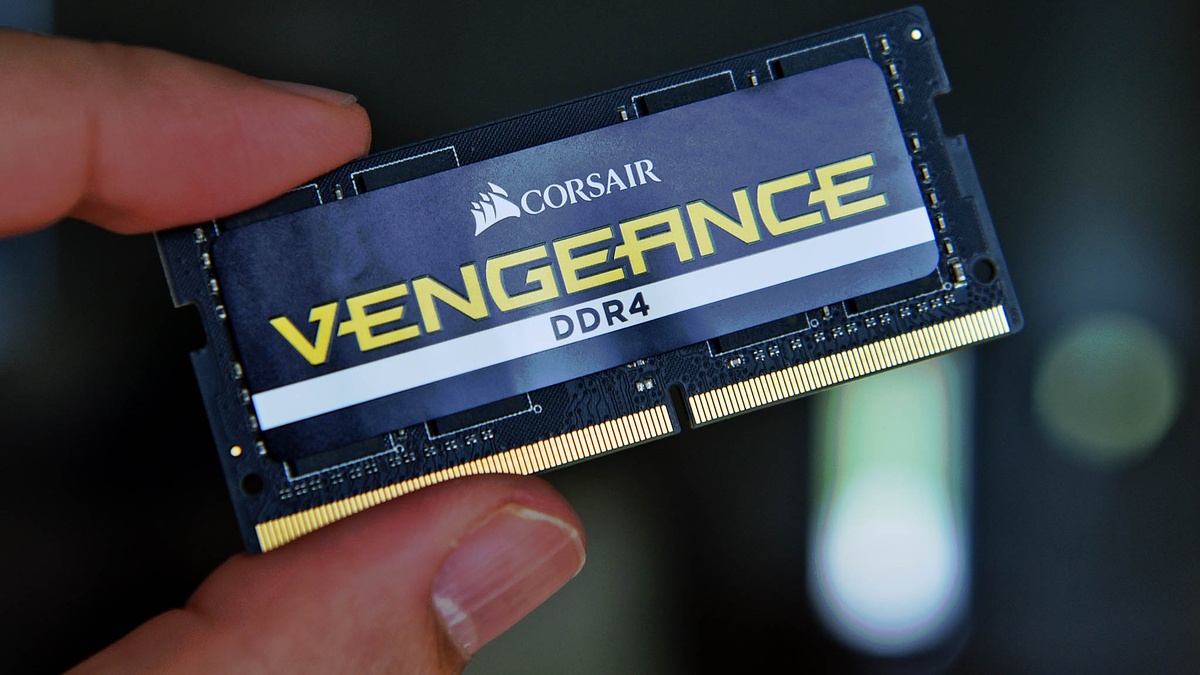
Rising Silicon Inflation and Component Cost Pressures on Hardware
Compounding internal leadership realignments, brutal supply chain inflation has dramatically reshaped the economic viability of manufacturing next-generation console hardware at traditional consumer-friendly price points.
Industry hardware analysts project that Microsoft’s upcoming flagship living-room powerhouse could retail between twelve hundred and eighteen hundred dollars, representing an unprecedented fifty to eighty percent generational cost surge.
Severe cost escalation across advanced semiconductor fabrication nodes, specialized thermal packaging, and high-bandwidth memory architectures like those powering the AMD Ryzen 7 9800X3D have destroyed hardware margins.
Furthermore, as driver paradigms evolve and Nvidia ends Windows 10 support, modern graphics silicon requires expensive dedicated hardware buffers that leave manufacturers zero room to subsidize physical console sales.
Faced with the alarming prospect of launching a premium device with microscopic or negative gross hardware margins, Microsoft executives determined that surrendering high-margin network subscription revenue posed an unacceptable balance sheet liability.
Consequently, recurring subscription fees transformed from an optional growth driver into an absolute financial lifeline needed to subsidize next-generation silicon and sustain platform research operations.
| Hardware Metric | Xbox Series X (2020) | Xbox Helix Handheld (2027) | Xbox Helix Flagship (2028) |
|---|---|---|---|
| Estimated Retail Pricing | $499 USD Launch MSRP | $699 – $899 Projected | $1,199 – $1,799 Projected |
| Silicon Fabrication Node | TSMC 7nm Monolithic APU | TSMC N3E / N4P Mobile Silicon | Advanced Multi-Die Chiplet 3nm |
| Unified System Memory | 16GB GDDR6 Memory Bus | 24GB – 32GB LPDDR5X Low-Power | 32GB – 48GB GDDR7 High-Bandwidth |
| Estimated Bill of Materials | ~$470 (Subsidized Platform) | ~$650 (Thin Margin Target) | ~$1,350+ (Negative Margin Risk) |
| Subscription Dependence | High (Software Attachment) | Moderate (Game Pass Mobile) | Critical (Hardware Offset) |
Comparing Xbox Helix Multiplayer Against PC Ecosystem Precedents
The decision to retain paid networking creates an uncomfortable technical friction point, particularly when evaluating how Xbox Helix Multiplayer compares with modern personal computer gaming standards.
Desktop PC gamers have never paid platform toll fees to access online multiplayer servers on Steam, the Epic Games Store, Battle.net, or GOG across the entire fifty-year history of computer networking.
If Microsoft markets the next-generation console as a bridge device capable of running personal computer software, charging console owners for online lobbies creates an immediate class disparity.
This divide grows even more apparent when contrasted against Xbox Cloud Gaming pay-as-you-go initiatives, where network access models increasingly prioritize flexible browser accessibility over rigid subscription gates.
A consumer playing an online multiplayer match through Steam on a Windows laptop incurs zero service charges, yet launching that identical match from the living room console demands a monthly fee.
Bridging these divergent business models without alienating core console players or provoking ridicule from desktop enthusiasts represents the most delicate branding challenge facing Microsoft’s marketing leadership.
Consumer Backlash and Subscription Tier Economics for Game Pass
The retention of paid networking carries direct consequences for the structure of Xbox Game Pass, which absorbed the historic Xbox Live Gold brand under the Game Pass Core moniker back in late 2023.
Game Pass Core currently serves as the baseline subscription tier, providing essential multiplayer functionality alongside a curated rotation of older first-party and third-party catalog titles.
By preserving the online paywall, Microsoft protects its most dependable recurring revenue engine, ensuring tens of millions of active console users continue funding digital infrastructure through monthly or annual renewals.
However, this corporate safety net risks alienating budget-conscious gamers who feel increasingly nickel-and-dimed by compounding software costs, expanding microtransactions, and rising base retail game prices across the industry.
Consumer sentiment across online gaming communities has grown acutely hostile toward paywalls, especially as peer platforms and cross-play ecosystems expose the arbitrary nature of platform-specific networking subscriptions.
Should consumer blowback intensify as official hardware specifications emerge, Microsoft may find that preserving short-term subscription revenue inflicts lasting damage upon long-term platform loyalty and console market share.
Hardware Ecosystem Roadmaps and Future Xbox Helix Multiplayer Milestones
Looking forward, Microsoft’s next-generation rollout strategy is structured around a phased multi-device family designed to capture gamers across distinct living-room and portable usage scenarios.
Internal deployment roadmaps indicate that a dedicated portable gaming handheld will arrive first in late 2027, followed by the flagship stationary home console toward the holiday shopping season of 2028.
This bifurcated hardware strategy raises urgent engineering questions regarding how Xbox Helix Multiplayer policies will govern handheld units operating on open Windows mobile platforms versus television-tethered living-room hardware.
If the upcoming handheld device operates as an open Windows PC, requiring console subscriptions for docked living-room play while granting portable users free access would introduce baffling consumer confusion.
Industry insiders suggest Microsoft may eventually compromise by packaging online access exclusively within premium Game Pass Ultimate tiers while offering ad-supported or hybrid networking for standalone game purchases.
Regardless of the eventual compromise, the evolution of Xbox Helix Multiplayer demonstrates that the convergence of console hardware and personal computing inevitably collides with entrenched corporate monetization models.
Strategic Crossroad and Long-Term Ecosystem Verdict
Microsoft’s flirtation with abolishing console multiplayer fees represents a fascinating glimpse into an alternate gaming timeline where platform barriers dissolved in favor of unified, open player ecosystems.
Yet corporate leadership transitions, surging silicon production costs, and institutional reliance on subscription cash flow ultimately preserved the status quo, proving that legacy console economics resist radical disruption.
As the 2027 handheld launch approaches, Microsoft must articulate a coherent value proposition that justifies paid networking on a device claiming to bridge the gap between traditional consoles and open personal computers.
Frequently Asked Questions
Was Microsoft really planning to make Xbox multiplayer free?
Yes, credible investigative reports confirm that early architectural roadmaps for the next-generation Xbox Helix console explored completely abolishing the online multiplayer paywall to create a unified platform bridging console and PC gaming.
Why did Microsoft reverse course on free multiplayer?
The strategic reversal was prompted by leadership transitions under new Xbox head Asha Sharma, surging semiconductor production expenses, and the urgent corporate need to protect dependable recurring subscription revenues amid rising hardware prices.
How much will the next-gen Xbox Helix console cost?
Supply chain forecasts suggest that the flagship next-generation Xbox Helix console could retail between twelve hundred and eighteen hundred dollars, driven by high-performance silicon, specialized thermal solutions, and premium component manufacturing expenses.
When is the next-generation Xbox expected to launch?
Current platform roadmaps indicate that Microsoft plans to launch a dedicated portable gaming handheld in late 2027, followed by the flagship stationary home console release during the holiday 2028 shopping window.
Do PC players have to pay for Xbox online multiplayer?
No, personal computer gamers do not pay subscription fees for online multiplayer when playing games on Steam or Windows, creating a stark contrast against the paid subscription model enforced on dedicated console hardware.
