


The global video game industry is standing at a historic labor crossroads as development teams push for formal union recognition. At the center of this movement, the upcoming Rockstar Games union vote marks an unprecedented turning point for AAA studio staff.
According to comprehensive investigative reporting from IGN, workers at Rockstar North in Edinburgh have officially scheduled their collective ballot window. The election will determine whether the Independent Workers’ Union of Great Britain secures statutory recognition.
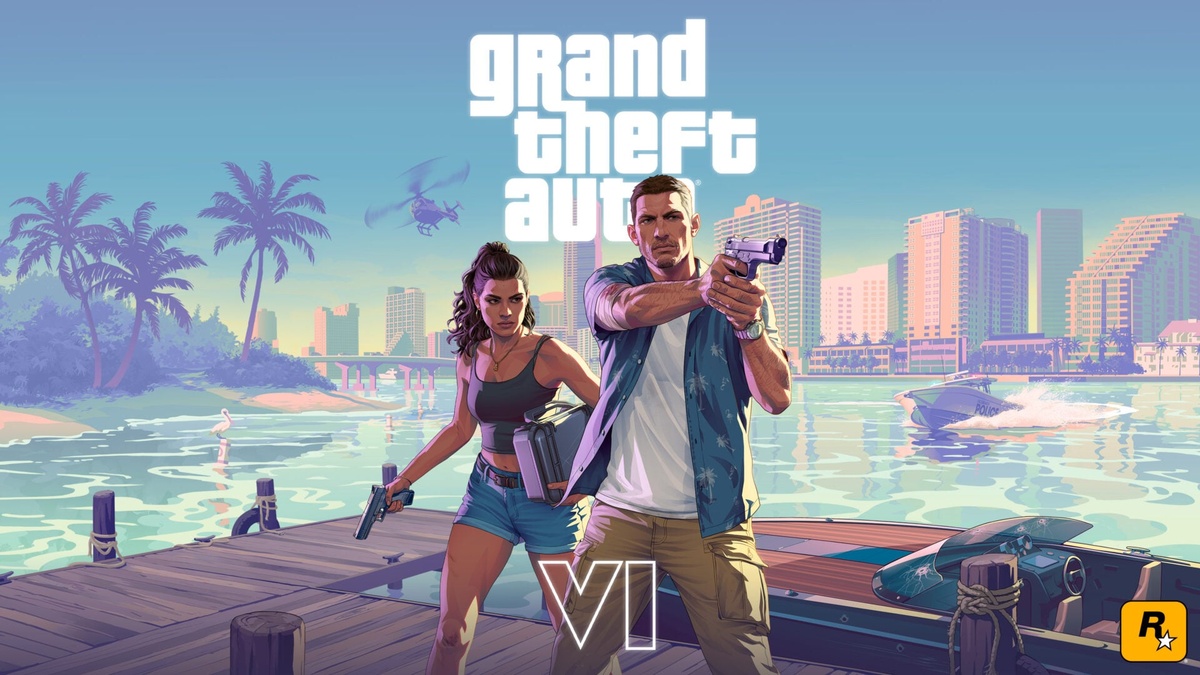
What makes this labor milestone especially extraordinary is its timing. The ballot directly overlaps with the global release of Grand Theft Auto 6, concentrating unprecedented cultural attention and commercial scrutiny upon Rockstar Games workplace policies during launch week.
This workplace movement mirrors broader shifts across consumer hardware and computing infrastructure. While mobile professionals embrace efficiency breakthroughs like the Apple M4 Mac mini redesign, modern entertainment software pipelines require unprecedented engineering labor and continuous development cycles.
Similarly, the PC gaming community is upgrading hardware rigs as AMD Ryzen 7 9800X3D revealed class-leading gaming framerates. Behind those silicon achievements, software developers at major studios navigate intense crunch periods to optimize massive open-world titles.
Simultaneously, evolving software ecosystems are forcing platform migrations across the industry. With legacy platforms receding as NVIDIA ends Windows 10 support, modern engineering pipelines demand sustainable studio environments where developers can maintain complex game code without personal burnout.
Cloud infrastructure is also reshaping distribution dynamics, where flexible services like Xbox Cloud Gaming pay-as-you-go bundles demonstrate how distributed server compute relieves client hardware demands while expanding global player accessibility across modern digital storefronts.
By participating in the Rockstar Games union vote, employees seek structured protections over mandatory overtime, workplace health, and compensation parity. Their organizing efforts represent the largest proposed collective bargaining unit across the entire United Kingdom games development sector.
In this exhaustive HauntysTech analysis, we explore five critical dimensions of this historic ballot, examining the legal framework, release schedule friction, studio management responses, and lasting implications for interactive entertainment workers worldwide.
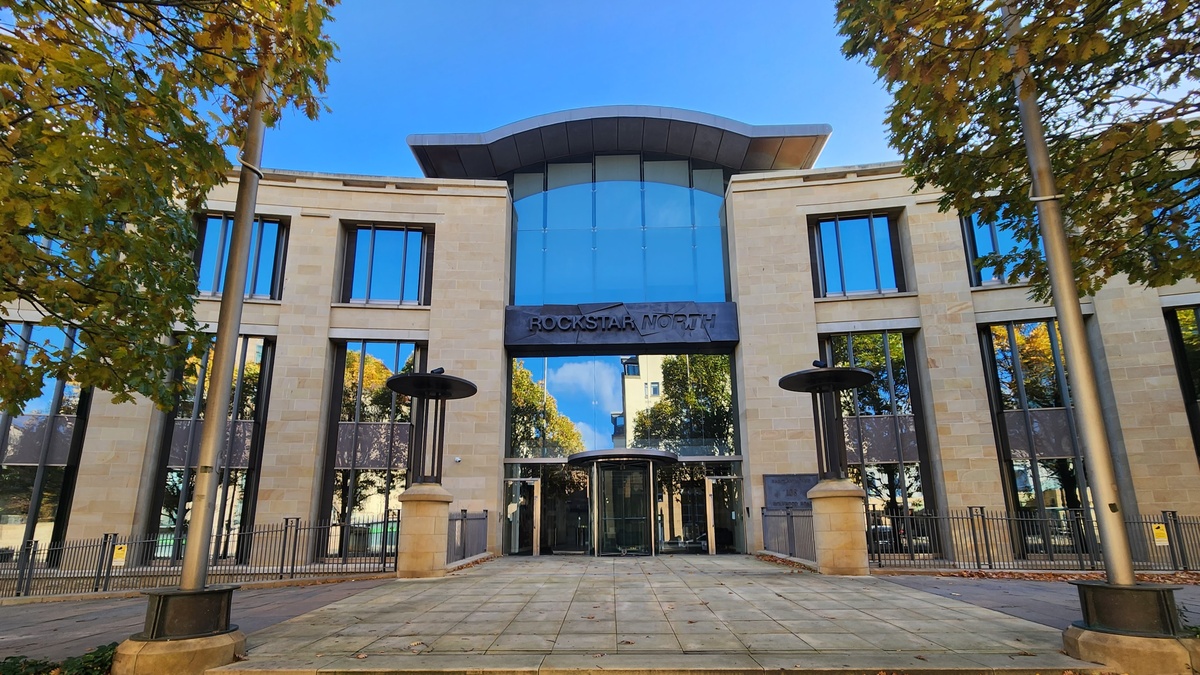
Table of Contents
1. IWGB Ballot Timetable: Edinburgh Studio Sets Two-Week Voting Window
The formal balloting timetable established by the Central Arbitration Committee outlines a strict two-week participation window. All eligible studio staff participating in the Rockstar Games union vote will cast their confidential postal ballots between November 12 and November 26.
This multi-week window provides ample time for developers, animators, quality assurance testers, and engine architects across Rockstar North to submit their decisions. Representatives from the IWGB union have actively conducted workplace outreach to ensure high voter turnout across technical departments.
Under United Kingdom labor regulations, statutory trade union recognition requires a majority of voters and at least forty percent of eligible bargaining unit workers to support representation. The Rockstar Games union vote therefore demands unified participation across all departments.
Independent workplace surveys monitored by AnandTech suggest that employee enthusiasm remains exceptionally high throughout production departments. Technical personnel view collective bargaining as a vital mechanism for establishing transparent career advancement paths and equitable project profit distributions.
Studio organizers emphasize that formal trade union recognition would transform everyday operational communications between studio staff and executive leadership. Workers casting ballots during the Rockstar Games union vote want legally binding protections that survive corporate reorganizations and managerial shifts.
The conclusion of the voting window on November 26 will be followed immediately by official ballot verification. If workers approve representation, Rockstar North will establish the largest recognized games industry labor union in British history.
2. GTA 6 Launch Overlap: High-Stakes Timing Amid Studio Milestone
The intersection of collective labor organizing and commercial video game releases rarely occurs under such intense public scrutiny. Scheduling the Rockstar Games union vote to overlap directly with the November 19 launch of Grand Theft Auto 6 creates historic leverage.
Launching a flagship AAA game requires hundreds of engineers monitoring server stability, patching critical Day One runtime bugs, and optimizing graphics shaders across disparate platforms. During this critical operational window, the Rockstar Games union vote highlights the frontline developers behind the code.
High-visibility product debuts historically limit corporate willingness to engage in prolonged labor disputes that could generate negative publicity. By holding the Rockstar Games union vote during peak consumer excitement, the workforce ensures their working conditions remain part of the public narrative.
Hardware analysts at Tom’s Hardware observe that modern open-world graphics rendering engines require intense post-launch support. Maintaining high framerates and stable physics simulations across millions of concurrent users depends entirely upon rested, motivated, and well-supported engineering teams.
Gamers purchasing the title are increasingly aware of human costs associated with prestigious video game development. Support for the Rockstar Games union vote has garnered vocal solidarity across community forums, player discords, and social media networks tracking GTA 6 updates.
Ultimately, this synchronized launch timetable underscores how contemporary interactive entertainment relies upon human creativity. The Rockstar Games union vote ensures that discussions surrounding technical achievements and record-breaking revenues remain grounded in respect for the creators who built the world.
3. Collective Bargaining Mandate: Overtime Caps, Remote Work & AI Ethics
Securing collective bargaining rights grants employees statutory authority to negotiate legally enforceable workplace terms with corporate executives. Central to the Rockstar Games union vote are demands for firm limits on mandatory overtime, commonly known across the industry as crunch.
For decades, game developers endured eighty-hour workweeks during pre-launch crunch phases, often resulting in severe physical fatigue and mental burnout. Through the Rockstar Games union vote, employees seek contractual working hour caps and transparent overtime compensation multipliers.
Remote and hybrid work flexibility represents another decisive catalyst driving employee organizing efforts. When management mandated a strict five-day return to physical offices earlier in the production cycle, many staff members felt their work-life balance and health were disregarded.
Furthermore, artificial intelligence integration has emerged as an urgent priority for creative staff. As generative machine learning models threaten to automate concept art, voice synthesis, and procedural code, the Rockstar Games union vote demands strict safeguards governing AI tool deployment.
Labor negotiators intend to mandate that generative algorithmic tools complement human creators rather than displace experienced creative staff. Workers supporting the unionization campaign insist that technological innovation must never come at the expense of creative integrity or job security.
These comprehensive collective bargaining objectives demonstrate that modern trade unionism addresses cutting-edge technological shifts alongside traditional compensation concerns. Employees view the Rockstar Games union vote as a necessary shield protecting human ingenuity inside evolving automated workflows.
Industry Workplace Benchmarks: Studio Unionization vs. Traditional Crunch
Evaluating workplace standards across commercial game development reveals stark contrasts between unionized collective bargaining structures and traditional at-will studio management. The comprehensive benchmark matrix below details how the Rockstar Games union vote could reshape everyday working conditions for studio creators.
| Workplace Dimension | Traditional At-Will Studio Model | Unionized Collective Bargaining Model |
|---|---|---|
| Mandatory Overtime (Crunch) | Uncapped overtime during final launch milestones | Contractual limits with 1.5x to 2x overtime pay |
| Remote & Hybrid Flexibility | Unilateral executive mandates requiring office presence | Bilaterally negotiated flexible telework policies |
| Generative AI Protection | Unregulated deployment and potential workforce displacement | Binding ethical guidelines protecting human roles |
| Redundancy & Layoff Severance | Minimum statutory severance with short notice | Enhanced severance packages with formal consultation |
| Pay Transparency & Raises | Opaque discretionary bonuses and variable raises | Standardized salary bands with transparent cost-of-living adjustments |
| Dispute Resolution Mechanism | Internal HR mediation without independent representation | Independent union representation and formal arbitration |
The comparative analysis demonstrates why studio employees view collective bargaining as a necessary structural evolution. By replacing discretionary executive mandates with binding bilateral contracts, the Rockstar Games union vote establishes predictable, dignified professional standards across every development tier.
Furthermore, transparent compensation bands and contractual overtime caps foster long-term career retention for specialized talent. Instead of leaving the video games sector after shipping major projects, engineers can build sustainable lifelong careers under protections established by the Rockstar Games union vote.

4. Employment Tribunal Background: Legal Battles & 31 Worker Terminations
The road leading to this historic ballot has been marked by contentious legal disputes and escalating labor friction. Deep background surrounding the Rockstar Games union vote includes an active employment tribunal stemming from the controversial dismissal of thirty-one studio employees in late 2025.
According to legal filings reviewed by union representatives, the terminated workers were dismissed following alleged confidential information leaks. However, the IWGB union vehemently disputed those accusations, characterizing the mass firings as unlawful union-busting intended to dismantle nascent organizing committees.
That dispute escalated into formal legal proceedings before the Scottish Employment Tribunal, with closing arguments scheduled for mid-November. As judges review evidence, the concurrent Rockstar Games union vote proceeds as a resilient demonstration of workforce solidarity despite executive pressure.
Labor attorneys emphasize that firing active organizers during union campaigns carries severe legal risks under UK employment law. If tribunal judges rule in favor of the terminated workers, Rockstar Games could face substantial compensatory damages alongside formal reprimands.
Despite the chilling effect often triggered by high-profile terminations, organizing efforts across Rockstar North continued gaining momentum. Workers preparing for the Rockstar Games union vote cited the tribunal proceedings as clear proof that collective representation is urgently required.
The simultaneous timing of tribunal conclusions and statutory balloting highlights the determination of studio staff. Participating in the Rockstar Games union vote offers employees a decisive democratic channel to assert their workplace rights and protect colleagues from arbitrary dismissals.
UK Gaming Sector Precedents: Recognition Accords & Collective Agreements
Contextualizing this milestone requires reviewing previous labor recognition achievements and unionization initiatives throughout the broader video game industry. The operational comparison below contrasts the proposed Rockstar Games union vote with existing union agreements across Europe and North America.
| Developer Studio | Parent Publisher | Trade Union Representation | Current Collective Status |
|---|---|---|---|
| Rockstar North (Edinburgh) | Take-Two Interactive | IWGB Game Workers Union | Pending Statutory Recognition Ballot |
| ZeniMax Studios (Bethesda) | Microsoft Gaming | CWA (Communication Workers of America) | Fully Recognized Wall-to-Wall Union |
| Keywords Studios (Edmonton) | Independent / EQT | UFCW Canada | First Recognized Video Game Union in North America |
| CD Projekt RED (Poland) | CD Projekt Group | Polish Game Workers Union (OZZIP) | Voluntary Recognition & Collective Framework |
| Activision Blizzard (Raven QA) | Microsoft Gaming | CWA Game Workers Union | Certified Union with Collective Bargaining Agreement |
| SEGA of America | SEGA Sammy Holdings | AEGIS-CWA | Ratified First Multi-Department Collective Contract |
This industry overview highlights a decisive international shift toward collective bargaining across premier game development studios. The upcoming Rockstar Games union vote represents the next crucial domino, establishing whether premier AAA studios in the United Kingdom join this accelerating global trend.
By establishing legally protected collective units, studio workforces ensure their artistic and technical contributions receive fair commercial valuation. A successful Rockstar Games union vote would validate the organizing blueprint for development teams at rival European studios contemplating similar representation.
5. Management Response & Industry Impact: Precedent for UK Game Studios
Corporate leadership at Rockstar Games has adopted a notably measured public posture as the balloting window approaches. Following protracted informal negotiations, Head of Publishing Jennifer Kolbe affirmed to Bloomberg Technology that management will fully respect the democratic outcome.
Kolbe emphasized that company leadership intends to follow where the team chooses to go, stating that if workers want a union, they will have one. That collaborative rhetoric represents a welcome contrast to aggressive anti-union postures witnessed across competing entertainment companies.
Industry analysts suggest that peaceful union recognition protects brand reputation during the most lucrative product rollout in entertainment history. Embracing the Rockstar Games union vote ensures Take-Two Interactive avoids consumer boycotts or high-profile walkouts that could disrupt post-launch live services.
Furthermore, a successful outcome would make the IWGB chapter at Rockstar North the largest recognized game workers union in the United Kingdom. That historic milestone will likely inspire organizing campaigns across creative studios throughout England, Scotland, and Northern Ireland.
Studio executives across Europe are monitoring voter turnout and operational adjustments closely as balloting commences. A smooth transition toward collective bargaining following the Rockstar Games union vote will prove that world-class creative ambition can thrive alongside progressive workplace governance.
As developers cast their historic ballots, the gaming industry prepares for a profound structural realignment. The outcome of the Rockstar Games union vote marks the beginning of an empowering new chapter for game creators across global entertainment networks.
Final Verdict: A Transformative Labor Milestone for Interactive Entertainment
The upcoming Rockstar Games union vote signals a profound coming-of-age moment for the modern video game development industry. As interactive software scales into the most lucrative entertainment medium on the planet, the creators behind monumental blockbusters are demanding equitable professional dignity.
Overlapping this historic democratic ballot with the launch of Grand Theft Auto 6 underscores the undeniable reality that human talent powers digital magic. Transparent compensation, humane working hours, and ethical AI policies are foundational necessities for sustaining world-class creative engineering over the coming decade.
Whether developers vote to ratify recognition or pursue alternative frameworks, the conversation surrounding game industry labor has been irreversibly altered. The Rockstar Games union vote stands as a luminous beacon of solidarity that will inspire game workers worldwide for generations.
