


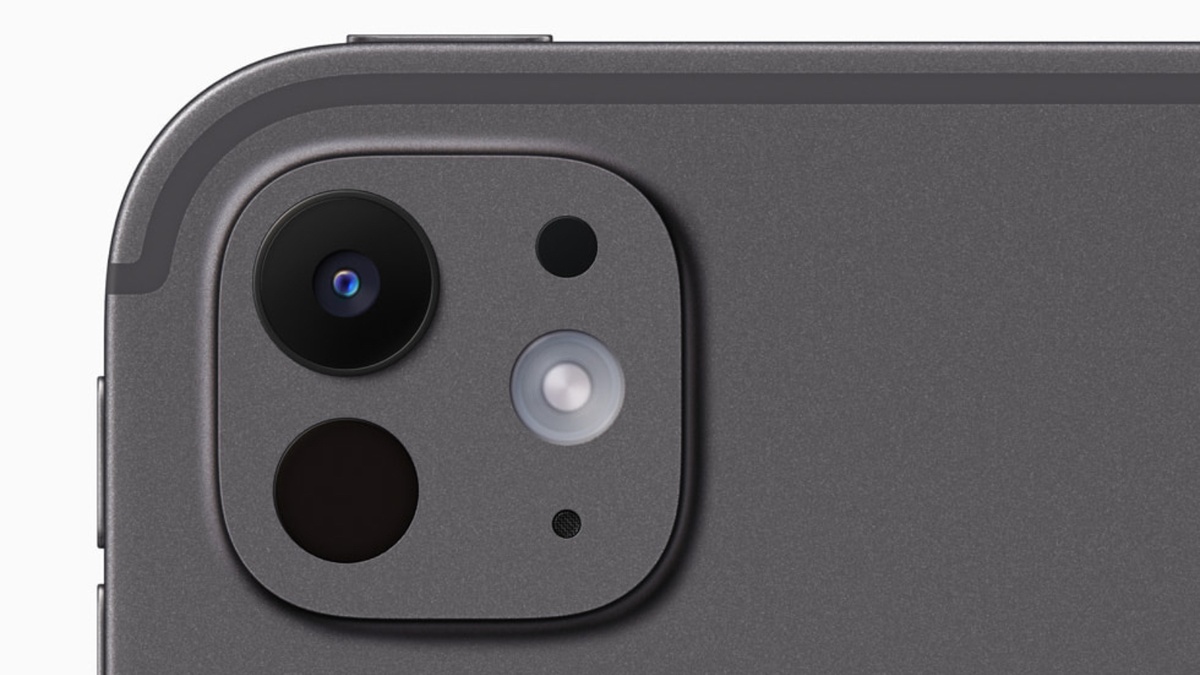
New supply chain schematics indicate that the upcoming iPhone 18e Camera Redesign will discard Apple’s legacy flush camera lens housing in favor of a unified architectural camera plateau directly inspired by recent iPad Pro hardware aesthetics.
Detailed industrial CAD files leaked from component fabricators reveal a raised rectangular glass island grouping the primary optical sensor, True Tone flash, and acoustic microphone array together, marking a significant visual transformation for Apple’s mainstream spring smartphone tier.
| Hardware Specification | iPhone 18e (Leaked CAD) | iPhone 17e (Predecessor) | M5 iPad Pro (Design Anchor) | iPhone Air 2 (Spring 2027) |
|---|---|---|---|---|
| Camera Plateau Design | Unified raised island (28x35mm) | Flush circular ring cutout | Raised sculpted plateau | Dual horizontal bump (3.8mm) |
| Rear Lens Configuration | Single 48MP main sensor | Single 48MP main sensor | Single 12MP wide lens + LiDAR | Dual 48MP main + ultra-wide |
| SoC Processor Node | Apple A20 (TSMC 2nm GAA) | Apple A19 (TSMC 3nm N3P) | Apple M5 (TSMC 2nm Node) | Apple A20 (TSMC 2nm GAA) |
| Unified RAM Capacity | 9GB LPDDR5X | 8GB LPDDR5X | 16GB / 24GB Unified | 9GB LPDDR5X |
| Cellular Baseband Modem | Apple Custom C2 5G | Apple Custom C1X 5G | Qualcomm Snapdragon X80 | Apple Custom C2 5G |
| Display Technology | 6.12 to 6.30-inch OLED (60Hz) | 6.10-inch OLED (60Hz) | Tandem OLED ProMotion (120Hz) | 6.55-inch OLED (120Hz) |
| Target Spring Pricing | $599 MSRP | $599 MSRP | From $999 MSRP | $899 MSRP |
CAD Leaks Confirm iPad Pro Plateau Architecture
Behind iPhone 18e Camera Redesign manufacturing partners confirm Apple is departing from the minimalist circular camera ring featured on the previous iPhone 17e generation, shifting toward an assertive unified plateau enclosing all rear optical components.
Exhaustive reporting from leaked CAD schematics reveals that the upcoming iPhone 18e positions its primary imaging lens, ambient microphone port, and dual-tone LED flash within an elevated housing measuring approximately 28 millimeters by 35 millimeters.
The iPhone 18e Camera Redesign the camera module layout introduced on Apple’s flagship M5 iPad Pro, where auxiliary sensors and illumination diodes are consolidated into a sculpted glass plateau rather than perforating the structural rear backplate independently.
Evaluating iPhone 18e Camera Redesign drilled separate microscopic apertures directly through the tinted rear glass substrate to accommodate the external flash diode and rear acoustic sensor, introducing manufacturing complexity and potential moisture ingress pathways.
Through iPhone 18e Camera Redesign inside a single CNC-milled camera enclosure, engineers streamline the structural assembly process while providing superior environmental sealing against atmospheric dust and liquid contaminants during heavy everyday consumer operation.
Ultimately, iPhone 18e Camera Redesign gives Apple’s entry-tier smartphone an unmistakably premium aesthetic identity that visually aligns with higher-priced flagship devices across the wider iOS ecosystem.
Inside the iPhone 18e Camera Redesign Dimensional Shift
Analyzing the mechanical dimensions specified in the leaked CAD files demonstrates that the iPhone 18e Camera Redesign allocates substantial surface area to optical hardware while preserving an ergonomic exterior handheld chassis profile for casual daily usage.
The 28mm by 35mm camera plateau elevates slightly above the frosted glass backplate, creating a distinctive contoured island that protects the delicate sapphire crystal lens cover from direct abrasive contact against gritty desktop surfaces.
Despite rumors suggesting Apple might adopt a secondary ultra-wide sensor, the engineering schematics confirm that the new elevated plateau continues to house a solitary primary camera aperture alongside optimized illumination optics and audio hardware.
The iPhone 18e Camera Redesign thermal dissipation volume for high-bitrate computational photography pipelines, allowing onboard image processors to sustain extended 4K spatial video recording without triggering thermal throttling during warm ambient filming conditions.
The iPhone 18e Camera Redesign stabilizes the device when placed flat on rigid tabletops, mitigating annoying chassis wobble that commonly afflicted older single-lens iPhones during aggressive on-screen touchscreen typing or mobile gaming interactions.
With iPhone 18e Camera Redesign begun retooling injection molding machinery to support the enlarged plateau cutout, ensuring a wide array of rugged cases accompany the phone at retail launch.
Next-Gen TSMC Two-Nanometer A20 Silicon and Memory Architecture
Powering iPhone 18e Camera Redesign behind this updated camera architecture is Apple’s next-generation A20 application processor, fabricated using TSMC’s cutting-edge two-nanometer gate-all-around nanosheet transistor lithography.
Similar to architectural leaps seen in our Apple M4 Mac Mini redesign analysis, transitioning to denser silicon geometries delivers massive gains in sustained compute throughput alongside unprecedented operational battery efficiency.
Regarding iPhone 18e Camera Redesign Kuo reports that Apple is pairing the A20 silicon with 9GB of unified LPDDR5X memory, upgrading from the 8GB threshold established in previous budget-oriented hardware releases.
The iPhone 18e Camera Redesign sufficient local RAM bandwidth to execute demanding Apple Intelligence generative AI models directly on-device without relying on external cloud processing servers for routine semantic text and photo manipulation.
The iPhone 18e Camera Redesign enhanced tensor acceleration units optimized for real-time neural image synthesis, semantic scene segmentation, zero-shutter-lag HDR blending, and accelerated semantic object removal within the native Photos application.
Supporting iPhone 18e Camera Redesign management, the A20 silicon ensures fluid multitasking performance and lightning-fast app launching across intensive daily mobile workflows and prolonged gaming sessions.
Custom C2 Cellular Modem and Internal Component Integration
Beneath iPhone 18e Camera Redesign, the iPhone 18e is slated to incorporate Apple’s second-generation proprietary C2 cellular baseband modem, succeeding the pioneering C1X silicon deployed in earlier budget handsets.
Through iPhone 18e Camera Redesign Apple engineers to tightly synchronize RF power consumption with core operating system power management daemons, dramatically reducing battery drain during sustained high-bandwidth 5G downloads.
The iPhone 18e Camera Redesign been thoroughly reorganized to accommodate the enlarged camera module plateau alongside compact RF transceiver modules, maximizing available internal enclosure volume for a high-density battery cell.
Analyzing iPhone 18e Camera Redesign notes that internal structural revisions enable Apple to equip the device with a robust 4,430mAh battery cell, sharing structural battery architecture with the mainstream iPhone 18 chassis.
As documented in MacRumors technical reporting, integrating proprietary modem silicon and optimized power management microcontrollers delivers multi-day standby performance that surpasses previous compact Apple smartphone generations.
Advanced thermal spreader sheets distribute internal operating heat evenly across the aerospace-grade aluminum chassis, preventing concentrated hotspots from forming near the modem or camera processor under peak network loads.
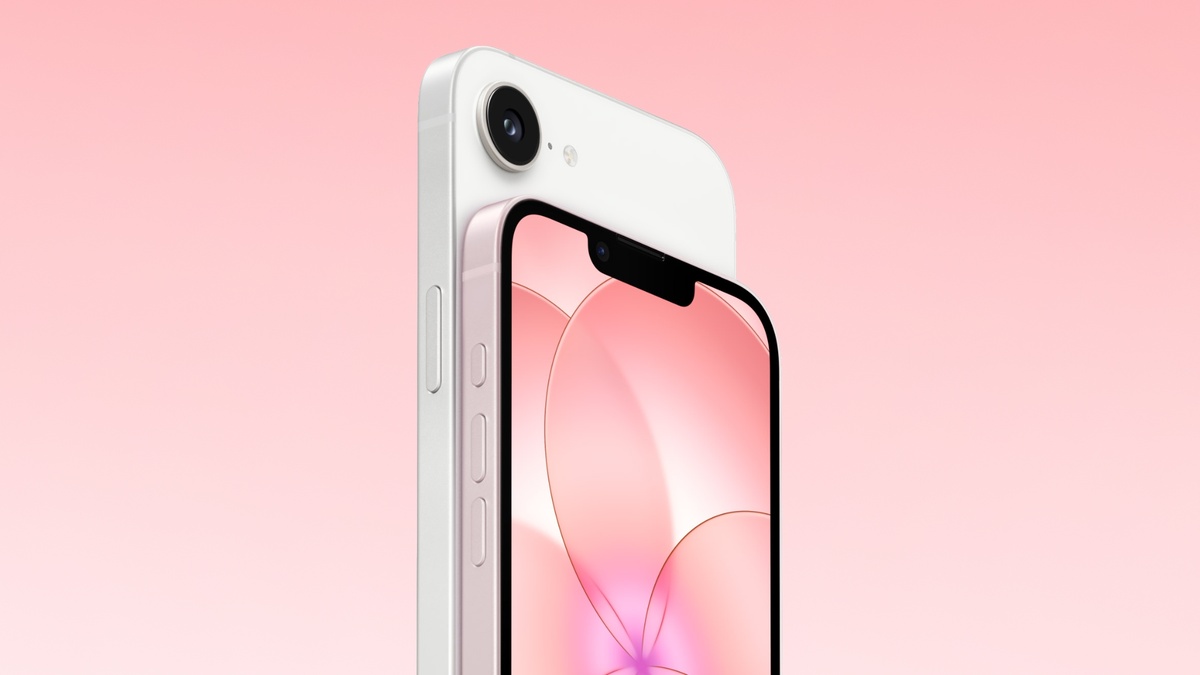
| Chassis & Component Layer | Generational iPhone 17e | Upcoming iPhone 18e | Engineering Impact |
|---|---|---|---|
| Camera Island Material | Individual glass drillings | Sculpted unibody plateau | Eliminates micro-gaps, boosts IP68 sealing |
| Lens Stabilization | First-gen sensor-shift OIS | Second-gen sensor-shift OIS | Reduces motion blur in low-light capture |
| Plateau Dimensions | 14mm diameter circular ring | 28mm x 35mm rounded island | Accommodates flash, mic, and thermal spread |
| Battery Capacity | 4,005mAh typical cell | 4,430mAh shared platform cell | Expands active screen-on endurance by ~15% |
| Baseband Power Draw | Qualcomm C1X hybrid envelope | Native C2 integrated baseband | Reduces 5G background standby consumption |
| On-Device AI Engine | 16-core NPU (35 TOPS) | Next-gen 2nm NPU (48 TOPS) | Full support for local Apple Intelligence |
Evaluating iPhone 18e Camera Redesign Against Flagship Optics
While the iPhone 18e Camera Redesign retains a single rear camera configuration, the underlying imaging sensor receives vital optical enhancements that narrow the imaging performance gap between budget and pro-tier iPhone models.
The upgraded 48-megapixel sensor features larger individual sub-pixels paired with second-generation sensor-shift optical image stabilization, capturing crisper low-light photographs with substantially lower digital luminance noise.
High-speed quad-pixel binning combines four adjacent sensor sites into a virtual 2.44-micron super-pixel, generating radiant twelve-megapixel default snapshots with exceptional dynamic range and lifelike color fidelity.
Much like the extreme hardware refinements explored in our Ryzen 7 9800X3D gaming benchmarks, tight hardware and software optimization enables this single sensor to achieve 2x optical-quality sensor cropping without sacrificing fine resolving power.
Furthermore, updated seven-element optical lens assemblies coated with advanced anti-reflective atomic layers reduce internal lens flares and unwanted optical ghosting when shooting directly into harsh sunlight or bright night streetlamps.
Macro focusing capabilities and accelerated autofocus tracking algorithms ensure close-up subjects retain tack-sharp edge sharpness, giving mobile photographers versatile creative flexibility without needing dedicated auxiliary telephoto optics.
Display Refresh Rates and Battery Capacity Realities
On the front face, current supply chain disclosures indicate Apple will equip the iPhone 18e with a vibrant Super Retina XDR OLED panel spanning between 6.12 and 6.3 inches across diagonal measurements.
To maintain strict market tier differentiation from Pro models, Apple plans to retain a 60Hz display refresh rate, reserving dynamic 120Hz ProMotion adaptive refresh panels exclusively for higher-priced flagship tiers.
Nevertheless, peak outdoor brightness reaches an impressive 2,000 nits, ensuring exceptional text legibility and HDR video playback clarity even under direct midday Mediterranean solar illumination.
The display incorporates Apple’s Dynamic Island pill cutout, integrating Face ID biometric sensors and ambient light detectors while delivering interactive live activity notifications across the top of the interface.
Ceramic Shield 2 glass formulation reinforces the front display substrate, providing superior drop resistance and enhanced scratch resilience against accidental pocket keys and abrasive contact.
Combined with low-power LTPO backplane technology and intelligent display controller logic, the screen maximizes operational endurance during continuous video streaming and on-screen GPS navigation.
Spring Launch Timeline and Lineup Price Positioning
Apple is expected to officially introduce the iPhone 18e during its traditional spring hardware keynote scheduled for late February or early March 2027, alongside the base iPhone 18 and ultrathin iPhone Air 2.
By splitting its annual smartphone release calendar into two distinct launch cycles, Apple maintains consistent market momentum throughout the financial year while satisfying budget-conscious buyers seeking modern hardware upgrades.
Pricing for the upcoming handset is widely expected to begin at five hundred ninety-nine dollars for base storage models, offering unbeatable value given the inclusion of TSMC 2nm silicon and 9GB of high-speed unified memory.
This aggressive pricing structure directly challenges premium Android mid-rangers by delivering flagship-tier processing performance, five years of guaranteed iOS software updates, and seamless ecosystem connectivity.
Pre-order availability will likely commence the Friday following the official announcement keynote, with retail store deliveries reaching worldwide consumers within one to two weeks of the public unveiling.
Trade-in promotional incentives and carrier installment subsidies will further lower upfront upgrade hurdles for millions of prospective owners upgrading from aging iPhone 11 or iPhone 12 devices.
Strategic Hardware Realignment for Mainstream Buyers
The upcoming iPhone 18e represents Apple’s most comprehensive entry-tier redesign in years, bridging the visual and functional divide between accessible everyday smartphones and top-tier professional creative hardware.
By uniting an iPad Pro-style camera plateau, groundbreaking 2nm A20 silicon, 9GB of RAM, and proprietary C2 cellular connectivity, Apple delivers an uncompromising handheld experience at an aggressive mainstream price point.
While enthusiasts may lament the retention of a 60Hz display, the massive generational leaps in sustained efficiency, optical processing, and on-device AI capabilities establish this handset as a dominant consumer champion for 2027.
Frequently Asked Questions
What is the new iPhone 18e camera design?
Supply chain CAD leaks confirm the iPhone 18e adopts a 28mm by 35mm raised camera plateau grouping the rear lens, flash, and microphone together, replacing the flush circular ring found on older iPhone 17e hardware.
Does the iPhone 18e feature dual rear cameras?
No, CAD files confirm the raised module continues to house a single primary 48-megapixel camera lens, with the extra housing space dedicated to flash illumination, acoustic sensors, and thermal dissipation volume.
What processor powers the iPhone 18e?
The iPhone 18e is expected to feature Apple’s next-generation A20 processor manufactured on TSMC’s 2nm process, paired with 9GB of unified LPDDR5X RAM to support full on-device Apple Intelligence AI models.
When is Apple releasing the iPhone 18e?
Apple is projected to launch the device during its annual spring product keynote in February or March 2027, debuting alongside the standard iPhone 18 and the ultrathin iPhone Air 2.
How much will the iPhone 18e cost at launch?
Pricing is anticipated to start at 599 dollars for the base storage configuration, positioning the smartphone as an exceptionally competitive entry point into Apple’s 2nm silicon and generative AI ecosystem.
