


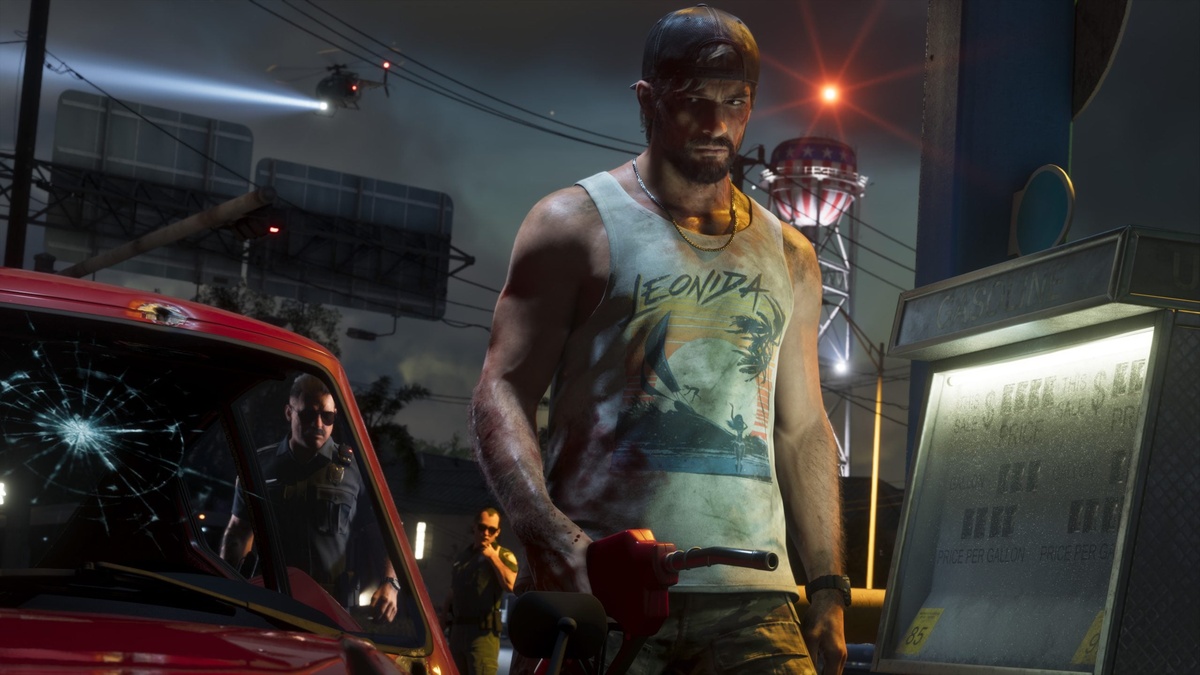
Following an aggressive legal intervention by Take-Two Interactive and Rockstar Games, the official GTA 6 Discord Server Shutdown has dismantled an ambitious community effort aimed at running leaked console binaries on personal computers.
The targeted community group, known across social platforms as Project Leonida, was actively working on static binary recompilation before intellectual property owners stepped in with immediate digital rights takedown requests.
| Project Initiative | Technical Architecture | Legal Authorization | Current Operational Status | Anticipated PC Availability |
|---|---|---|---|---|
| Project Leonida (Unofficial) | Static Binary Recompilation | Unauthorized (Leaked Devkit Binaries) | Permanently Terminated via DMCA | Cancelled (Developer Banned) |
| Rockstar Games (Official PC) | Native PC Port & Custom RAGE Pipeline | Authorized First-Party Release | Active Production in Edinburgh Studio | Targeted for Early 2027 |
| Third-Party Emulation | Dynamic Instruction Emulation Layer | Clean-Room Reverse Engineering | Experimental Architectural Research | Indefinite (Years Beyond Launch) |
| Cloud Streaming Solutions | Official Remote Console Streaming | Authorized Commercial Subscription | Live on Cloud Infrastructure | Immediate Console Playability |
Project Leonida Takedown and Immediate Discord Server Closure
Reporting from investigative gaming outlet Insider Gaming confirms that the GTA 6 Discord Server Shutdown Discord moderation teams regarding copyright violations associated with the unauthorized desktop porting initiative.
Following GTA 6 Discord Server Shutdown, the primary coordination hub for reverse-engineering enthusiasts attempting to translate ninth-generation console instruction sets directly into executable Windows binaries.
Upon receiving direct copyright notices from rights holders, during the GTA 6 Discord Server Shutdown community server, eradicating channels, code repositories, and discussion threads compiled over months of active collaboration.
Announced after GTA 6 Discord Server Shutdown, by various developer handles, took to social media to announce they received a two-year platform ban and were stepping away from software modding entirely.
Following GTA 6 Discord Server Shutdown, the fifteen-year-old developer explained that the mounting legal complexity made continued participation impossible, forcing an abrupt return to primary educational priorities.
The GTA 6 Discord Server Shutdown extreme vulnerability of independent hobbyist projects when operating within the immediate orbit of major corporate intellectual properties without sanctioned developer licensing.
Framed by GTA 6 Discord Server Shutdown, from technical curiosity to intense debates regarding intellectual property rights, fair use parameters, and platform liability across modern developer spaces.
Why the GTA 6 Discord Server Shutdown Caught Take-Two Attention
Prior to GTA 6 Discord Server Shutdown, this initiative drew urgent scrutiny because participants demonstrated preliminary boot sequences using actual compiled assets derived from confidential studio builds.
Before the GTA 6 Discord Server Shutdown snippets shared across private guild channels suggested that core engine components were successfully initializing within experimental desktop testing environments.
Leading to GTA 6 Discord Server Shutdown, widespread circulation of early Xbox development builds during the Cyberleek incident provided raw binary structures that accelerated reverse-engineering progress.
Similar to performance tuning on modern architectures like the AMD Ryzen 7 9800X3D, the GTA 6 Discord Server Shutdown direct access to proprietary instruction pipelines and rendering APIs.
By circulating decompiled functions that directly incorporated Rockstar’s proprietary RAGE technology, the development team crossed distinct boundaries separating clean-room emulation from actionable copyright infringement.
Through the GTA 6 Discord Server Shutdown, posture regarding leaked studio assets, ensuring that any community hub distributing unreleased commercial game code faces immediate digital eradication.
Reviewing the GTA 6 Discord Server Shutdown sharing unreleased binary executables removes statutory protections, forcing corporate attorneys to take swift and public takedown measures to protect commercial assets.
Recompilation Vulnerabilities in Leaked Xbox Console Codebases
Before the GTA 6 Discord Server Shutdown as a preferred method for modern porting projects, translating platform-specific machine code into native desktop instructions without relying on slow emulation abstraction layers.
Studied before GTA 6 Discord Server Shutdown, customized x86-64 AMD hardware, converting console binaries into PC-compatible executables is technically simpler than decoding previous architectures like the PlayStation 3 Cell processor.
However, Preceding the GTA 6 Discord Server Shutdown SDK extensions and proprietary audio engines demands meticulous function hooking and shader recompilation that frequently triggers automated security flags.
Echoing the GTA 6 Discord Server Shutdown impact the Apple M4 Mac Mini during complex rendering workloads, recompilation projects struggle to maintain frame pacing without official developer toolkits.
Prompting the GTA 6 Discord Server Shutdown dynamic link libraries to public file hosts, corporate security researchers quickly identified leaked cryptographic signatures tied to internal devkits.
These technical fingerprints removed all legal ambiguity, providing corporate attorneys with undeniable proof of proprietary asset distribution within community chat spaces.
Without authentic debug symbols and official SDK documentation, community engineers inevitably face catastrophic pipeline crashes when attempting to render complex volumetric weather and ray-traced reflections in real time.
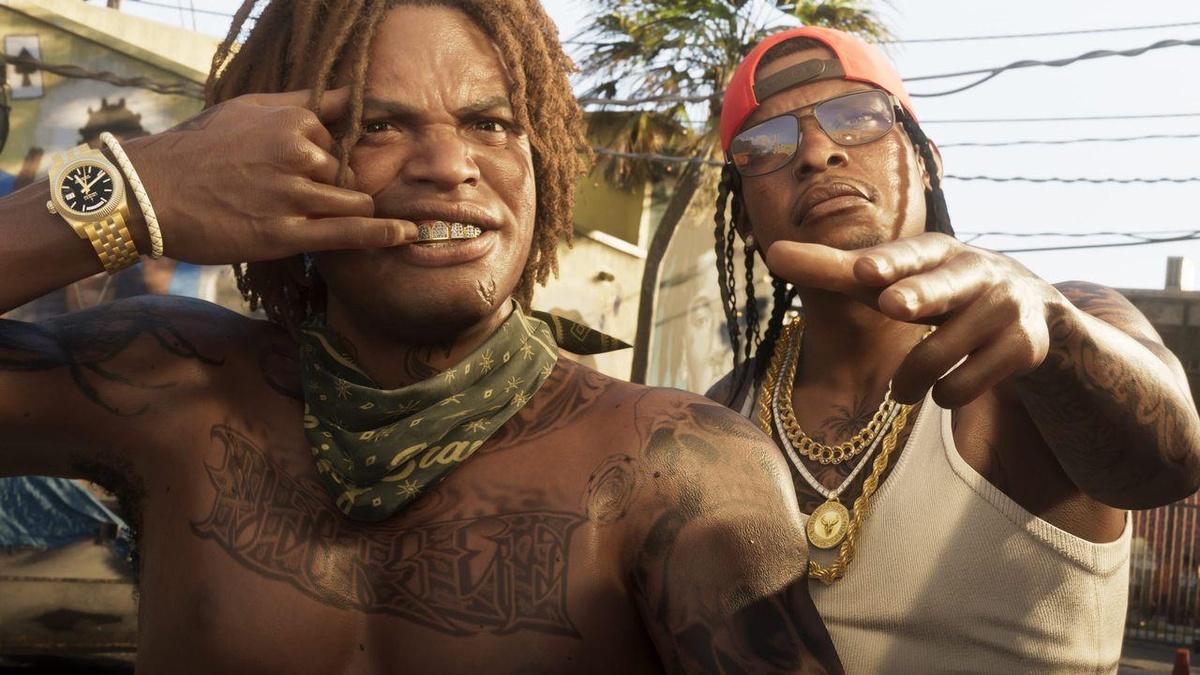
How the GTA 6 Discord Server Shutdown Alters PC Port Emulation
The sudden termination of Project Leonida sends a chilling message across independent reverse-engineering circles attempting to explore modern console software architectures.
Community developers often operate under the misconception that non-commercial educational endeavors enjoy legal immunity against Digital Millennium Copyright Act takedown provisions.
Federal legal precedents consistently affirm that utilizing leaked development binaries invalidates traditional fair-use defenses, leaving server hosts and contributors personally liable for damages.
As operating environments evolve and Nvidia ends Windows 10 support, running experimental recompilation builds becomes increasingly unstable on consumer desktop configurations.
Alternative development teams are now purging public chat channels and migrating discussions toward decentralized protocols to avoid similar administrative bans and platform suspensions.
Nevertheless, without centralized community feedback and shared debugging repositories, the pace of unauthorized desktop porting efforts has ground to an effective standstill.
Security researchers warn that third-party binary patches distributed outside monitored platforms frequently carry embedded malware, placing overeager players at severe technical risk when attempting to run unauthorized test builds.
| Chronological Phase | Key Technical Milestone | Take-Two Legal Action | Platform Enforcement Outcome |
|---|---|---|---|
| Initial Leak Incident | Circulation of leaked Xbox devkit binaries | DMCA notifications sent to web hosts | Initial code mirrors removed from GitHub |
| Discord Server Formation | Community organizes static recompilation tests | Copyright monitoring and telemetry tracking | Private channels establish build coordination |
| Boot Sequence Breakthrough | Experimental build boots opening splash screen | Emergency legal escalation to platform operators | Discord server receives direct takedown warning |
| Final Server Dissolution | All project repositories and chats wiped | Formal DMCA strikes and account suspensions | Lead developer receives two-year account ban |
| Post-Takedown Aftermath | Community development halts across public hubs | Continued surveillance of unauthorized mirrors | Hobbyist contributors step away from modding |
Legal Precedents Solidified by the GTA 6 Discord Server Shutdown
Throughout corporate gaming history, Take-Two Interactive has pursued aggressive legal strategies against unauthorized modifications, third-party multiplayer frameworks, and proprietary software distribution channels across the digital landscape.
Major gaming outlets such as Eurogamer have chronicled numerous instances where corporate legal counsel dismantled community utility tools that infringed on publisher trademarks.
Under Digital Millennium Copyright Act safe harbor regulations, online service providers like Discord must expeditiously remove access to material upon receiving formal infringement notices.
Failure to comply threatens platform operators with secondary liability, explaining why Discord acted swiftly to suspend user accounts and delete offending community servers.
For underage hobbyists caught in corporate crosshairs, the sudden exposure to potential civil litigation serves as an abrupt wake-up call regarding online copyright boundaries.
Legal scholars emphasize that clean-room reverse engineering remains lawful only when engineers avoid referencing, possessing, or distributing any proprietary source code or compiled binaries.
Platform hosts like Discord must maintain strict compliance with global copyright statutes, ensuring that community channels distributing leaked proprietary game assets are permanently terminated to avoid costly corporate litigation.
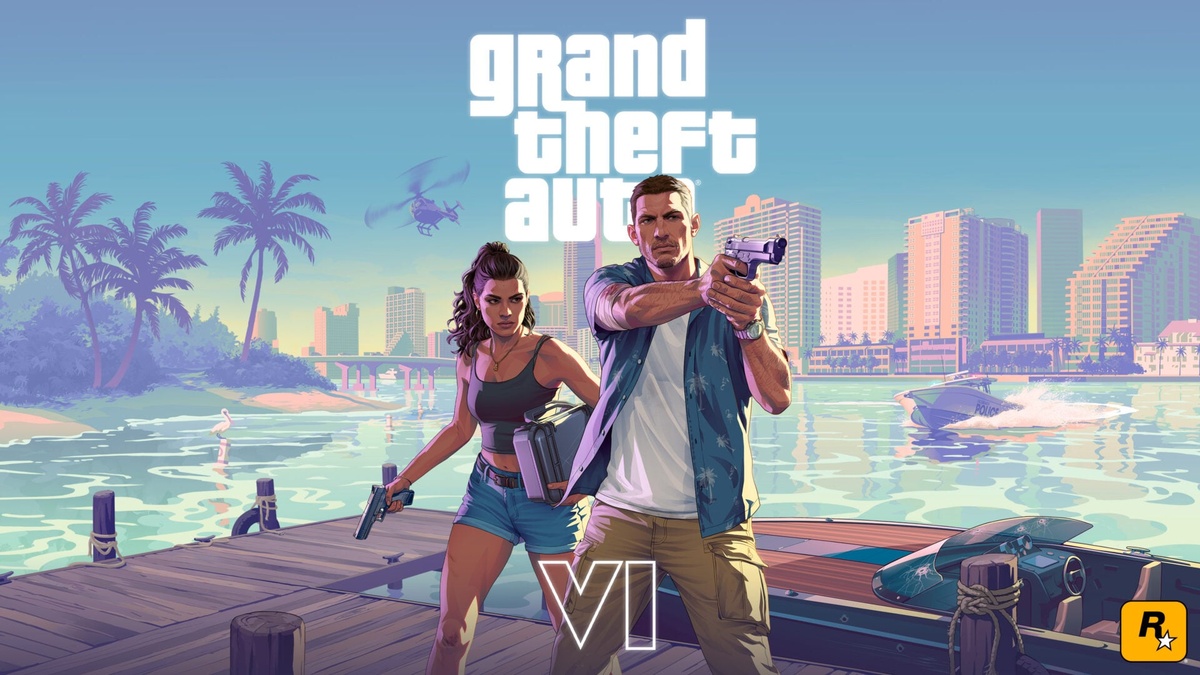
Role of Machine Learning and AI Decompilation in Unauthorized Ports
The emergence of advanced neural networks and automated code decompilation tools has significantly altered the technical landscape for ambitious reverse-engineering projects across modern software communities.
Modern large language models and machine learning decompilers can analyze raw assembly routines, reconstruct symbolic function names, and generate structured C++ source code with unprecedented speed and accuracy.
Despite these artificial intelligence advances, reconstructing proprietary rendering engines demands extensive manual architectural tuning that automated machine learning models cannot yet accomplish autonomously.
Industry experts emphasize that using generative AI to decipher proprietary binaries does not confer legal immunity, as derived source code remains direct intellectual property of the original copyright holder.
As neural decompilation utilities become more accessible to amateur coders, intellectual property owners are increasingly leveraging automated algorithmic crawlers to identify and flag unauthorized repository activity.
This ongoing cat-and-mouse dynamic between machine learning reverse engineering and corporate legal enforcement will define the future of unofficial PC gaming conversions for years to come.
Ultimately, automated decompilation cannot replace the thousands of engineering hours required to optimize complex open world simulation systems for diverse desktop hardware configurations.
Anticipating the Official 2027 PC Launch Timeline and Roadmap
The underlying technical motivation driving unauthorized desktop porting efforts stems from widespread community frustration regarding Rockstar’s traditional staggered multiplatform release scheduling model.
Grand Theft Auto titles have historically launched first on console hardware, allowing developers to optimize performance before releasing polished desktop editions several quarters later.
Industry financial projections suggest that the official personal computer release will arrive in early 2027, featuring extensive graphic enhancements and unlocked framerates.
Until the native desktop edition debuts, enthusiasts seeking portable or remote access must rely on services like Xbox Cloud Gaming rather than unstable unofficial recompilations.
Official desktop releases incorporate extensive anti-tamper safeguards, dedicated keyboard mapping options, and comprehensive ultra-wide display support that hobbyist ports cannot match.
Patience remains the safest path for PC enthusiasts, ensuring access to rock-solid multiplayer infrastructure and authentic visual fidelity backed by developer technical support.
Investing in official hardware ecosystems guarantees long-term software stability, cloud synchronization, and authentic community engagement that experimental unauthorized desktop recompilations can never legitimately deliver.
Frequently Asked Questions
Why did Rockstar shut down the Project Leonida Discord server?
Take-Two Interactive and Rockstar Games issued formal copyright takedown requests because the server organized unauthorized recompilation of leaked console builds, directly violating proprietary intellectual property laws.
What happened to the creator of the GTA 6 PC port project?
The fifteen-year-old lead developer received an immediate two-year account ban from Discord and published a farewell statement stepping away permanently from modding to focus on high school education.
Was the unauthorized GTA 6 PC port playable before the shutdown?
The project achieved preliminary boot milestones on select computer hardware using leaked Xbox binaries, but the executable remained unstable and lacked playable open world mission scripting.
When is the official Grand Theft Auto 6 PC version expected to launch?
Industry analysts and publisher financial schedules anticipate that Rockstar Games will release the official PC version in early 2027, following the initial console exclusivity period.
Is recompiling leaked console game code legal for educational research?
No, utilizing leaked proprietary binaries or devkit code invalidates educational fair-use legal defenses, exposing developers to immediate digital copyright takedowns and potential civil litigation.
Final Technical Assessment on Community Recompilation Risks
The rapid takedown of Project Leonida demonstrates that corporate copyright holders possess both the technical tools and legal leverage to protect upcoming blockbuster intellectual properties.
While the enthusiasm of young computer science hobbyists is undeniable, attempting to recompile leaked proprietary game code will invariably attract swift corporate enforcement actions.
As the community waits for the official 2027 release window, this decisive shutdown establishes a definitive precedent against unauthorized desktop recompilation projects.
