


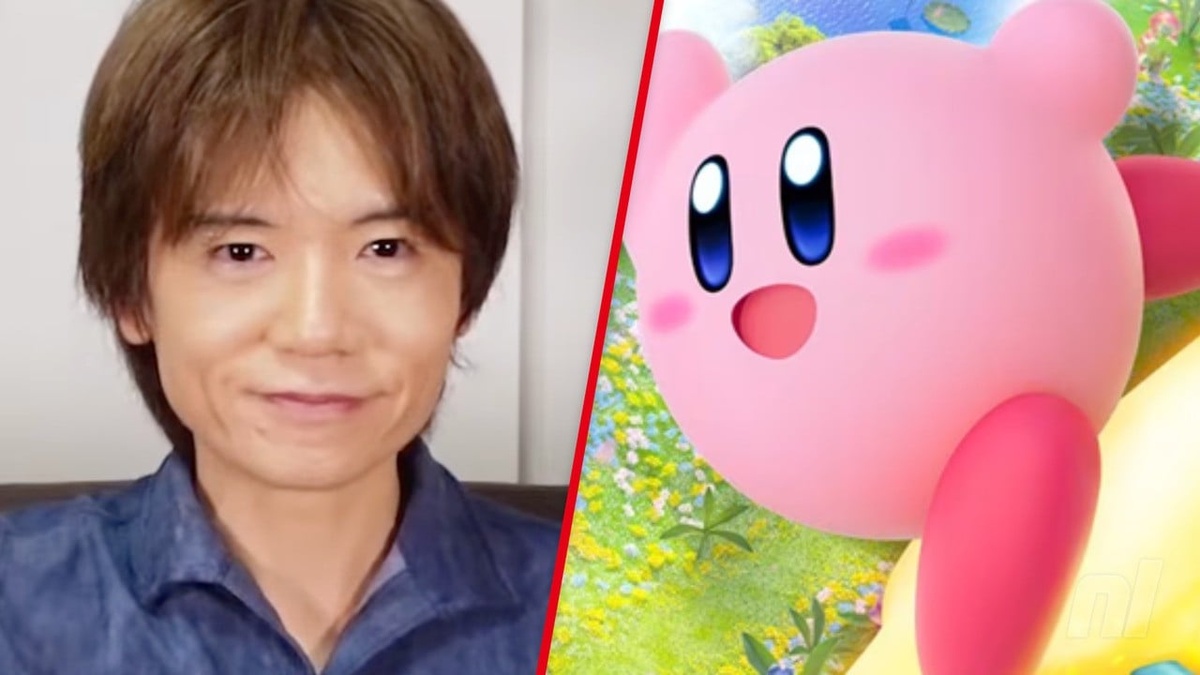
Gaming history moves rapidly, yet few milestones capture public interest like celebrating a project helmed by luminary Masahiro Sakurai. Reaching the official Kirby Air Riders Anniversary allows players worldwide to reflect on an exceptional year of vehicular combat on Nintendo Switch 2.
Concurrent with the historic twenty-fifth anniversary of Super Smash Bros. Melee, Sakurai took to social media to celebrate his latest software milestone. His candid reflections on career longevity, personal endurance, and future game development have sparked widespread discussion across the global video game industry.
Examining the evolutionary arc of Sakurai’s celebrated directorial career highlights how his production philosophy balances dense mechanical systems against accessible arcade controls. The comparative matrix below outlines key generational benchmarks spanning his most defining directorial achievements across multiple console hardware eras.
| Title & Year | Platform Architecture | Production Scope | Mechanical Innovation | Lifecycle Support | Commercial Impact |
|---|---|---|---|---|---|
| Super Smash Bros. Melee (2001) | GameCube (162MHz Gekko) | 13-Month Crunch Window | Directional Airdodges & L-Canceling | Factory Game Discs Only | 7.41M Units (Best-Selling) |
| Kirby Air Ride (2003) | GameCube (Flipper GPU) | Rapid Experimental Spinoff | Single-Button Action & City Trial | Offline LAN Compatibility | 1.62M Lifetime Units |
| Kid Icarus: Uprising (2012) | Nintendo 3DS (Dual-Screen) | Project Sora Studio Flagship | Hybrid Air/Ground Combat | AR Cards & Weapon Fusing | 1.37M Units Worldwide |
| Super Smash Bros. Ultimate (2018) | Nintendo Switch (Tegra X1) | Massive Multi-Year Production | Comprehensive Crossover Roster | Dual Fighters Passes & Spirit Events | 35M+ Units Worldwide |
| Kirby Air Riders (2025/2026) | Nintendo Switch 2 (Tegra T239) | Full-Throttle Directorial Vision | Dynamic City Arenas & 4K DLSS | Regular Balance Patches & Amiibo | Flagship Console System Seller |
Analyzing these landmark releases illustrates Sakurai’s relentless commitment to packing software with comprehensive content directly at launch. Understanding how Kirby Air Riders fits into this historic continuum clarifies why its first-year celebration carries immense symbolic weight for Nintendo enthusiasts.
Switch 2 Launch Legacy: First-Year Milestone Breakdown
When Nintendo launched its next-generation hybrid platform, players demanded experiences that leveraged upgraded hardware while preserving responsive gameplay. The Kirby Air Riders Anniversary confirms that Sakurai delivered an uncompromised masterclass in kinetic vehicular racing, establishing an essential benchmark for the system’s launch library.
Comprehensive coverage from gaming correspondents at Nintendo Life highlights that the Switch 2 exclusive has officially completed its inaugural calendar year. The software launched fully realized, avoiding contemporary industry pitfalls of fragmented content and predatory monetization.
Expanding the foundational genius of the GameCube cult classic, this modern sequel transformed City Trial into massive urban arenas. Players commemorate the Kirby Air Riders Anniversary by mastering diverse traversal mechanics, distinct machine archetypes, and chaotic multiplayer battle scenarios across dynamic environments.
Much like cutting-edge silicon driving personal computing hardware, as seen in our breakdown of the AMD Ryzen 7 9800X3D gaming processor, modern console engines demand impeccable optimization. Sakurai engineered Kirby Air Riders to maximize hardware throughput without sacrificing low-latency responsiveness.
The title demonstrated how customized mobile architecture can render breathtaking particle simulations and responsive physics models simultaneously. During this initial milestone, community engagement remains exceptionally robust, sustained by competitive time trials and chaotic local wireless multiplayer sessions.
Achieving universal acclaim during a major console transition is an extraordinary logistical feat for any creative director. The Kirby Air Riders Anniversary underscores Sakurai’s unmatched ability to translate complex design mechanics into immediately satisfying interactive gameplay loops.
Kirby Air Riders Anniversary Content: Amiibo and Engine Updates
Post-launch software stewardship has become a defining characteristic of contemporary gaming, yet Sakurai approaches post-launch balance with surgical precision. Celebrating the Kirby Air Riders Anniversary provides a timely opportunity to evaluate twelve continuous months of software refinement and physical collectible support.
Nintendo consistently supported the title with periodic performance updates, stabilizing network netcode and fine-tuning vehicle handling across diverse track layouts. Marking the inaugural milestone, developers deployed key quality-of-life adjustments that refined competitive leaderboard validation and resolved minor graphical hitches.
Complementing software enhancements, Nintendo recently distributed the final two interactive amiibo figures associated with the racing title. Enthusiasts observing the Kirby Air Riders Anniversary can scan these intricately sculpted physical figures to unlock bespoke vehicle liveries and rare audio tracks within the in-game sound test.
The integration of physical collectibles honors Sakurai’s career-long dedication to tactile toy culture and physical preservation. Community collectors celebrating this milestone regard these final amiibo releases as definitive historical artifacts commemorating this ambitious Switch 2 racing project.
Hardware enthusiasts who appreciate seamless workstation peripheral synergy, such as configurations benchmarked in our review of the Apple M4 Mac Mini redesign and M4 Pro specifications, recognize the value of polished hardware-software integration. Sakurai’s latest production exemplifies that same design discipline.
By delivering a feature-complete retail product that received deliberate, purposeful post-release support, the studio avoided exhausting development crunches. The Kirby Air Riders Anniversary represents a model production cycle that modern commercial game publishers would be wise to emulate.
Masahiro Sakurai Reflections: Demands, Capability, and Creative Spirit
Beyond acknowledging software milestones, Sakurai’s public statements resonated deeply due to their introspective vulnerability regarding creative longevity. The Kirby Air Riders Anniversary served as an introspective springboard for the auteur to contemplate his enduring legacy within an increasingly industrialized production landscape.
Sharing personal thoughts via translations documented by EventHubs, Sakurai noted how rapidly time elapsed, openly questioning how many video games he can still create. This poignant query framed the Kirby Air Riders Anniversary as far more than a routine victory lap.
Having poured comprehensive creative energy into the project, Sakurai acknowledged the profound physical and psychological toll accompanying auteur game direction. Observers discussing this creative milestone recognize that his remarks reflect genuine contemplation regarding the natural twilight of an illustrious career.
Earlier this month during the Famitsu 40th Anniversary Festival, the legendary director revisited personal editorial columns examining the mechanics of retirement. Discussing the Kirby Air Riders Anniversary context, Sakurai reiterated that continuing game production depends strictly on consumer demand and personal creative competence.
Crucially, Sakurai questioned the precise moment when a creator’s unyielding spirit might finally experience fatigue after decades of unrelenting output. Such profound candor distinguishes this reflective discourse, reminding players that behind celebrated digital masterpieces stand vulnerable human artists.
Despite these philosophical deliberations, insiders affirm that the veteran creator continues to channel immense enthusiasm into his craft. Recognizing his extraordinary work ethic enriches our appreciation of what the Kirby Air Riders Anniversary represents across modern gaming culture.
Super Smash Bros. Melee Legacy: Kirby Air Riders Anniversary Parallels
The temporal alignment of this milestone alongside the twenty-fifth anniversary of Super Smash Bros. Melee provides fascinating historical symmetry. Reflecting on the Kirby Air Riders Anniversary invites direct comparisons to the high-stakes production environments that defined Nintendo’s iconic sixth-generation GameCube era.
Melee was famously forged through an intense thirteen-month development schedule that pushed Sakurai to the absolute limits of physical endurance. By contrast, the modern production was conducted under mature production pipelines designed to safeguard team health and creative focus.
Both projects originated from Sakurai’s brilliant instinct for subversive multiplayer dynamics that challenge conventional genre orthodoxy. Examining the Kirby Air Riders Anniversary reveals identical design DNA to Melee, prioritizing kinetic movement freedom, tactile physics interactions, and endlessly replayable competitive scenarios.
Contrasting the technical architectures and directorial constraints governing Sakurai’s most celebrated projects underscores the rapid evolution of interactive software engineering. The technical specification matrix below compares hardware platforms, rendering pipelines, and input latency across his signature directorial works.
| Directorial Project | Host Silicon Architecture | Target Resolution & Refresh | Physics Processing Method | Storage & Delivery Media | Input Latency Benchmark |
|---|---|---|---|---|---|
| Super Smash Bros. Melee | IBM PowerPC Gekko (485 MFLOPS) | 480p Progressive (60 FPS) | Synchronous CPU Physics Polling | 1.5GB MiniDVD Optical Disc | Sub-3 Frame Native Polling |
| Kirby Air Ride | ATI Flipper GPU (162MHz) | 480i/480p Anamorphic (60 FPS) | Simplified Momentum Rigid Body | 1.5GB MiniDVD Optical Disc | Direct Controller Port Polling |
| Kid Icarus: Uprising | DMP PICA200 Dual-Core | 240p Autostereoscopic (60 FPS) | Proprietary Touch Screen Kinematics | 2GB Solid-State Cartridge | Analog Stylus Digitizer Polling |
| Super Smash Bros. Ultimate | NVIDIA Tegra X1 (Maxwell Core) | 1080p Docked / 720p Mobile (60 FPS) | Multi-Threaded Havok Middleware | 16GB High-Speed Flash ROM | Approximately 6 Frames Latency |
| Kirby Air Riders | Custom NVIDIA Tegra T239 (Ampere) | 4K DLSS Docked / 1080p Handheld | Neural Acceleration & Rigid Body | 64GB High-Density Game Card | Ultra-Low Latency Reflex Pipeline |
Evaluating these generational hardware leaps illustrates how modern graphics silicon liberates visionary game directors to realize expansive mechanical ambitions. Reviewing these engineering specifications deepens our technical understanding of the accomplishments celebrated across modern racing releases.
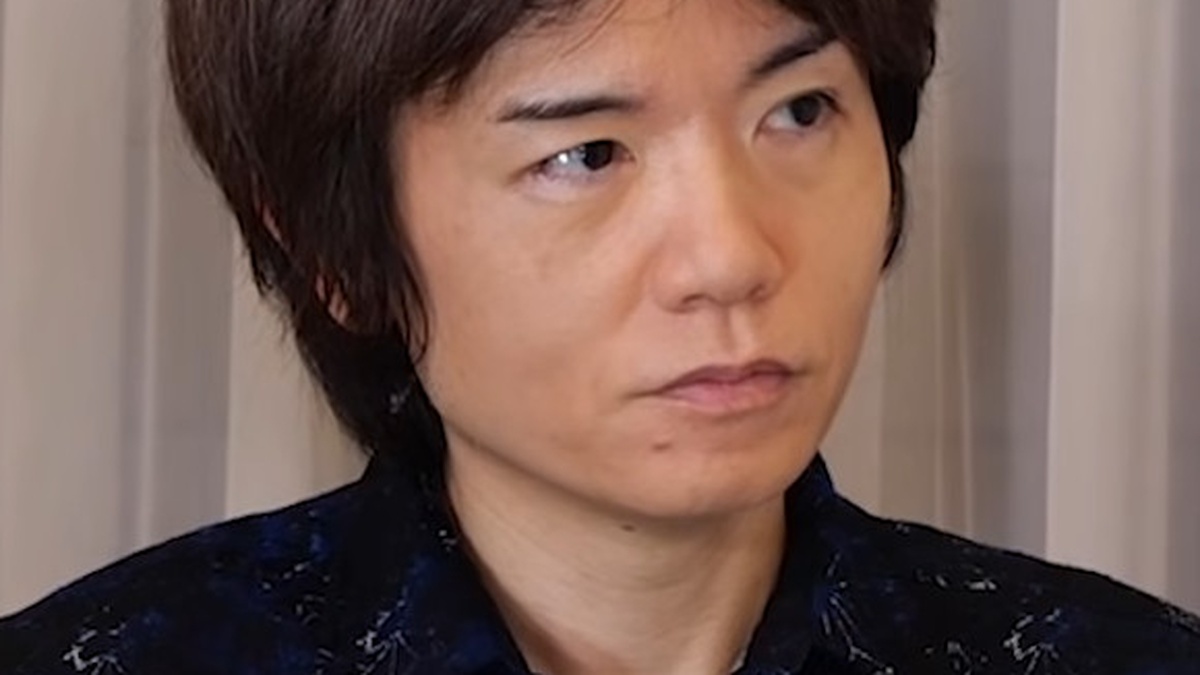
Platform stability and long-term driver support remain paramount considerations for contemporary digital ecosystems. Just as PC gamers navigate major operating system lifecycles, detailed in our analysis of NVIDIA ending Windows 10 support for PC gamers, console developers must master evolving platform software.
The Switch 2 platform provided Sakurai with customized NVIDIA Ampere silicon, unlocking hardware-accelerated deep learning super sampling and ultra-low input latency. Consequently, the Kirby Air Riders Anniversary celebrates a technological marvel that bridges classical arcade precision with state-of-the-art rendering techniques.
Reflecting on quarter-century milestones while celebrating current triumphs underscores Sakurai’s remarkable artistic consistency across distinct hardware epochs. This memorable celebration stands as undeniable proof that visionary game mechanics effortlessly transcend generational technological boundaries.
Full Throttle Development: Pondering Semi-Retirement and Next Projects
Rumors surrounding Sakurai’s potential retirement have circulated throughout gaming circles for over a decade, often fueled by his intense directorial commitments. Yet every prior hiatus ultimately culminated in another groundbreaking interactive achievement, establishing a compelling precedent as we observe the Kirby Air Riders Anniversary.
Following the exhausting completion of Super Smash Bros. Ultimate’s exhaustive DLC roadmap, Sakurai established an acclaimed YouTube video archive documenting game design fundamentals. Observers honoring this project recall how that educational interlude appeared to signal a gentle transition toward permanent industry semi-retirement.
However, that educational hiatus quietly transitioned into intense pre-production for this ambitious Switch 2 racing revival. The Kirby Air Riders Anniversary serves as tangible evidence that Sakurai’s intrinsic passion for interactive entertainment consistently overrides personal desires for leisurely domestic comfort.
Industry reports published by Japanese media outlets including Famitsu confirm that the sixty-four-year-old visionary currently operates at absolute full throttle. For enthusiasts celebrating this milestone, knowing that Sakurai remains actively engaged in software production brings immense reassurance and excitement.
Cloud infrastructure and distributed computing platforms continue to transform how interactive software reaches global audiences, as explored in our coverage of Xbox Cloud Gaming pay-as-you-go pricing bundles. Sakurai’s dedication to dedicated hardware optimization highlights an equally vital philosophy.
Whether directing another large-scale production or advising younger designers at Sora Ltd., his creative influence remains unparalleled. The Kirby Air Riders Anniversary proves that when Sakurai commits to a project, the resulting software achieves timeless excellence.
Future Industry Trajectory: What the Kirby Air Riders Anniversary Signals
Understanding the broader commercial implications of Sakurai’s latest release clarifies Nintendo’s overarching software strategy for its next-generation platform. The Kirby Air Riders Anniversary highlights how proprietary first-party exclusives drive sustained hardware adoption during the crucial initial months of a console generation.
By delivering an expansive multiplayer experience packed with rich offline and online modes, Nintendo solidified its platform value proposition. Community tournaments and content creator broadcasts surrounding this milestone demonstrate enduring organic enthusiasm that traditional marketing campaigns cannot manufacture artificially.
Furthermore, Sakurai’s reflections signal a broader cultural transition taking place across the Japanese game development fraternity. As senior auteurs contemplate succession planning and creative retirement, the Kirby Air Riders Anniversary underscores the urgent necessity of mentoring the next generation of creative leaders.
Sakurai’s educational YouTube initiative laid profound pedagogical groundwork, providing aspiring designers with unvarnished insights into mechanical balancing and user interface clarity. Celebrating this achievement reminds us that his enduring contributions encompass both playable software masterpieces and invaluable educational archives.
Speculation regarding his next assignment inevitably focuses on whether Nintendo will recruit him for another monumental Super Smash Bros. installment. As the Kirby Air Riders Anniversary dominates gaming discourse, fans recognize that any future project will demand immense creative autonomy and meticulous care.
Ultimately, the video game landscape is undeniably richer, more vibrant, and profoundly more creative thanks to Sakurai’s unyielding artistic perfectionism. The Kirby Air Riders Anniversary stands as a fitting celebration of a living legend whose career continues to shape the interactive entertainment medium.
Frequently Asked Questions
What milestone does the Kirby Air Riders Anniversary represent?
The Kirby Air Riders Anniversary commemorates the one-year milestone of the acclaimed vehicular combat game on Nintendo Switch 2. It celebrates twelve months of successful online multiplayer, gameplay updates, and the completion of its official amiibo collectible lineup.
Did Masahiro Sakurai announce his retirement during the anniversary?
Masahiro Sakurai did not announce immediate retirement during the milestone celebration. While he openly questioned how many games he can still produce, verified industry reports confirm that the legendary director is currently working at full throttle on unannounced game projects.
How does Kirby Air Riders compare to the original 2003 GameCube title?
Kirby Air Riders substantially expands the 2003 GameCube original by introducing massive City Trial environments, comprehensive online multiplayer, and ultra-high-definition visuals powered by custom NVIDIA Tegra silicon. It preserves intuitive single-button vehicle handling while adding deep competitive customization.
What post-launch updates were released for Kirby Air Riders on Switch 2?
Throughout its first year, Nintendo supported the title with competitive balance patches, online netcode optimizations, and quality-of-life interface improvements. The publisher also recently released the final two interactive amiibo figures, unlocking exclusive machine paint finishes and soundtrack selections.
Will Masahiro Sakurai direct the next Super Smash Bros. title?
Neither Nintendo nor Sakurai has officially confirmed directorial leadership for a future Super Smash Bros. project. While fans frequently petition for his return, Sakurai has emphasized that future commitments depend strictly on audience demand, creative capability, and personal stamina.
Final Editorial Verdict: The Enduring Legacy of a Game Design Mastermind
Marking the official Kirby Air Riders Anniversary offers gamers a profound opportunity to celebrate both a remarkable software accomplishment and a legendary creative career. Sakurai’s uncompromised directorial standards delivered an instant multiplayer classic that continues to captivate players worldwide on Nintendo Switch 2.
While his candid reflections on aging, creative endurance, and eventual retirement introduce bittersweet contemplation, his current work ethic remains inspirational. Operating at full throttle, Sakurai continues to set the gold standard for mechanical depth, user interface polish, and player-first interactive design.
As the gaming community commemorates this milestone alongside the historic legacy of Super Smash Bros. Melee, one fundamental truth remains clear. Whatever path Masahiro Sakurai chooses next, the Kirby Air Riders Anniversary cements his enduring status as one of interactive entertainment’s greatest visionaries.
