


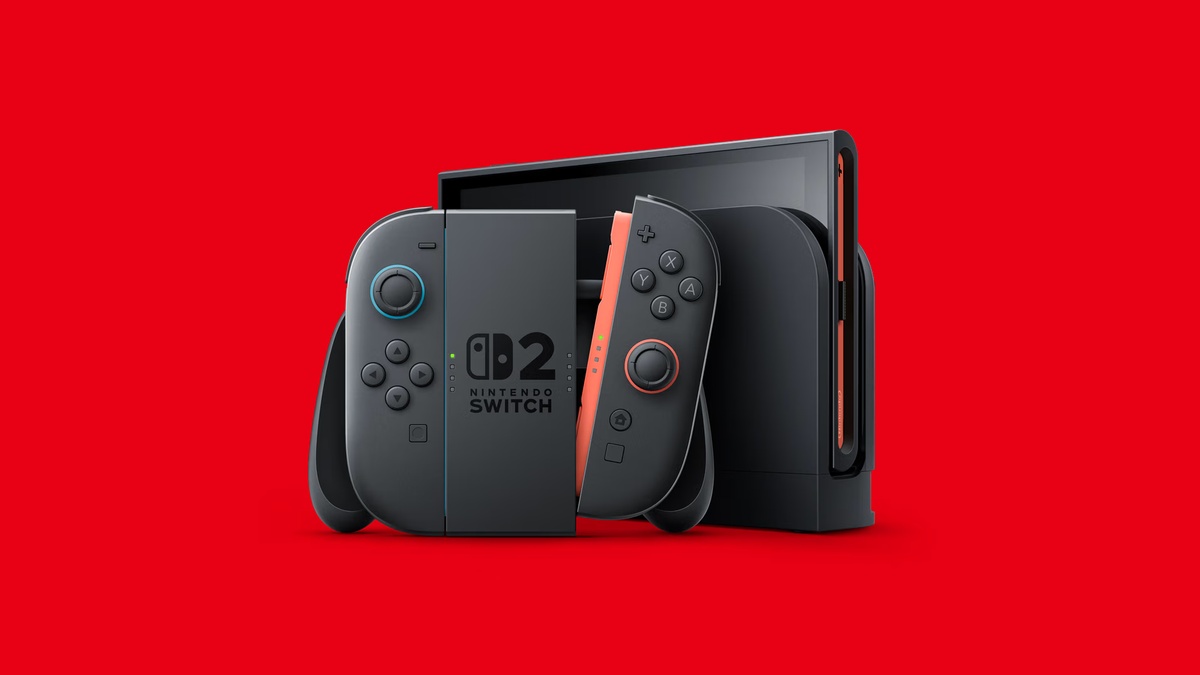
Nintendo president Shuntaro Furukawa has officially confirmed that the Japanese gaming giant is not considering another Nintendo Switch 2 price increase, reassuring prospective console buyers after widespread semiconductor inflation raised concerns across the global gaming industry.
According to corporate reporting corroborated by Insider Gaming, Nintendo has proactively secured sufficient memory inventory to freeze hardware costs, sheltering consumer hardware from aggressive component pricing surges driven by massive enterprise artificial intelligence infrastructure buildouts.
| Metric Dimension | Nintendo Switch 2 | Original Nintendo Switch | Industry Market Trend |
|---|---|---|---|
| Retail Price Trajectory | Frozen Following Initial 2026 Update | Maintained $299 MSRP for Multiple Years | Recurring price hikes across competitor hardware |
| Memory Architecture | Custom Unified LPDDR5X Subsystem | 4 GB LPDDR4 Memory Pool | Rapidly escalating DRAM spot prices due to AI |
| Global Sales Velocity | Over 26 Million Units Sold to Date | 15.05 Million Units in First 12 Months | Record pace for generational hybrid console adoption |
| Operating Income Impact | 16% Quarterly Contraction Absorbed | Progressive Margin Expansion Post-Launch | Tightening component spreads across hardware OEMs |
| Supply Procurement Strategy | Forward Long-Term Wafer Allocation | Standard Just-In-Time Component Sourcing | Severe competition against hyperscale AI datacenters |
| Flagship Software Driver | Zelda: Ocarina of Time Remake | Zelda: Breath of the Wild | Premium software sales subsidizing hardware margins |
Table of Contents
1. Component Supply Stabilization: Securing Memory Stockpiles Against AI Inflation
Over the past eighteen months, surging datacenter demand for high-bandwidth memory fueled industry speculation regarding the long-term Nintendo Switch 2 price as tech conglomerates prioritized artificial intelligence infrastructure over standard consumer silicon.
This enterprise squeeze forced competing hardware manufacturers to adjust retail costs, sparking widespread consumer anxiety that another Nintendo Switch 2 price adjustment would become inevitable before the upcoming global holiday shopping season.
However, extensive supply chain reporting published by Reuters reveals that Nintendo executed forward procurement contracts early, locking in adequate memory supplies to defend its current consumer hardware margins.
By establishing locked-in wafer allocations with major silicon fabricators, the company avoided bidding against server vendors, ensuring that the Nintendo Switch 2 price remains stable despite intense upstream supply pressures.
This proactive inventory buffering strategy mirrors how consumer electronics leaders stabilize bill of materials costs, similar to the precision silicon packaging explored in our Apple M4 Mac Mini redesign architectural review.
2. Hardware Sales Velocity: Surpassing 26 Million Units Sold Globally
Despite the initial retail adjustments implemented earlier this year, consumer enthusiasm for Nintendo’s hybrid ecosystem has remained exceptionally resilient across North America, Europe, and domestic Japanese retail markets.
Official fiscal disclosures confirm that the platform has already surpassed twenty-six million units sold worldwide, outpacing the original Nintendo Switch hardware trajectory over an identical post-launch calendar timeframe.
Maintaining an attractive Nintendo Switch 2 price point proved instrumental in driving this rapid adoption, convincing millions of existing handheld owners to upgrade without hesitating over premium generational cost hurdles.
Sustained retail velocity also reassures third-party publishing partners who need an expansive, active install base before committing multimillion-dollar development budgets to exclusive software ports.
With twenty-six million active systems deployed, holding the baseline Nintendo Switch 2 price steady maintains substantial retail momentum heading into the critical fourth quarter, solidifying its position as the preeminent hybrid gaming platform.
3. Operating Margins & Earnings: Navigating the 16% Profit Contraction
While hardware sales established new records, questions regarding the Nintendo Switch 2 price emerged after Nintendo disclosed a sixteen percent year-over-year decline in consolidated operating profit during its latest financial briefing.
Financial analysts attribute this profit compression to elevated component manufacturing costs alongside the natural transitional period between major blockbuster first-party software launches across quarterly reporting windows.
Rather than passing these transient production expenses directly to consumers through an unexpected Nintendo Switch 2 price increase, executive leadership chose to absorb tighter hardware margins.
This long-term ecosystem philosophy prioritizes lifetime software attachment and digital service monetization over short-term hardware unit profitability, echoing recurring revenue models analyzed in our Xbox Cloud Gaming pay-as-you-go pricing guide.
By keeping the entry barrier accessible, Nintendo ensures that expanding digital software revenue and Nintendo Switch Online subscription renewals reliably compensate for compressed hardware manufacturing spreads.
4. Generational Hardware Cost Matrix: Comparing BOM and Retail Value
To evaluate why Nintendo chose to hold retail pricing steady, hardware analysts must examine estimated bill of materials expenses across modern consumer gaming platforms.
Rising wafer fabrication rates and packaging complexity have driven console manufacturing costs higher, making the current Nintendo Switch 2 price an aggressive defensive maneuver against rival hardware.
The following generational hardware breakdown illustrates how component allocation, high-speed memory footprints, and retail positioning influence platform sustainability across the current console landscape.
| Hardware Platform | Launch MSRP | Current Retail Price | Estimated BOM Cost | Memory Cost Share | Pricing Outlook |
|---|---|---|---|---|---|
| Nintendo Switch 2 | $449.99 | $449.99 (Stabilized) | ~$395.00 | ~28% of Total BOM | Price frozen through holiday window |
| Nintendo Switch OLED | $349.99 | $349.99 (Unchanged) | ~$240.00 | ~14% of Total BOM | Mature production with stable margins |
| PlayStation 5 Slim | $499.99 | $549.99 (Adjusted) | ~$450.00 | ~22% of Total BOM | Regional price increases implemented |
| PlayStation 5 Pro | $699.99 | $699.99 (Premium) | ~$580.00 | ~25% of Total BOM | High-tier pricing absorbing inflation |
| Xbox Series X | $499.99 | $549.99 (Adjusted) | ~$460.00 | ~23% of Total BOM | Select market adjustments applied |
As evidenced in the matrix, memory components now represent a substantially larger percentage of total manufacturing expenditure than during previous console generations.
Just as PC system builders optimize component value when evaluating the AMD Ryzen 7 9800X3D gaming benchmarks, console shoppers weigh performance per dollar before committing to new ecosystem hardware.
By freezing the baseline Nintendo Switch 2 price, Nintendo maintains a compelling value proposition that prevents prospective buyers from defecting toward alternative handheld gaming PCs.
5. First-Party Software Pipeline: Anchoring Long-Term Ecosystem Value
Hardware pricing stability represents only half of the platform equation, as a compelling first-party software lineup ultimately drives console purchase decisions for mainstream players worldwide.
The recent critical triumph of The Legend of Zelda: Ocarina of Time remake demonstrates Nintendo’s ability to drive high-margin software sales that offset compressed hardware margins.
Industry observers note that steady hardware pricing reinforces consumer willingness to purchase premium sixty-to-seventy-dollar first-party cartridges throughout the extended console lifecycle.
Furthermore, as legacy platforms retire and technical standards evolve—as observed when NVIDIA ends Windows 10 support for PC gamers—dedicated console hardware benefits from long-term architectural optimization.
Upcoming first-party blockbusters scheduled throughout next year will further justify the existing Nintendo Switch 2 price for gamers seeking premier portable experiences.
Frequently Asked Questions
Is Nintendo planning another Nintendo Switch 2 price increase in 2026?
No, Nintendo president Shuntaro Furukawa confirmed that the company is not considering another Nintendo Switch 2 price increase, following long-term component procurement contracts that stabilized memory supply expenses.
Why have memory component costs risen so sharply across consumer gaming devices?
Exploding enterprise demand for generative artificial intelligence server hardware has consumed massive DRAM and NAND wafer capacity worldwide, creating intense supply shortages and driving component prices higher for electronics makers.
How many Nintendo Switch 2 units have been sold worldwide so far?
Nintendo officially revealed that the console has surpassed twenty-six million units sold globally, outpacing the commercial sales velocity of the original Nintendo Switch across the same post-launch timeframe.
Why did Nintendo’s operating profit decline by 16 percent despite strong hardware sales?
Operating profit contracted primarily due to higher component manufacturing costs and a lighter release schedule between tentpole first-party software launches, which temporarily reduced high-margin software revenues.
How does the current Nintendo Switch 2 price compare to competing home consoles?
The current Nintendo Switch 2 price remains significantly lower than competing flagship home consoles, offering hybrid portable functionality and backward-compatible gaming libraries at a highly competitive mainstream price point.
Final Verdict: Why Price Stability Solidifies the Switch 2 Strategy
Nintendo’s decisive commitment to hold the line on the Nintendo Switch 2 price signals crucial strategic confidence during a turbulent period for consumer electronics manufacturing.
By securing extensive memory reserves and absorbing temporary margin compression, the company protects its twenty-six million players while sustaining remarkable hardware sales momentum into the holidays.
For gamers evaluating their next hardware investment, the stabilized Nintendo Switch 2 price guarantees exceptional long-term value, supported by stellar software like the Ocarina of Time remake.
