


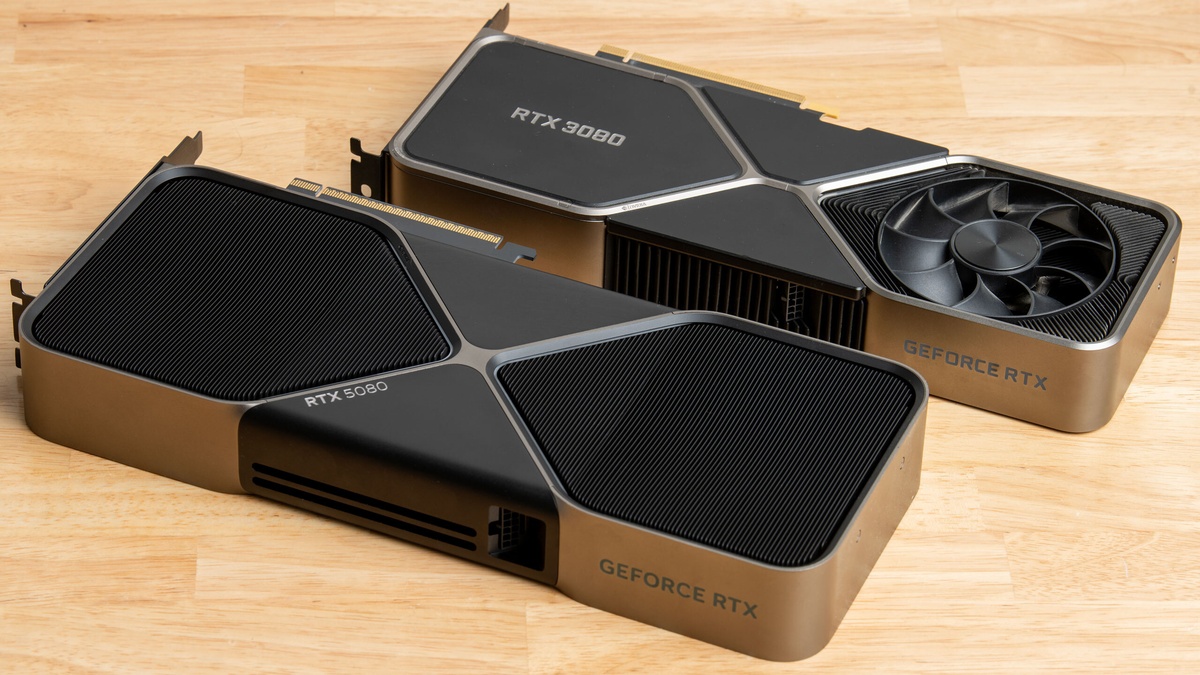
The enthusiast graphics card market has suffered an extraordinary pricing shock as retail listings for Blackwell hardware surge to unprecedented heights. PC gamers monitoring current Nvidia RTX 5080 Prices are now confronting retail price tags exceeding the two-thousand-dollar threshold.
According to comprehensive market tracking compiled by Tom’s Hardware, second-tier Blackwell cards now command more money than the flagship RTX 5090 demanded at debut. Enthusiasts seeking upgraded rasterization performance face severe stock depletion across authorized channels.
Nvidia RTX 5080 Specifications: Generational Architecture and Pricing Faceoff
| Hardware Specification | GeForce RTX 5080 | GeForce RTX 5090 | GeForce RTX 4080 Super | GeForce RTX 4090 |
|---|---|---|---|---|
| GPU Silicon Die | GB203-400 (TSMC 4NP) | GB202-300 (TSMC 4NP) | AD103-400 (TSMC 4N) | AD102-300 (TSMC 4N) |
| CUDA Core Count | 10,752 Cores | 21,760 Cores | 10,240 Cores | 16,384 Cores |
| VRAM Memory Config | 16GB GDDR7 (256-bit) | 32GB GDDR7 (512-bit) | 16GB GDDR6X (256-bit) | 24GB GDDR6X (384-bit) |
| Memory Bandwidth | 1,024 GB/s | 1,792 GB/s | 736 GB/s | 1,008 GB/s |
| Official Launch MSRP | $999 USD | $1,999 USD | $999 USD | $1,599 USD |
| Current Street Valuation | $1,999 – $2,983 USD | $9,500 – $12,000 USD | $1,150 – $1,350 USD | $2,200 – $2,600 USD |
This architectural faceoff highlights how Blackwell scales silicon across high-tier desktop systems. Discerning builders analyzing current Nvidia RTX 5080 Prices must evaluate whether paying double the initial nine-hundred-ninety-nine-dollar baseline delivers acceptable cost-per-frame metrics against existing flagship hardware.
Table of Contents
1. Retail Price Inflation: Breaching the Launch Price of the Flagship RTX 5090
When Nvidia officially unveiled its Blackwell enthusiast lineup, the RTX 5080 carried a promising nine-hundred-ninety-nine-dollar launch price. Today, spiraling Nvidia RTX 5080 Prices have obliterated that baseline expectation, pushing street valuations into territory previously reserved exclusively for halo-tier graphics accelerators.
Retail storefronts now list baseline partner models at double their intended retail cost. Tracking these astronomical Nvidia RTX 5080 Prices reveals that buying a second-tier graphics card today requires more capital than securing an RTX 5090 during its initial product release window.
Historical pricing records indicate that custom cooling editions previously changed hands for roughly fifteen hundred dollars during August. However, unrelenting demand paired with anemic distribution logistics triggered this autumn surge in Nvidia RTX 5080 Prices, driving entry-level partner cards toward the two-thousand-dollar mark.
Meanwhile, the halo-tier RTX 5090 has completely detached from consumer reality, escalating past nine thousand dollars on secondary marketplaces. Enthusiasts priced out of halo silicon naturally pivoted downward, inadvertently accelerating the climb of mid-tier Nvidia RTX 5080 Prices.
This upward pricing spiral echoes historical semiconductor shortages, where enthusiast hardware became speculative commodities rather than functional PC gaming components. Gamers must carefully calculate their upgrade timelines as retail markup fundamentally reshapes the enthusiast landscape.
Industry analysts at AnandTech emphasize that retail price floors rarely stabilize while distribution channels remain constrained. Prospective PC builders must assess whether current street valuations represent an artificial temporary spike or a prolonged market baseline.
2. Retailer Stock Breakdown: Where Available Inventory Sits Across Major Outlets
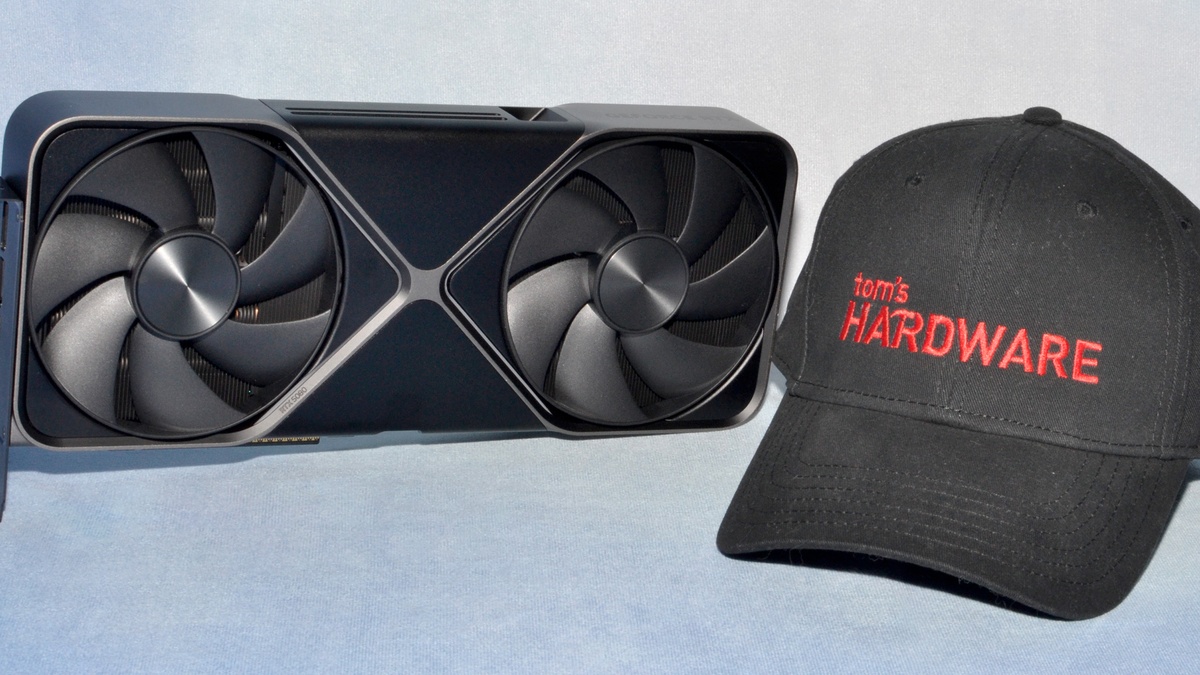
Locating physical or online stock has evolved into an exhaustive scavenger hunt for hardware enthusiasts. Navigating volatile Nvidia RTX 5080 Prices requires monitoring fragmented distribution channels where inventory vanishingly flickers across regional brick-and-mortar storefronts.
At Best Buy, the cheapest verified in-stock unit reflecting these surging Nvidia RTX 5080 Prices recently surfaced as a PNY model priced at one thousand nine hundred ninety-nine dollars. Most physical retail branches report strictly one or two units available for in-store checkout.
Online giant Newegg presents similarly steep financial barriers, offering the Asus ROG Astral edition starting at two thousand two hundred ninety-nine dollars. Third-party marketplace sellers dominate product listings, inflating Nvidia RTX 5080 Prices well past original manufacturer guidelines.
Niche component retailer MemoryC shocked hardware communities by listing Gigabyte partner cards at an astounding two thousand nine hundred eighty-three dollars. Such extreme price tags reflect aggressive scalper strategies that capitalize on desperate builders needing immediate delivery.
Micro Center continues to provide modest relief through strict in-store reservation policies designed to combat automated purchasing bots. Even there, surviving inventory for Gigabyte cards carries a steep price floor hovering around one thousand nine hundred seventy-nine dollars.
Unvetted third-party sellers on digital storefronts like Amazon list units around two thousand two hundred dollars with inconsistent customer satisfaction ratings. Navigating inflated Nvidia RTX 5080 Prices demands rigorous vendor scrutiny to avoid counterfeit listings or disputed warranties.
3. Architectural Silicon Profile: GB203 Blackwell Die and GDDR7 Memory Specs
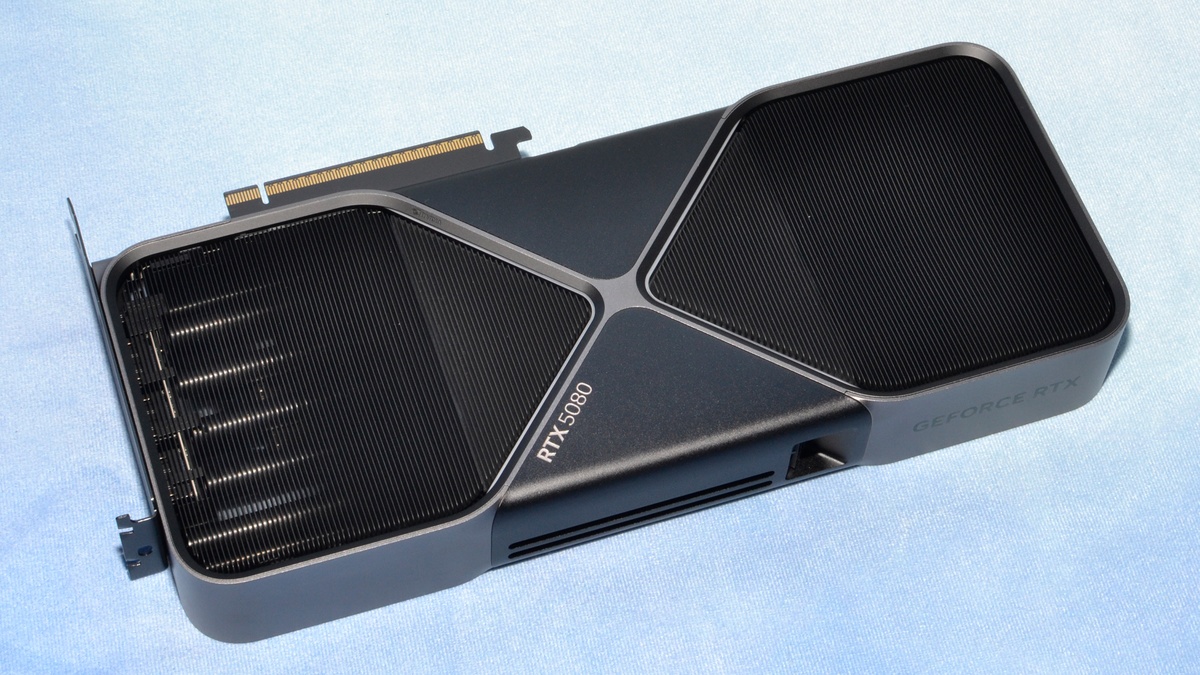
Behind the turbulent commercial landscape sits an undeniably sophisticated piece of cutting-edge semiconductor engineering. Powering cards linked with high Nvidia RTX 5080 Prices is the GB203 graphics processor, manufactured using TSMC’s customized four-nanometer process node.
The silicon die integrates ten thousand seven hundred fifty-two CUDA cores, delivering substantial compute density over Ada Lovelace predecessors. Dedicated tensor cores accelerate modern neural rendering frameworks, providing robust execution for generative frame reconstruction pipelines.
A defining engineering leap arrives via sixteen gigabytes of next-generation GDDR7 video memory operating across a two-hundred-fifty-six-bit interface. This high-frequency memory bus delivers over one terabyte per second of bandwidth, feeding bandwidth-hungry four-kilopixel ray-tracing pipelines with exceptional throughput.
Balancing high-frequency compute against memory latency remains paramount across modern personal computing architectures. Just as the compact unified memory of the Apple M4 Mac mini redesign showcased efficient bandwidth scaling, the GB203 maximizes localized cache to minimize external memory roundtrips.
Desktop gamers pairing Blackwell silicon with flagship processing platforms often look to the AMD Ryzen 7 9800X3D revealed benchmarks to eliminate CPU bottlenecks. Unleashing full GPU potential requires complementary host architecture capable of sustaining extreme render queues.
Despite these impressive architectural capabilities, consumer enthusiasm remains tempered by hardware economics. When evaluating elevated Nvidia RTX 5080 Prices, enthusiasts recognize that generational performance gains of ten to fifteen percent struggle to justify a hundred percent price premium.
4. AI Enterprise Pressure: How High-Bandwidth Memory Demands Choke Consumer GPUs
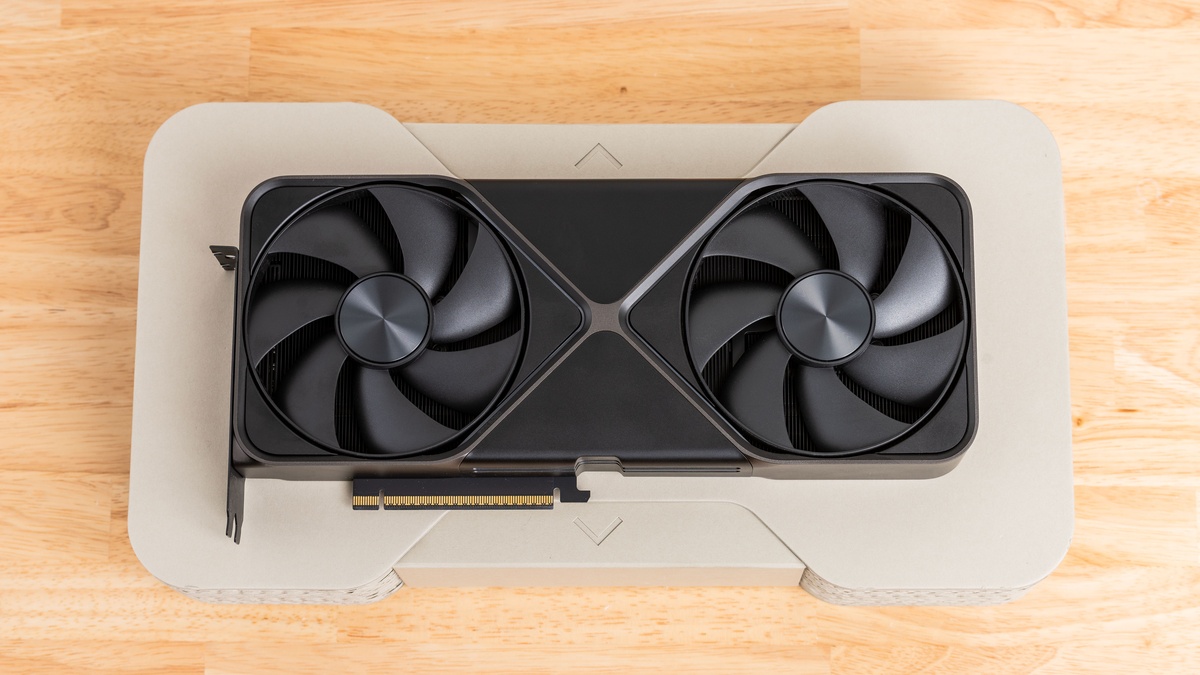
Understanding the fundamental root cause of this supply crisis requires examining broader semiconductor industry economics. Escalating Nvidia RTX 5080 Prices are not merely the result of consumer demand, but rather a direct consequence of enterprise artificial intelligence expansion.
Enterprise tech giants are pouring billions into hyperscale data center infrastructure, indirectly fueling volatile Nvidia RTX 5080 Prices. Chipmakers prioritize high-margin enterprise processors over client gaming silicon, leaving consumer graphics lines operating with severely constrained production allocations.
Simultaneously, leading DRAM manufacturers have reallocated substantial packaging lines toward fabricating high-bandwidth memory for enterprise accelerators. Diverting silicon capacity from consumer GDDR7 chips toward enterprise HBM3e modules directly starves board partners, amplifying ongoing Nvidia RTX 5080 Prices.
Operating systems and graphics runtimes must also evolve alongside modern hardware infrastructure. With news that NVIDIA ends Windows 10 support, workstation users and gamers alike must transition to modern platforms that support advanced WDDM scheduling models.
As physical hardware becomes increasingly cost-prohibitive, many gamers are exploring flexible alternatives like Xbox Cloud Gaming pay-as-you-go bundles. Streaming high-fidelity titles bypasses exorbitant local graphics card expenses while cloud providers shoulder backend hardware infrastructure costs.
Until enterprise memory demand stabilizes, consumer hardware availability will likely remain constrained across global retail channels. Prospective buyers tracking Nvidia RTX 5080 Prices must prepare for elevated market rates extending well into future production quarters.
Evaluating physical retailer listings reveals how third-party markup impacts consumer wallets across authorized channels. The comprehensive pricing matrix below summarizes current inventory availability and street valuations for prospective buyers tracking Nvidia RTX 5080 Prices.
Major Retailer Inventory and Current RTX 5080 Street Pricing Matrix
| Retail Channel | Board Partner Model | Current Street Price | Inventory Status | Fulfillment Details |
|---|---|---|---|---|
| Best Buy Outlets | PNY GeForce RTX 5080 XLR8 | $1,999.00 USD | Severely Constrained | In-Store Pickup Only |
| Newegg Commerce | ASUS ROG Astral OC Edition | $2,299.99 USD | Third-Party Seller | Marketplace Shipping |
| MemoryC Direct | Gigabyte GeForce RTX 5080 Gaming | $2,983.23 USD | Low Stock Reported | Special Import Delivery |
| Micro Center | Gigabyte GeForce RTX 5080 Windforce | $1,979.99 USD | Selected Branches | Store Reservation Only |
| Amazon Marketplace | PNY GeForce RTX 5080 Verto OC | $2,211.17 USD | Third-Party Reseller | Standard Marketplace Freight |
Examining this retail inventory landscape demonstrates how independent third-party merchants dictate current street valuations. Hardware enthusiasts should cross-reference regional stock before committing substantial capital to inflated marketplace listings.
5. Generational Value Analysis: Weighing Street Markup Against Prior-Gen Alternatives
The economic equation facing PC builders has shifted drastically following these pricing revelations. Assessing contemporary Nvidia RTX 5080 Prices requires contrasting real-world performance metrics against previous-generation flagships and currently available alternatives.
At two thousand dollars, current Nvidia RTX 5080 Prices collide directly against secondary market valuations for the previous-generation RTX 4090. That older flagship provides twenty-four gigabytes of VRAM and wider memory buses, presenting compelling advantages for intensive workstation workloads.
Meanwhile, the RTX 4080 Super maintains steady secondary pricing between one thousand one hundred and one thousand three hundred dollars. Paying double that expenditure for a modest ten to fifteen percent rasterization uplift represents questionable consumer value for standard gaming.
Enthusiasts prioritizing ray tracing and DLSS frame generation must weigh whether software enhancements justify immense upfront cash outlays. Volatile Nvidia RTX 5080 Prices make justifying pure gaming purchases extraordinarily difficult for all but the most affluent enthusiasts.
System integrators and boutique builders also report difficulty securing wholesale allocations without passing immense surcharges onto complete prebuilt systems. As a result, complete desktop gaming rigs featuring Blackwell silicon have experienced proportional thousand-dollar price escalations.
Waiting for manufacturing yields to mature and post-launch frenzy to subside remains the most pragmatic advice for pragmatic builders. Monitoring historical trends suggests that patience often rewards gamers with stabilized inventory and more rational retail pricing structures.
Final Verdict: Navigating the Nvidia RTX 5080 Pricing Crisis
The current state of the consumer graphics card market presents an unprecedented dilemma for enthusiast PC builders. Watching Nvidia RTX 5080 Prices breach the two-thousand-dollar threshold highlights how enterprise priorities continue to dictate client hardware availability and affordability.
While the GB203 silicon and GDDR7 memory architecture deliver undeniable engineering prowess, pricing distortions overshadow these technical triumphs. Paying halo-tier pricing for second-tier silicon distorts traditional generational value metrics, making immediate acquisition difficult to recommend for mainstream enthusiasts.
Unless your professional creative workflow demands immediate access to Blackwell compute features, exercising purchasing patience remains the smartest strategy. Tracking evolving Nvidia RTX 5080 Prices over coming months will reveal whether supply stabilizes or high retail markups endure.
