


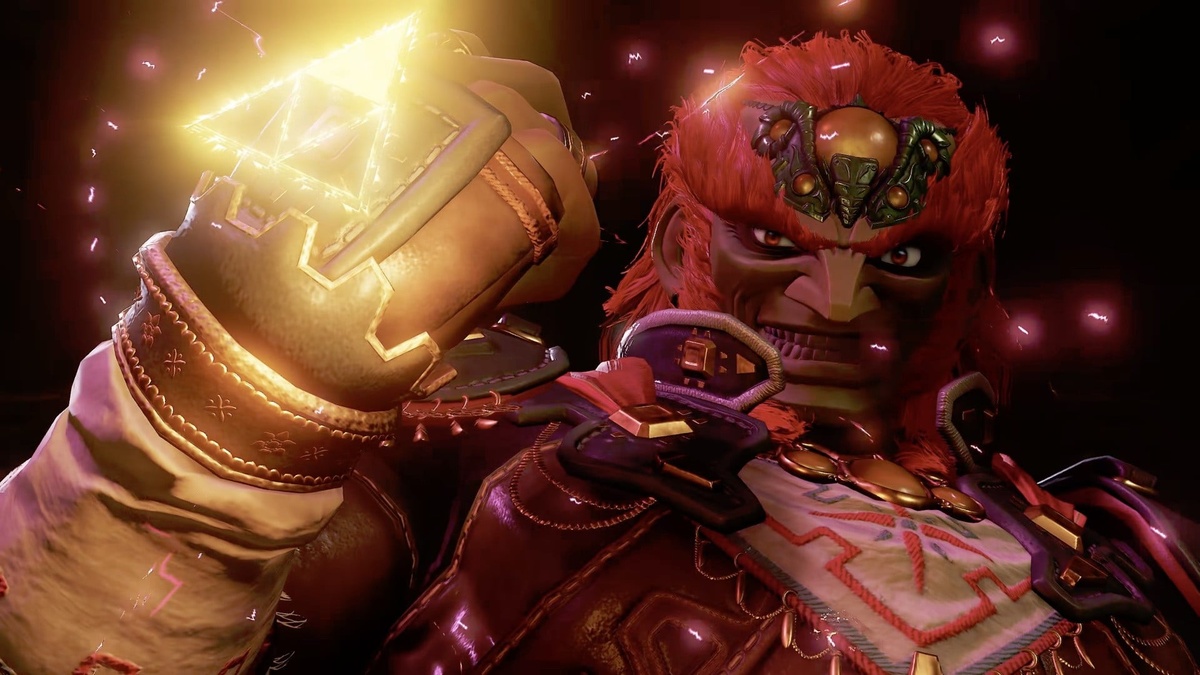
The arrival of the Zelda Ocarina of Time Remake on Nintendo Switch 2 marks an extraordinary milestone for interactive entertainment, rebuilding gaming’s most celebrated masterpiece with cutting-edge visual fidelity, fluid performance, and comprehensive quality-of-life enhancements.
According to comprehensive coverage from Nintendo Life, the reimagined classic has earned a stellar ninety-six Metascore, prompting global community polls to evaluate how this modernization stacks up against its legendary legacy.
| Technical Specification | Nintendo 64 Original (1998) | Nintendo 3DS Remaster (2011) | Switch 2 Remake (2026) |
|---|---|---|---|
| Target Display Resolution | 240p Native Analog (320×240) | 240p Autostereoscopic 3D (400×240) | 1080p Handheld / 4K Docked (DLSS) |
| Target Frame Rate | 20 FPS Fixed NTSC Lock | 30 FPS Stable Refresh | 60 FPS Uncapped Fluid Output |
| Lighting & Shadow Engine | Static Vertex Color Shading | Enhanced Pre-Baked Textures | Dynamic Global Illumination & RT |
| Acoustic Architecture | 32kHz Compressed MIDI Sequencer | Enhanced Hardware MIDI Samples | Uncompressed Live Spatial Orchestration |
| Camera & Targeting System | Rigid Z-Targeting Fixed Follow | Gyro Assisted Touchscreen Targeting | Full 360-Degree Free Orbit Camera |
| Critical Review Metascore | 99 Historical Metacritic Score | 94 Metacritic Critical Average | 96 Critic Consensus (Day-One Launch) |
Table of Contents
1. Next-Gen Rendering Architecture: Dynamic Global Illumination Across Hyrule
At the heart of the Zelda Ocarina of Time Remake lies a completely reconstructed rendering engine engineered specifically to harness the custom Nvidia architecture powering the Nintendo Switch 2 hardware.
Hyrule Field now features full real-time global illumination, dynamic volumetric atmospheric fog, and physically based rendering that breathe vibrant physical life into classic environments from Kokiri Forest to Death Mountain.
Unlike the rigid vertex lighting of the original 1998 release, sunlight now cascades dynamically through dense foliage in the Lost Woods, casting realistic soft contact shadows across Link and surrounding environmental geometry.
This generational lighting advancement reflects the architectural leaps documented in our analysis of AMD Ryzen 7 9800X3D gaming CPU specs, proving how modern silicon elevates complex scene geometry and computational workload pipelines.
By pairing advanced shader pipelines with modernized high-resolution texture maps, the Zelda Ocarina of Time Remake achieves stunning visual cohesion without sacrificing the timeless artistic identity established by the original artistic directors.
2. Modernized Control Pipeline: Fluid Free-Camera Motion and Responsive Lock-On
Navigating the sprawling kingdom in the Zelda Ocarina of Time Remake delivers unprecedented fluidity thanks to an overhauled camera system that replaces rigid legacy angles with complete full-orbit right-analog control.
While the revolutionary Z-targeting lock-on mechanic remains fully intact for seasoned purists, player movement now benefits from modern twin-stick steering, dynamic motion tracking, and optional gyro-assisted precision aiming for projectile weaponry.
Switching between your Fairy Bow, Slingshot, and Hookshot feels seamless, eliminating the cumbersome pause-menu equipment toggling that frequently disrupted dungeon pacing and boss battle rhythms on vintage hardware architectures.
This input responsiveness mirrors low-latency delivery paradigms explored in our review of Xbox Cloud Gaming pay-as-you-go pricing bundles, prioritizing immediate tactile feedback across every combat scenario.
Through responsive analog actuation and refined animation transitions, the Zelda Ocarina of Time Remake preserves historic combat mechanics while delivering the ergonomic precision demanded by contemporary action-adventure enthusiasts.
3. Spatial Audio Re-Engineering: Full Orchestral Realism and Environmental Reverb
A major technical highlight of the Zelda Ocarina of Time Remake is its comprehensive acoustic overhaul, replacing primitive MIDI sample playback with pristine live orchestral recordings performed by world-class symphonic musicians.
Legendary composer Koji Kondo’s timeless musical score has been meticulously reimagined, dynamically transitioning between tranquil acoustic arrangements in peaceful villages and thunderous orchestral brass during high-stakes dungeon encounters.
Beyond the musical score, sound designers incorporated sophisticated real-time spatial acoustics, allowing water droplets inside the Water Temple and subterranean cave echoes to calculate true environmental acoustic reverberation based on geometry.
Much like platform transitions evaluated in our report on Nvidia ends Windows 10 support for PC gamers, legacy audio middleware was systematically replaced to leverage modern hardware decoders and multichannel surround mixing.
Whether experienced through premium headphones or multichannel living room audio setups, the Zelda Ocarina of Time Remake establishes a new benchmark for auditory immersion across Nintendo’s flagship software catalog.
4. Benchmarks and Specifications: Generational Hardware and Visual Faceoff
Analyzing benchmark metrics demonstrates the dramatic engineering gulf separating the Zelda Ocarina of Time Remake from its vintage predecessors on Nintendo 64 and Nintendo 3DS platforms.
According to critical testing from Metacritic and technical analysts, docked performance holds an unwavering sixty frames per second at reconstructed 4K resolution using Nvidia Deep Learning Super Sampling.
In portable handheld mode, the software renders natively at crisp 1080p resolution on the new OLED display, maintaining rock-solid frame pacing even during demanding particle-heavy magical attacks.
This silicon efficiency reflects design breakthroughs showcased in our breakdown of Apple M4 Mac mini redesign specs, where advanced microarchitectures achieve unprecedented throughput within constrained thermal envelopes.
The comparative matrix below details how the Zelda Ocarina of Time Remake outperforms previous hardware generations across resolution targets, frame rates, memory footprints, and core rendering technologies.
| Platform Performance Metric | Handheld Mode (Switch 2) | Docked Mode (Switch 2) | Nintendo 64 Original Baseline |
|---|---|---|---|
| Internal Rendering Resolution | 1080p Native Display | Reconstructed 4K via DLSS | 320×240 Analog Output |
| Target Frame Rate & Stability | Locked 60 FPS | Locked 60 FPS | 20 FPS Variable DIP |
| Ambient Occlusion & Shadows | Ray-Traced Ambient Occlusion | Full Dynamic Ray-Tracing | Baked Vertex Geometry Only |
| Game Installation Footprint | 28.4GB High-Speed Storage | 28.4GB High-Speed Storage | 32 Megabyte ROM Cartridge |
| Retail & Digital Pricing | $59.99 eShop / $69.99 Physical | $59.99 eShop / $69.99 Physical | $59.99 Cartridge MSRP (1998) |
5. Pricing Analysis and Value Verdict: Assessing the Sixty-Nine Dollar Tag
Evaluating the commercial launch of the Zelda Ocarina of Time Remake requires balancing its premium retail pricing structure against the sheer volume of engineering craft invested in Hyrule’s recreation.
Nintendo has positioned the physical game cartridge at sixty-nine dollars and ninety-nine cents, while offering the digital eShop edition at a slightly reduced fifty-nine dollars and ninety-nine cents.
While budget-conscious consumers may scrutinize the premium physical cartridge price point, the package includes the fully restored Master Quest campaign, boss rush gauntlets, and extensive archival developer commentary.
Physical collectors also receive a reversible display sleeve and a physical map brochure, rewarding enthusiasts who prefer keeping tangible media in their permanent console libraries.
Ultimately, the Zelda Ocarina of Time Remake justifies its flagship pricing by providing a definitive, uncompromising masterwork that honors gaming heritage while establishing benchmark technical standards for the Switch 2 generation.
Frequently Asked Questions
What platforms support the Zelda Ocarina of Time Remake?
The Zelda Ocarina of Time Remake is exclusively available on Nintendo Switch 2, supporting both docked television play at 4K resolution via DLSS and portable 1080p OLED handheld gameplay.
What is the current review score and Metacritic rating?
The Zelda Ocarina of Time Remake currently holds a critical Metascore of ninety-six on Metacritic, making it the most critically acclaimed video game release of the year.
Does the remake include the Master Quest dungeons?
Yes, the Zelda Ocarina of Time Remake includes the complete Master Quest dungeon campaign, offering rearranged puzzles, mirror-world layouts, and escalated combat challenges for veteran adventurers.
How does the new camera system improve gameplay?
The Zelda Ocarina of Time Remake introduces full 360-degree right-analog camera control, gyro-assisted ranged weapon aiming, and refined targeting mechanics to modernize classic third-person navigation.
What is the difference between physical and digital pricing?
For the Zelda Ocarina of Time Remake, Nintendo offers the digital eShop download for $59.99, while the physical boxed game cartridge retails for $69.99 across major storefronts.
Final Verdict: The Definitive Way to Experience Hyrule
The Zelda Ocarina of Time Remake stands as a triumphant achievement in video game preservation, proving that classic interactive masterpieces can be thoroughly modernized without eroding their foundational soul.
From its breathtaking global illumination lighting models to its sweeping live orchestral soundtrack, every technical facet has been refined to showcase the full computational capabilities of Nintendo’s latest hardware.
Whether you are embarking on Link’s legendary quest for the first time or returning after decades, the Zelda Ocarina of Time Remake delivers an unforgettable, benchmark-setting adventure.
