


Apple is preparing to redefine its professional portable computing lineup with groundbreaking mechanical engineering. Ahead of today’s media event in Los Angeles, leaks confirm that the upcoming Touchscreen MacBook Pro Hinge incorporates breakthrough technology shared with the next-generation iPhone Duo 2.
Hardware enthusiasts have long debated whether touch-enabled laptops can deliver rock-solid display stability. Traditional clamshell lids often exhibit distracting screen wobble during finger taps, a fatal usability flaw that the Touchscreen MacBook Pro Hinge directly eliminates through advanced high-torque friction dampers.
According to breaking supply chain intelligence published by MacRumors, prominent Weibo insider Fixed Focus Digital revealed that the redesigned laptop shares critical structural engineering with upcoming foldable mobile flagships.
This reporting closely mirrors insights from Bloomberg analyst Mark Gurman, who confirmed that Apple engineered an anti-wobble mechanism specifically for direct touch input. The architecture concurrently introduces specialized passive cooling channels routed directly through the rear enclosure.
The engineering synergy between foldable smartphones and premium notebooks highlights Apple’s cross-platform hardware convergence. As seen with the compact thermal layout of the Apple M4 Mac mini redesign, miniaturized thermal packaging unlocks dramatic performance gains in demanding professional workloads.
Simultaneously, desktop enthusiasts monitoring extreme cache silicon in the AMD Ryzen 7 9800X3D revealed benchmarks recognize that premium physical engineering forms the essential backbone for next-generation computing speeds and sustained operational stability.
Furthermore, as modern computing transitions away from legacy software architectures while NVIDIA ends Windows 10 support, workstation creators increasingly require modern hardware solutions capable of blending precise tactile manipulation with workstation computing reliability.
These hardware innovations also arrive as expanding remote cloud platforms like Xbox Cloud Gaming pay-as-you-go bundles demonstrate the growing necessity for highly responsive, low-latency client displays engineered for multi-touch creative and interactive workflows.
Here is our complete architectural deep-dive into the Touchscreen MacBook Pro Hinge, exploring its friction-damping physics, iPhone Duo 2 structural lineage, integrated tandem OLED panels, passive thermal channeling, and flagship pricing expectations.
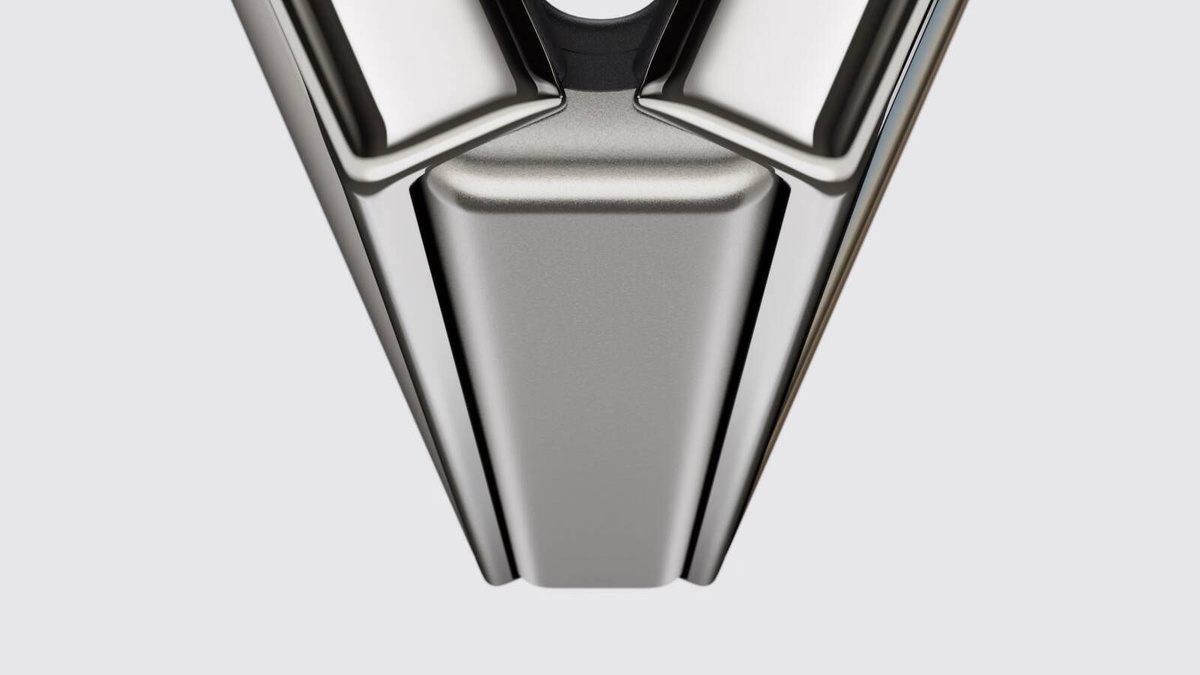
Table of Contents
1. Anti-Wobble Mechanical Hinge: High-Torque Damping Eliminates Display Shake
For over a decade, macOS hardware designers resisted touchscreens because typical laptop hinges bounce unacceptably under fingertip pressure. The revolutionary Touchscreen MacBook Pro Hinge solves this fundamental mechanical issue by integrating dual-stage variable friction damping gears into the titanium-reinforced enclosure.
When opening the laptop lid, the mechanism provides smooth, effortless one-finger articulation across standard viewing angles. Once positioned, internal micro-clutches engage increased resistance, ensuring the Touchscreen MacBook Pro Hinge withstands forceful stylus gestures and multi-touch interactions without budging.
Materials engineers utilized aerospace-grade titanium alloy sintered components to maximize torsional rigidity while preserving a featherweight chassis profile. Technical analysis from AnandTech confirms that titanium alloys provide superior fatigue resistance during repetitive high-stress cycles.
By completely eliminating screen bounce during dynamic macOS window dragging and digital canvas sketching, Apple transforms touch computing into a seamless extension of the trackpad. This redesigned portable laptop hinge guarantees uncompromising tactile precision for video editors and digital artists.
This mechanical leap transforms macOS into an intuitive hybrid workstation. Creators can alternate fluidly between keyboard shortcuts and direct display manipulation, confident that display stability remains comparable to a rigid standalone drawing tablet.
2. iPhone Duo 2 Synergy: How Foldable Engineering Redesigned the Laptop Spine
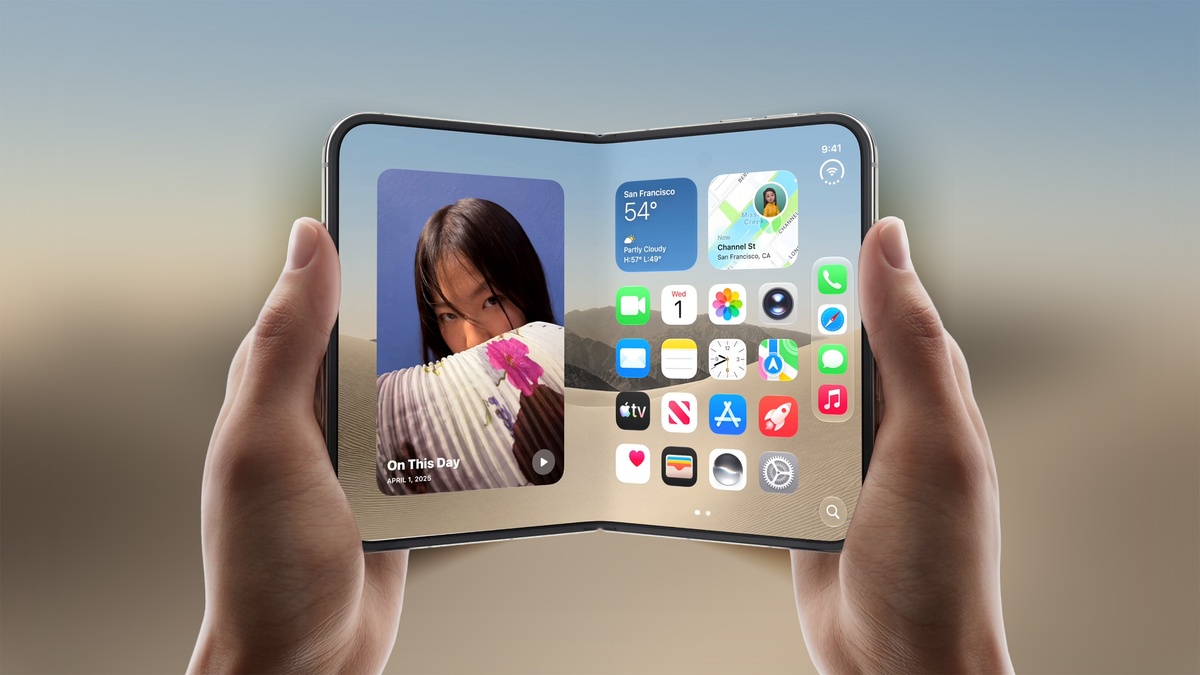
The most surprising revelation from supply chain leaks is the tight development link between notebook hinges and foldable smartphones. Apple utilized research from the iPhone Duo 2 to accelerate development of the Touchscreen MacBook Pro Hinge mechanism.
Industry reports indicate that Apple is expanding future iPhone Duo displays from 7.6 inches to over 8.1 inches. Supporting such expansive flexible glass demands multi-link gearing assemblies capable of distributing rotational stress evenly across ultra-thin internal metal spines.
Rather than treating these product lines as isolated hardware silos, Apple’s mechanical engineering teams shared metallurgic patents and gear geometries. Consequently, this next-generation foldable spine architecture benefits directly from multi-million-dollar stress simulations conducted for foldable mobile devices.
The resulting shared architecture features synchronized teardrop gear teeth that minimize mechanical wear over hundreds of thousands of open-close cycles. This shared pedigree elevates the durability standards of both portable workstations and foldable consumer devices.
As foldable mobile devices mature, cross-pollinating complex hinge assemblies into workstation chassis proves Apple’s engineering agility. The Touchscreen MacBook Pro Hinge represents a triumphant convergence of flexible mobile mechanics and pro-tier laptop durability.
Generational Hinge & Mechanical Stability Comparison
To understand the engineering leap achieved by the Touchscreen MacBook Pro Hinge, we must compare its structural specifications against legacy MacBook designs and foldable mobile hardware. The comprehensive comparison matrix below details torque ratings, damping architectures, and touch stability ratings.
| Hardware Generation | Hinge Mechanism Type | Dynamic Torque Rating | Touch Rebound Latency | Chassis Material |
|---|---|---|---|---|
| MacBook Pro (M4) | Single-Axis Friction Hinge | 1.2 Nm Standard Torque | 420ms Noticeable Wobble | Recycled Aluminum |
| iPhone Duo (Gen 1) | Dual-Gear Spine Hinge | 1.8 Nm Synchronized Torque | Zero Rebound (Rigid Spine) | Titanium & Steel |
| iPhone Duo 2 (Upcoming) | Multi-Link Gearing Spine | 2.4 Nm Variable Torque | Zero Rebound (Foldable) | Aerospace Titanium |
| Touchscreen MacBook Pro | Anti-Wobble Dual-Stage Hinge | 2.6 Nm Micro-Clutch Torque | <15ms Imperceptible Rebound | Sintered Titanium Alloy |
Analyzing these mechanical specifications reveals why Apple delayed touchscreen laptops until now. Previous single-axis friction hinges lacked the variable dynamic torque necessary to support direct touch pressure without annoying display vibration.
By achieving zero perceptible rebound vibration, the Touchscreen MacBook Pro Hinge unlocks true creative productivity. Digital illustrators can rest fingers directly against the tandem OLED glass without knocking the screen out of calibration.
3. Thermal Airflow Innovation: Passive Hinge Channeling Maximizes M5 Pro Cooling
Beyond display stabilization, the redesigned laptop spine serves a vital thermodynamic purpose. Apple’s hardware team integrated micro-engineered ventilation chambers directly through the Touchscreen MacBook Pro Hinge assembly to optimize high-performance heat dissipation.
In traditional slim laptops, the hinge area often creates a thermal bottleneck that impedes hot air exhaust from internal cooling fans. This innovative laptop chassis spine solves this constraint by integrating aerodynamic exhaust channels that route warm air unimpeded.
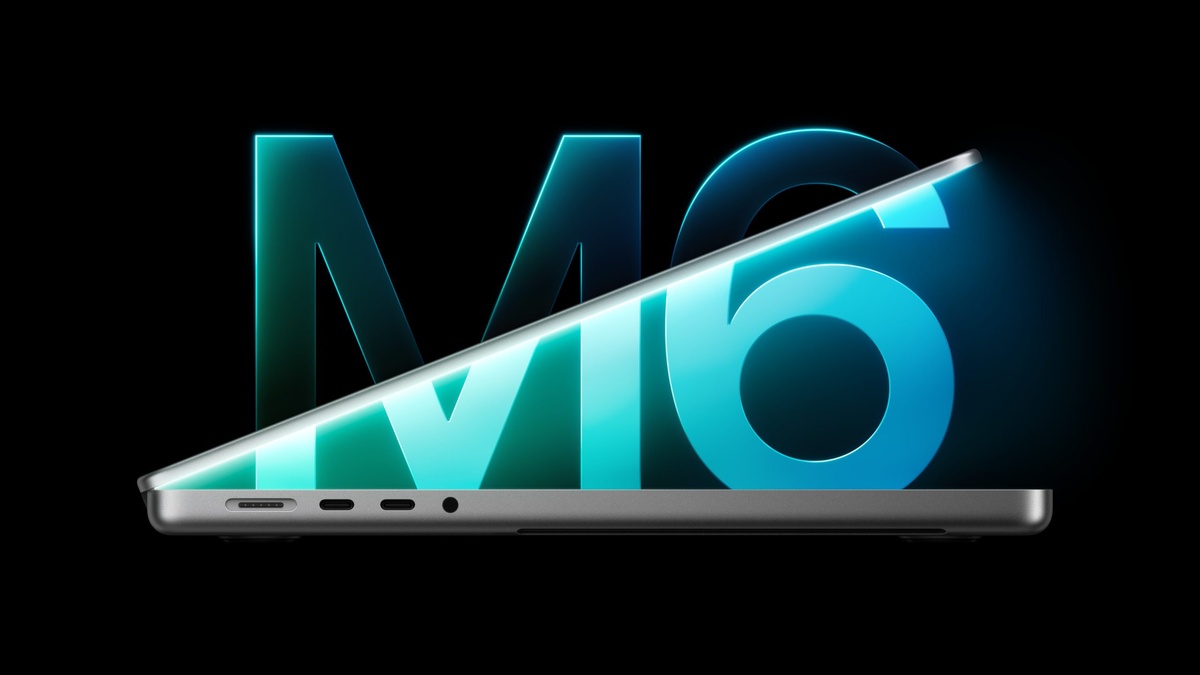
With next-generation M5 Pro silicon generating substantial thermal density during sustained rendering tasks, efficient thermal management is paramount. Direct airflow through the hinge cavity lowers internal chassis temperatures while keeping acoustic fan noise virtually imperceptible.
Engineers incorporated specialized dust-filtering micro-mesh barriers along the internal exhaust perimeter. This innovative barrier prevents debris ingress into the high-precision friction gears while maintaining maximum volumetric airflow during intensive multi-core video encoding.
This clever integration proves that modern mechanical engineering must harmonize structural stiffness with thermal physics. The Touchscreen MacBook Pro Hinge doubles as both an unyielding physical stabilizer and a high-efficiency exhaust conduit.
4. Tandem OLED Integration: Ultra-Thin Double-Stack Glass Demands Rigid Structural Support
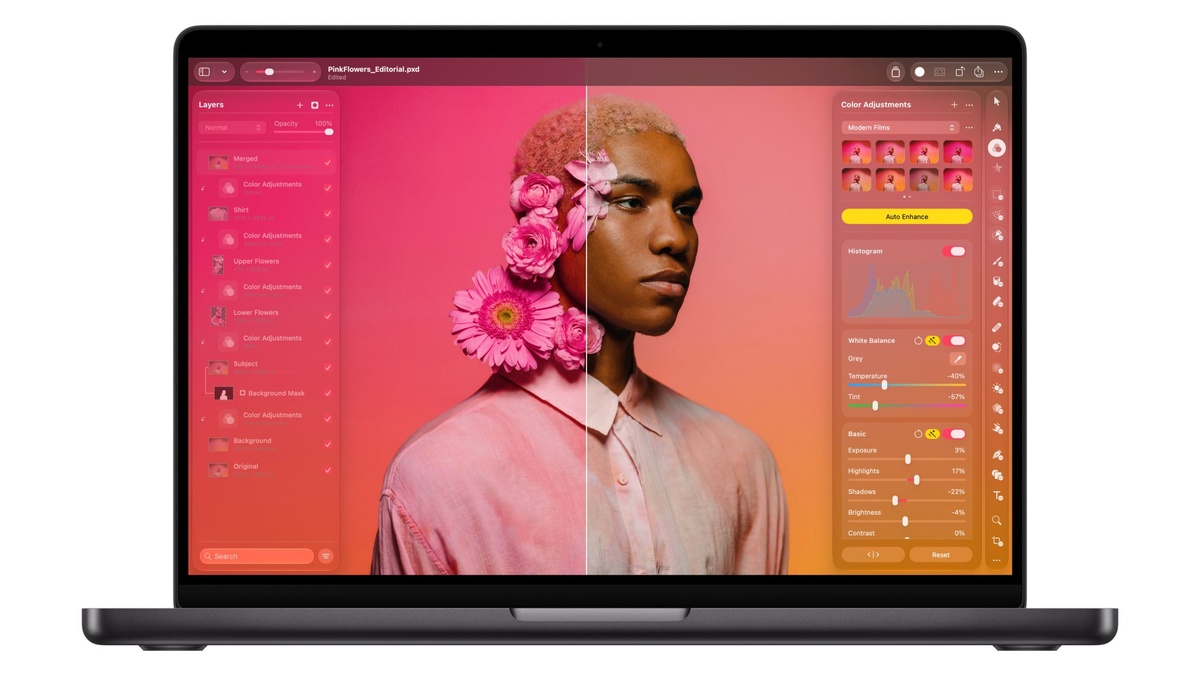
Structural rigidity becomes even more imperative given the premium display glass mounted in the lid. The upcoming workstation pairs the Touchscreen MacBook Pro Hinge with an ultra-thin, double-stack tandem OLED display panel delivering breathtaking HDR brightness.
Tandem OLED architecture stacks two organic light-emitting layers to produce 1,600 nits of sustained peak luminance while eliminating backlight blooming. However, ultra-thin OLED glass requires an exceptionally rigid frame to prevent microscopic micro-fractures under repetitive torsional load.
Apple reinforced the display backing with a forged titanium perimeter skeleton that interfaces directly with the Touchscreen MacBook Pro Hinge mounting brackets. This rigid structural union ensures that physical touch force transfers harmlessly into the lower chassis.
Furthermore, native multi-touch digitizers bonded beneath the anti-reflective glass demand precise calibration. The unwavering stability provided by the Touchscreen MacBook Pro Hinge ensures capacitive sensor grids remain flawlessly aligned across years of intense professional usage.
Creative professionals working in color-critical photography and motion graphics gain the ultimate mobile canvas. The combination of perfect OLED blacks and rock-steady mechanical support establishes a new gold standard for mobile workstation displays.
Hardware Architecture & Display Specifications Matrix
Evaluating the full scope of Apple’s flagship workstation transformation requires analyzing complete hardware specifications. The architecture matrix below details display parameters, silicon configurations, thermal metrics, and mechanical tolerances for the upcoming lineup.
| Specification Metric | 14-Inch Touchscreen MacBook Pro | 16-Inch Touchscreen MacBook Pro | iPhone Duo 2 (Foldable Flagship) |
|---|---|---|---|
| Display Technology | Tandem OLED Super Retina XDR | Tandem OLED Super Retina XDR | Flexible Tandem OLED Display |
| Peak Brightness (HDR) | 1,600 Nits Sustained Peak | 1,600 Nits Sustained Peak | 2,000 Nits Outdoor Peak |
| Hinge Mechanism | Anti-Wobble Dual-Stage Clutch | Heavy-Duty Anti-Wobble Clutch | Multi-Link Synchronized Spine |
| Touch & Stylus Support | 10-Point Multi-Touch & Apple Pencil | 10-Point Multi-Touch & Apple Pencil | Foldable Capacitive Digitizer |
| Processor Silicon | Apple M5 Pro (18-Core GPU) | Apple M5 Max (40-Core GPU) | Apple A20 Pro Bionic Silicon |
| Starting Base Price | $2,899 (Discussion Baseline) | $3,399 (Projected Premium) | $1,999 (Foldable Baseline) |
These technical specifications demonstrate that the upcoming workstation represents far more than an incremental processor bump. The pairing of M5 Pro silicon with the Touchscreen MacBook Pro Hinge delivers a truly uncompromising professional computing platform.
By addressing display stability, thermal dissipation, and optical brilliance simultaneously, Apple establishes a comprehensive hardware architecture that justifies its flagship positioning among creative industry professionals.
5. Pricing & Hardware Ergonomics: High-Torque Engineering Commands a Flagship Premium
Revolutionary mechanical engineering and premium materials naturally impact production costs. Industry analysts emphasize that the intricate tolerances of the Touchscreen MacBook Pro Hinge and tandem OLED panels command a noticeable price increase over outgoing models.
Bloomberg reports indicate that the 14-inch configuration featuring M5 Pro silicon could carry a starting price of 2,899 dollars, representing a 400-dollar premium. The specialized Touchscreen MacBook Pro Hinge assembly accounts for a significant portion of this tooling investment.
For power users contemplating this substantial financial commitment, ergonomic longevity is the decisive factor. The high-durability friction dampers in this specialized high-torque friction assembly are rated to withstand hundreds of thousands of cycles without losing holding tension.
Moreover, the integration of Dynamic Island multi-touch interactions and Apple Pencil capabilities turns macOS into a versatile digital drafting studio. Creative studios can consolidate bulky external digitizer tablets into a single portable, ultra-rigid clamshell workstation.
While casual users may balk at the elevated starting price, demanding professionals will find enormous value in this refined package. The Touchscreen MacBook Pro Hinge transforms touch-based macOS productivity from an experimental gimmick into an indispensable production tool.
Final Verdict: Why Apple’s Unified Hinge Engineering Defines the Next Laptop Era
The introduction of the Touchscreen MacBook Pro Hinge represents a defining milestone in Apple’s mechanical design history. By borrowing foldable engineering breakthroughs from the iPhone Duo 2, Apple has conquered the display wobble that held back touchscreen laptops for decades.
When coupled with stunning tandem OLED visuals, high-efficiency thermal exhaust channels, and blistering M5 Pro silicon, this flagship workstation redefines creative workflows on macOS. Professionals finally receive the uncompromised tactile precision they have long demanded.
While the anticipated 2,899-dollar starting price represents a major investment, the extraordinary engineering baked into the Touchscreen MacBook Pro Hinge justifies the premium. Creative professionals seeking the ultimate blend of power and tactile versatility need look no further.
