


Table of Contents
The unexpected escalation of the Nvidia AI GPU Export Ban has abruptly halted enterprise server deliveries across Southeast Asia, severely disrupting multimillion-dollar computing infrastructure projects and stranding major data center operators without critical hardware.
Authoritative field reporting from Tom’s Hardware and the Financial Times reveals that this sweeping regulatory enforcement targets third-party cloud hosting proxies across Singapore, Malaysia, Thailand, and Indonesia.
| Jurisdiction | Impacted Server OEMs | Regulatory Scope | Compliance Grace Period | Primary Market Risk |
|---|---|---|---|---|
| Singapore | Dell, Supermicro, HPE | Direct export licenses mandated for enterprise AI compute | 90-day licensing review clock | Frozen bank credit lines ($500M) and customer cancellations |
| Malaysia | Supermicro, Foxconn, Dell | Johor Bahru data center cluster deliveries suspended | 90-day verification window | Idle facility construction and delayed campus energization |
| Thailand | Dell, Inspur, Supermicro | Bangkok colocation server dispatches frozen indefinitely | 90-day documentation review | Regional cloud expansion stalled and capital flight |
| Indonesia | Supermicro, Asus, Dell | Jakarta enterprise AI cluster procurement halted | 90-day end-user validation | Domestic digital modernization initiatives postponed |
| Global Impact | All Tier-1 System Integrators | Total closure of third-party overseas cloud proxy rental loophole | Mandatory BIS KYC audits | Bifurcated international hardware and software ecosystems |
Commerce Department Regulatory Shift: Closing the Overseas Cloud Proxy Loophole
Washington trade officials have dramatically intensified high-technology semiconductor restrictions by closing administrative loopholes that previously permitted restricted foreign artificial intelligence laboratories to remotely rent advanced compute clusters outside mainland borders.
Under initial sanctions established during 2022, direct physical hardware transfers faced rigid licensing barriers, yet the newly enforced Nvidia AI GPU Export Ban specifically targets remote cloud computing arrangements operated across international regional hubs.
American export regulators determined that overseas facilities functioned as unregulated proxies, enabling high-performance model training on cutting-edge hardware clusters while completely bypassing sovereign national security restrictions and domestic hardware deployment limitations.
By extending oversight to international colocation hubs, the updated trade compliance framework mandates that hosting providers verify end-user identities, effectively shutting down unauthorized remote training access for foreign machine learning developers.
The regulatory shift reflects heightened geopolitical urgency to safeguard strategic domestic intellectual assets, establishing aggressive verification standards that compel global data centers to audit client enterprise ownership structures.
Industry analysts emphasize that this decisive policy transition establishes new precedents for semiconductor governance, ensuring the Nvidia AI GPU Export Ban restricts both physical chip shipments and virtual compute access simultaneously.
How Nvidia AI GPU Export Ban Directives Disrupt Southeast Asian Cloud Hubs
Evaluating how Nvidia AI GPU Export Ban directives disrupt regional server ecosystems reveals widespread supply chain friction, as Singapore and Malaysia have rapidly transformed into dominant hyperscale computing hubs over recent years.
Billions of dollars in ongoing data center construction projects now face indefinite logistical delays, leaving newly constructed liquid-cooled facilities completely vacant while enterprise tenants await regulatory clarity.
Similar to software lifecycle migrations examined when Nvidia ends Windows 10 support, abrupt hardware transitions demand meticulous contingency planning to prevent crippling enterprise operational downtime across critical digital infrastructure.
Data center clusters located across Johor Bahru and western Singapore are especially vulnerable under the Nvidia AI GPU Export Ban, having absorbed immense institutional capital to service high-density artificial intelligence cluster demands.
Facility managers who committed enormous financial reserves toward multi-megawatt electrical substation expansions must now navigate regulatory freezes, jeopardizing projected hosting revenues and commercial leasing commitments.
Consequently, cloud providers across Southeast Asia are urgently reassessing client rosters to ensure total compliance with American export restrictions, hoping to unlock stalled enterprise equipment deliveries before deadlines expire.
OEM Shipment Halts: Dell and Supermicro Server Deliveries Frozen
Prominent server manufacturers including Dell Technologies, Supermicro, and Hewlett Packard Enterprise have received direct corporate instructions to halt pending hardware dispatches bound for targeted Southeast Asian destinations.
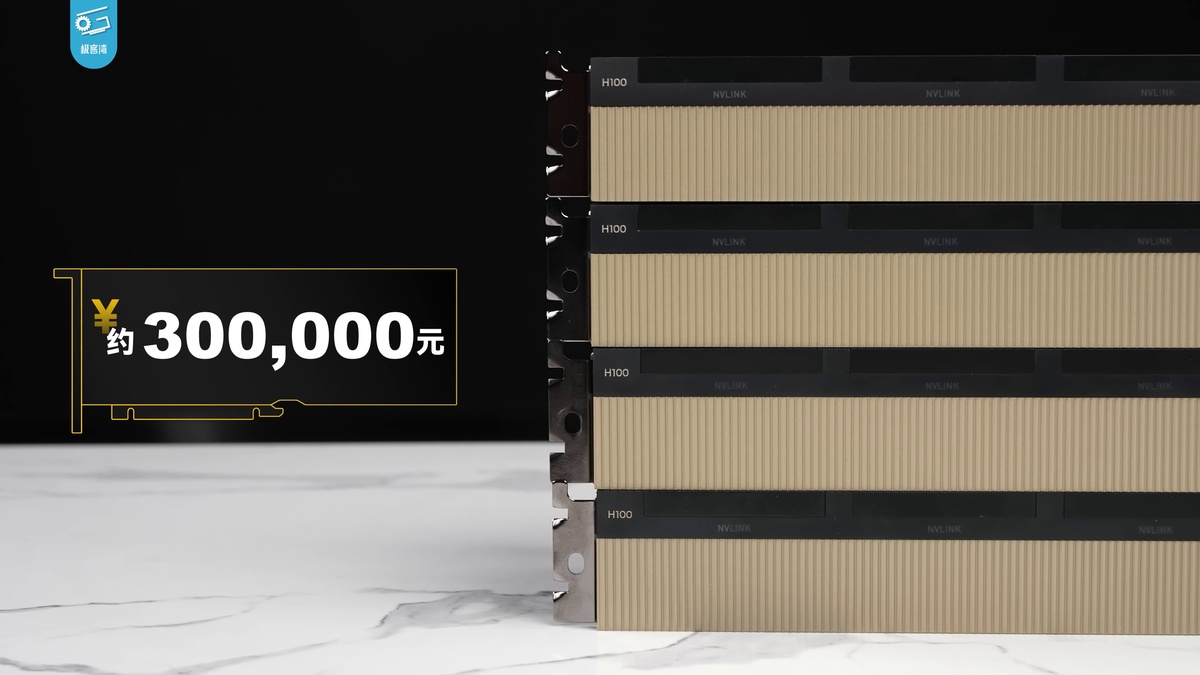
Thousands of fully assembled eight-way HGX server chassis remain immobilized inside staging warehouses, preventing system integrators from completing deployments while the Nvidia AI GPU Export Ban undergoes administrative review.
These specialized computing systems represent substantial capital commitments, featuring proprietary liquid-cooling manifolds, high-speed InfiniBand switches, and redundant multi-kilowatt power distribution supplies engineered for uninterrupted cluster training.
System builders operating under the Nvidia AI GPU Export Ban must now provide exhaustive paper trails detailing final deployment sites, preventing delivery until comprehensive export approvals receive formal endorsement from trade authorities.
The logistical freeze creates immense warehousing overhead and inventory liabilities for hardware vendors, forcing manufacturers to adjust global shipment schedules and reallocate high-demand inventory to alternate Western enterprise markets.
Until official licensing pathways open, server OEMs must enforce strict shipping embargos, ensuring that equipment impacted by the semiconductor freeze does not cross borders without certified end-user clearance documentation.
Nvidia AI GPU Export Ban Compliance: The 90-Day Licensing Countdown Chaos
Navigating the administrative chaos surrounding Nvidia AI GPU Export Ban compliance has created severe operational friction, as the Department of Commerce instituted a strict 90-day grace period for operators to secure export licenses.
Regional cloud hosting executives have expressed widespread alarm over the total lack of practical administrative guidance, reporting that regulatory portals offer no clear instructions for lodging formal applications.
Data center operators must convincingly demonstrate that their compute infrastructure excludes sanctioned foreign organizations, creating immense legal complexity that threatens execution under the Nvidia AI GPU Export Ban.
| Server Architecture | GPU Acceleration | Target Cloud Operators | Interconnect Fabric | Licensing Status |
|---|---|---|---|---|
| Dell PowerEdge XE9680 | 8x Nvidia H100 / H200 SXM5 | Hyperscale enterprise colocation | Nvidia Quantum-2 InfiniBand (400Gb/s) | Frozen pending BIS export approval |
| Supermicro GPU SuperServer | 8x Nvidia HGX H100 / B200 | Independent regional AI cloud providers | PCIe 5.0 / NVLink 4.0 Mesh | Subject to 90-day verification freeze |
| HPE Cray XD670 | 8x Nvidia H200 Tensor Core | Government and academic research labs | Slingshot-11 interconnect fabric | Case-by-case diplomatic licensing review |
| Nvidia DGX SuperPOD | Scalable NVLink HGX clusters | Turnkey AI training infrastructure | Full-mesh NVLink Network switches | Complete export embargo to restricted entities |
| ASUS ESC N8-E11 | 8x Nvidia H100 SXM5 liquid-cooled | Tier-2 private cloud hosting | Dual 400GbE QSFP112 optical links | Shipments halted across all 4 countries |
Just as advanced architectural innovations in our Apple M4 Mac Mini hardware analysis demonstrate complex engineering execution, establishing ironclad compliance mechanisms requires sophisticated network monitoring tools and strict legal verifications.
Cloud hosting executives openly complain that the regulatory clock is ticking down rapidly, leaving enterprises stranded between crippling shipment cancelations and impossible bureaucratic documentation requirements during active fiscal quarters.
Without expedited processing channels from international trade bodies, compliance officers warn that the sudden licensing bottleneck could permanently paralyze regional computing infrastructure expansion, stifling legitimate regional economic growth.
Billion-Dollar Infrastructure Fallout: Aolani Financing and ByteDance Compute Crisis
The financial repercussions of the hardware freeze have surfaced with devastating clarity, impacting high-profile enterprise partnerships and freezing hundreds of millions in committed syndicated debt financing.
Prominent Singapore-based cloud enterprise Aolani is currently experiencing acute financial turmoil under the Nvidia AI GPU Export Ban, losing access to five hundred million dollars in commercial credit lines arranged by conservative banking syndicates.
Aolani had negotiated a monumental compute provisioning agreement to supply dedicated computing power to ByteDance, supporting large-scale generative model training and content recommendation engine optimization across global digital platforms.
With hardware shipments locked under the Nvidia AI GPU Export Ban, institutional lenders have suspended loan disbursements, fearing that stranded assets will generate zero operational cash flows to service debt obligations.
Industry insiders suggest that ByteDance may soon terminate its long-term leasing commitment entirely, seeking alternative computing arrangements or absorbing massive delays in proprietary artificial intelligence research roadmaps.
This high-profile casualty highlights the systemic financial vulnerability plaguing specialized hosting providers, illustrating how the hardware embargo threatens the commercial solvency of highly leveraged infrastructure developers.
Regional Data Center Expansion Trajectory Under the Nvidia AI GPU Export Ban
Forecasting long-term data center expansion under the Nvidia AI GPU Export Ban reveals significant shifts in corporate investment strategies across Southeast Asia’s burgeoning technology corridor.
Sovereign wealth funds and international infrastructure consortiums that poured capital into regional facilities are urgently reviewing risk models, discounting aggressive revenue growth projections for upcoming development cycles.
Much like compute scalability trends outlined in our study of Xbox Cloud Gaming pay-as-you-go pricing, modern cloud infrastructures require continuous hardware infusions to sustain expanding enterprise computational demands.

Likewise, while consumer silicon breakthroughs like the AMD Ryzen 7 9800X3D gaming benchmarks thrive on uninhibited retail distribution, enterprise accelerators remain tightly bound by the geopolitical realities of the Nvidia AI GPU Export Ban.
Emerging computing campuses in Thailand and Indonesia may witness substantial capital flight, as nervous hyperscalers redirect procurement allocations toward domestic American or European territories carrying minimal regulatory friction.
Consequently, market analysts anticipate a temporary cooling period across Southeast Asian property acquisitions, forcing developers to adapt their business plans around stringent trade compliance licensing frameworks.
Strategic Geopolitical Repercussions: Hardware Supply Chains and Domestic AI Sovereignty
The enforcement of rigorous semiconductor restrictions underscores a broader global paradigm shift toward technological sovereignty, compelling sovereign states to rethink their dependence on monopolistic international hardware supply chains.
By closing access to foreign colocation centers, the Nvidia AI GPU Export Ban accelerates sovereign initiatives within affected Asian nations to foster independent technological ecosystems and domestic hardware fabrication.
Trade reports from the Financial Times indicate that international trade groups are actively lobbying export agencies to formulate transparent compliance guidelines that prevent unintended economic collateral damage.
Meanwhile, domestic chip designers within restricted territories are rapidly advancing indigenous accelerator architectures, seeking to mitigate disruptions caused by the international embargo through local silicon innovation.
This technological race will inevitably reshape the geopolitical computing landscape over the coming decade, creating bifurcated global software and hardware ecosystems with incompatible operational standards and separate procurement pipelines.
As regulatory friction deepens, global enterprise operators must build resilient multi-region architectures capable of navigating stringent international controls like the Nvidia AI GPU Export Ban without compromising performance.
Frequently Asked Questions
Why did Nvidia stop shipping AI GPU servers to Southeast Asia?
Shipments ceased because the U.S. Commerce Department closed loopholes allowing restricted Chinese firms to rent overseas compute, enforcing the Nvidia AI GPU Export Ban across regional hubs.
Which countries are directly affected by the export suspension?
Data centers and cloud hosting providers located across Singapore, Malaysia, Thailand, and Indonesia are directly subject to immediate shipping freezes and mandatory licensing reviews.
What is the 90-day compliance timeline for cloud hosting providers?
Cloud operators have 90 days to obtain Commerce Department export licenses and verify that foreign restricted entities cannot access systems impacted by the Nvidia AI GPU Export Ban.
How does this shipment freeze impact companies like ByteDance?
Chinese technology firms like ByteDance face severe compute shortages, losing access to offshore clusters as partners like Aolani lose crucial bank credit financing lines.
Can server OEMs like Dell and Supermicro resume deliveries soon?
Deliveries will remain suspended until manufacturers and customers establish verified end-user documentation and secure formal export licenses approved under the strict Nvidia AI GPU Export Ban.
Final Verdict
The implementation of the Nvidia AI GPU Export Ban represents an unprecedented escalation in global semiconductor oversight, fundamentally dismantling third-party proxy hosting models that previously bypassed international export controls.
While closing regulatory loopholes protects domestic technological advantages, the sudden enforcement without clear bureaucratic guidelines has unleashed operational chaos across booming Southeast Asian data center markets.
As the 90-day compliance window rapidly elapses, cloud operators, server vendors, and institutional financiers must collaborate swiftly to resolve licensing logjams under the Nvidia AI GPU Export Ban or risk catastrophic economic losses.
