


Table of Contents
The landscape of cooperative party gaming reached an exciting milestone with the comprehensive revelation of Mouse Work Switch 2. Created by veteran British studio Nitrome and published by PM Studios, this inventive title showcases the console’s unique optical tabletop controller capabilities.
Arriving right in time for the busy winter holidays, the project blends frantic cursor manipulation with tactile physics puzzles. Players guide industrious rodent workers through comical collaborative shifts, transforming living room coffee tables into shared digital playgrounds with unexpected controller configurations.
| Technical Parameter | Official Game Specification | Architectural Hardware Implementation |
|---|---|---|
| Official Title | Mouse Work | Dedicated Nintendo Switch 2 Console Exclusive |
| Global Release Date | December 7, 2026 | Worldwide eShop and Physical Retail Launch |
| Lead Developer | Nitrome Ltd. (London, United Kingdom) | Bespoke 2D Physics and Optical Cursor Engine |
| Global Publishing Partner | PM Studios Inc. | Worldwide Distribution and Cartridge Production |
| Primary Input System | Joy-Con 2 Mouse Mode | Optical Tabletop Sensor and Dual Buttons |
| Auxiliary Sensors | 6-Axis Gyroscope and HD Rumble 2 | Rotational Tool Alignment and Haptic Weight |
| Multiplayer Capabilities | 1 to 4 Players Local Couch Co-Op | Full Support for Nintendo GameShare Protocol |
| Physical Media Format | Complete On-Cartridge Software Card | Zero Download Required at Initial Retail Launch |
| Digital Retail MSRP | £15.99 (United Kingdom) / $19.99 (United States) | Standard Pricing Across Global eShop Regions |
| Rendering Profile | Native 1080p Handheld / 1440p Docked @ 60 FPS | Uncapped Refresh Smoothing on Compatible Screens |
Official Launch Window: Holiday Release Schedule and Pricing Structure
Nitrome co-founder Matthew Annal officially confirmed that Mouse Work Switch 2 will debut internationally on December 7, 2026. This target places the party adventure at the heart of the festive gift-giving season, when families gather around new television setups.
Budgeted conscientiously for widespread consumer adoption, digital editions will retail for £15.99 across the United Kingdom and $19.99 in North America. Pre-orders went live immediately across the Nintendo eShop, providing early adopters with seamless automated pre-loading permissions.
Selecting early December proves crucial for independent developers wagering on fresh hardware ecosystems. The timing ensures Mouse Work Switch 2 greets both launch-day enthusiasts and holiday newcomers unwrapping pristine hardware bundles beside their living room trees.
Securing a prominent position on the digital storefront during peak holiday traffic offers invaluable organic visibility. Nitrome aims to capture the same viral couch multiplayer enthusiasm that propelled breakout hits like Snipperclips during early Nintendo system lifecycles.
In addition to standalone digital sales, physical editions of Mouse Work will ship concurrently through major retail outlets. This dual-distribution approach guarantees accessibility for players who prefer traditional game collecting over expanding digital library accounts.
How Mouse Work Switch 2 Harnesses Joy-Con Optical Tracking Hardware
The central mechanical marvel powering Mouse Work Switch 2 resides in the physical Joy-Con 2 controller redesign. By turning the detachable peripheral onto its lateral edge, an integrated optical sensor tracks smooth tabletop glides across flat household surfaces.
This optical engineering converts everyday desks, coffee tables, and even mouse pads into responsive pointing surfaces. Unlike standard analog sticks, Mouse Work delivers sub-millimeter cursor precision that feels remarkably close to high-end personal computer desktop navigation.
Crucially, the hardware combines lateral optical displacement with active internal gyroscope readings. This hybrid sensor fusion allows the software to calculate simultaneous planar translation and angular tilt, granting players unprecedented physical control over complex in-game tools.
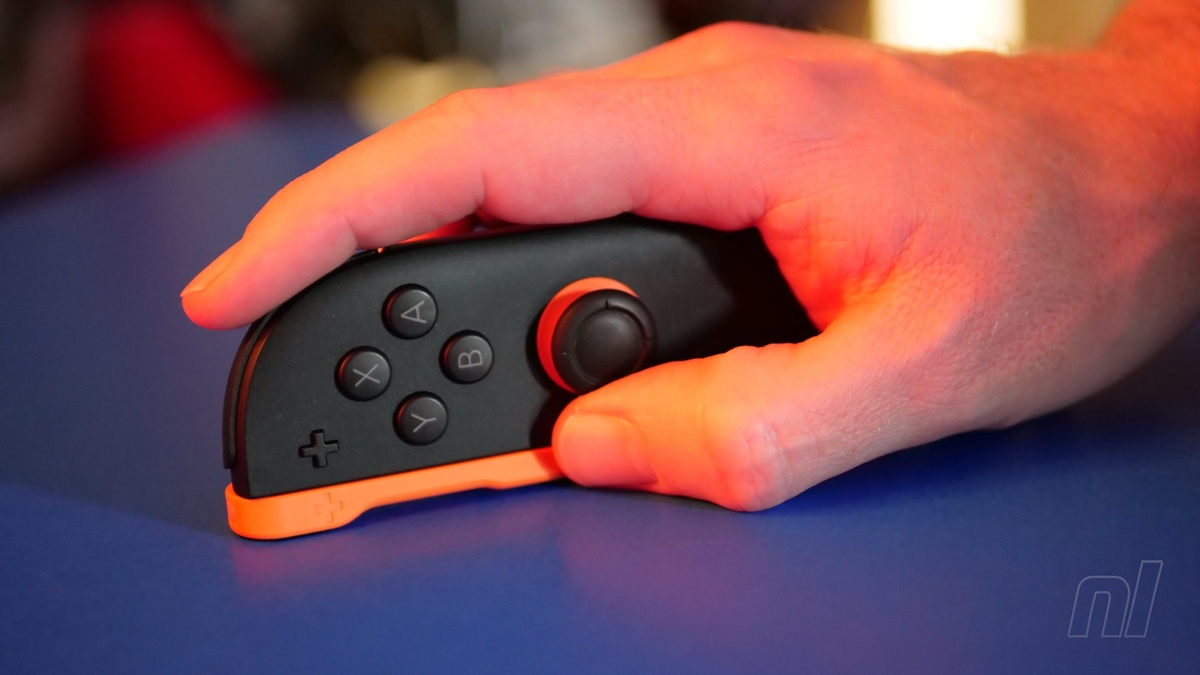
For instance, moving the controller glides a squeegee across dirty glass, while twisting your wrist pivots the wiper blade naturally. This intuitive tactile feedback makes Mouse Work Switch 2 accessible to casual family members while offering high-skill ceilings for competitive completionists.
Haptic actuators embedded within the Joy-Con 2 chassis provide immediate physical resistance cues during operations. In Mouse Work, dragging heavy objects across rough asphalt produces deep mechanical rumbles, while delicate glass polishing transmits crisp, high-frequency vibrations.
Frankenstein Devkit Origins: Prototyping Joy-Con Gyro and Haptic Feedback
Long before receiving official hardware devkits from Nintendo, Nitrome embarked on a daring development gamble. When initial console teasers showed controllers sliding across surfaces, the team began building Mouse Work Switch 2 based purely on informed technical intuition.
Because official pre-release silicon remained locked behind strict confidentiality agreements, programmers constructed an ingenious makeshift apparatus. Developers configured multiple optical PC mice simultaneously through custom operating system drivers to simulate local couch multiplayer pointing environments.
To replicate rotational physics before official hardware arrived, engineers taped original Switch controllers directly atop desktop mice. This Frankenstein contraption allowed Nitrome programmers to stream synchronized motion data, validating gameplay concepts months before holding actual retail peripherals.
Matthew Annal revealed that Nitrome drew direct inspiration from Nintendo’s historical prototyping methods. During early Wii U development cycles, legendary producer Shigeru Miyamoto famously taped two Wii Remotes alongside analog nunchuks to validate dual-screen concepts.
The creative gamble paid off spectacularly when PM Studios partnered with Nitrome, accelerating official devkit delivery early this year. Hardware access confirmed that Mouse Work Switch 2 prototypes matched Nintendo’s production specifications, requiring minimal architectural adjustments to finalize retail code.
Similar to how Apple M4 Mac Mini desktop redesigns optimize compact thermal enclosures, Nintendo engineered specialized optical housings that withstand enthusiastic party gaming sessions.
Dynamic Minigame Scaling: Mouse Work Switch 2 Solo and Multiplayer Design
Drawing deliberate structural inspiration from indie cooperative sensations like Pico Park, Mouse Work Switch 2 champions adaptable party mechanics. Every minigame dynamically recalibrates its puzzle geometry and objective thresholds based on the exact headcount connected locally.
Rather than forcing solitary players into awkward bot management, Nitrome redesigned single-player mechanics from the ground up. In collaborative modes, players divide complex machinery between different hands, demanding vocal communication and precise rhythmic coordination.
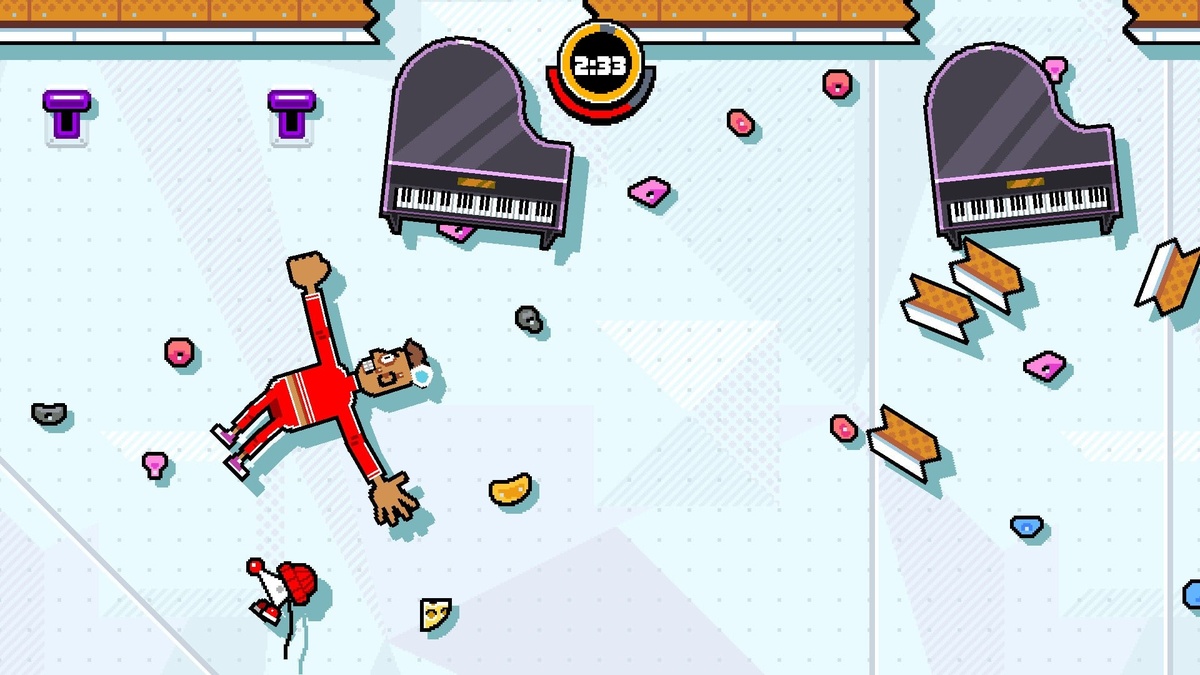
In the chaotic Hairdresser minigame of Mouse Work Switch 2, two cooperative players each command a single blade of oversized scissors. Cutting hair cleanly requires synchronized motion, whereas solo adventurers wield a vibrating hedge trimmer engineered with deliberate mechanical inertia.
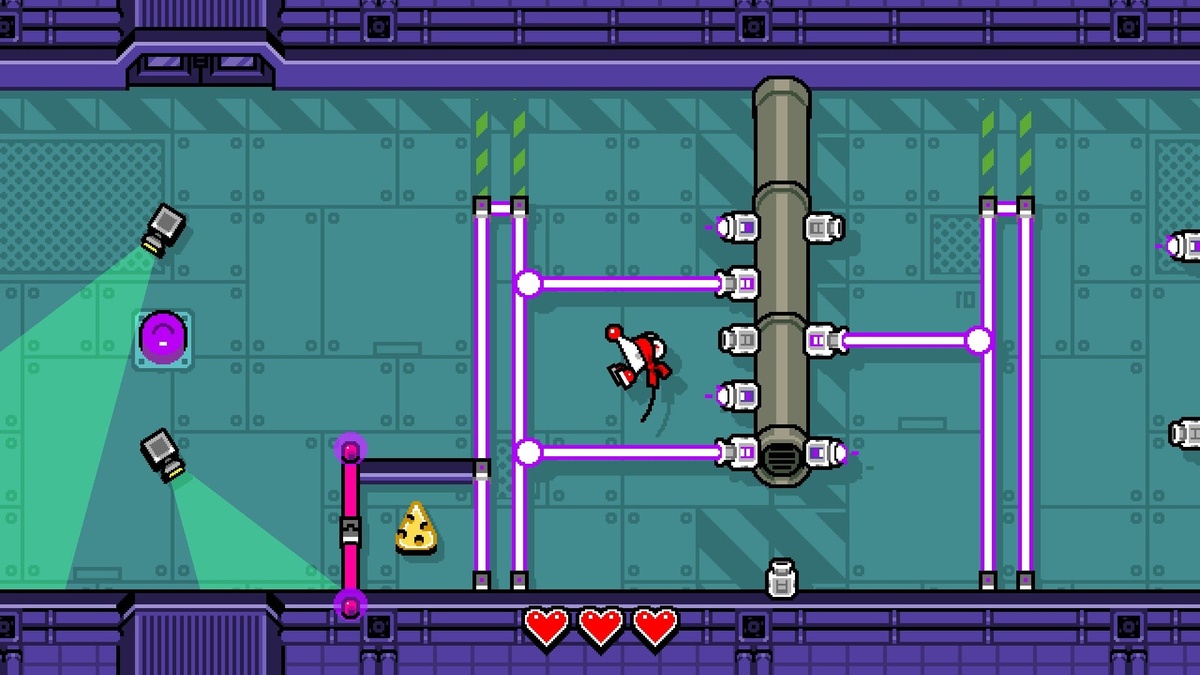
Similarly, the Taxi Driver scenario divides tasks between automotive steering and active roadway repairs. When tackling the game alone, the cab shifts into intelligent automated cruising mode, allowing the lone player to focus entirely on laying fresh asphalt patches.
Other standout assignments include Pest Control, where teams coordinate insect swatters, and Tour Guide, requiring precision crowd management. Nitrome also integrated comprehensive support for Nintendo’s GameShare protocol, enabling seamless local play without requiring every attendee to own software.
| Minigame Scenario | Cooperative Multiplayer Mechanics (2-4 Players) | Solo Player Adapted Experience | Primary Controller Input Demands |
|---|---|---|---|
| Window Cleaner | Synchronized washing and squeegee angle coordination | Dual-hand simultaneous squeegee and fluid management | Optical surface sliding and 6-axis rotational wrist tilting |
| Hairdresser | Two players each control one half of giant scissors | Single-player heavy hedge trimmer with high inertia | Rhythmic clamping buttons and fine millimeter precision |
| Taxi Driver | One player steers vehicle while teammates pave potholes | Cab engages autopilot while player paves road ahead | Continuous directional tracking and rapid button tapping |
| Pest Control | Coordinated multi-angle swatting across shared screen | Concentrated multi-target swatting with time extension | Rapid twitch acceleration and haptic contact confirmation |
| Tour Guide | Divided crowd herding across hazardous city streets | Single lantern guiding dense pedestrian corridors | Careful path tracing and obstacle avoidance gestures |
| Artist Studio | Collaborative palette mixing and multi-color painting | Layered stencil coloring against running challenge timers | Fluid stroke drawing and optical pressure modulation |
Whether entertaining energetic youngsters or engaging veteran puzzle solvers, Mouse Work Switch 2 maintains a delightful balance of accessible comedy and dexterity. Every successful shift yields valuable currency, unlocking charming cosmetic outfits and whimsical mouse customizations.
Physical Cartridge Media: Why Nitrome Rejected Game-Key Cards
A standout editorial development surrounding Mouse Work Switch 2 involves its physical release philosophy. While numerous contemporary third-party publishers adopt cost-saving Game-Key Cards containing empty cases with digital redemption slips, Nitrome insisted on manufactured read-only flash storage.
Partnering with boutique physical publisher PM Studios proved pivotal in realizing this collector-focused goal. Both organizations agreed that players purchasing tangible software boxes deserve authentic physical game media that functions reliably without mandatory server dependencies.
Having complete code stamped directly onto modern memory cards safeguards Mouse Work against future digital store retirements. Players can unseal the physical cartridge decades from now, insert it into compatible hardware, and begin playing immediately without internet connectivity.
While Game-Key Cards substantially lower production overhead for corporate distribution networks, they alienate traditional video game collectors. Nitrome accepted narrower financial profit margins per retail unit to deliver a genuine collectible that respects enduring video game preservation.
This traditional packaging ethos pairs wonderfully with the title’s family-friendly design. Gifting a physical copy of Mouse Work provides tangible delight under holiday trees, recalling classic console eras when gaming meant instant plug-and-play amusement.
Just as enthusiasts track high-end PC performance via AMD Ryzen 7 9800X3D gaming benchmarks, console purists deeply value native hardware execution free from server restrictions.
Discovery Challenges and Market Realities: The Mouse Work Switch 2 Launch Gamble
Despite tremendous creative enthusiasm, Nitrome leadership remains candid regarding economic vulnerabilities. In his revealing interview with journalists at Nintendo Life, Matthew Annal observed that brilliant interactive gems frequently get buried amid crowded digital marketplaces.
Committing multi-year studio resources to exclusive software on unreleased hardware carries tremendous commercial peril. Should Mouse Work Switch 2 fail to capture mainstream algorithm momentum across digital storefronts, recouping specialized development costs becomes remarkably difficult for independent creators.
Modern digital storefronts overflow with continuous weekly releases, making organic player discoverability challenging for creative indies. Even titles that earn glowing critical acclaim often struggle against heavily marketed blockbuster franchises commanding multimillion-dollar advertising budgets.
Nevertheless, launching within a new console window presents extraordinary visibility opportunities. Early adopters of new hardware actively seek novel software that showcases their investment, establishing Mouse Work Switch 2 as an essential hardware conversation piece.
If holiday word-of-mouth spreads among families sharing living room playthroughs, the cooperative title could achieve enduring commercial legs. The team remains confident that the pure tactile amusement of tabletop mouse gaming will captivate audiences worldwide.
Much like how cloud gaming ecosystem expansions reshape digital access models, unique hardware features continue driving genuine interactive gameplay variety.
Frequently Asked Questions
What is the official release date for Mouse Work Switch 2?
The official release date for Mouse Work Switch 2 is December 7, 2026, launching simultaneously through global digital eShop platforms and physical brick-and-mortar video game retail stores worldwide.
How does Joy-Con 2 Mouse Mode function in gameplay?
Players turn the Joy-Con 2 horizontally onto its side, utilizing internal optical sensors to slide across tables like a desktop mouse, while gyroscope sensors capture continuous angular tilt.
Can solo gamers play the title without local multiplayer partners?
Yes, Nitrome comprehensively adapted every minigame scenario for solo adventurers in Mouse Work Switch 2, replacing complex cooperative multi-person tasks with bespoke high-inertia mechanical tools and automated vehicular driving mechanics.
Does Mouse Work Switch 2 require a digital download on physical media?
No, physical retail copies published by PM Studios include complete software stamped onto genuine game cards, completely avoiding empty Game-Key Card download voucher formats.
How much does Mouse Work cost at retail launch?
Digital editions of Mouse Work Switch 2 cost £15.99 in the United Kingdom and $19.99 in the United States, offering an affordable price point for holiday family entertainment.
Final Verdict: Mouse Work Switch 2 Champions Physical Hardware Innovation
In an industry dominated by safe sequels and incremental updates, Mouse Work Switch 2 stands out as a joyful celebration of unconventional hardware creativity. Nitrome has leveraged fresh controller features to build an experience that feels immediately distinctive.
From its hilarious Frankenstein development beginnings to its commendable commitment to physical cartridge manufacturing, the title honors gaming tradition while embracing modern hardware possibilities. The dynamic scaling ensures that solo adventurers and lively holiday gatherings enjoy equally satisfying gameplay in Mouse Work.
Releasing exclusively on brand-new hardware entails commercial bravery, but Mouse Work possesses the infectious charm necessary to win over players. For anyone eager to explore Nintendo’s next generation, this delightful minigame party deserves a place under your tree.
