


Table of Contents
Nintendo has officially surprised physical media collectors and handheld enthusiasts by deploying a targeted Metroid Dread Physical Restock, replenishing retail game card inventory across the official My Nintendo Store at standard suggested retail pricing.
Breaking retail tracking from Nintendo Life reporting confirms that fresh production batches are hitting North American storefronts, effectively extinguishing speculative secondary market markups that previously priced sealed cartridges well above retail rates.
| Retail & Supply Factor | Pre-Restock Scarcity Status | Current Official Restock Status | Scalper & Reseller Impact | Consumer Recommendation |
|---|---|---|---|---|
| Physical Retail Pricing | Severely Marked Up ($100+) | Official $59.99 MSRP Restored | Instant 45% Secondary Price Drop | Purchase directly from official store |
| Nintendo Store Availability | Out of Stock / Sold Out | Active In-Stock Game Cards | Eradicates Artificial Scarcity | Order before current run clears |
| Digital eShop Pricing | Standard $59.99 (Occasional Sales) | Available Instantly (Digital Code) | Zero Scalper Resale Exposure | Choose physical for preservation value |
| Cartridge Manufacturing | Dormant Production Lines | Active Macronix Cart Pressing | Eliminates Supply Monopolies | Secure sealed physical game cards |
| Franchise Sales Position | 3.04 Million Milestone | Expanding toward 3.2M Units | Affirms Commercial Franchise Record | Play modern 2D series high watermark |
| Switch 2 Forward Compatibility | Confirmed Cartridge Support | Native Plug-and-Play Playback | High Long-Term Hardware Utility | Compatible with upcoming hardware |
| Software Preservation Mode | High Resale Risk Exposure | Uncompressed Silicon Cartridge | Guaranteed Complete Offline Play | Essential collector shelf addition |
Market Catalyst: How the Metroid Ravenous Reveal Triggered Dread Shortages

The catalyst behind this unexpected retail replenishment began in September when Nintendo officially revealed Metroid Ravenous for the upcoming Switch 2, instantly reigniting global enthusiasm for Samus Aran ongoing side-scrolling narrative across international gaming communities.
That high-profile announcement sparked an unprecedented run on physical software, generating the exact supply bottlenecks that necessitated this emergency Metroid Dread Physical Restock across official consumer channels and major retail storefronts.
Newcomers eager to experience the modern 2D saga and long-time fans preparing for the sequel rapidly swept retail store shelves clean across major department stores, specialized hobby shops, and online distribution hubs.
Because retail production for older flagship releases typically slows during late console generations, regional supply channels quickly dried up, leading gaming communities to speculate that Dread was permanently out of print.
According to retail distribution data documented by GoNintendo market coverage, store managers experienced a dramatic influx of customer inquiries throughout October seeking boxed copies before inventory dried up completely across North America.
This immediate commercial resurgence demonstrated that premium first-party physical software commands durable long-term consumer demand that conventional digital distribution metrics frequently fail to capture in routine publisher quarterly reporting.
Secondary Market Inflation: Metroid Dread Physical Restock Suppresses Scalper Markups
The primary consumer benefit of this official Metroid Dread Physical Restock is the immediate stabilization of secondary collector markets that had spun drastically out of control over the past eight weeks following the sequel reveal.
Following the initial sellout at major retailers, opportunistic resellers on auction websites began listing sealed physical copies for prices ranging between one hundred and one hundred forty dollars, exploiting artificial product scarcity.
By replenishing inventory directly through the official My Nintendo Store listing at the standard fifty-nine dollar retail price, this Metroid Dread Physical Restock directly undercuts scalper profit margins across all secondary channels.
Secondary market pricing charts show instantaneous price corrections, with asking prices on pre-owned and sealed copies tumbling back toward standard retail value within hours of the official storefront restock announcement.
Much like hardware supply corrections documented in our coverage of the Apple M4 Mac mini workstation architecture, direct manufacturer fulfillment provides an unassailable defensive bulwark against predatory marketplace speculation.
Legitimate players who refused to pay inflated reseller prices can now secure pristine factory-sealed physical game cards without subsidizing unscrupulous third-party flippers attempting to monetize manufactured scarcity in the collector space.
Physical Cartridge Longevity: Game Card Preservation vs Digital Licensing on Switch
Beyond simple retail economics, the intense demand for physical game cards highlights growing consumer anxiety surrounding digital storefront longevity and cloud licensing agreements across modern gaming ecosystems and closed hardware platforms.
Collectors pursuing this Metroid Dread Physical Restock recognize that owning an authentic read-only memory cartridge ensures perpetual offline access to the complete software build without relying on remote network authentication or server verification.
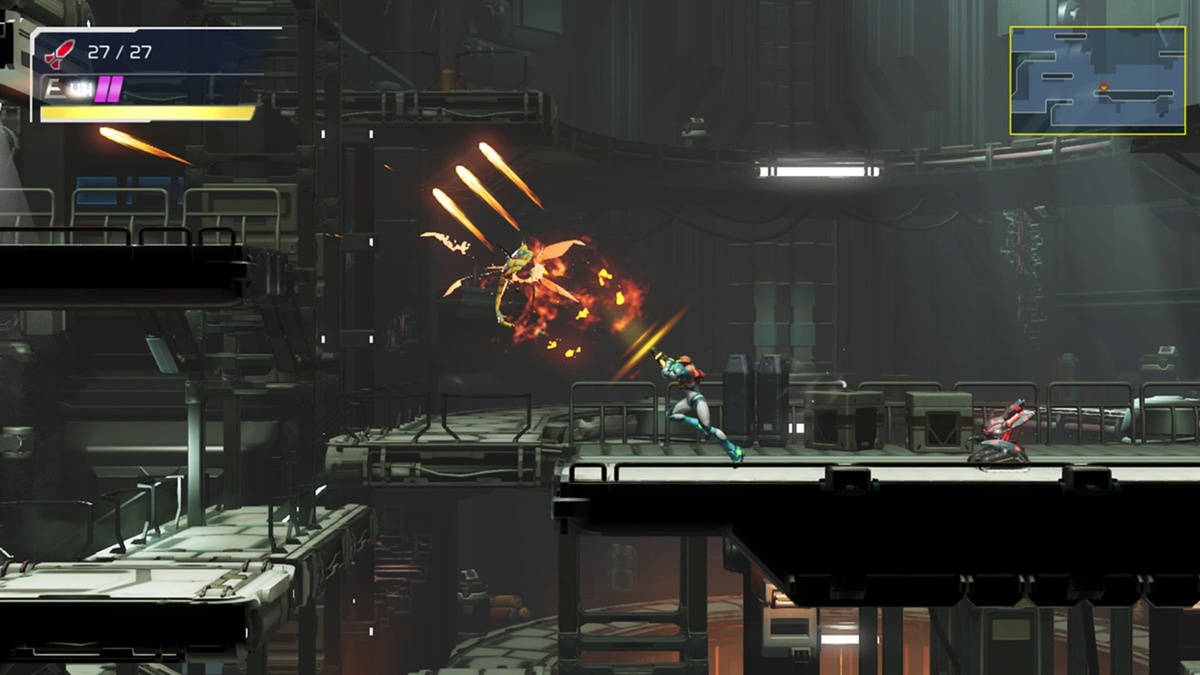
Unlike contemporary releases that require massive day-one mandatory downloads to become playable, Metroid Dread contains the complete core single-player campaign directly on the physical ROM silicon from day one.
While Nintendo continues to offer digital copies through the eShop, digital licenses remain legally revocable service contracts that tether gameplay privileges to proprietary server account infrastructure over multi-year operational horizons.
Similar digital rights challenges were examined in our technical analysis of Xbox Cloud Gaming subscription architecture, demonstrating why physical media retains exceptional value among preservation enthusiasts worldwide.
The passionate reception to this Metroid Dread Physical Restock proves that tangible hardware ownership remains a non-negotiable priority for enthusiasts who refuse to leave gaming history vulnerable to future server deprecation or digital delisting.
Commercial Milestone Audit: Metroid Dread Physical Restock Bolsters Franchise Sales Records
Evaluating franchise performance data reveals that the Metroid Dread Physical Restock will further solidify Dread historic standing as the undisputed commercial champion of the entire Metroid franchise across nearly four decades of releases.
Prior to Dread release in October 2021, the franchise benchmark was held by the original Metroid Prime on Nintendo GameCube, which accumulated approximately 2.84 million units worldwide during its commercial lifecycle.
Dread shattered that longstanding franchise ceiling by surpassing three million lifetime sales, and this late-cycle Metroid Dread Physical Restock provides substantial incremental momentum toward pushing cumulative sales beyond 3.2 million copies.
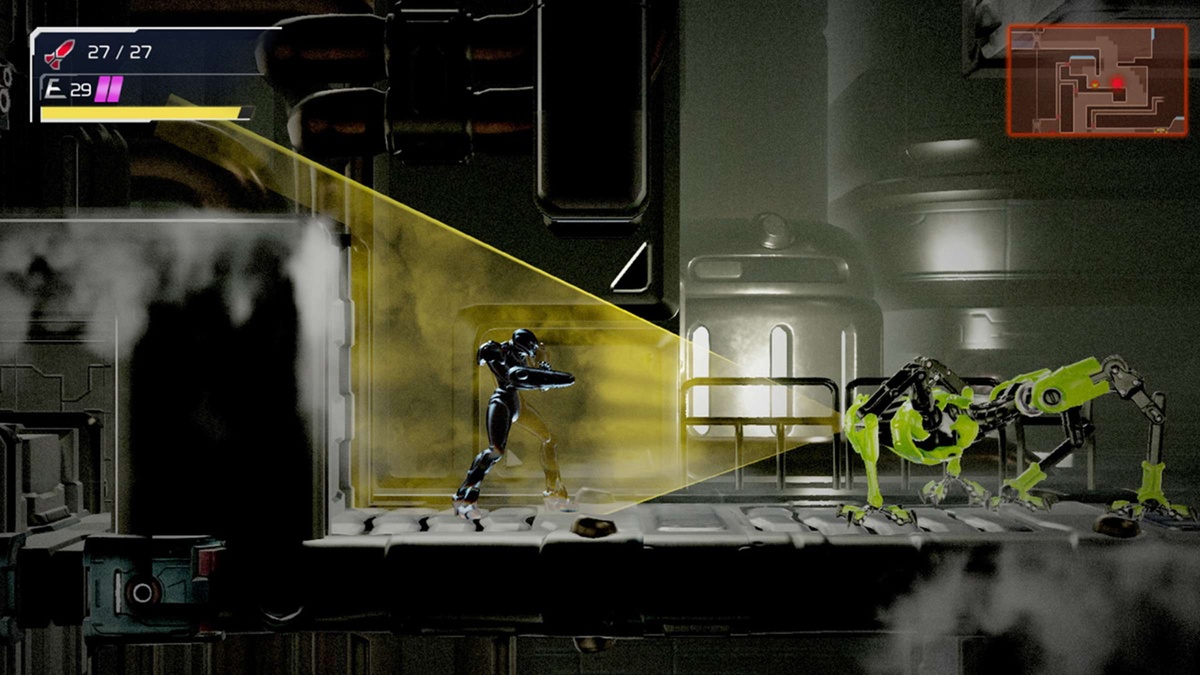
Co-developed by Spanish studio MercurySteam alongside Nintendo EPD, the title successfully modernized classic exploration mechanics while introducing high-tension pursuit encounters that resonated with mainstream action gaming audiences globally.
High-efficiency silicon engineering explored in our analysis of AMD Ryzen 7 9800X3D gaming benchmarks illustrates how software optimization can maximize performance within tightly constrained thermal and memory envelopes.
This commercial endurance demonstrates that the Metroid Dread Physical Restock is not merely a nostalgia-driven flash in the pan, but a calculated response to sustained consumer appetite for premier side-scrolling adventures.
| Metroid Series Installment | Platform & Release Year | Global Lifetime Sales | Physical Print Status | Next-Gen Playability |
|---|---|---|---|---|
| Metroid Dread | Nintendo Switch (2021) | 3.07+ Million Units | Active Official Restock ($59.99) | Native Switch 2 Backward Compatibility |
| Metroid Prime | Nintendo GameCube (2002) | 2.84 Million Units | Original Disc Out-of-Print | Available via Switch Remaster |
| Original Metroid | NES / Famicom (1986) | 2.73 Million Units | Legacy Cartridge Out-of-Print | Nintendo Switch Online Classic Library |
| Metroid Fusion | Game Boy Advance (2002) | 1.60 Million Units | GBA Cartridge Highly Sought | Nintendo Switch Online Expansion Pack |
| Super Metroid | Super NES (1994) | 1.42 Million Units | 16-Bit Cartridge Collector Asset | Nintendo Switch Online Retro Vault |
| Metroid Ravenous | Nintendo Switch 2 (Upcoming) | Anticipated Blockbuster | Dedicated Launch Physical Media | Custom Switch 2 Cartridge Architecture |
Manufacturing and Supply Chains: The Economics of Late-Cycle Switch Game Reprints
Executing a physical reprint during the eighth year of a console generation represents a deliberate manufacturing investment that publishers rarely undertake without rigorous sales forecasting data and verified retailer demand.
Manufacturing physical cartridges requires booking dedicated fab capacity for proprietary Macronix flash memory chips, making every Metroid Dread Physical Restock production batch a significant financial commitment for Nintendo and its supply chain partners.
Unlike standard optical discs utilized by competing consoles, solid-state game cards carry substantially higher unit manufacturing bills of materials that scale directly with silicon storage capacities and packaging logistics.
Nintendo decision to sanction this Metroid Dread Physical Restock indicates absolute corporate confidence that physical demand will clear newly pressed inventory without accumulating expensive channel warehousing surpluses or retail write-downs.
Enterprise supply chain management parallels technical transitions highlighted in our breakdown of Nvidia Windows 10 support retirement, where proactive lifecycle planning prevents disruptive hardware obsolescence.
By balancing production costs against retail margins, Nintendo ensures that the Metroid Dread Physical Restock serves as both an effective marketing vehicle for upcoming sequels and a profitable standalone physical product run.
Regional Allocation Realities: Global Inventory Trends Across Japanese and European Retailers
While North American players celebrate direct access through the My Nintendo Store, international retail distribution reflects contrasting commercial strategies tailored to regional market conditions and distribution infrastructure.
In Japan, Metroid Dread experienced a massive surge up retail sales charts immediately following the Ravenous announcement, prompting swift card replenishment that influenced the timing of this Metroid Dread Physical Restock in Western territories.
Conversely, European territories have prioritized aggressive digital promotions, featuring thirty percent discounts across regional eShop storefronts to stimulate interest while local physical cartridge replenishment remains pending.
This divergent multi-regional distribution model highlights the complex logistical balancing act Nintendo navigates when allocating finite semiconductor manufacturing runs between domestic Japanese demand and Western retail partners.
International shipping constraints and regional allocations often dictate availability, making this North American Metroid Dread Physical Restock a critical case study in how global console makers coordinate physical software availability.
Industry analysts anticipate that positive North American restock velocity will encourage Nintendo to greenlight secondary physical allocation batches for European and Australasian retail distributors in the coming weeks.
Backward Compatibility Realities: Metroid Dread Physical Restock on Next-Gen Switch Hardware
A critical factor accelerating buyer interest in the Metroid Dread Physical Restock is Nintendo public confirmation that the upcoming Switch 2 will maintain robust backward compatibility with existing physical cartridges.
Gamers acquiring physical copies today are not investing in a legacy dead-end format, but purchasing software that will seamlessly insert into next-generation hardware slots upon release.
Technical analysis indicates that running this Metroid Dread Physical Restock cartridge on next-generation silicon could deliver locked 60 frames per second framerates and enhanced internal rendering resolutions via automated hardware scaling.
The prospective synergy between existing physical Switch game cards and upgraded mobile processors ensures that Dread will look and play better than ever on upcoming high-resolution handheld displays.
For collectors who missed Dread during its initial launch window, the Metroid Dread Physical Restock provides the ideal opportunity to complete their physical libraries ahead of the generational hardware transition.
Ultimately, combining cross-generational cartridge playability with official retail availability makes this Metroid Dread Physical Restock an essential milestone for anyone building a definitive physical Nintendo Switch library.
Frequently Asked Questions
Why did Nintendo issue an official Metroid Dread physical restock?
Nintendo restocked physical copies of Metroid Dread at fifty-nine dollars MSRP to meet surging consumer demand sparked by the announcement of Metroid Ravenous for the Nintendo Switch 2.
How much does the restocked physical edition of Metroid Dread cost?
The restocked physical edition is available directly through the official My Nintendo Store in North America for its standard retail price of fifty-nine dollars and ninety-nine cents.
Why were physical copies of Metroid Dread selling for over $100?
When Metroid Ravenous was announced, collectors and newcomers rushed to buy Metroid Dread. Because initial retail inventory had depleted, scalpers exploited perceived out-of-print status to mark up sealed copies over one hundred dollars.
Will my Metroid Dread physical cartridge work on the Nintendo Switch 2?
Yes, Nintendo has officially confirmed backward compatibility for physical Nintendo Switch cartridges on the upcoming Switch 2, allowing physical Dread game cards to run seamlessly with potential performance enhancements.
Is Metroid Dread the best-selling game in the Metroid franchise?
Yes, Metroid Dread is officially the best-selling title in franchise history, having surpassed three million copies sold worldwide and outperforming previous records set by the original Metroid Prime on GameCube.
Final Verdict
The arrival of this official Metroid Dread Physical Restock represents an emphatic victory for consumer rights and physical preservation, successfully crushing artificial reseller inflation ahead of the Metroid Ravenous launch.
By delivering authentic factory-sealed game cards directly to players at standard retail pricing, Nintendo has reaffirmed the enduring commercial and cultural value of tangible gaming media.
Whether you are preparing for Samus next mission on Switch 2 or finally experiencing MercurySteam masterclass, this Metroid Dread Physical Restock delivers the definitive physical experience every collector deserves.
