


Table of Contents
The widespread disruption popularly dubbed the Microsoft 364 outage demonstrated how fragile centralized enterprise technology becomes when foundational cloud infrastructure suffers catastrophic routing failures across global software-defined networks.
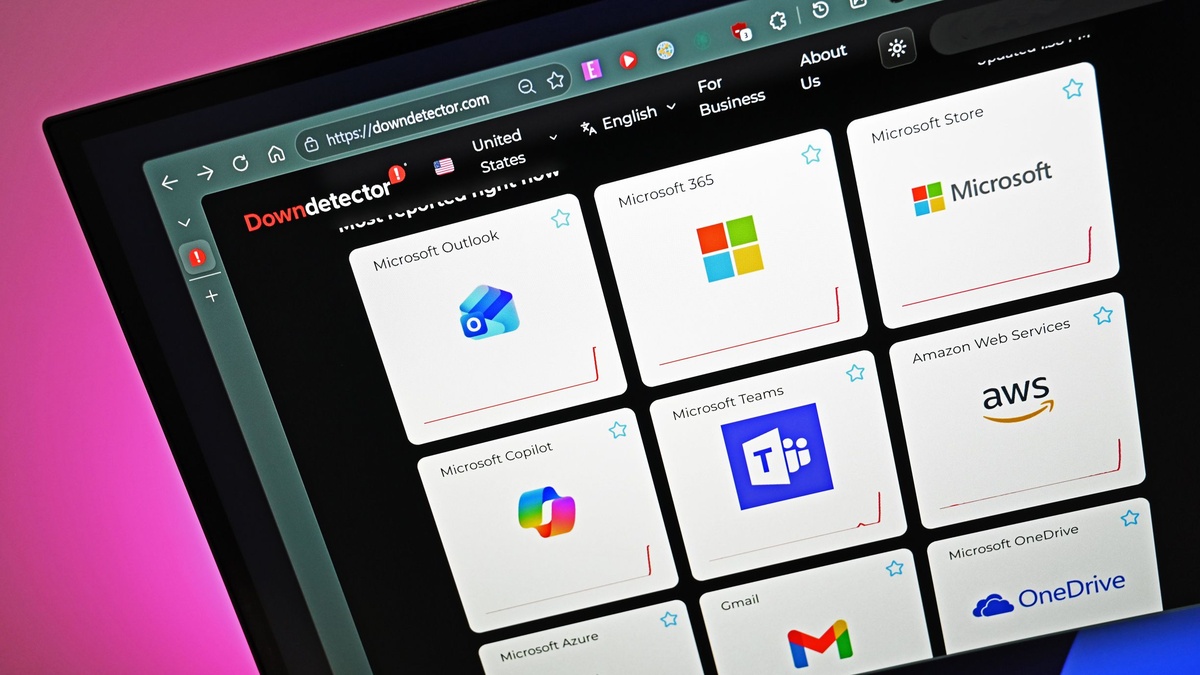
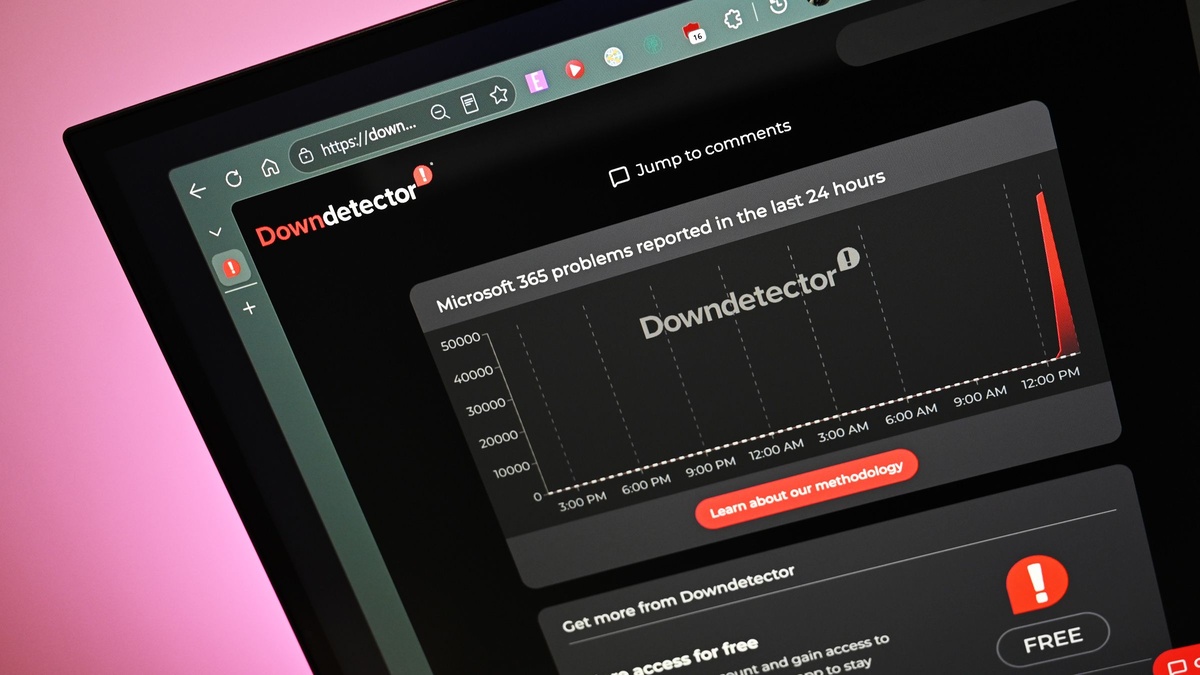
As detailed in thorough industry reporting from Windows Central, the Microsoft 364 outage triggered widespread chaos, exposing how completely modern enterprises rely on Microsoft services for fundamental daily operations.
| Affected Cloud Platform | Primary Failure Symptom | Root Architectural Mechanism | Enterprise Impact Severity |
|---|---|---|---|
| Microsoft Exchange Online | Inbound and outbound email delivery failure, HTTP 503 gateway errors | Edge routing misconfiguration across Front Door ingress endpoints | Critical: Completely stalled internal and external corporate communications |
| Microsoft Teams Collaboration | Dropped VoIP calls, failed message dispatch, tenant sync disconnects | Microservice authentication timeouts and distributed state desynchronization | High: Paralyzed real-time executive operations and scheduled meetings |
| OneDrive & SharePoint Online | File locking errors, persistent client retry loops, document sync freeze | Storage cluster access token verification failures across regional nodes | High: Prevented cloud document editing and collaborative file sharing |
| Microsoft Entra ID (Azure AD) | Single Sign-On authentication rejections, MFA push notification timeouts | Identity federated gateway traffic saturation and load-balancing deadlocks | Critical: Locked employees out of first-party and third-party enterprise tools |
| Azure Core & Xbox Services | Administrative portal access delays, intermittent gaming sign-in failures | Shared control plane degradation impacting global software-defined networks | Moderate: Disrupted administrative deployments and consumer leisure platforms |
Azure Routing Cascades: Unpacking the Root Causes of the Microsoft 364 Outage
Engineering post-mortems following the Microsoft 364 outage point toward severe routing misconfigurations within Azure Front Door and distributed domain name system resolution pipelines.

When core ingress routing tables experienced corrupted route advertisements, incoming customer traffic encountered catastrophic HTTP gateway timeouts rather than reaching healthy backend microservices.
Because modern Software-as-a-Service platforms rely on tightly coupled orchestration layers, a breakdown within foundational network routing quickly triggers systemic cascading failures across dependent products.
During the Microsoft 364 outage, edge proxy servers continuously attempted to reconnect to unresponsive application clusters, generating self-inflicted distributed denial-of-service traffic spikes across internal backbone pipes.
According to architectural guidelines published on Microsoft Learn, enterprise cloud systems should isolate fault domains to avoid single points of catastrophic failure.
Nevertheless, the Microsoft 364 outage proved that shared global ingress layers can inadvertently bypass regional isolation boundaries, taking down multiple geographic datacenters simultaneously.
Enterprise Workflow Paralysis: How Exchange, Teams, and OneDrive Stalled Business Operations
The operational damage caused by the Microsoft 364 outage was felt immediately across corporate offices, where mission-critical communication platforms ceased operating during prime business hours.

Corporate employees arriving at work discovered Exchange Online refusing to deliver urgent client emails, while Microsoft Teams dropped ongoing conference calls and failed to synchronize chat messages.
Simultaneously, OneDrive and SharePoint Online locked shared documents into endless synchronization loops, blocking financial reporting, client deliverables, and collaborative software engineering tasks.
During the Microsoft 364 outage, the failure of Microsoft Entra ID prevented workers from authenticating into third-party enterprise tools like Salesforce and Jira, compounding corporate downtime significantly.
Much like the platform dependencies examined in our Windows platform lifecycle transition guide, modern businesses discover that interconnected enterprise ecosystems carry substantial systemic operational risk.
For millions of remote and hybrid workers, the extended service disruption transformed standard desktop workstations into useless terminals, halting revenue-generating activities for nearly an entire working business day.
The Monoculture Dilemma: Quantifying the Hidden Costs of Centralized SaaS Stacks
Beyond immediate operational headaches, the Microsoft 364 outage sparked serious industry debate regarding the systemic dangers of corporate software monoculture across global IT infrastructure.

When hundreds of thousands of independent enterprises consolidate their productivity tools, identity providers, and data storage under a single multinational vendor, shared risks scale exponentially.
A single technical glitch or faulty configuration push within that centralized vendor instantly paralyzes healthcare facilities, logistics networks, government agencies, and educational institutions worldwide.
Industry analysts reviewing the Microsoft 364 outage observed that organizations maintaining diverse cloud vendors or on-premises backup options maintained communication agility while competitors remained totally frozen.
Contrasting with the independent compute performance analyzed in our Apple M4 Pro chip review, cloud-tethered applications lack functional autonomy when remote authentication servers become unreachable.
Consequently, the Microsoft 364 outage serves as an urgent wake-up call for chief information officers who previously treated public cloud concentration as a risk-free efficiency gain.
Incident Response and SLA Realities: Why Standard Uptime Guarantees Fall Short
Another harsh reality highlighted by the Microsoft 364 outage centers on the stark disconnect between contractual service level agreements and actual commercial damages suffered by organizations.
While enterprise agreements promise 99.9% monthly availability, that SLA metric legally permits over forty-three minutes of unexpected downtime each calendar month without triggering financial penalties.
Even when catastrophic failures violate contractual uptime thresholds, cloud vendors typically reimburse clients through modest percentage-based invoice credits applied against future service billing.
During the Microsoft 364 outage, impacted enterprises lost millions of dollars in idle payroll, missed customer commitments, and delayed contracts that no minor subscription discount could ever remedy.
Similar to the cloud service billing dynamics explored in our Xbox Cloud Gaming architecture review, commercial cloud contracts fundamentally insulate vendors while placing consequential operational liabilities upon enterprise subscribers.
As corporate legal teams review the protracted cloud breakdown, corporate demands for more punitive compensation frameworks and meaningful operational penalties are accelerating across enterprise negotiation tables.
| Service Level Agreement Tier | Published Monthly Uptime Target | Permissible Downtime Per Month | Typical Service Credit Value | Real-World Enterprise Exposure |
|---|---|---|---|---|
| Microsoft 365 Standard SLA (99.9%) | 99.90% operational availability | 43 minutes and 49 seconds | 25% bill credit for uptime under 99.0% | Minor financial rebates cannot cover millions in lost employee wages |
| Azure Virtual Machines & Compute (99.95%) | 99.95% single-instance availability | 21 minutes and 54 seconds | 10% bill credit for falling below 99.95% | Fails to reimburse lost e-commerce transactions and contractual penalties |
| Microsoft Entra ID Premium (99.99%) | 99.99% user authentication uptime | 4 minutes and 23 seconds | 25% bill credit for uptime below 99.9% | Global access lockout halts comprehensive enterprise digital workflows |
| Multi-Cloud Redundant Architecture (99.999%) | 99.999% engineered reliability | 26 seconds total monthly downtime | Vendor-independent continuity protection | Requires secondary cloud infrastructure to isolate vendor blast radiuses |
Architectural Resilience Strategies: Engineering Hybrid Redundancy Beyond Single-Vendor Clouds
To prevent future vulnerabilities exposed by the Microsoft 364 outage, enterprise systems architects are actively drafting multi-cloud redundancy blueprints and decoupled communication topologies.

Forward-thinking organizations are implementing secondary email routing mechanisms through independent third-party gateways, ensuring outbound and inbound messaging continues operating if primary cloud servers collapse.
Furthermore, security administrators are deploying decentralized identity failover mechanisms, allowing corporate devices to validate credentials locally when centralized identity providers suffer unexpected network disconnects.
While consumer computing focuses on peak silicon throughput in our AMD Ryzen 7 9800X3D gaming processor breakdown, enterprise technology prioritizes deterministic resilience and fault tolerance above all else.
Analyzing the Microsoft 364 outage proved that relying on vendor promises of automated regional failover is insufficient when the underlying network routing plane itself suffers uncontained degradation.
By engineering true architectural independence across critical corporate services, resilient organizations protect their workforce from being immobilized whenever centralized cloud ecosystems experience catastrophic systemic blackouts.
Frequently Asked Questions
Why did people nickname the disruption the Microsoft 364 outage?
Users humorously nicknamed it the Microsoft 364 outage because widespread service disruptions lasted nearly twenty-four hours, effectively depriving global customers of one full day of annual cloud availability.
Which Microsoft cloud services experienced downtime during the incident?
The disruption impacted Microsoft Exchange Online, Teams, OneDrive, SharePoint, Entra ID identity services, and Microsoft 365 admin portals, while causing intermittent connectivity problems across Xbox gaming networks.
What was the technical root cause behind the global service failure?
The incident stemmed from corrupted routing advertisements within Azure Front Door and distributed domain resolution tiers, triggering cascading HTTP gateway timeouts across global edge ingress points.
Do Microsoft service level agreements reimburse enterprise financial losses?
Standard Microsoft SLAs only provide percentage-based billing credits against future service fees, leaving enterprise customers completely uncompensated for lost employee productivity and disrupted business transactions.
How can IT departments build resilience against centralized cloud outages?
Organizations build resilience by implementing secondary third-party email hygiene gateways, decentralized identity failover mechanisms, multi-cloud storage backups, and independent out-of-band communication networks.
Final Verdict: Why Enterprise IT Must Rethink Cloud Concentration Risks
In the final assessment, the Microsoft 364 outage exposed the dangerous complacency that develops when global businesses surrender their entire operational fabric to a single monolithic cloud provider.
While centralized Software-as-a-Service ecosystems deliver undeniable administrative convenience and rapid feature velocity, they also construct brittle single points of failure capable of paralyzing worldwide commerce in minutes.
As enterprise leaders rebuild after the Microsoft 364 outage, the definitive takeaway is unambiguous: true architectural resilience demands aggressive multi-vendor redundancy rather than unquestioning faith in cloud vendor perfection.
