


Table of Contents
German independent developer Slow Bros has officially brought its decade-in-the-making narrative adventure to Nintendo’s next-generation hardware, making the Harold Halibut Switch 2 release a critical test for tactile stop-motion artistry running on portable silicon.
Evaluated in a comprehensive hands-on assessment by Nintendo Life, the port earns a solid 7/10 score, celebrating its breathtaking handcrafted claymation style while acknowledging persistent narrative deceleration and camera frame pacing hiccups.
| Technical Specification | Harold Halibut Switch 2 Port | PC / Desktop Release | Current-Gen Console Baseline | Artistic Production Impact |
|---|---|---|---|---|
| Target Display Resolution | 1080p Docked / Dynamic 720p Handheld | Native 4K (2160p) Ultra Fidelity | Dynamic 1440p / 1800p Reconstructed | Handmade physical clay models preserve rich micro-textures |
| Target Frame Rate | Target 30 FPS with Camera Pacing Dips | Unlocked 60+ FPS Native Sync | Locked 30 FPS / 60 FPS Performance | Stop-motion puppet animation cadence feels visually organic |
| Artistic Fabrication Pipeline | 3D Photogrammetry of Real Marionettes | Full-Scale Physical Miniature Scans | Digitized Physical Clay Sculptures | Over 10 years of physical set building and hand sewing |
| Audio & Tactile Feedback | Subtle HD Rumble for Pneumatic Tubes | Dolby Atmos Multi-Channel Spatial Audio | DualSense Haptic Vibration Profiles | Mechanical hum of underwater life aboard the colony ship |
| Campaign Runtime | Approximately 11 to 12 Hours | Approximately 11 to 12 Hours | Approximately 11 to 12 Hours | Deliberate narrative pacing focusing on character dialogue |
Stop-Motion Craftsmanship: A Decade of Physical Marionette Scanning and Tactile Animation
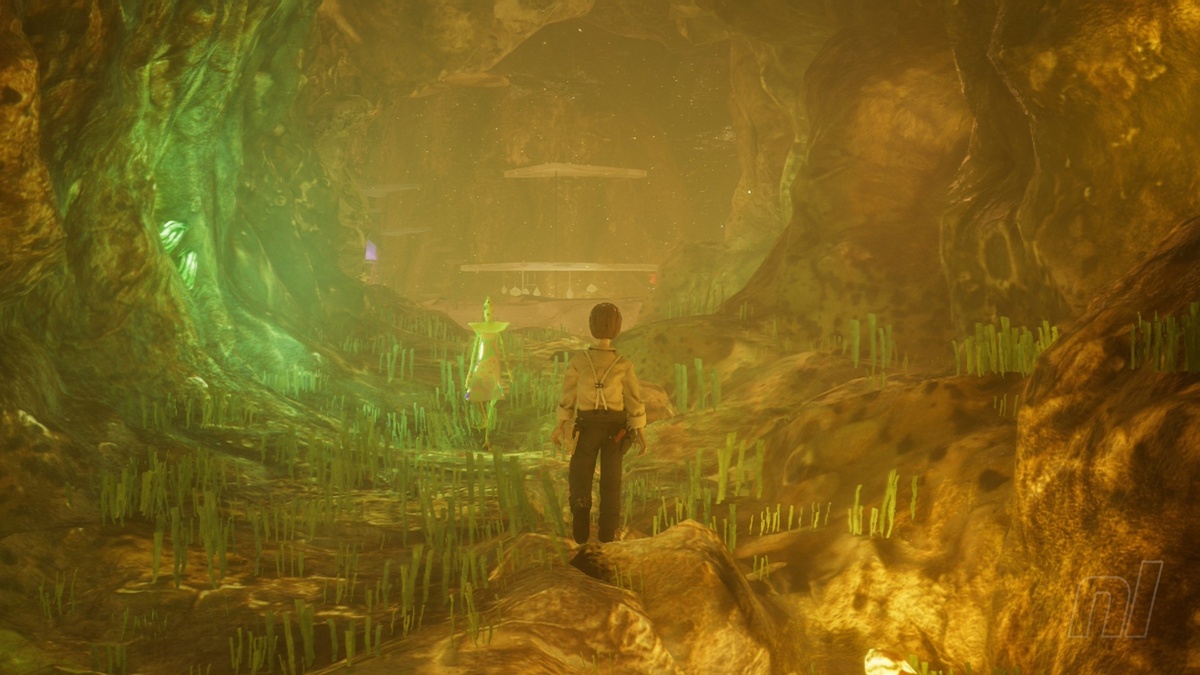
The most arresting quality of the experience remains its unprecedented visual fidelity, constructed entirely from physical miniature sets, hand-sculpted clay figures, and meticulously tailored textile garments scanned into digital game space.
Over ten years of patient physical fabrication allowed Cologne-based studio Slow Bros to bypass conventional polygonal character models, granting the Harold Halibut Switch 2 edition an authentic stop-motion texture rarely achieved in modern digital interactive media.
Every facial crease, rough textile hem, and metallic seam aboard the colony vessel Fedora 1 exudes artisanal weight, invoking the quirky stop-motion cinematic charm of Wes Anderson masterworks like Isle of Dogs and Fantastic Mr. Fox.
Unlike traditional 3D titles that artificially simulate claymation through post-processing shaders, the developers digitized real physical puppets using advanced photogrammetry, preserving tactile micro-imperfections across every prop, dial, and retro-futuristic control panel.
This painstaking physical construction ensures that the Harold Halibut Switch 2 version provides an immediate visual punch that commands attention from the opening cinematic sequence to the final ship corridor.
Life Aboard the Fedora 1: Atmospheric Worldbuilding and Charming Narrative Foundations
The narrative premise places players in the sensible shoes of Harold, a mild-mannered lab assistant and handyman navigating the Fedora 1, a colossal spaceship that fled Earth during the Cold War.
Now marooned for 250 years beneath the crushing depths of an alien ocean planet, the surviving human population exists under the bureaucratic governance of the All Water corporation, balancing daily utility chores against dwindling hope.
Early campaign hours aboard Harold Halibut Switch 2 shine brightly as players perform mundane janitorial duties, sweeping filters, unclogging pipe fixtures, and bantering with an eclectic ensemble of eccentric, melancholic shipboard residents.
Dialogue writing balances deadpan situational humor against genuine philosophical melancholy, turning routine errands across residential and administrative modules into delightful character studies that establish meaningful human connections.
Harold functions as a gentle, endearing everyman whose quiet curiosity anchors the community, creating a warm social atmosphere that makes the enclosed aquatic spaceship feel genuinely inhabited and culturally distinct.
Back-Half Narrative Deceleration: Pacing Obstacles Across the 11-Hour Campaign
Despite the intoxicating worldbuilding established during initial explorations, the overarching story loses substantial momentum once the core scientific mystery surrounding planet departure and mysterious extraterrestrial contact shifts into high gear.
As the main campaign stretches across its eleven-hour running time, storytelling rhythm bogs down beneath repetitive traversal routines through familiar ship compartments, diluting dramatic stakes when emotional urgency should theoretically accelerate.
Critics reviewing Harold Halibut Switch 2 noted that pivotal character conflicts often resolve through prolonged conversational corridors rather than compelling interactive breakthroughs, leaving players feeling like passive observers of predetermined theatrical sketches.
While Harold delivers a moving late-game soliloquy that showcases poignant vocal talent, his active agency frequently diminishes into serving as a conversational conduit rather than an impactful narrative protagonist.
This pacing friction echoes historical adventure game design bottlenecks, creating a noticeable structural contrast between the title’s breathtaking physical presentation and its increasingly sluggish dramatic rhythm.
Switch 2 Hardware Port Analysis: Docked Fidelity, Camera Jitter and Handheld Performance
Transitioning a bespoke photogrammetry pipeline onto portable hardware presents substantial technical challenges, making the Harold Halibut Switch 2 port a fascinating study in handheld optimization and memory bandwidth allocation.
When docked to an external display, the game renders cleanly at 1080p, preserving delicate puppet clay textures and complex volumetric water illumination, though keen eyes will notice subtle softening compared to premium PC presets.
However, camera motion exposes persistent frame pacing instability, resulting in noticeable stuttering during wide camera zooms and horizontal corridor pans as asset streaming saturates internal memory buffers.
| Campaign Chapter | Estimated Duration | Core Exploration Focus | Dramatic Narrative Tone | Interactive Engagement Level |
|---|---|---|---|---|
| Act I: The Submerged Fedora 1 | 3.5 Hours | Shipboard janitorial tasks and crew introductions | Eccentric retro-futuristic comedy | Moderate interaction with high tactile immersion |
| Act II: Extraterrestrial Contact | 4.0 Hours | Underwater laboratory research and scientific trials | Philosophical mystery and aquatic awe | Exploratory dialogue with linear puzzle elements |
| Act III: Planetary Departure | 3.5 Hours | Crucial transit corridors and crew farewells | Emotional melancholy and plot resolution | Passive traversal with heavy dialogue reliance |
| Complete Campaign Arc | 11.0 Hours | Full narrative odyssey aboard the Fedora 1 | Thoughtful artistic sci-fi allegory | 7/10 Rated cinematic narrative adventure |
Similar bandwidth considerations drive modern mobile hardware choices, paralleling architectural insights examined in our analysis of the Apple M4 Mac mini redesign and processing specifications.
In handheld configuration, the Harold Halibut Switch 2 presentation scales down smoothly to 720p on the console display, delivering comfortable reading sizes for dialogue transcripts despite occasional environmental frame rate dips.
Interactive Adventure Design: Janitorial Tasks Versus Walking Simulator Conventions
Players approaching Harold Halibut Switch 2 expecting traditional point-and-click inventory puzzles or complex environmental problem-solving may encounter unexpected mechanical simplicity during their journey.
Slow Bros prioritizes pure cinematic immersion over demanding puzzle mechanics, structuring Harold Halibut Switch 2 primarily as a narrative walking simulator punctuated by tactile minigames like scrubbing filtration grates or re-wiring electrical terminals.
This deliberate mechanical streamlining mirrors modern cloud distribution strategies, where narrative accessibility takes precedence over punishing difficulty, much like trends observed across Xbox Cloud Gaming pay-as-you-go pricing bundles.
For audiences seeking interactive challenge, the absence of branching choices or multi-layered logic riddles can feel underwhelming, especially considering how meticulously crafted every physical prop appears throughout the game.
Nevertheless, studio founders at Slow Bros maintain that unhurried pacing allows players to absorb environmental storytelling and puppet choreography without cognitive friction interrupting dramatic resonance.
Frequently Asked Questions
What is the review score for Harold Halibut Switch 2?
Nintendo Life awarded the Harold Halibut Switch 2 edition a Good 7/10 rating, praising its extraordinary handmade stop-motion aesthetic while noting frame stutter and narrative pacing drag in the back half.
How long does it take to beat Harold Halibut on Switch 2?
The main narrative campaign of Harold Halibut Switch 2 requires approximately 11 to 12 hours to complete, depending on how thoroughly players explore side conversations and inspect environmental dioramas.
Does the game run at 60 FPS on Nintendo Switch 2?
No, Harold Halibut Switch 2 targets 30 frames per second on Nintendo Switch 2, exhibiting occasional frame pacing jitters during rapid cinematic zooms and sweeping horizontal camera pans.
What genre of game is Harold Halibut?
Harold Halibut is a narrative-driven walking adventure featuring light mechanical minigames, emphasizing cinematic stop-motion storytelling, eccentric character dialogue, and rich retro-futuristic atmosphere over complex logic puzzles.
Is the port playable in handheld mode?
Yes, the underwater adventure is fully playable in both handheld and docked configurations, rendering comfortably at 720p on the portable display with legible dialogue subtitles throughout.
Final Verdict: An Ambitious Stop-Motion Wonder Tempered by Late-Game Drag
The release of Harold Halibut Switch 2 stands as a monumental artistic milestone, demonstrating how patient physical craftsmanship and stop-motion animation can transform contemporary video game presentation into museum-grade interactive art.
While structural pacing issues and occasional camera frame stuttering prevent the narrative from achieving unreserved masterpiece status, the lovable cast and quirky aquatic lore deliver enduring emotional warmth.
For players who value peerless tactile visual design and deliberate atmospheric storytelling, Harold Halibut Switch 2 remains an enchanting underwater voyage well worth experiencing on Nintendo’s portable hardware.
