



Table of Contents
In a massive departure from prior franchise design, GTA 6 In-Game Internet has been completely abandoned by Rockstar Games in favor of native mobile applications. Developers determined that antiquated in-game desktop web browsers no longer match modern smartphone habits or grounded underworld narratives.
Detailed reporting published by Insider Gaming and development interviews outline why protagonists Jason and Lucia bypass digital shopping portals. Instead, players build their criminal syndicate through authentic street work, physical connections, and specialized software.
| System Parameter | Grand Theft Auto VI Architecture | Grand Theft Auto V Baseline (2013) | Impact on Open-World Gameplay |
|---|---|---|---|
| Digital Interface Model | Dedicated native smartphone applications and dynamic notification feeds. | Simulated Eyefind desktop web browser with static website URLs. | Matches modern 2026 mobile workflows while accelerating quick menu navigation. |
| Asset Acquisition Method | Street fencing, black-market smugglers, and organic physical heist rewards. | Online shopping catalogs with instant vehicle home deliveries. | Forces authentic criminal progression rather than instant credit card shopping. |
| Social Media Integration | Interactive vertical short-video feed reflecting real-time world events. | Static parody social profiles displaying pre-scripted mission text updates. | Creates reactive digital chatter capturing ambient civilian reactions across Leonida. |
| Financial & Banking Flow | Direct mobile wallet transfers with laundering requirements and ledger tracking. | Maze Bank online deposit portal with instantaneous clean cash balances. | Adds logistical friction and risk when handling hot cash from robberies. |
| Hardware Weapon Logistics | Underground arms dealers and contextual car-trunk equipment distribution. | Ammu-Nation web portal ordering with automated personal armory restocking. | Restores value to weapon discovery and physical territory supply lines. |
Ditching the Web: Why GTA 6 In-Game Internet Was Replaced
The historic shift away from GTA 6 In-Game Internet marks a critical evolution in how Rockstar Games structures sandbox interactions. For over two decades, Grand Theft Auto satirized early online culture through dial-up internet cafes and fictional web domains.
Rockstar head of development Rob Nelson revealed that during production, UI director Stu Petri questioned the purpose of retaining simulated web pages. When asked why players needed browser windows, the team realized native apps offered superior gameplay pacing.
In modern consumer culture, smartphones operate primarily through dedicated application environments rather than open desktop browser navigation. Rockstar recognized that forcing players to navigate GTA 6 In-Game Internet portals felt clunky and detached from contemporary life in South Florida.
Rather than navigating cumbersome parody search engines, Jason and Lucia manage their illicit enterprises directly through custom smartphone software. This streamlined digital hub ensures players spend less time reading static parody text and more time navigating Leonida’s bustling districts.
The creative team prioritized environmental storytelling and immersive street crime over simulated web portals. By eliminating the desktop web paradigm, Rockstar ensures that every criminal transaction feels grounded, immediate, and firmly rooted in real physical space.
Smartphone App Ecosystem: Modern UI Replaces Desktop Browsers
The reimagined smartphone interface in Grand Theft Auto VI functions as an interactive operating system tailored for fast-paced criminal management. Instead of opening a slow GTA 6 In-Game Internet browser, players seamlessly launch purpose-built mobile applications with instantaneous touch response.
One standout feature is the vertical short-video application, heavily featured in the game’s record-breaking debut trailer. This feed captures real-time viral moments, high-speed police chases, and outrageous citizen antics generated dynamically throughout Vice City.
Messaging applications replace legacy GTA 6 In-Game Internet email terminals, enabling encrypted communications with fences, fixers, and crew members across state lines. Conversations unlock branching job opportunities, tactical intel drops, and timely police scanner warnings that influence upcoming heist planning.
Navigation and ride-sharing apps provide responsive mapping tools that calculate optimal escape routes through congested urban corridors. These applications integrate directly with personal vehicles, displaying dynamic traffic alerts and automated GPS waypoints without pausing the action.
Financial management apps replace legacy GTA 6 In-Game Internet banking pages, handling encrypted cryptocurrency wallets, bank transfers, and offshore transaction logs. Unlike earlier games where funds were magically laundered, players must navigate digital audit trails to protect illicit loot.
Criminal Economy Progression: Upgrading GTA 6 In-Game Internet Logistics
Restructuring GTA 6 In-Game Internet directly transforms how players advance from low-level street hustlers into major criminal kingpins. In earlier franchise installments, players could amass fortune quickly and order military hardware from digital catalogs on day one.
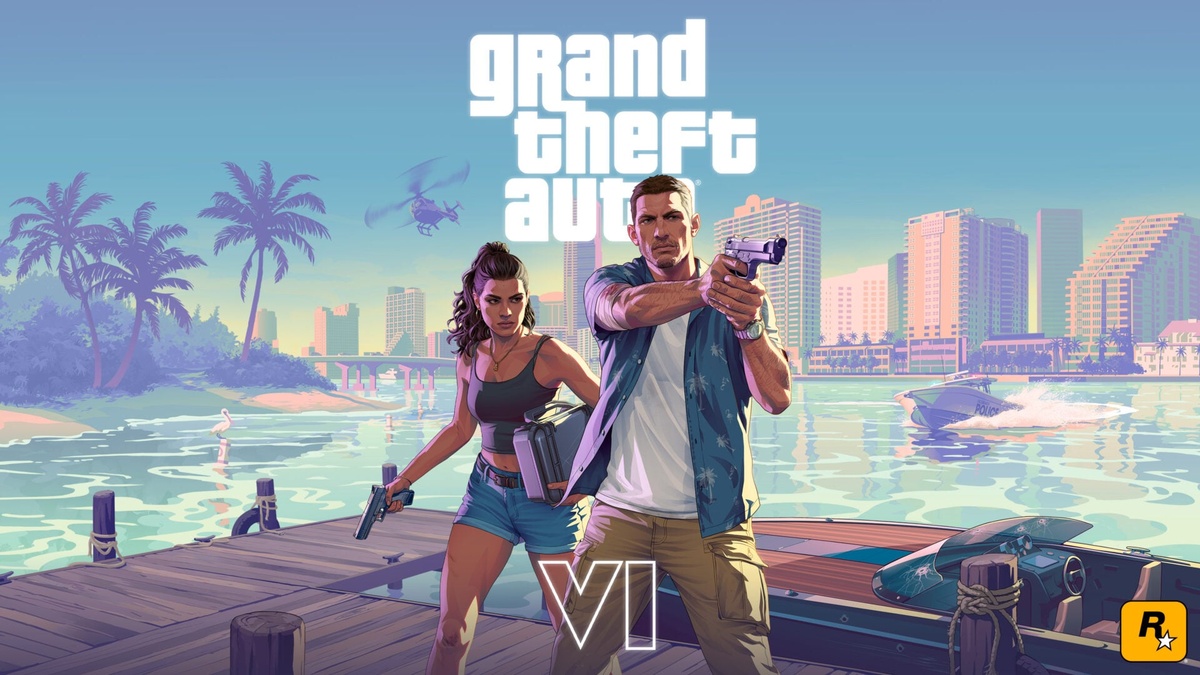
Rockstar intentionally dismantled this instant-gratification loop to deliver a gritty, rewarding rags-to-riches criminal arc for both protagonists. Jason and Lucia begin their journey robbing corner liquor stores, boosting standard street sedans, and pawning stolen watches for petty cash.
Rob Nelson highlighted that criminal enterprises expand naturally through physical reputation rather than GTA 6 In-Game Internet ordering portals. Meeting shady contacts in secluded diners unlocks exclusive black-market armaments that cannot simply be purchased through an online storefront.
Vehicles also follow this organic progression model, forcing players to locate chop shops and underground mechanics to modify high-end rides. Exotic supercars require daring street thefts, hot-wiring mini-games, and cloned license plates before entering personal garage collections.
This design choice ensures that GTA 6 In-Game Internet mechanics do not undermine the tension and vulnerability of early campaign missions. Every weapon, vehicle, and safehouse feels earned through meticulous reconnaissance, risky planning, and daring real-world criminal execution.
Grand Theft Auto V Legacy Comparison: From Eyefind to Dedicated Apps
Comparing the digital interfaces of Grand Theft Auto V with Grand Theft Auto VI illustrates over a decade of technological progress. In 2013, Los Santos relied on Eyefind.info, a clever parody of early internet portals filled with hilarious commercial parodies.
While websites like Warstock were entertaining, legacy GTA 6 In-Game Internet prototypes disconnected players from physical world exploration. Gamers spent substantial portions of playtime scrolling web pages on virtual smartphones, turning exciting criminal shopping into static menu selections.
Grand Theft Auto VI completely reimagines this user experience by moving beyond GTA 6 In-Game Internet paradigms into native mobile workflows. Dedicated applications offer fluid animations, swipe gestures, and push notifications that keep players immersed inside Leonida’s dynamic environments.
| Gameplay Dimension | GTA 5 Web Portal System (2013) | GTA 6 Native App Framework (2026) | Player Experience Evolution |
|---|---|---|---|
| Vehicle Procurement | Purchased via Legendary Motorsport with automated garage delivery. | Physical grand theft, VIN tampering, and underground chop-shop delivery. | Transforms vehicle acquisition into an active, high-risk open-world mission. |
| Real Estate Investment | Dynasty 8 website shopping with instant property ownership transfer. | In-person territorial takeovers, physical leases, and protection rackets. | Embeds property acquisition within character relationships and turf warfare. |
| Stock Market Trading | LCN and BAWSAQ simulated stock tickers manipulated by mission scripts. | Dynamic shadow banking networks, contraband arbitrage, and cash laundering. | Replaces static stock charts with tangible criminal supply-and-demand mechanics. |
| Communication Medium | Linear phone calls and text messages stored in static inbox folders. | Encrypted group chats, audio voice memos, and interactive video calls. | Enables rich character development through modern multimedia communication. |
| Intel Gathering | Pre-written news articles posted on Eyefind homepages post-mission. | Viral livestream feeds, citizen eyewitness accounts, and police scanners. | Delivers immediate emergent feedback reflecting player chaos across Leonida. |
Hardware performance on modern consoles like PlayStation 5 enables instantaneous app multitasking without noticeable loading delays or frame drops. Players can inspect tactical alerts while driving down Ocean Drive at triple-digit speeds without disruptive pause screens or browser buffering.
Hardware enthusiasts tracking cutting-edge components like the AMD Ryzen 7 9800X3D understand how advanced CPU architecture powers reactive open worlds. Similarly, modern game interfaces require sophisticated real-time logic.
Organic World Immersion: How GTA 6 In-Game Internet Shifts Street Crime
Removing GTA 6 In-Game Internet radically intensifies street-level immersion across the diverse biomes of the fictional state of Leonida. Every purchase, vehicle modification, and equipment upgrade requires players to interact directly with the game’s expansive physical universe.

To acquire high-powered sniper rifles or military-grade body armor, players must cultivate relationships with specialized underworld arms dealers. These smugglers operate out of industrial warehouses, abandoned swamp docks, and unmarked shipping containers hidden throughout Vice City.
This emphasis on physical presence aligns perfectly with Rockstar’s ambition to create their most living sandbox environment to date. Rather than clicking buttons on GTA 6 In-Game Internet websites, players engage in atmospheric meetups that can turn violent without warning.
Much like hardware transitions detailed in our Apple M4 Mac mini redesign analysis, Rockstar redesigned core systems from scratch. Eliminating virtual desktop web browsers allows developers to allocate processing power toward dense crowd AI.
By anchoring criminal transactions in physical locations, GTA 6 In-Game Internet redesign ensures that Leonida feels truly alive and perilous. Navigating dark alleys and hostile rival territories keeps adrenaline high throughout every stage of criminal empire building.
Technical UI Architecture: Streamlining Leonida Social Systems
From an engineering standpoint, crafting an authentic in-game smartphone operating system presents sophisticated user interface design challenges. Rockstar engineers developed dynamic UI rendering pipelines that allow applications to update seamlessly in real time during intense combat.
In earlier sandbox engines, opening legacy GTA 6 In-Game Internet browsers required freezing surrounding game simulations or switching into restrictive UI states. In Grand Theft Auto VI, smartphone apps function as lightweight overlays that operate concurrently with active world simulations.
Gamers monitoring system transitions, such as when Nvidia ends Windows 10 GPU driver support, appreciate how modern software optimizes legacy resource bottlenecks. Rockstar applied identical principles by modernizing its proprietary in-game interface architecture.
Audio design also plays an integral role, with app notifications, camera shutters, and incoming alerts accurately mapped into spatial audio. Civilians notice phone rings during stealth missions, creating emergent gameplay tension whenever players receive unexpected incoming phone calls.
Furthermore, cloud gaming services like Xbox Cloud Gaming pay-as-you-go bundles demonstrate how responsive mobile streaming architectures must be. Rockstar similarly refined its UI responsiveness for frictionless gamepad navigation.
Future Online Implications: Will Web Portals Return in Updates
While the single-player campaign omits GTA 6 In-Game Internet web pages, questions linger regarding how online multiplayer will handle asset commerce. In Grand Theft Auto Online, web portals have served as the fundamental backbone for purchasing high-end properties, supercars, and aircraft.
Rob Nelson acknowledged that while story mode prioritizes grounded realism, digital web catalogs could theoretically return in future multiplayer expansions. Multiplayer balance often demands rapid commerce interfaces that enable dozens of players to manage assets without physical storefront congestion.
However, early internal testing suggests Rockstar aims to replace legacy GTA 6 In-Game Internet web portals with next-generation multiplayer mobile suites. Black-market auction houses, contraband bidding systems, and syndicate management tools may live entirely inside unified smartphone software frameworks.
Official franchise updates hosted on Rockstar Games continue to emphasize player agency and deeply detailed world interaction. Single-player design principles frequently shape upcoming online ecosystems.
Whether web browsers ever return, replacing GTA 6 In-Game Internet with native applications establishes a new benchmark for open-world environmental storytelling. The shift ensures that Grand Theft Auto VI feels like an authentic reflection of the mid-2020s digital landscape.
Frequently Asked Questions
Why did Rockstar Games remove in-game internet websites in GTA 6?
Rockstar removed GTA 6 In-Game Internet because developers determined simulated desktop web browsers felt obsolete and detached from modern mobile culture. UI director Stu Petri and development lead Rob Nelson chose to focus on native smartphone apps and organic street-level crime.
How do players buy supercars and weapons without in-game websites?
Instead of ordering from online shopping catalogs, players must steal vehicles, utilize underground chop shops, and meet physical black-market arms smugglers. This design restores authentic criminal progression, making luxury assets feel earned through high-stakes underworld missions.
What smartphone apps are included in Grand Theft Auto VI?
GTA 6 features a diverse app suite including a vertical viral short-video feed, encrypted messaging, ride-sharing navigation, and financial transaction apps. These native apps operate seamlessly alongside real-time gameplay without freezing world simulations.
Will in-game websites return in GTA 6 Online multiplayer?
Rockstar has not ruled out returning to GTA 6 In-Game Internet portals for future online multiplayer updates where rapid catalog commerce is convenient. However, current development indicates multiplayer will also rely heavily on unified mobile apps and interactive black-market hubs.
How does removing the internet improve open-world immersion?
Eliminating GTA 6 In-Game Internet encourages players to physically explore Vice City and Leonida rather than spending extended time browsing static fictional web pages. Every transaction becomes an interactive, potentially dangerous encounter that reinforces the gritty criminal narrative.
Final Verdict on Rockstar App Evolution: Realism Over Websites
Ditching GTA 6 In-Game Internet represents one of the boldest design evolutions in Rockstar Games history, prioritizing immersive realism over convenient menu catalogs. By replacing clunky simulated websites with responsive smartphone apps, developers modernised the sandbox user interface for a new gaming generation.
This mechanical transformation restores weight and danger to open-world criminal enterprise, requiring Jason and Lucia to physically claim their underworld empire. Rather than shopping from safety, players must venture onto dangerous neon streets, navigate gang rivalries, and forge authentic illicit alliances.
Ultimately, retiring GTA 6 In-Game Internet proves that Grand Theft Auto VI is not content merely replicating the triumphant formula of its predecessor. Leonida delivers an uncompromising, forward-thinking vision of modern open-world gaming where every illicit transaction matters.
