


Table of Contents
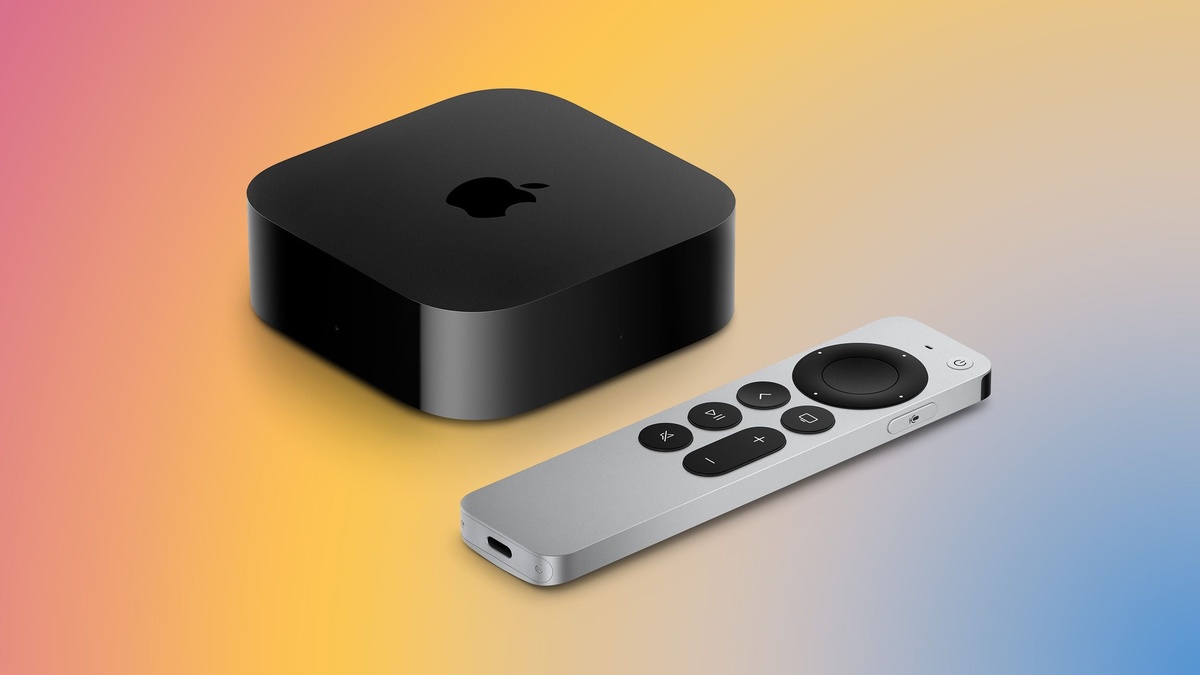
System diagnostics extracted from Apple’s next-generation streaming box confirm that the new Apple TV 4K A19 chip operates with one disabled efficiency core, creating a five-core CPU configuration tailored specifically for high-efficiency living room entertainment.
First identified by developer pdfu and reported by MacRumors, this silicon configuration pairs two performance cores clocked up to 4.26 GHz alongside three efficiency cores running at 2.592 GHz, delivering immense processing headroom.
| Specification Metric | New Apple TV 4K (2026) | Standard iPhone 17 | iPhone 17 Pro | 2022 Apple TV 4K (3rd Gen) |
|---|---|---|---|---|
| Silicon Processor | Apple A19 (Binned Die) | Apple A19 (Standard Die) | Apple A19 Pro | Apple A15 Bionic (Binned Die) |
| CPU Core Count | 5 Cores (2 Perf + 3 Eff) | 6 Cores (2 Perf + 4 Eff) | 6 Cores (2 Perf + 4 Eff) | 5 Cores (2 Perf + 3 Eff) |
| Peak Performance Clock | 4.26 GHz Burst | 4.26 GHz Burst | 4.42 GHz Burst | 3.23 GHz Burst |
| Peak Efficiency Clock | 2.592 GHz Base | 2.592 GHz Base | 2.650 GHz Base | 2.010 GHz Base |
| GPU Core Configuration | 5 Cores (1.47 GHz Clock) | 5 Cores (1.47 GHz Clock) | 6 Cores (Ray Traced) | 5 Cores (1.20 GHz Clock) |
| Semiconductor Node | TSMC 3nm (N3P Lithography) | TSMC 3nm (N3P Lithography) | TSMC 3nm (N3P Enhanced) | TSMC 5nm (N5P Lithography) |
| Thermal Architecture | Passive Metal Heatsink | Passive Chassis Dissipation | Graphite / Vapor Chamber | Passive Internal Heatsink |
Silicon Binning Mechanics: Why Apple Switched Off an Efficiency Core
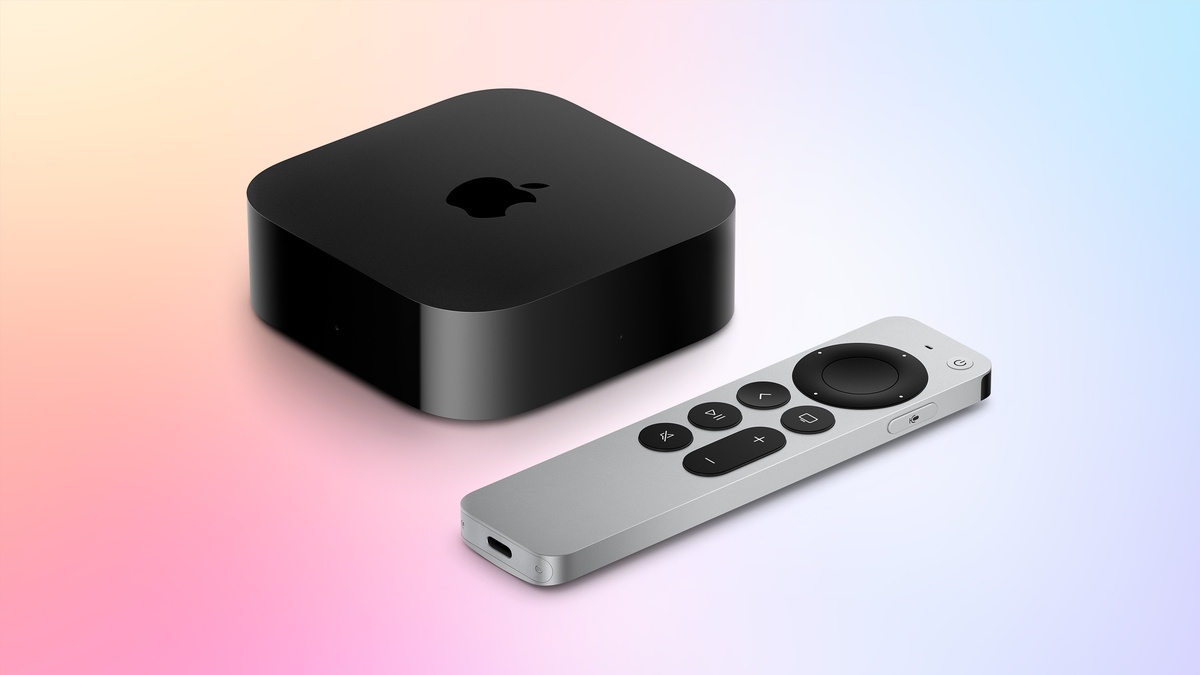
Sourcing processors for consumer electronics requires rigorous yield management, and utilizing a binned Apple TV 4K A19 chip allows Apple to harvest dies containing localized semiconductor defects that would otherwise disqualify them from standard iPhone production lines.
Semiconductor manufacturing at advanced lithography nodes suffers microscopic defect densities across large wafers, making it cost-prohibitive to discard silicon that features flawless performance cores and graphics logic alongside a single flawed low-power cluster component.
By isolating and permanently fusing off the defective low-power unit during fabrication, Apple prepares the Apple TV 4K A19 chip to deliver flagship-grade computational architecture to living rooms at an accessible consumer price point.
Similar silicon harvesting strategies dominate modern processor manufacturing, mirroring principles explored in our deep-dive analysis of AMD Ryzen 7 9800X3D gaming processor silicon yields, where binning maximizes wafer profitability across consumer computing.
For the consumer, running an Apple TV 4K A19 chip with five active CPU cores provides essentially imperceptible real-world divergence from a six-core iPhone die during media playback, system navigation, and home automation telemetry.
Living room applications rarely saturate multi-threaded background queues to the degree that a sixth physical core proves necessary, making this five-core topology exceptionally well suited for low-overhead television software environments.
Clock Speeds and Architecture: 4.26 GHz Performance in a Fanless Chassis
Diagnostic telemetry demonstrates that the Apple TV 4K A19 chip achieves peak single-core clock frequencies of 4.26 GHz on its dual performance cores, matching the burst capabilities observed on contemporary premium mobile devices.
The three active efficiency cores operate at a maximum sustained frequency of 2.592 GHz, handling persistent tvOS background housekeeping, HomeKit hub coordination, Matter mesh routing, and network protocol streaming with minimal electrical power draw.
Because the compact chassis lacks active mechanical cooling, these elevated clock figures represent peak opportunistic bursts rather than permanently sustained thermal limits during prolonged heavy computational scenarios.

Thermal throttling curves embedded into the firmware gently dial back aggressive frequencies during continuous high-load operations, preserving whisper-quiet acoustics without risking thermal degradation to internal solder joints or memory packages.
This delicate thermal balancing act mirrors the thermal engineering principles outlined in our teardown of Apple M4 Mac mini compact chassis thermal management, where passive thermal dissipation dictates long-term sustained computing throughput.
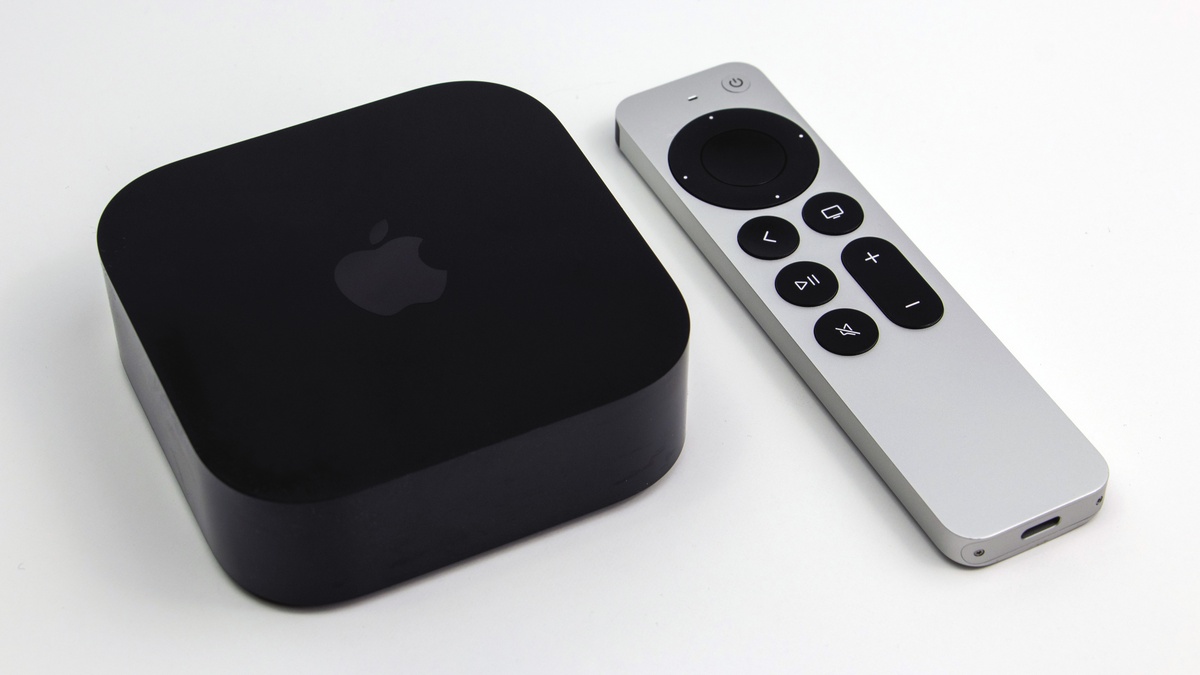
Despite passive cooling constraints, the Apple TV 4K A19 chip provides immediate responsiveness, ensuring that fluid 120 Hz UI transitions, rapid app launches, and instant 4K HDR playback initiate without noticeable latency.
Five-Core Graphics Throughput: Living Room Gaming and Ray Tracing Demands
Alongside the five-core CPU cluster, system profiling confirms that the Apple TV 4K A19 chip incorporates a five-core GPU running at clock speeds reaching 1.47 GHz, providing substantial graphical power for modern living room entertainment.
The integrated graphics silicon supports hardware-accelerated ray tracing and dynamic mesh shading, allowing next-generation Apple Arcade titles and console ports to render complex lighting and reflections directly on connected 4K displays.
Modern console ports brought to tvOS leverage the Apple TV 4K A19 chip to achieve consistent frame pacing across demanding 3D set pieces that frequently overwhelmed previous streaming box generations.
Enhanced graphical throughput also bolsters spatial computing integrations, enabling smooth AirPlay mirroring of high-resolution spatial video captures and immersive panoramic photographs captured via the latest camera sensors.
While dedicated home consoles maintain higher total compute budgets, the Apple TV 4K A19 chip bridges the divide between lightweight mobile titles and mid-tier console gaming without requiring noisy cooling fans.
Coupled with modern wireless controllers from PlayStation and Xbox, this hardware evolution transforms the streaming receiver into a capable, silent living room gaming console suitable for mainstream families.
Historical Silicon Precedent: Comparing the A19 Revision to the Binned A15 Bionic
Hardware sleuths noting the disabled efficiency core will find historical precedent in Apple’s product roadmap, as the third-generation 2022 Apple TV 4K previously deployed a binned version of the A15 Bionic processor.
In that previous iteration, Apple disabled one of the processor’s six CPU cores, transitioning from a six-core mobile layout to a five-core living room configuration without sacrificing subjective streaming performance or energy efficiency.
Adopting a binned Apple TV 4K A19 chip illustrates an intentional, multi-generational supply chain playbook designed to extract maximum financial return from bleeding-edge semiconductor wafers manufactured by Taiwan Semiconductor Manufacturing Company.
| Hardware Generation | Silicon Architecture | Binned Core Details | Memory & Storage | Display Output | Primary Living Room Role |
|---|---|---|---|---|---|
| Apple TV 4K (4th Gen, 2026) | Apple A19 (3nm N3P) | 1 Efficiency Core Disabled (5-Core CPU) | 8 GB RAM / 128 GB Storage | 4K HDR, Dolby Vision, 120Hz | Console Gaming, Ray Tracing, AI Hub |
| Apple TV 4K (3rd Gen, 2022) | Apple A15 Bionic (5nm N5P) | 1 CPU Core Disabled (5-Core CPU) | 4 GB RAM / 64 GB Storage | 4K HDR, HDR10+, 60Hz | Fluid 4K Streaming, Apple Arcade |
| Apple TV 4K (2nd Gen, 2021) | Apple A12 Bionic (7nm) | Full 6-Core Layout (2P + 4E) | 3 GB RAM / 32 GB Storage | 4K HDR, High Frame Rate HDR | High Bitrate Streaming, Siri Hub |
| Apple TV 4K (1st Gen, 2017) | Apple A10X Fusion (10nm) | Full 6-Core Layout (3P + 3E) | 3 GB RAM / 32 GB Storage | 4K HDR, Dolby Vision, 60Hz | Legacy 4K Media Playback |
Wafer fabrication economics reported by industry analysts at Tom’s Hardware emphasize that cutting-edge 3-nanometer lithography yields improve dramatically when manufacturers establish downstream product destinations for partially defective dies.
Rather than lowering silicon prices or scrapping functional chips, Cupertino reroutes these harvested processors into dedicated living room hardware where continuous multi-threaded performance is secondary to media decoding efficiency.
Consequently, the deployment of the Apple TV 4K A19 chip solidifies Apple’s operational advantage, converting fabrication anomalies into high-margin living room streaming hardware that outperforms rival smart television platforms.
Living Room Thermals and Efficiency: Sustained Throughput Versus Peak Bursts
Operating a premier mobile processor inside a fanless streaming chassis requires sophisticated thermal power management, particularly when the Apple TV 4K A19 chip engages intensive machine learning and video decoding routines.
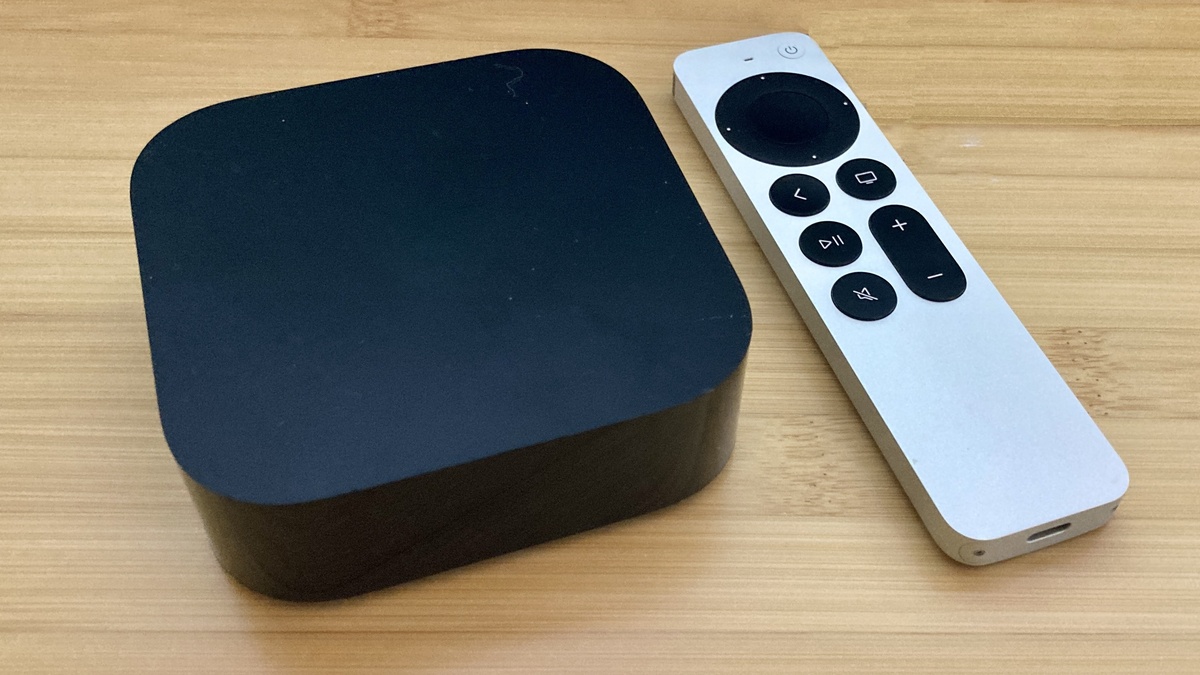
Unlike smartphones that battle constrained surface temperatures to avoid burning consumer hands, the streaming console disperses heat through a broad internal metal plate and passive convective airflow channels.
This physical layout enables the Apple TV 4K A19 chip to maintain elevated boost frequencies longer than handheld smartphones, compensating for the deactivated efficiency core during sustained burst operations.
Energy efficiency is further augmented by hardware decoding engines tailored for AV1, HEVC, and Dolby Vision, which offload computationally intensive video decompression entirely away from the primary CPU cores.
Media decoding efficiency ensures negligible power draw during routine 4K streaming, consuming mere fractions of the wattage demanded by modern game consoles or traditional desktop entertainment centers.
This combination of ultra-low idle consumption and aggressive burst capability establishes the Apple TV 4K A19 chip as an eco-conscious home hub capable of uninterrupted operation across years of continuous service.
Frequently Asked Questions
Why does the Apple TV 4K A19 chip have one CPU core disabled?
Apple utilizes silicon binning to repurpose processors with minor fabrication defects, disabling one efficiency core to maximize manufacturing yields while maintaining stellar living room performance.
How does the five-core A19 compare to the iPhone 17 processor?
While the iPhone 17 utilizes a full six-core A19 configuration with four efficiency cores, the Apple TV 4K A19 chip features three efficiency cores alongside two identical 4.26 GHz performance cores.
Will the disabled efficiency core affect 4K streaming or gaming performance?
Streaming video decoding relies on dedicated hardware accelerators, meaning 4K HDR playback and gaming remain exceptionally fast despite the deactivated core on the Apple TV 4K A19 chip.
Does the new Apple TV 4K have a cooling fan?
The streaming box utilizes an entirely passive fanless thermal architecture, relying on internal metal heatsinks to maintain silent operation while managing the thermal output of the Apple TV 4K A19 chip.
Can the Apple TV 4K A19 chip handle hardware-accelerated ray tracing?
The integrated five-core GPU clocked at 1.47 GHz supports hardware-accelerated ray tracing, enabling advanced lighting and graphical effects in compatible Apple Arcade titles and console ports.
Final Verdict: Silicon Recycling Delivers Flagship Power to the Living Room
The revelation that the Apple TV 4K A19 chip operates with a disabled efficiency core represents a masterclass in semiconductor economics rather than an operational compromise for end consumers.
By pairing twin 4.26 GHz performance cores with three efficient low-power units, Apple delivers unprecedented computational responsiveness and graphics power into an ultra-quiet, energy-efficient living room enclosure.
Streaming enthusiasts and casual gamers receive bleeding-edge silicon capabilities at an accessible price point, proving that the Apple TV 4K A19 chip remains the gold standard for home entertainment hardware.
