


Table of Contents
Enthusiasts building ultra-high-end gaming rigs face a terrifying reality when high-wattage power connectors fail under load. A recently documented RTX 5090 Melting Cable incident highlights how catastrophic thermal degradation can occur silently inside modern enthusiast gaming computers.
The system operated without graphical glitches or crashes while electrical resistance rapidly melted polymer insulation. Fortunately, an indoor environmental monitor sounded an emergency alarm before open flames could ignite the chassis and cause severe domestic destruction.
| Power Delivery Standard | Pin Architecture | Maximum Safe Wattage | Sense Pin Recess | Thermal Resistance Margin |
|---|---|---|---|---|
| Legacy 12VHPWR (ATX 3.0) | 12 Power + 4 Sideband | 600 Watts | 0.0 mm (Flush) | Extremely Low (High Risk) |
| Revised 12V-2×6 (PCIe CEM 5.1) | 12 Power + 4 Sideband | 600 Watts | 1.7 mm Recessed | Moderate (Seating Dependent) |
| Lian Li Strimer Wireless | 12V-2×6 Extension Link | 600 Watts | 1.7 mm Recessed | Reduced (Secondary Contact) |
| Dual 8-Pin PCIe Legacy | 8 Traditional Split Pins | 300 Watts Combined | Not Applicable | High (Broad Mechanical Tolerance) |
Anatomy of a Catastrophic Meltdown: The High-Current Failure Scenario
A high-profile failure shared by PC builder u/joshey1990 and reported by Tom’s Hardware brought scrutiny to graphics card safety. The builder operated an elite system featuring the Gigabyte AORUS GeForce RTX 5090 Xtreme Waterforce 32G graphics card paired with a flagship power supply.
To enhance visual presentation, the builder integrated a Lian Li Strimer Wireless 12+4-pin RGB extension cable. Power flowed through a high-capacity Corsair HXi 1500W power supply, ensuring clean electrical headroom for intensive computational and gaming rendering tasks.
During routine computational loads, the connection suffered rapid thermal buildup at the power terminal junction. The RTX 5090 Melting Cable phenomena developed without typical hardware warning signs, avoiding traditional graphics card throttling or thermal shutdown sequences.
Modern graphics processors monitor internal silicon temperatures across compute dies and high-speed memory modules with extreme precision. However, auxiliary power connectors lack onboard thermal sensors directly integrated into individual pin housings, leaving localized electrical resistance unchecked during operation.
As electrical current surged through the sixteen-pin interface, micro-resistance transformed into intense thermal hotspots exceeding several hundred degrees. An RTX 5090 Melting Cable failure bonded plastic firmly into the graphics card header, causing irreversible physical destruction.
The builder discovered that the £3,000 graphics card had suffered catastrophic terminal degradation. Replacing the external power cable alone could not restore functionality because molten polymer and degraded metal pins compromised the internal power distribution plane.
How RTX 5090 Melting Cable Hazards Triggered Particulate Alarms
What makes this specific RTX 5090 Melting Cable failure unprecedented is how the user was alerted before open combustion started. While the PC continued rendering without artifacting, an ambient air quality monitor in the room suddenly triggered a high-decibel warning.
The environmental monitor detected an acute surge in hazardous airborne particles circulating throughout the room. Molten nylon connector housings and scorching conductor jackets release microscopic aerosols matching PM1.0, PM2.5, and toxic volatile chemical signatures into indoor air.
Upon hearing the urgent particulate warning, the builder investigated the room and smelled acrid electrical vapor. The user swiftly cut main system power, preventing an RTX 5090 Melting Cable failure from transforming into an uncontrollable structural residential blaze.
Without an external sensor catching toxic off-gassing particles early, the smoldering plastic could have ignited surrounding combustible components. Modern computer cases house acrylic windows, braided sleeving, and synthetic dust filters that accelerate rapid flame propagation once ignited.
Air quality sensors utilize laser scattering to detect ultrafine suspended particulates produced by early smoldering events. These sensitive optical instruments frequently detect early thermal degradation minutes before standard smoke detectors identify visible flaming combustion.
This remarkable circumstance underscores how an RTX 5090 Melting Cable presents severe physical safety hazards beyond component damage. Hardware enthusiasts operating kilowatt-class gaming hardware must consider domestic safety protocols alongside traditional thermal management solutions.
12V-2×6 Versus 12VHPWR Architecture: Engineering Tolerances and Contact Resistance
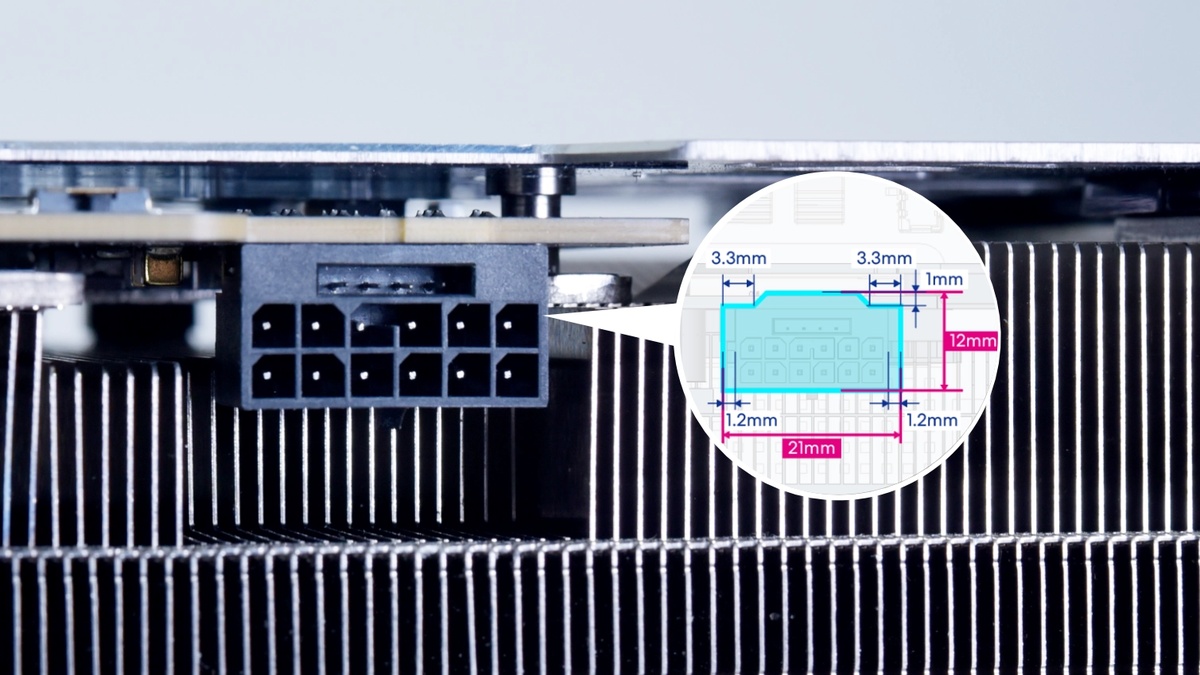
The PCI-SIG designed the newer 12V-2×6 specification to eliminate persistent RTX 5090 Melting Cable issues inherited from first-generation 12VHPWR connectors. Engineers shortened the sideband sense pins and lengthened power conductor terminals to prevent high-wattage current flow if connectors sit improperly.
Under theoretical design specifications, if a 12V-2×6 cable is not fully inserted, sense pins fail to make electrical contact. The power supply then refuses to negotiate full 600-watt power delivery, protecting the graphics card from disastrous low-contact thermal overload.
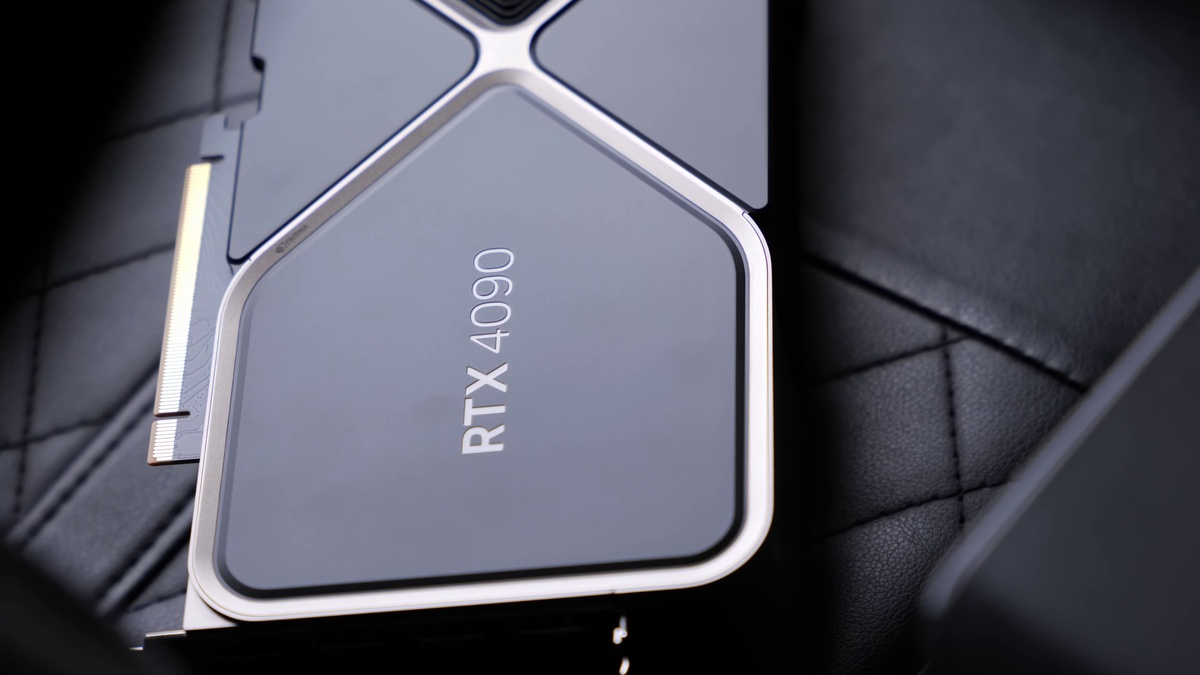
However, real-world deployment demonstrates that dimensional tolerances and micro-gaps still present operational hazards. Even with the revised specification, an RTX 5090 Melting Cable scenario can arise if terminal spring tension weakens or manufacturing variances introduce contact resistance.
High-current power distribution requires continuous, flawless mechanical pressure across all twelve twelve-volt conductor pins. If even one pin experiences elevated electrical impedance, current shifts across neighboring terminals, exceeding design thresholds and triggering catastrophic localized heating.
The immense power requirements of flagship Blackwell GPUs push electrical connections to extreme physical limits. Modern enthusiasts pairing advanced hardware like the AMD Ryzen 7 9800X3D gaming processor with flagship graphics cards demand unprecedented current delivery.
When high-wattage systems operate for prolonged periods, cyclic heating and cooling can slowly work connectors loose. This microscopic mechanical displacement degrades contact surface area, creating optimal conditions for an RTX 5090 Melting Cable catastrophe over months of daily use.
Why Aftermarket Extensions Amplify RTX 5090 Melting Cable Dangers
Enthusiasts frequently install aftermarket RGB extension cables to achieve immaculate showcase aesthetics inside custom computer builds. However, introducing intermediary extension harnesses introduces secondary contact points that elevate RTX 5090 Melting Cable risks across high-wattage power delivery circuits.
Products like the Lian Li Strimer Wireless utilize dual-sided connector blocks to transmit power and illumination. Each additional male-to-female terminal interface introduces measurable milliohms of impedance, compounding heat generation across the RTX 5090 Melting Cable electrical link.
Furthermore, aesthetic RGB light guides and decorative shrouds restrict passive airflow around high-stress terminal blocks. Trapping heat within plastic housings accelerates thermal runaway, degrading thermoplastic materials at significantly lower operational thresholds than exposed industrial connectors.
Chassis cable management often forces severe mechanical bends directly behind the terminal plug to clear tempered glass side panels. Lateral strain pulls connector pins unevenly inside the socket, opening dangerous microscopic air gaps that facilitate electrical arcing.
Lian Li actively engineered their wireless cables to adhere to updated 12V-2×6 standards, incorporating robust copper terminals. Yet when handling sustained 500-watt to 600-watt continuous loads, any mechanical variance can trigger an RTX 5090 Melting Cable event.
PC builders must evaluate whether aesthetic RGB lighting justifies introducing auxiliary failure points into ultra-high-end graphics subsystems. Direct native power cables routed straight from the power supply eliminate intermediary connections, substantially reducing electrical resistance and thermal risk.
| Safety Diagnostic Tool | Detection Principle | Alert Response Mechanism | Primary Protection Scope | Estimated Hardware Cost |
|---|---|---|---|---|
| Thermal Grizzly WireView Pro | Per-Pin Current & Temperature | Audible Alarm & OLED Readout | Immediate Pin Imbalance | $30 – $70 |
| Optical Air Quality Monitor | Laser Particulate (PM2.5/PM10) | Audible Siren & App Push | Early Polymer Off-Gassing | $35 – $90 |
| Direct Native PSU 12V-2×6 Lead | Elimination of Bridge Intermediary | Passive Structural Integrity | Minimizes Contact Resistance | Included with ATX 3.1 PSU |
| Dedicated Pin Tension Clamp | Mechanical Socket Retention | Prevents Cable Pull & Sag | Maintains Flush Seating | $10 – $25 |
| Optical Smoke / Flame Detector | Ionization & Photoelectric Chamber | Loud Acoustic Domestic Alarm | Active Fire Prevention | $20 – $50 |
Proactive Diagnostics: Thermal Grizzly WireView Pro and Air Quality Monitors
Preventing a catastrophic RTX 5090 Melting Cable failure requires active diagnostic telemetry rather than passive trust in mechanical latches. Dedicated monitoring accessories like the Thermal Grizzly WireView Pro have emerged as indispensable tools for owners of kilowatt-class gaming computers.
The WireView Pro attaches directly between the power cable and graphics card socket, continuously measuring electrical variables. It evaluates per-pin current distribution, voltage drops, and localized temperatures, sounding an audible alarm whenever abnormal electrical resistance develops.
Had such specialized telemetry hardware been installed, early resistance spikes would have prompted an immediate system shutdown. Monitoring pin-level amperage prevents an RTX 5090 Melting Cable breakdown before heat reaches levels capable of vaporizing plastic insulation.
Concurrently, placing an affordable indoor air quality monitor near high-wattage gaming hardware provides vital environmental defense. Detectors configured to track volatile organic compounds and fine particulates register early molecular off-gassing well before flames or heavy smoke appear.
Enthusiasts managing complex operating environments, such as gamers transitioning software stacks following the Nvidia Windows 10 support retirement, need comprehensive hardware reliability. Software stability cannot protect systems against catastrophic physical conductor melting.
Integrating both electrical telemetry devices and atmospheric particulate detectors establishes multi-layered defense for expensive gaming hardware. Investing a modest fraction of your build budget in diagnostic protection prevents an RTX 5090 Melting Cable disaster from destroying your rig.
Mitigation Protocols to Prevent RTX 5090 Melting Cable Incidents
Builders operating flagship modern GPUs must implement rigorous mechanical assembly protocols to ensure long-term operational integrity. Eliminating an RTX 5090 Melting Cable risk begins with inspecting the physical socket and terminal pins before initial system assembly.
Ensure the 12V-2×6 connector is inserted completely straight into the graphics card header with substantial perpendicular force. The mechanical latch must audibly click into place, and builders must inspect the mating seam with a flashlight to verify zero gap.
Never allow power cables to bend sharply within thirty-five millimeters of the connector housing. Adequate straight clearance prevents an RTX 5090 Melting Cable hazard caused by uneven lateral pin tension that creates microscopic electrical contact separations.
Utilize native modular cables supplied directly by top-tier power supply manufacturers adhering strictly to ATX 3.1 specifications. Avoid mixing aftermarket third-party splitters or aesthetic extension sleeves when powering graphics cards capable of drawing upwards of six hundred watts.
Establish a scheduled quarterly maintenance routine to inspect high-current power connectors for any subtle signs of discoloration. Catching minor thermal oxidation early eliminates the possibility of an unexpected RTX 5090 Melting Cable incident during intensive gaming sessions.
Always maintain adequate chassis exhaust ventilation to evacuate localized heat accumulating around graphics card power headers. Directing cool ambient airflow across power connections prevents ambient chassis air from compounding connector thermal loads during peak operation.
Warranty Policies, Vendor Liabilities, and High-End GPU Protection
The aftermath of an auxiliary cable failure exposes intricate questions regarding hardware warranties and manufacturer liability. When an aftermarket cable melts, resolving repair claims often creates contentious friction between cable makers and graphics card vendors.
In this documented RTX 5090 Melting Cable failure, user u/joshey1990 initiated a formal investigation with Lian Li seeking compensation. The builder rightly noted that a £3,000 flagship graphics card cannot simply be resolved by shipping a replacement extension cable.
Lian Li customer support representatives engaged publicly, acknowledging the incident and requesting the damaged hardware for laboratory analysis. Determining whether the fault originated from cable manufacturing defects or improper seating dictates manufacturer liability for consequential component damages.
Graphics card manufacturers like Gigabyte maintain strict warranty terms that occasionally exclude damage caused by uncertified third-party power adapters. However, public scrutiny and rigorous engineering audits frequently pressure vendors to honor repairs to protect brand reputation.
Given extreme market demand and secondary scalper pricing, replacing an RTX 5090 Melting Cable casualty is exceedingly difficult. Securing direct hardware replacements requires substantial patience while engineering teams inspect physical failure mechanisms in metallurgical laboratories.
Builders must document every stage of their assembly process with high-resolution photography when installing flagship components. Having photographic verification of flush connector seating significantly strengthens consumer warranty claims should an RTX 5090 Melting Cable failure occur.
Frequently Asked Questions
Why did the RTX 5090 power cable melt during normal operation?
High-current 12V-2×6 connections can experience elevated contact resistance caused by microscopic pin misalignment or lateral cable bending. When hundreds of watts flow through restricted contact points, an RTX 5090 Melting Cable disaster occurs as localized thermal spikes melt polymer connector housings.
How did an indoor air quality monitor detect the melting GPU cable?
Melting nylon and scorched PVC insulation release ultrafine particulates and toxic volatile organic compounds into ambient air. The optical laser sensors inside the monitor detected hazardous airborne particles, triggering an immediate audible alarm before flames ignited.
Is the revised 12V-2×6 connector immune to melting issues?
While 12V-2×6 features recessed sense pins to ensure proper seating before power delivery, it is not completely invulnerable. Manufacturing defects, loose pin spring tension, and aftermarket extension resistance can still produce an RTX 5090 Melting Cable failure.
Are aftermarket RGB extension cables safe for high-wattage graphics cards?
Aftermarket extension cables add secondary terminal junctions that increase cumulative electrical resistance across high-power circuits. For flagship graphics cards drawing over 450 watts, using direct native power supply cables provides superior electrical stability and safety.
What hardware devices protect high-end GPUs from melting cables?
Enthusiasts can install per-pin power monitors like the Thermal Grizzly WireView Pro to monitor current balance and voltage drops. Combining electrical telemetry with ambient room air quality monitors provides reliable multi-layered protection against catastrophic hardware meltdowns.
Final Verdict: Managing High-Wattage Flagship Power With Uncompromising Vigilance
The documented failure serves as an urgent reminder of the immense electrical demands governing contemporary flagship graphics cards. Pushing hundreds of watts through compact conductor interfaces requires uncompromising vigilance from hardware builders and component manufacturers alike.
While revised connector specifications offer improved mechanical margins, introducing aftermarket aesthetic extensions can severely compromise safety. An RTX 5090 Melting Cable hazard proves that visual presentation must never take precedence over fundamental electrical engineering.
Ultimately, rapid intervention spurred by an ambient air monitor prevented a disastrous domestic fire in this incident. Enthusiasts operating elite hardware must prioritize direct native power cabling and active diagnostic telemetry to safeguard their valuable investments.
