


Table of Contents
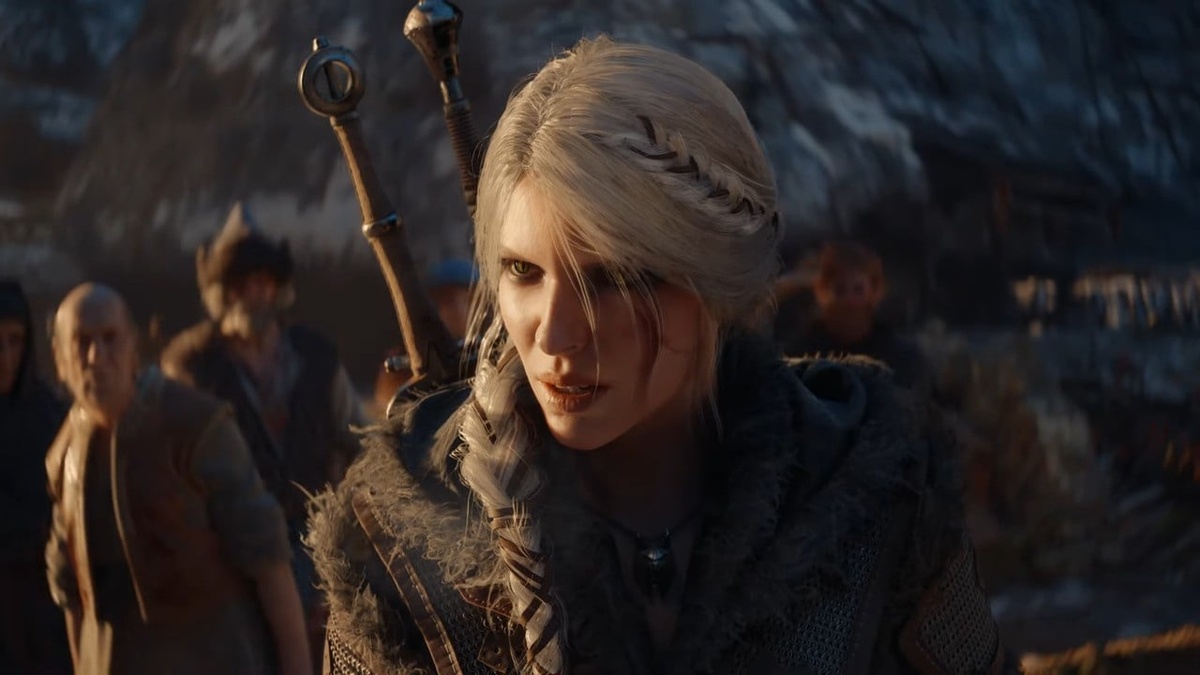
CD Projekt Red has officially eliminated lingering exclusivity fears surrounding its next fantasy epic, confirming that the Witcher 4 Multiplatform Release will deploy simultaneously across PlayStation 5, Xbox Series X|S, and Windows PC hardware on day one without timed delays.
Following widespread community debate over Sony recent co-marketing partnership, executive leadership addressed fans directly via Nintendo Life breaking reporting, affirming that no core gaming community will be left behind when Ciri adventure launches.
| Platform Ecosystem | Launch Status | Target Resolution | Target Framerate | Rendering Pipeline |
|---|---|---|---|---|
| Windows PC | Day-One Simultaneous | Native 4K / Ultrawide | Uncapped (60-120+ FPS) | DirectX 12 / UE5 Lumen & Nanite |
| PlayStation 5 | Day-One Simultaneous | Dynamic 4K Reconstruction | 30 / 60 FPS Modes | Custom GNM / PSSR Scaling |
| Xbox Series X | Day-One Simultaneous | Dynamic 4K Reconstruction | 30 / 60 FPS Modes | DirectX 12 Agility SDK / UE5 |
| Xbox Series S | Day-One Simultaneous | Dynamic 1080p – 1440p | 30 FPS Target | Modular Memory Streaming |
| Nintendo Switch 2 | Future Evaluation Window | TBD (Docked 1080p-4K DLSS) | 30 FPS Target | Tegra T239 / Customized Port |
Sony Marketing Agreement: Debunking Timed Console Exclusivity Rumors
Speculation surged across gaming forums this week when CD Projekt Red revealed an expansive promotional arrangement with Sony Interactive Entertainment, prompting immediate apprehension that Polaris might debut as a timed exclusive on PlayStation hardware.
High-profile promotional agreements frequently ignite consumer confusion regarding hardware availability, as modern platform holders aggressively compete for brand association ahead of monumental multiplatform role-playing milestones across international consumer retail channels.
Historically, major publishers have leveraged co-marketing rights to spotlight specific console capabilities, similar to how Microsoft showcased The Witcher 3 Wild Hunt during the eighth console generation without restricting simultaneous rival platform availability.
Strategic platform agreements mirror recent commercial developments detailed in our Xbox cloud gaming pay-as-you-go pricing analysis, where flexible content delivery models increasingly supersede restrictive hardware exclusivity barriers across modern ecosystems.
CD Projekt Red financial structure relies heavily on simultaneous multiplatform distribution to maximize upfront software revenues, making artificial platform delays economically counterproductive for an ambitious production of this scale.
By establishing definitive commercial boundaries early in the promotional cycle, the Polish developer reassures core enthusiasts that promotional branding will not interfere with simultaneous ecosystem software access across major gaming machines.
Nintendo Switch 2 Ecosystem: How Witcher 4 Multiplatform Release Parity Fits Portable Silicon
While PlayStation and Xbox players celebrated the news, the Witcher 4 Multiplatform Release timeline provoked understandable frustration among Nintendo enthusiasts who observed that Nintendo next-generation hybrid system was completely absent from initial launch announcements.
Online discussions quickly questioned whether Nintendo upcoming handheld successor was being left behind, given the studio exceptional commercial and technical relationship with the Nintendo player community over the previous decade.
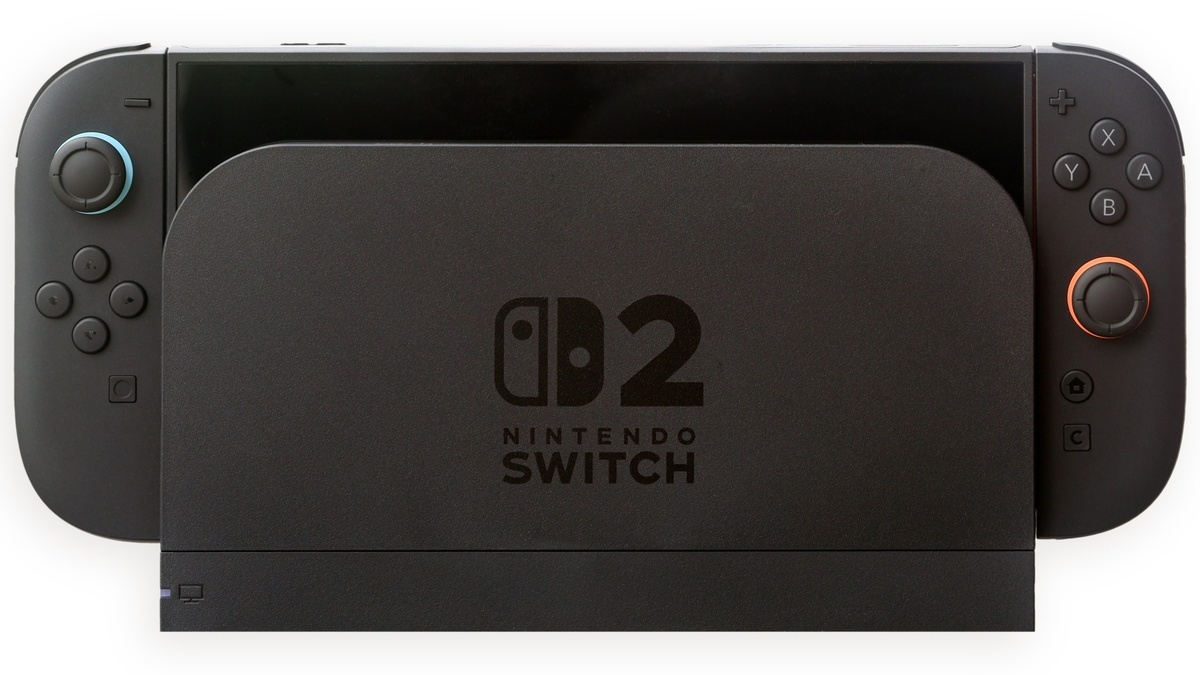
Developing for modern mobile silicon presents unique engineering hurdles, requiring specialized thermal profiling, memory bandwidth throttling, and aggressive level-of-detail management that differs fundamentally from stationary nine-teraflop console architectures.
Engineers familiar with portable graphics pipelines understand that achieving Witcher 4 Multiplatform Release parity on mobile hardware requires extensive post-production optimization, rather than simultaneous development alongside baseline desktop and stationary console codebases.
With industry analysts projecting an approximate 2028 deployment window, CD Projekt Red possesses substantial runway to evaluate Nintendo next-generation hardware install base and architecture before committing specialized porting teams.
Nintendo players should view the current absence not as a definitive exclusion, but rather as standard multiplatform development staging for a demanding flagship title built upon next-generation rendering engines.
Michal Nowakowski Direct Clarification: Decoding No One Gets Left Behind Architecture
Addressing viral rumors directly, CD Projekt Red co-CEO Michal Nowakowski took to public social channels to deliver an unambiguous statement regarding release day availability, stating plainly that no one gets left behind.
Nowakowski reiterated that the Witcher 4 Multiplatform Release encompasses PlayStation 5, Xbox Series hardware, and PC concurrently, ensuring that players across primary high-fidelity ecosystems receive synchronized access on calendar day one.
This decisive executive response reflects a studio culture determined to maintain transparent communication with its global community following hard-earned lessons learned throughout previous high-profile release campaigns.
Modern hardware parity demands rigorous cross-platform benchmarking, a dynamic frequently emphasized across technical evaluations on Tom’s Hardware platform performance coverage when assessing compute bottlenecks across diverse silicon architectures.
By affirming synchronized delivery across primary platforms, the studio deployment framework avoids customer fragmentation and establishes an equitable baseline for community discourse, narrative discussion, and simultaneous global sales momentum.
Nowakowski definitive intervention successfully neutralized speculative panic, refocusing gaming industry attention on technical achievement and creative storytelling rather than divisive console exclusivity friction.
Unreal Engine 5 Pipeline: Scaling Witcher 4 Multiplatform Release Geometry and Nanite
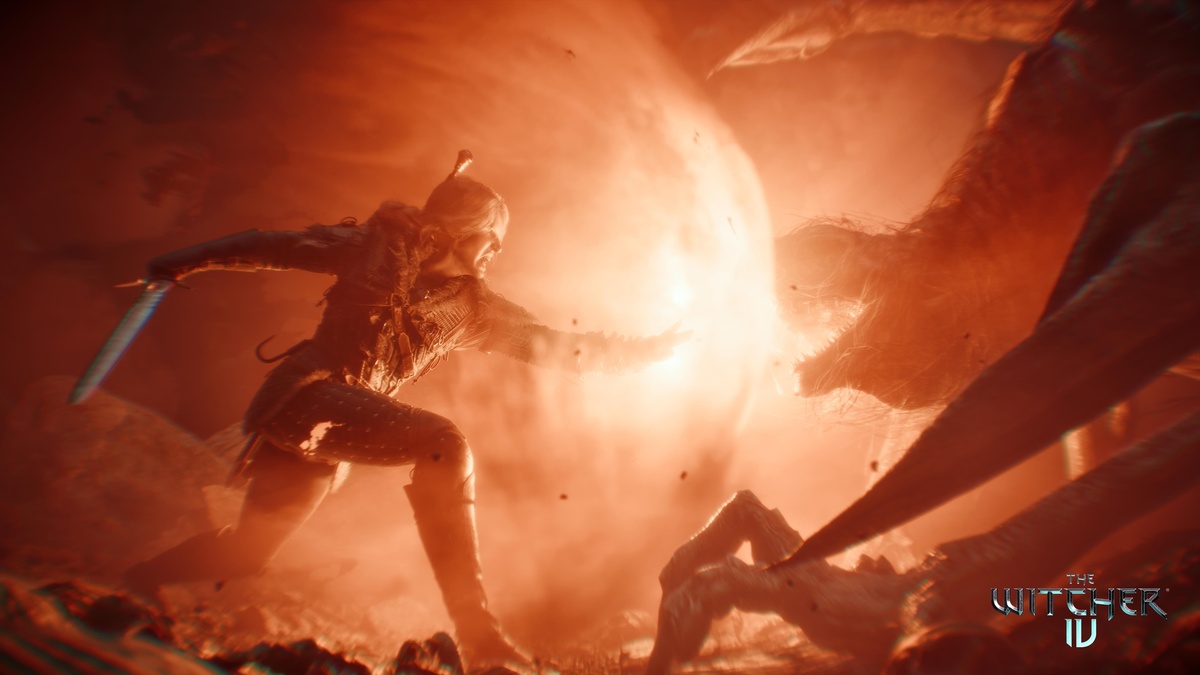
The technical cornerstone facilitating the Witcher 4 Multiplatform Release is CD Projekt Red monumental engineering transition away from proprietary REDengine technology toward Epic Games highly scalable Unreal Engine 5 framework.
Unreal Engine 5 core rendering subsystems, notably Nanite virtualized micro-polygon geometry and Lumen dynamic global illumination, provide standardized hardware abstraction layers that dramatically streamline simultaneous multiplatform compilation.
This modular rendering pipeline mirrors advanced silicon architectural innovations examined in our AMD Ryzen 7 9800X3D gaming processor breakdown, where parallel execution efficiency optimizes complex real-time computational loads.
Collaborative engineering between CD Projekt Red and Epic Games ensures Witcher 4 Multiplatform Release assets stream seamlessly across varied storage bandwidths, eliminating proprietary platform bottlenecks through unified memory addressing.
Rather than re-engineering low-level rendering code for distinct hardware stacks, development staff can concentrate on world design, artificial intelligence behaviors, and branching quest logic across all simultaneous target builds.
Unreal Engine 5 enterprise toolsets provide robust multi-target profiling suites, empowering quality assurance engineers to detect platform-specific regressions and memory leak anomalies before gold master candidate deployment.
Platform Deployment Logistics: Day-One Parity Protocols and Storefront Delivery
Executing an uncompromised simultaneous launch across multiple digital ecosystems requires meticulous logistical coordination among independent platform compliance bodies, regional rating boards, and content distribution networks.
Achieving a synchronized Witcher 4 Multiplatform Release necessitates concurrent submission to Sony Technical Requirements Checklist, Microsoft Xbox Requirements compliance, and exhaustive PC hardware configuration matrix testing.
| Platform Metric | PlayStation 5 / Pro | Xbox Series X / S | High-End PC Rig |
|---|---|---|---|
| Storage Throughput | 5.5 GB/s Raw NVMe SSD | 2.4 GB/s Raw Velocity SSD | 7.0+ GB/s PCIe 4.0/5.0 NVMe |
| Reconstruction Tech | Sony PSSR / AMD FSR 3.1 | AMD FSR 3.1 / Dynamic TSR | Nvidia DLSS 3.7 / Intel XeSS |
| Memory Allocation | 16 GB GDDR6 Shared Pool | 16 GB (X) / 10 GB (S) Pool | 32 GB DDR5 + 16 GB VRAM |
| Day-One Storefronts | PlayStation Store Digital | Xbox Marketplace & Game Pass | Steam, GOG (DRM-Free), EGS |
| DualSense Haptics | Native Hardware Triggers | Standard Impulse Triggers | DualSense Controller Support |
PC ecosystem stability remains paramount, particularly as legacy operating system transitions highlighted in our Nvidia Windows 10 support retirement guide force developers to target modern DirectX 12 Agility SDK standards.
CD Projekt Red internal distribution platform GOG ensures day-one DRM-free availability alongside Steam and the Epic Games Store, reinforcing digital ownership rights while competing on equal footing with console digital marketplaces.
Automated build pipelines and continuous integration servers validate daily builds across all hardware branches, preventing platform-specific performance disparities from destabilizing the broader production launch schedule.
These rigorous quality assurance protocols ensure that whether an adventurer plays on a premium living-room console or custom desktop rig, the software experience remains thoroughly cohesive.
Hardware Telemetry Matrix: Witcher 4 Multiplatform Release Target Performance Profiles
Evaluating expected runtime targets under the Witcher 4 Multiplatform Release umbrella illustrates how modern scalable rendering accommodates disparate compute envelopes without sacrificing fundamental artistic direction.
PlayStation 5 and Xbox Series X are projected to leverage dynamic resolution reconstruction paired with hardware-accelerated ray tracing, delivering crisp thirty frames per second fidelity modes alongside fluid sixty frames per second performance configurations.
Compact computing form factors, such as those evaluated in our Apple M4 Mac mini hardware review, demonstrate the industry accelerating focus on thermal density and unified memory efficiency.
For Xbox Series S, technical leads will utilize aggressive mesh shader culling and dynamic texture streaming, ensuring the Witcher 4 Multiplatform Release operates reliably within the entry console ten-gigabyte memory structure.
Meanwhile, high-performance PC configurations will feature unconstrained framerates, comprehensive path tracing options, and cutting-edge machine-learning reconstruction technologies including Nvidia DLSS, AMD FSR, and Intel XeSS.
This graduated hardware optimization strategy ensures each individual platform extracts maximum graphical fidelity commensurate with its underlying silicon and thermal dissipation capacity.
Saber Interactive Precedent: Evaluating Witcher 3 Legacy and Future Port Potential
Contextualizing Nintendo platform prospects within the broader Witcher 4 Multiplatform Release dialogue requires analyzing CD Projekt Red storied collaborative history with specialized porting house Saber Interactive.
During the original Nintendo Switch generation, Saber Interactive accomplished an extraordinary engineering feat by cramming the colossal open world of The Witcher 3 onto a modest mobile handheld cartridge.
That miraculous technical achievement demonstrated CD Projekt Red willingness to expand its franchises to alternative platforms once primary production pipelines had matured and stabilized across baseline hardware.
More recently, Nintendo players enjoyed The Witcher 3 Remastered on newer hardware, with developer commitments promising additional franchise narrative expansions extending well into the 2027 calendar year.
Consequently, while the initial Witcher 4 Multiplatform Release wave concentrates strictly on stationary titans and PC, precedent strongly indicates a bespoke Switch 2 conversion could emerge as a dedicated second-wave milestone.
Allowing primary development teams to polish lead versions first guarantees superior source assets, ultimately ensuring any eventual portable iteration receives the tailored attention and optimization it rightfully deserves.
Frequently Asked Questions
Which gaming platforms are confirmed for the Witcher 4 Multiplatform Release?
CD Projekt Red co-CEO Michal Nowakowski confirmed that the Witcher 4 Multiplatform Release encompasses PlayStation 5, Xbox Series X|S, and Windows PC, releasing on all three ecosystems concurrently.
Is the Witcher 4 Multiplatform Release a timed exclusive for PlayStation 5?
No, Sony agreement with CD Projekt Red is strictly a co-marketing partnership. The Witcher 4 Multiplatform Release will debut simultaneously across Xbox and PC on the exact same day.
Will Nintendo Switch 2 receive a simultaneous release at launch?
Nintendo Switch 2 is not currently confirmed for the initial Witcher 4 Multiplatform Release. However, CDPR strong Nintendo history suggests a dedicated, customized port could arrive later in the lifecycle.
What game engine powers the upcoming Witcher installment?
The fourth Witcher title is developed entirely within Epic Games Unreal Engine 5, utilizing advanced Nanite virtualized geometry and Lumen dynamic global illumination for multiplatform scalability.
When is The Witcher 4 expected to launch commercially?
Industry analysts and studio roadmaps project The Witcher 4 to debut around 2028, affording developers sufficient time to refine Unreal Engine 5 scalability across all supported hardware.
Final Verdict: Defining CD Projekt Red Multiplatform Commitment
CD Projekt Red definitive clarification surrounding the Witcher 4 Multiplatform Release delivers vital reassurance to millions of gaming enthusiasts who feared divisive console exclusivity pacts might fracture community accessibility.
By establishing clear multiplatform parity across PlayStation 5, Xbox Series X|S, and Windows PC, the Polish studio honors its commitment to universal player respect and synchronized global storytelling.
While Nintendo fans must await future announcements regarding specialized conversions, the transparent studio parity framework proves that modern AAA productions can celebrate high-profile marketing pacts without sacrificing multiplatform integrity.
