


Table of Contents
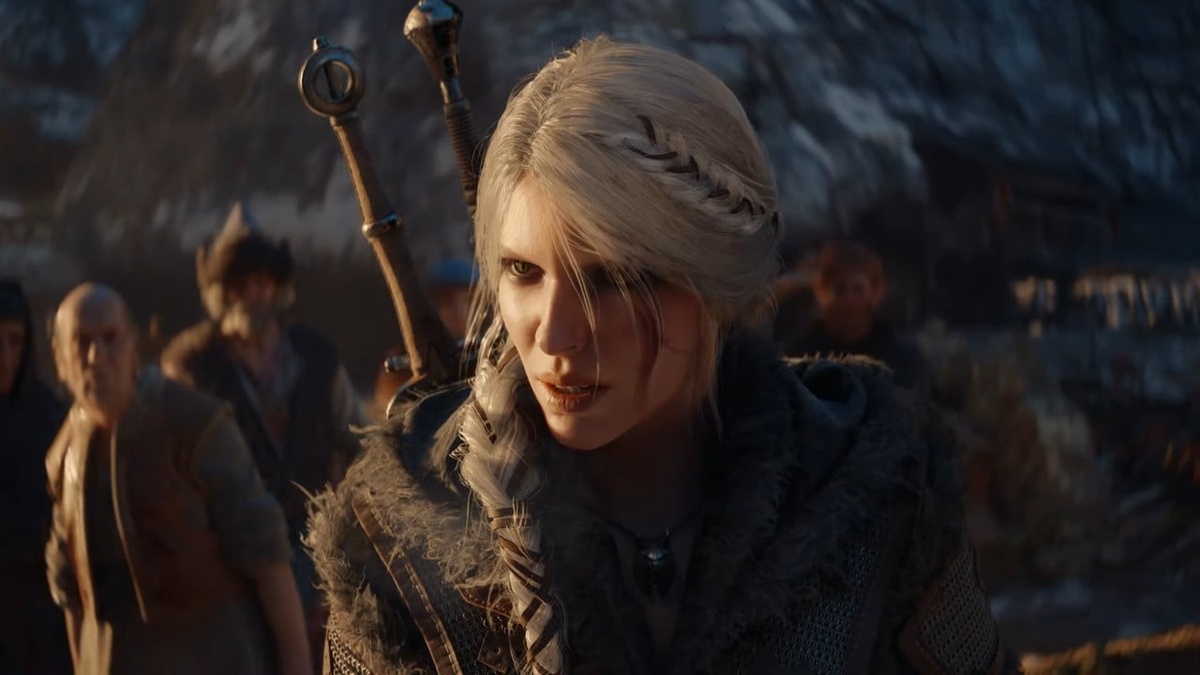
CD Projekt Red has ignited passionate community debate regarding a potential Witcher 4 Switch 2 Port after executive leadership affirmed that Polaris will release across all major gaming systems simultaneously on day one without timed platform exclusivity agreements.
While studio heads reassured console enthusiasts, breaking reporting from Nintendo Life breaking coverage highlighted palpable anxiety among handheld gamers wondering whether Nintendo next hardware will receive native day-one treatment or face extended release delays.
| Platform Ecosystem | Target Hardware Specs | Engine Architecture | Target Resolution / FPS | Day-One Launch Status |
|---|---|---|---|---|
| Windows PC | DirectX 12 Ultimate / Modern PCIe 4 SSD | Unreal Engine 5 (Nanite & Lumen) | 4K / 60+ FPS (Scalable) | Simultaneous Day-One |
| PlayStation 5 | Custom AMD Zen 2 + RDNA 2 (10.28 TFLOPs) | Unreal Engine 5 Full Pipeline | Dynamic 1440p-4K / 60 FPS | Simultaneous Day-One |
| Xbox Series X|S | Custom AMD Zen 2 + RDNA 2 (4-12 TFLOPs) | Unreal Engine 5 Full Pipeline | Dynamic 1080p-4K / 60 FPS | Simultaneous Day-One |
| Switch 2 (Docked) | Nvidia Tegra T239 (Ampere + Tensor Cores) | Customized UE5 Mobile Scaling | Reconstructed 1080p-1440p / 30 FPS | Post-Reveal Target |
| Switch 2 (Handheld) | Nvidia Tegra T239 (Low Power Envelope) | DLSS Performance Reconstruction | Reconstructed 720p-1080p / 30 FPS | Post-Reveal Target |
Executive Perspectives on the CDPR Multiplatform Strategy
Clarification arrived directly from CD Projekt Red joint chief executive Michal Nowakowski, who responded on social media to dispel rumors alleging a PlayStation marketing partnership implied timed exclusivity for Sony flagship console.
Nowakowski unequivocally stated that all platforms release at the same time across PlayStation 5, Xbox Series X, and PC systems, emphasizing that no core gaming community will be abandoned during this generational transition.
However, the explicit omission of Nintendo unannounced successor sparked immediate controversy, prompting enthusiasts to question whether a future Witcher 4 Switch 2 Port remains feasible or if portable players face significant multi-year release delays.
Industry analysts quickly noted that CDPR historical communications strictly reference announced platforms, meaning discussions surrounding a dedicated handheld release cannot occur officially until Nintendo publicly discloses its next-generation hardware specifications and launch timelines.
Editorial analysis from Push Square industry reports confirms that Sony promotional arrangement focuses purely on global co-marketing rights rather than securing restrictive timed software exclusivity agreements that block competing platforms.
Hardware Architecture: Witcher 4 Switch 2 Port Feasibility on Nvidia Tegra T239
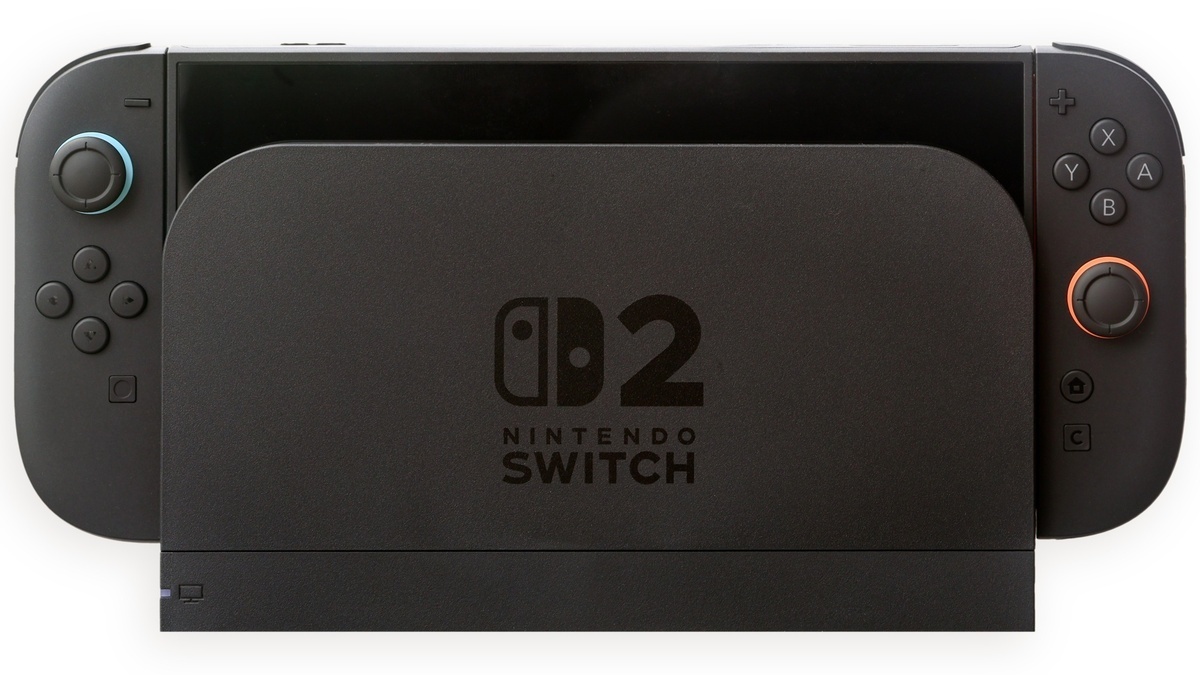
Evaluating the technical viability of a Witcher 4 Switch 2 Port requires deep analysis of Nvidia customized Tegra T239 processor, which anchors Nintendo upcoming hybrid hardware architecture with dedicated Ampere graphics execution units.
Featuring 1,536 CUDA cores paired with eighth-generation tensor cores, the T239 silicon introduces modern architectural capabilities that fundamentally separate Nintendo incoming console from the constrained processing limitations of the original Tegra X1.
Silicon engineering benchmarks from Tom’s Hardware mobile architectures demonstrate that deep learning super sampling provides the foundational horsepower required for any serious portable development pipeline attempting high-fidelity real-time rendering.
Because DLSS reconstruction generates crisp high-resolution frame output from lower internal render targets, a native Witcher 4 Switch 2 Port could theoretically reconstruct 1080p handheld and 1440p docked presentation without overwhelming the portable thermal envelope.
Nevertheless, thermal limitations remain critical when operating within portable power profiles, necessitating aggressive power gating and dedicated clocks that drop graphics performance during prolonged un-docked gaming sessions across demanding open environments.
Unreal Engine 5 Pipeline: Nanite and Lumen Constraints on Handheld Silicon
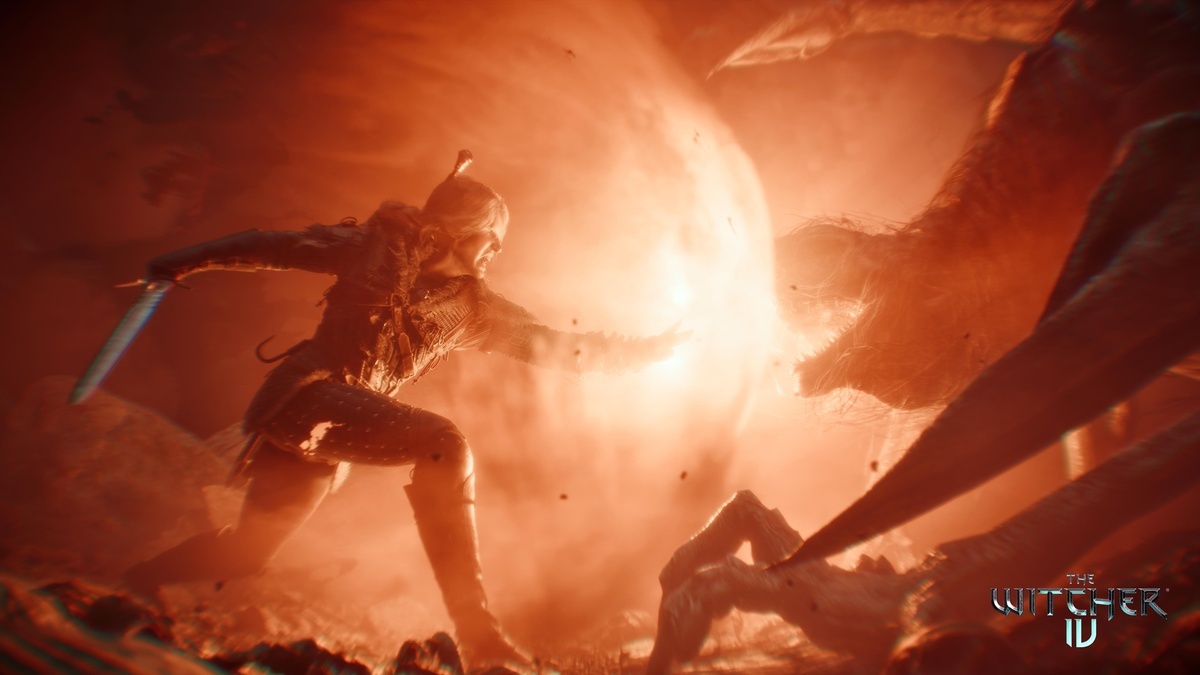
Unlike previous franchise installments built upon the proprietary REDengine, CDPR transition to Epic Games Unreal Engine 5 fundamentally alters how engineers approach a potential Witcher 4 Switch 2 Port optimization roadmap.
Unreal Engine 5 core architectural pillars, Nanite virtualized micro-polygon geometry and Lumen dynamic global illumination, demand immense compute throughput and specialized cache hierarchies that tax mobile graphics chips severely.
Implementing software-based Lumen ray tracing on mobile silicon represents a major technical obstacle, creating performance bottlenecks that any engineering team developing an ambitious portable build must resolve through customized rendering passes.
Engineers might choose to deploy traditional pre-baked lighting pipelines or hybrid screen-space reflections, allowing a tailored Witcher 4 Switch 2 Port to retain atmospheric fidelity while preserving consistent thirty frames per second performance targets.
Similar architectural adaptations were recently reviewed when studying desktop silicon scalability, as evidenced in our technical breakdown of AMD Ryzen 7 9800X3D gaming benchmarks across modern multi-threaded production engines running next-generation graphics workloads.
Porting Heritage: Analyzing Witcher 4 Switch 2 Port Commercial Potential
Skeptics questioning whether a Witcher 4 Switch 2 Port can materialize often overlook the extraordinary technical precedent established when Saber Interactive successfully ported The Witcher 3 Wild Hunt to original Nintendo Switch hardware.
That historic release, famously deemed an impossible port by industry observers, demonstrated CD Projekt Red willingness to invest heavily in bespoke technical compromises to capture massive portable gaming audiences.
Furthermore, Nintendo commercial momentum ensures an enormous install base, making a dedicated portable adaptation an irresistible commercial proposition for studio executives seeking maximum franchise lifetime software revenue across international retail territories.
With CDPR already prepping enhanced Switch 2 editions for Cyberpunk 2077 and legacy Witcher expansions, establishing a pipeline for a Witcher 4 Switch 2 Port represents an organic extension of their ongoing handheld publishing strategy.
Modern hardware efficiency gains discussed in our evaluation of Apple M4 Mac mini hardware architecture mirror the rapid architectural evolution occurring across compact system-on-chip platforms throughout the modern gaming industry.
| System Architecture | Peak Compute (FP32) | Memory Capacity | Memory Bandwidth | Hardware Upscaling Tech |
|---|---|---|---|---|
| PlayStation 5 | 10.28 TFLOPs | 16GB GDDR6 | 448 GB/s | Temporal Anti-Aliasing (FSR 2) |
| Xbox Series X | 12.15 TFLOPs | 16GB GDDR6 | 560 GB/s (10GB) / 336 GB/s | DirectSR / AMD FSR 3.1 |
| Nintendo Switch 2 (Docked) | ~3.1 – 4.0 TFLOPs (FP32) | 12GB LPDDR5X | 102.4 GB/s | Nvidia DLSS 3.1 Super Resolution |
| Nintendo Switch 2 (Handheld) | ~1.7 – 2.0 TFLOPs (FP32) | 12GB LPDDR5X | 102.4 GB/s | Nvidia DLSS 3.1 (Tensor Cores) |
| Original Switch (Tegra X1) | 0.393 TFLOPs | 4GB LPDDR4 | 25.6 GB/s | Bilinear Reconstruction |
Memory Bandwidth Bottlenecks: Comparing 12GB Unified RAM Against Desktop Targets
Memory architecture represents the single most restrictive bottleneck governing the feasibility of a Witcher 4 Switch 2 Port, as modern open-world titles increasingly mandate massive asset pools and rapid streaming buses.
Supply chain reports consistently indicate Nintendo incoming platform incorporates 12 gigabytes of LPDDR5X unified memory, providing roughly 102 gigabytes per second of theoretical peak throughput across a 128-bit bus.
In contrast, standard PlayStation 5 and Xbox hardware deliver over 448 gigabytes per second, creating vast throughput disparities that a mobile adaptation development team must bridge via aggressive asset compression.
Nvidia hardware-level file decompression technology, combined with optimized texture streaming algorithms, will be essential to ensure a Witcher 4 Switch 2 Port avoids hitching and aggressive asset pop-in during rapid horseback exploration.
System level memory management principles also apply directly to operating system longevity, as highlighted in our technical coverage examining Nvidia Windows 10 support retirement for active PC gaming configurations across modern game engines.
Production Timeline: Evaluating CD Projekt Red Release Windows to 2028
Gauging when players might experience a Witcher 4 Switch 2 Port requires examining CD Projekt Red internal production milestones for Project Polaris, which currently engages more than four hundred dedicated developers.
With full-scale production accelerating throughout recent fiscal quarters, industry forecasts widely anticipate the fourth Witcher installment will target a commercial release window between late 2027 and early 2028.
This expansive production schedule grants engineering teams substantial headroom to develop an optimized handheld edition, ensuring developers avoid the hurried multi-platform compromises that unfortunately plagued earlier high-profile generational game launches.
If simultaneous day-one launch proves too demanding for portable hardware, CDPR could easily deploy a polished Witcher 4 Switch 2 Port within six to twelve months post-launch, following the successful blueprint established by previous RPG blockbusters.
Alternative streaming solutions also provide viable intermediate options, comparable to subscription models evaluated in our analysis of Xbox Cloud Gaming subscription tiers across diverse mobile and handheld hardware ecosystems.
Ecosystem Parity: Witcher 4 Switch 2 Port Strategy and Hardware Benchmarks
Establishing software parity across diverse hardware tiers remains paramount for CDPR reputation, directly influencing how directors orchestrate a prospective Witcher 4 Switch 2 Port release strategy.
By establishing a common baseline through Unreal Engine 5 scalable rendering pipelines, studio architects can ensure the core gameplay mechanics of this epic journey remain completely uncompromised regardless of target resolution.
Cross-platform progression and cloud save synchronization will likely serve as vital consumer features, allowing players navigating this handheld adaptation to transfer save states seamlessly between portable and desktop gaming rigs without progression loss.
Consumer demand for premium handheld experiences continues reaching historic heights, ensuring that commercial resources dedicated toward building a specialized portable version will yield exceptional returns throughout the console lifecycle.
Ultimately, while Nowakowski statement confirmed immediate launch targets for announced platforms, the technical foundations for an eventual Witcher 4 Switch 2 Port remain stronger and more attainable than ever before.
Frequently Asked Questions
Is The Witcher 4 officially confirmed for Nintendo Switch 2?
CD Projekt Red has not officially confirmed a Witcher 4 Switch 2 Port at this stage because Nintendo has not formally unveiled its next-generation hardware. The studio historical communication protocol strictly restricts announcements to officially revealed gaming platforms.
Will The Witcher 4 be a timed PlayStation 5 exclusive?
No, CD Projekt Red co-CEO Michal Nowakowski confirmed that The Witcher 4 will not be a timed exclusive for PlayStation 5. The game will launch simultaneously across PlayStation 5, Xbox Series X|S, and PC on day one.
Can Nintendo Switch 2 hardware handle Unreal Engine 5?
Yes, Nintendo Switch 2 Nvidia Tegra T239 processor supports modern API features and DLSS upscaling required by Unreal Engine 5. However, a Witcher 4 Switch 2 Port will require customized lighting and geometry passes to maintain stable framerates.
When is The Witcher 4 expected to launch globally?
Project Polaris entered full production with over 400 developers and is projected to release between late 2027 and 2028. Any potential portable adaptation would either debut alongside this launch window or arrive shortly thereafter as an enhanced edition.
Why did CDPR sign a marketing agreement with Sony?
CD Projekt Red partnered with Sony Interactive Entertainment for co-marketing and promotional campaigns. This commercial agreement provides prominent showcase positioning on PlayStation platforms without restricting software availability on Xbox or PC hardware ecosystems.
Final Verdict
In conclusion, community apprehension regarding a missing Witcher 4 Switch 2 Port stems primarily from standard industry announcement protocols rather than technical impossibility or commercial disinterest from CD Projekt Red leadership.
With Nvidia customized Tegra T239 architecture offering modern DLSS upscaling and modern API support, delivering a Witcher 4 Switch 2 Port represents an entirely viable technical milestone for experienced engineering partners like Saber Interactive.
As Nintendo prepares to unveil its next-generation platform, fans can remain confident that a Witcher 4 Switch 2 Port will eventually expand Ciri journey to millions of eager portable gamers worldwide.
