



Comprehensive new reporting from Bloomberg analyst Mark Gurman reveals that the Apple Spring 2027 Lineup will trigger a massive overhaul across entry-level and mainstream hardware. Cupertino is staging an aggressive two-tier launch strategy starting in February and March.
From brand-new budget smartphones to cutting-edge silicon architectures, the Apple Spring 2027 Lineup introduces substantial technical refinements across portable product categories. Enthusiasts and enterprise buyers alike are preparing for dramatic hardware upgrades that reshape portable productivity and computing performance.
To help enterprise buyers and everyday consumers track this sprawling hardware transition, we have assembled the complete preliminary roadmap. The upcoming Apple Spring 2027 Lineup spans both early spring debuts and second-wave flagship releases scheduled for late March and April.
| Device Model | Target Launch | Silicon Architecture | Unified Memory | Primary Innovation |
|---|---|---|---|---|
| iPhone 18e | Feb / Mar 2027 | Apple A20 Bionic | 9GB Unified RAM | Budget flagship silicon with extended battery life |
| iPhone 18 | Feb / Mar 2027 | Apple A20 Bionic | 9GB Unified RAM | Enhanced generative on-device intelligence |
| iPad (11th Gen) | Feb / Mar 2027 | Apple A19 Bionic | 8GB Unified RAM | N1 Wi-Fi 7 chip and custom C1X cellular modem |
| MacBook Neo | Feb / Mar 2027 | Apple A19 Pro | 12GB Unified RAM | Ultra-slim form factor with expressive vibrant finishes |
| MacBook Air | Feb / Mar 2027 | Apple M6 Processor | 16GB Base RAM | Next-generation energy efficiency and thermals |
| iPhone Air 2 | Mar / Apr 2027 | Apple A20 Pro | 12GB Unified RAM | Apple C2 mmWave 5G modem and compact Dynamic Island |
| iPad Air | Mar / Apr 2027 | Apple M5 Processor | 12GB Unified RAM | Vivid OLED display panel with Acoustic Display audio |
| iPad Pro | Mar / Apr 2027 | Apple M6 or M7 | 16GB – 32GB RAM | Integrated copper vapor chamber cooling architecture |
This hardware matrix highlights the technical breadth of the Apple Spring 2027 Lineup across consumer categories. Every tier benefits from refined thermal envelopes, custom wireless silicon, and expanded onboard memory allocations that elevate baseline performance.
Silicon Roadmap: Next-Gen Process Nodes and 9GB Memory Architecture
At the heart of Apple’s upcoming hardware wave sits a fundamental re-engineering of mobile semiconductor architecture. Leading intelligence reported by MacRumors indicates that baseline smartphones will make an unprecedented memory leap.
For generations, standard consumer handsets operated on strict memory budgets that restricted background multitasking. The Apple Spring 2027 Lineup shatters that constraint by standardizing a robust 9GB unified memory architecture across mainstream iPhone 18 variants.
This intentional memory expansion inside the Apple Spring 2027 Lineup is directly tied to the growing demands of modern on-device neural processing models. Generative foundation models require dedicated low-latency memory headroom to execute contextual inferences smoothly.
By adopting 9GB allocations, Apple engineers ensure that complex machine learning algorithms run locally with zero latency penalties. Similar to historical leaps detailed in our analysis of the Apple M4 Mac Mini redesign, memory bandwidth dictates real-world responsiveness.
Furthermore, fabricating these chips on TSMC’s enhanced semiconductor process yields tangible power savings for demanding workflows. As analyzed in broader semiconductor coverage of the AMD Ryzen 7 9800X3D gaming benchmarks, physical node refinements deliver compound benefits across performance curves.
Consequently, users can anticipate sustained performance without the thermal throttling that previously hindered compact mobile designs. The Apple Spring 2027 Lineup establishes an elevated computational floor that will define consumer electronics expectations for years.
Apple Spring 2027 Lineup iPhone Evolution: Inside the iPhone 18e and iPhone 18
Cupertino’s smartphone strategy is witnessing a strategic consolidation that merges budget affordability with genuine flagship performance. Inside the Apple Spring 2027 Lineup, both the entry-level iPhone 18e and the standard iPhone 18 share core architectural silicon.
Equipped with the high-performance A20 application processor, the iPhone 18e eliminates the severe performance penalties traditionally associated with budget-oriented handsets. Consumers no longer need to sacrifice computational muscle when choosing accessible price tiers.
Both devices harness identical 9GB memory configurations, ensuring complete software feature parity for upcoming operating system capabilities. In previous years, entry-level models often missed out on premium platform features due to strict hardware limitations.
Battery longevity represents another major engineering focal point for the upcoming release window according to industry sources. Advances in internal component density, combined with the power-frugal A20 microarchitecture, provide substantial gains in daily operational endurance.
Users engaging in heavy GPS navigation, high-frame-rate mobile gaming, or extended 4K video recording will notice immediate runtime improvements. The Apple Spring 2027 Lineup ensures that everyday consumers enjoy true all-day reliability without tethering to battery banks.
This unified silicon approach also simplifies developer optimization across the broader iOS software ecosystem. Developers can target a single high-bandwidth performance profile knowing that the Apple Spring 2027 Lineup delivers unwavering execution across all entry models.
MacBook Neo Architectural Shift: A19 Pro Meets 12GB Unified Memory
Perhaps the most intriguing addition to the Apple Spring 2027 Lineup is the rumored MacBook Neo notebook. Positioned as an agile machine for students and creative writers, it challenges conventional laptop design paradigms with refreshing hardware choices.
Rather than utilizing traditional M-series desktop-class silicon, the MacBook Neo reportedly incorporates the potent A19 Pro processor. This strategic chip selection provides remarkable single-threaded efficiency while drastically cutting thermal dissipation requirements across everyday productivity workloads.
Coupled with a generous 12GB allocation of unified memory, this lightweight laptop easily handles intense multitasking and media consumption. The Apple Spring 2027 Lineup leverages this unique architecture to establish an accessible entry point into macOS computing.
Beyond internal components, industrial design changes are poised to make the MacBook Neo an aesthetic triumph. Supply chain reports suggest a striking array of vibrant anodized aluminum finishes that evoke memories of iconic vintage consumer portables.
Modern students and remote professionals have long requested expressive hardware choices that reflect personal style without compromising reliability. Within the Apple Spring 2027 Lineup, the MacBook Neo directly satisfies that pent-up market demand with flair.
Its fanless chassis guarantees completely silent operation, making it ideal for quiet university lecture halls and coffee shops. Early thermal simulations indicate that the A19 Pro maintains exceptional responsiveness without producing perceptible surface heat.
How the Apple Spring 2027 Lineup Redefines Entry-Level Portables
Entry-level hardware often suffers from cost-cutting compromises that diminish the overall user experience over extended ownership cycles. However, the Apple Spring 2027 Lineup redefines value expectations by injecting premium engineering into the 11th-generation iPad tablet.
Upgrading the budget iPad to the A19 processor represents a monumental leap in baseline computational capability. This architectural leap finally brings official Apple Intelligence compatibility to Apple’s most affordable tablet, democratizing advanced generative capabilities for millions.
In addition to computational power, wireless connectivity receives a long-overdue overhaul via custom proprietary silicon. The 11th-generation iPad incorporates Apple’s custom-designed N1 wireless chip, delivering full compatibility with modern Wi-Fi 7 network standards.
Wi-Fi 7 support enables lightning-fast data throughput, expanded 320MHz channel bandwidth, and dramatically lower network latency in congested household environments. Seamless streaming and multi-device cloud synchronization become instantaneous realities for students and families alike.
The upcoming Apple Spring 2027 Lineup proves that budget hardware no longer requires settling for antiquated wireless standards. Cellular configurations will also feature Apple’s proprietary C1X baseband, optimizing power draw during prolonged mobile broadband connectivity.
To fully appreciate how dramatically component specifications have evolved, we have organized a comprehensive generational comparison matrix. This table contrasts existing hardware baselines with the incoming improvements delivered across the Apple Spring 2027 Lineup.
| Component Subsystem | Previous Baseline | Spring 2027 Innovation | Bandwidth & Delta | Practical User Impact |
|---|---|---|---|---|
| Smartphone Unified RAM | 8GB LPDDR5X | 9GB LPDDR5X Architecture | +12.5% Allocation | Zero-lag background generative neural inferences |
| Budget iPad Silicon | A14 / A16 Legacy | A19 3nm Architecture | +70% Processing Leap | First budget tablet running local Apple Intelligence |
| Wireless Local Network | Wi-Fi 6E Standards | Proprietary Apple N1 Chip | Wi-Fi 7 320MHz Bands | Ultra-low latency streaming in congested homes |
| Cellular 5G Baseband | Qualcomm X75 Modem | In-House C1X and C2 Modems | Proprietary Baseband | Lower battery drain and accelerated upload rates |
| iPad Air Visual Panel | Liquid Retina LCD | Single-Stack Tandem OLED | Infinite Contrast | True black levels and blooming elimination |
| iPad Pro Thermal Design | Passive Graphite Sheet | Integrated Vapor Chamber | +35% Heat Dissipation | Sustained clock speeds during 8K video exports |
Examining these subsystem specifications confirms that Apple is systematically modernizing every facet of its portable product lineup. The Apple Spring 2027 Lineup ensures that entry hardware shares technological breakthroughs with top-tier professional devices.
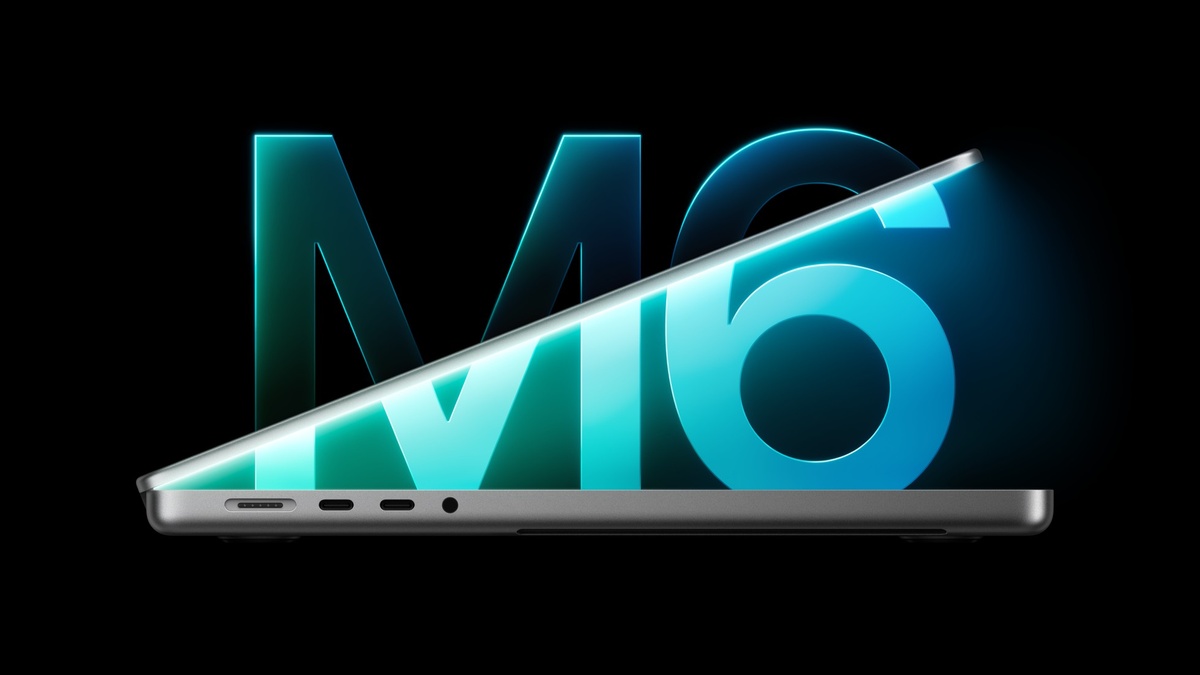
Simultaneously, the mainstream MacBook Air benefits from a direct upgrade to the next-generation M6 processor. Built on refined lithography, the M6 processor delivers massive gains in single-threaded efficiency and multi-core execution for content creators.
Users transitioning from aging machines will experience transformative battery life and immediate app launch responsiveness. As legacy platforms face sunset timelines like those seen with hardware lifecycle transitions, modernizing personal computing becomes essential.
Cellular Modem Breakthrough: Transitioning from C1X to the In-House C2 Chip
For nearly a decade, Apple has invested billions into developing proprietary modem technology for the Apple Spring 2027 Lineup. According to seasoned investigative reporting from Bloomberg’s Mark Gurman, that ambitious technological independence reaches commercial maturity this spring.
The initial wave of the Apple Spring 2027 Lineup deploys the custom C1X modem inside cellular configurations of the entry-level iPad. Engineered specifically for optimal energy efficiency, the C1X baseband minimizes battery drain during continuous LTE and 5G connections.
However, the second wave of hardware scheduled for late March or April introduces the even more capable C2 cellular modem. Debuting inside the premium iPhone Air 2, the C2 modem represents Apple’s definitive high-speed connectivity triumph.
Crucially, the C2 chip adds comprehensive mmWave 5G connectivity for North American markets, delivering multi-gigabit wireless performance. Internal testing leaks indicate meaningfully faster upload speeds compared to existing commercial modems on the market today.
Faster uplink capabilities empower mobile videographers and remote professionals who frequently upload high-resolution video streams directly from the field. Across the Apple Spring 2027 Lineup, proprietary wireless silicon marks the end of reliance on external suppliers.
Tightly coupling modem microcode with iOS baseband controllers enables instant network handoffs and superior power conservation. This vertical silicon integration cements Apple’s competitive moat against competing Android flagship hardware ecosystems.
Second-Wave Launches: OLED iPad Air and Vapor-Chamber iPad Pro Upgrades
While early releases focus heavily on mass-market computing, the Apple Spring 2027 Lineup also caters directly to prosumers. Gurman notes that Apple plans a second unveiling slightly later in the season for updated iPad Air and iPad Pro models.
The upcoming iPad Air represents a monumental hardware refresh, finally making the transition to an exquisite OLED display panel. Ditching traditional LCD backlights yields absolute inky black levels, infinite contrast ratios, and drastically thinner overall enclosure dimensions.
Furthermore, the iPad Air inherits Apple’s innovative Acoustic Display audio technology, which first captured headlines on the compact iPad mini. This clever engineering vibrates the display substrate to emit spatial sound directly from screen elements, creating unmatched cinematic immersion.
Under the hood, the iPad Air receives the formidable Apple M5 processor, providing professional-grade computational bandwidth for creative illustration. Meanwhile, the flagship iPad Pro reaches unprecedented performance heights by adopting either the next-generation M6 or revolutionary M7 processor.
To tame the ferocious thermal output of these high-clocked chips, Apple engineers have developed an integrated copper vapor chamber cooling system. The Apple Spring 2027 Lineup solves thermal throttling challenges that previously capped prolonged rendering performance on thin tablets.
Creative professionals exporting intricate multi-stream 8K video timelines or compiling dense codebase projects can sustain maximum clock speeds without drop-offs. This cutting-edge cooling architecture positions the iPad Pro as a genuine workstation replacement.
Industry Benchmarks: Comparing the Apple Spring 2027 Lineup Hardware Trajectory
Analyzing this coordinated product rollout highlights Apple’s evolving philosophy regarding consumer tier segmentation. Rather than artificially crippling entry hardware, the Apple Spring 2027 Lineup elevates baseline specifications to support intensive artificial intelligence ecosystems.
Providing 9GB of memory on entry iPhones and A19 silicon on budget iPads ensures that upcoming software features operate universally. This democratic approach to hardware capabilities protects consumer investments and significantly extends the practical lifespan of modern devices.
Simultaneously, the introduction of the MacBook Neo with A19 Pro silicon bridges the traditional divide between mobile and desktop computing. Consumers who prioritize cloud gaming, similar to the flexible models explored in Xbox Cloud Gaming subscription trends, gain ideal portable companion hardware.
Competitive tablet manufacturers will find themselves under intense pressure to match the display and thermal innovations showcased in Cupertino’s lineup. The combination of OLED panels and vapor chamber cooling establishes a new technical baseline for premium mobile slates.
Industry observers anticipate that the Apple Spring 2027 Lineup will spark a massive commercial upgrade cycle across worldwide enterprise and education sectors. Organizations eager to deploy secure on-device AI will find the expanded memory configurations exceptionally compelling.
By orchestrating this two-stage release schedule, Apple maximizes media momentum while ensuring robust manufacturing yields across its global supply chain. The coming months promise to be one of the most transformative eras in consumer hardware history.
Frequently Asked Questions
When will the Apple Spring 2027 lineup officially be unveiled?
According to Bloomberg reporting, Apple plans an initial release window in February or March 2027 for the iPhone 18e, iPhone 18, budget iPad, and MacBooks. A secondary launch featuring the iPhone Air 2 and OLED iPad Air follows in April.
Why is Apple increasing baseline iPhone 18 memory to 9GB of RAM?
Apple is expanding baseline smartphone memory to 9GB to support advanced on-device generative artificial intelligence models. Local foundation models require dedicated high-bandwidth memory headroom to execute complex contextual inferences smoothly without displacing background operating system tasks or slowing down user interactions.
What makes the rumored MacBook Neo different from the MacBook Air?
The MacBook Neo is designed as an ultra-portable, design-forward laptop powered by the A19 Pro mobile processor paired with 12GB of unified memory. It emphasizes lightweight fanless productivity, eye-catching colorful anodized aluminum finishes, and a highly accessible price point tailored for students and agile writers.
How do Apple’s in-house C1X and C2 5G modems compare to Qualcomm hardware?
Apple’s proprietary C1X and C2 cellular modems deliver tighter architectural integration with the host processor, reducing standby power consumption and maximizing battery endurance. The advanced C2 modem also includes high-frequency mmWave support in the United States and delivers significantly accelerated uplink upload speeds.
Which upcoming Apple devices are receiving OLED display panels?
The upcoming iPad Air is scheduled to receive a premium OLED display upgrade during the second-wave spring launch. The switch to OLED provides infinite contrast ratios, deep black levels, improved power efficiency, and enables a noticeably thinner chassis alongside innovative Acoustic Display audio technology.
Final Hardware Verdict: Cupertino Accelerates Silicon Independence
Evaluating the impending arrival of the Apple Spring 2027 Lineup reveals a company operating at the absolute peak of its semiconductor capabilities. By modernizing entry-level memory architectures and transitioning to custom in-house modems, Apple is systematically eliminating performance bottlenecks.
Whether your focus is an affordable iPhone with extended battery life or a pro-grade iPad with vapor chamber cooling, this hardware generation delivers meaningful upgrades. Everyday consumers and creative professionals will benefit from faster networking, responsive on-device intelligence, and refined industrial designs.
As February and March approach, the technology landscape eagerly awaits Cupertino’s formal stage presentations. The Apple Spring 2027 Lineup stands ready to set the definitive benchmark for portable computing performance, battery endurance, and unified architectural innovation throughout the coming year.
