


Table of Contents
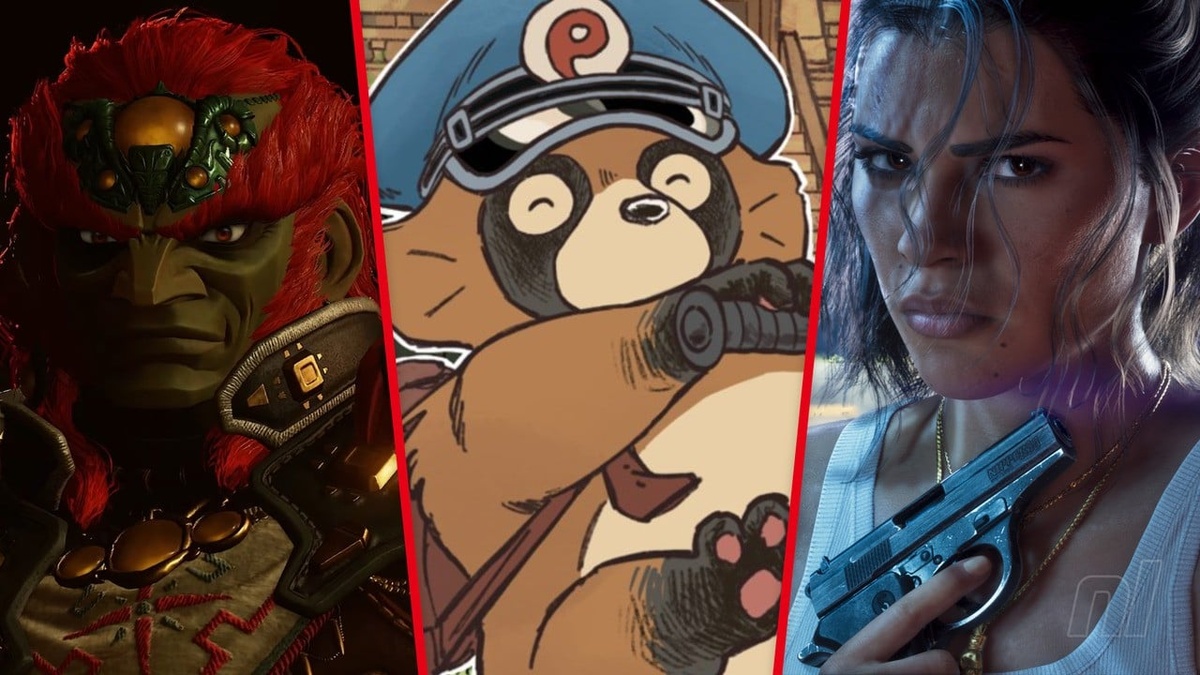
The release timing for Tanuki Pons Summer highlights the unpredictable perils of modern video game scheduling. Developed by Kyoto-based indie studio Denkiworks, the charming BMX adventure found itself sandwiched between Rockstar’s Grand Theft Auto VI and a surprise Zelda drop.
Rather than panicking over monstrous AAA competition, the developers decided to embrace their status as an endearing indie underdog. By focusing on cozy exploration and unique cultural authenticity, Denkiworks aims to build long-tail momentum across Nintendo Switch and PC platforms.
| Launch Metric & Strategy | TANUKI: Pon’s Summer | Grand Theft Auto VI | Zelda: Ocarina of Time Remake |
|---|---|---|---|
| Developer & Publisher | Denkiworks / Critical Reflex | Rockstar Games / Take-Two | Nintendo EPD / Grezzo / Nintendo |
| Target Platform Reach | Switch 2, Switch, Xbox Series, PC | PlayStation 5, Xbox Series X|S | Nintendo Switch 2 Exclusive |
| Release Timing Window | Mid-November 2026 (Scheduled Indie) | Late November 2026 (Global Event) | November 5, 2026 (Surprise Drop) |
| Core Audience Demographics | Cozy gamers, BMX fans, culture lovers | Mass-market action and crime gamers | Nintendo legacy fans, adventure purists |
| Distribution Strategy | Day-one Xbox Game Pass, digital retail | Full-price retail, massive pre-orders | First-party digital spotlight, retail |
| Commercial Expectation | Long-tail word-of-mouth discovery | Record-breaking launch week revenue | Flagship hardware-driving sales attach |
Denkiworks Strategic Scheduling: Navigating Around Rockstar Games and Grand Theft Auto VI
When indie creators map out Tanuki Pons Summer scheduling, avoiding multi-billion-dollar blockbusters represents an essential survival instinct. Denkiworks co-founder and game director Liam Edwards initially scheduled their debut title for October before recalibrating to secure vital first-party platform marketing opportunities.
According to detailed developer statements shared with GamesIndustry.biz, the studio targeted mid-November as an optimal launch buffer. The team believed this window would sit just clear of the seismic commercial wave generated by Rockstar’s long-awaited crime juggernaut.
Navigating around a launch as monolithic as Grand Theft Auto VI requires surgical precision for studios producing Tanuki Pons Summer. With media attention, digital storefronts, and gaming hardware heavily monopolized by blockbuster marketing, smaller titles easily risk complete algorithmic suffocation during peak retail months.
Denkiworks coordinated closely with publisher Critical Reflex to identify unique promotional niches where their Tanuki Pons Summer could thrive. By establishing day-one visibility on Xbox Game Pass alongside console releases, the team insulated their production against sudden consumer spending fatigue.
Industry analysts frequently highlight that open-world crime simulators and titles like Tanuki Pons Summer rarely compete for the exact same player mindset. While Rockstar delivers high-octane automotive chaos, Pon’s bicycle journey delivers pastoral tranquility, offering a distinct thematic counterweight for tired gamers.
Zelda Ocarina of Time Shadow Drop: How Tanuki Pons Summer Encountered Nintendo’s Surprise
While Denkiworks carefully calculated their distance from Rockstar, Nintendo delivered an unforeseen shock to the debut of Tanuki Pons Summer. The surprise shadow drop of The Legend of Zelda: Ocarina of Time on November 5 dramatically disrupted the autumn handheld ecosystem.
As reported by Nintendo Life, Edwards acknowledged that nobody could have predicted Nintendo’s sudden marketing maneuver. Having announced the remake in September, Nintendo released the legendary adventure just days before Tanuki Pons Summer arrived on storefronts.
Unlike Grand Theft Auto VI, the Zelda franchise shares immense demographic overlap with whimsical Nintendo Switch audiences. Gamers drawn to cozy Japanese worldbuilding, expressive environmental art, and the charm of Tanuki Pons Summer naturally gravitated toward the iconic Hyrule revival on next-generation hardware.
Edwards candidly noted that prospective Switch 2 Zelda enthusiasts represent the precise core audience most likely to appreciate Pon’s rural Tanuki Pons Summer sessions. Confronting a surprise first-party masterpiece on Nintendo’s flagship system created an immediate headwind for initial launch-week engagement metrics.
Nevertheless, Denkiworks refused to treat the sudden first-party collision as an insurmountable commercial catastrophe. Instead, the Kyoto team doubled down on organic social media outreach, framing their Tanuki Pons Summer as an irresistible companion piece for exhausted dungeon explorers.
Audience Demographics and Player Overlap: Cozy Adventurers Versus Blockbuster Sandbox Gamers
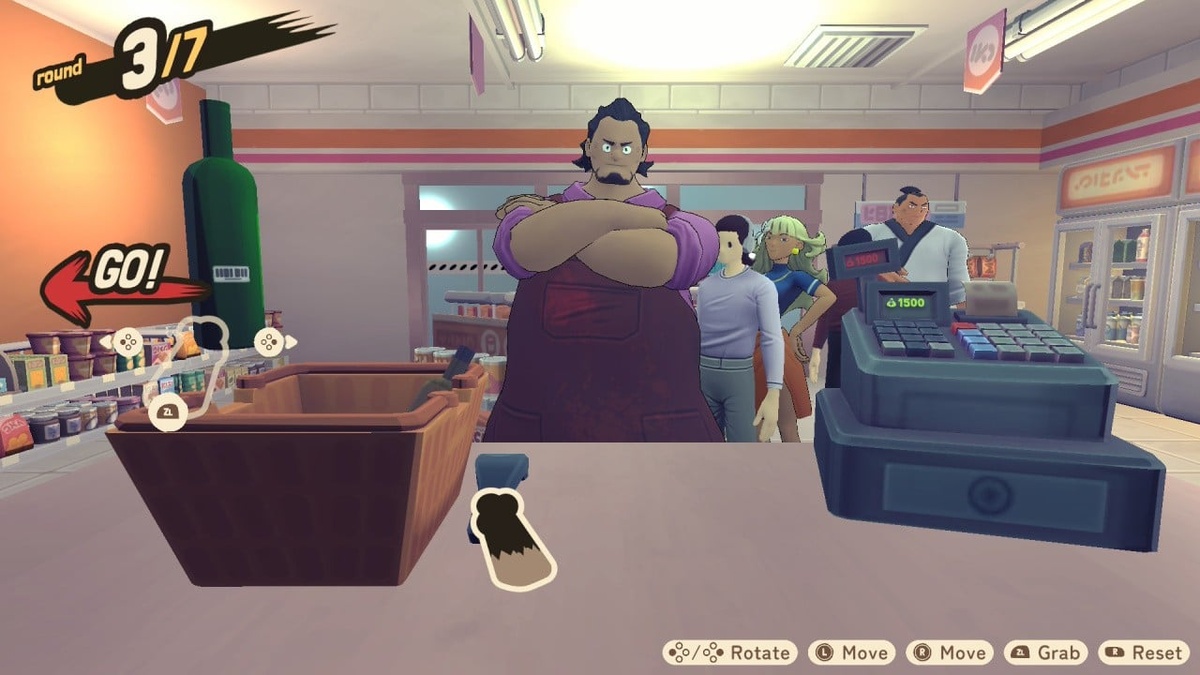
Dissecting player behavior across the launch of Tanuki Pons Summer reveals profound differences in audience engagement and emotional investment. While millions eagerly dive into violent urban satire, a massive contingent of gamers actively seeks meditative, low-stress gameplay loops that celebrate quiet community connection.
In Tanuki Pons Summer, players assume the role of Pon, a lovable BMX-riding tanuki employed as a local post office carrier. Rather than stealing luxury sports cars or gunning down rival syndicates, players earn modest wages to restore a dilapidated mountain shrine.
This gameplay loop of Tanuki Pons Summer creates an evocative gameplay loop combining arcade bicycle trick mechanics with relaxed environmental deliveries. Players cruise through sun-drenched alleys, execute tailwhips over bridges, and deliver handwritten letters to eccentric villagers preparing for an upcoming seasonal summer festival.
The experiential divergence between blockbuster crime epics and charming Tanuki Pons Summer editions mirrors modern hardware optimization trends. Much like gamers balancing high-end desktop rigs with portable handhelds, consumer gaming habits thrive on complementary aesthetic variety rather than exclusive franchise monogamy.
Gaming enthusiasts who spend intense evenings completing complex bank heists frequently unwind with Tanuki Pons Summer. Denkiworks positioned their title to capture this exact decompression demographic, providing an accessible palate cleanser between demanding AAA gaming marathons.
Platform Architecture and Simultaneous Shipping: Scaling Tanuki Pons Summer on Switch 2 and Xbox
| Hardware Platform | Target Resolution | Target Frame Rate | Porting & Optimization Architecture | Storage Footprint |
|---|---|---|---|---|
| Nintendo Switch 2 | Dynamic 1440p (Docked) / 1080p (Handheld) | 60 FPS Locked | In-house native build by Denkiworks Kyoto | ~4.2 GB Fast NVMe |
| Nintendo Switch (Original) | Dynamic 900p (Docked) / 720p (Handheld) | 30 FPS Target | External porting partner managed build | ~4.0 GB eMMC Flash |
| Xbox Series X|S | Native 4K (Series X) / 1080p (Series S) | 60 FPS Locked | External porting partner managed build | ~5.1 GB Internal SSD |
| PC (Steam / Steam Deck) | Unlocked Up to 4K / Ultrawide | 120+ FPS Capable | Denkiworks in-house PC master pipeline | ~4.8 GB High-Speed SSD |
Launching a multi-platform title simultaneously across diverse console architectures represents a monumental technical feat for a the team behind Tanuki Pons Summer. Founded in 2023 by former Q-Games veterans, Denkiworks comprised just three core developers tasked with managing ambitious cross-platform milestones.
To prevent production bottlenecks, publisher Critical Reflex enlisted an experienced porting partner for Xbox, PlayStation, and Switch editions. This division allowed the core Kyoto team to focus exclusively on the PC master build and native Switch 2 optimization.
Developing natively for Nintendo’s next-generation console enabled the team to achieve crisp dynamic 1440p resolution and fluid 60 FPS performance. Similar to hardware efficiency analyzed in our Apple M4 Mac mini breakdown, optimized silicon prevents thermal throttling during extended handheld play.
Securing an early publishing partnership with Microsoft ensured day-one distribution through Xbox Game Pass, drastically lowering storefront friction for Tanuki Pons Summer. As explored in our analysis of Xbox cloud gaming distribution models, subscription ecosystems offer indie developers guaranteed revenues alongside immense player visibility.
Deploying Tanuki Pons Summer demands rigorous quality assurance and continuous cross-studio synchronization across every developmental phase. By successfully deploying day-one builds on all major storefronts, Denkiworks maximized their commercial exposure across console and PC ecosystems despite fierce autumn retail competition.
Cultural Authenticity and Environmental Design: Crafting a Japanese Countryside Love Letter
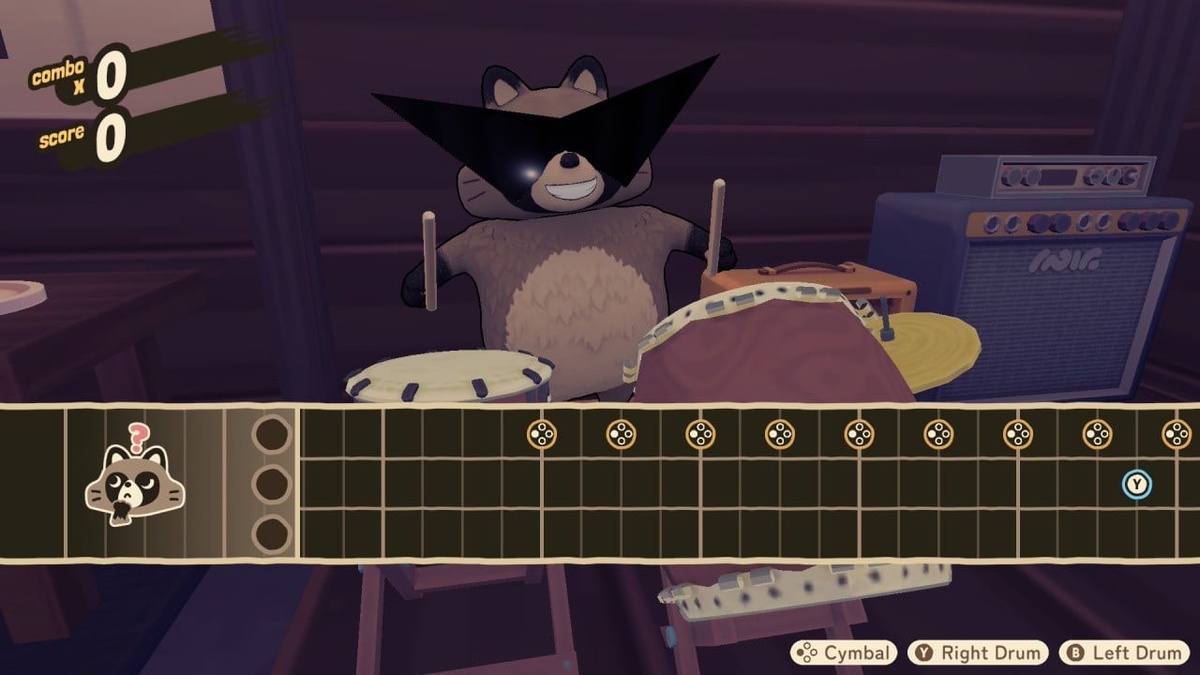
Beyond its bicycle stunts in Tanuki Pons Summer, the title functions as a poignant love letter to rural Japanese topography and community architecture. Game director Liam Edwards, an eleven-year Kyoto resident, channeled his deep fascination with local street layouts into an authentic interactive landscape.
The development team blended Japanese native perspectives with international collaborators hailing from the United Kingdom, Australia, France, and Brazil. This multicultural team behind Tanuki Pons Summer enabled Denkiworks to capture the intoxicating wonder of discovering Japanese shrines, mountain waterways, and moss-covered stone statues.
To ensure cultural accuracy, the studio conducted extensive ethnographic research regarding shrines featured in Tanuki Pons Summer and communal festival traditions. Every decorative Torii gate, ritual bell, and roadside offering box was crafted with meticulous reverence to avoid cartoonish caricatures or cultural insensitivity.
This dedication to authentic craftsmanship earned widespread acclaim among Japanese players on discussions around Tanuki Pons Summer following release. Domestic gamers warmly praised the nostalgic accuracy of rural postal delivery routes, cicada-filled ambient soundscapes, and charming neighborhood interactions scattered throughout town.
Pairing authentic cultural immersion with responsive arcade bicycle physics elevates the game far above competitors facing Tanuki Pons Summer. Players actively engage with living cultural landmarks, discovering that meaningful world design often resonates deeper than hyper-realistic graphic assets found in multi-million-dollar blockbusters.
The Long-Tail Word-of-Mouth Calculus: Why Tanuki Pons Summer Relies on Sustained Discovery
In the modern digital distribution era, commercial success is rarely determined solely by first-weekend retail velocity. While colossal AAA productions depend on massive pre-order volumes to recoup astronomical budgets, indie titles frequently discover their greatest financial profitability through steady long-tail word-of-mouth momentum.
Edwards highlighted that once players eventually conclude their epic journeys through Hyrule and Leonida, they will seek refreshing new experiences. Memorable concept branding, characterized as the delightful BMXing Tanuki game, ensures the title remains distinctly etched in player memories.
Positive critical reception provides vital foundational support for sustained viral discovery across YouTube, Twitch, and gaming podcasts. Enthusiastic streamer playthroughs and cozy gaming recommendation roundups consistently drive secondary sales waves long after blockbuster marketing campaigns exhaust their promotional budgets.
Just as high-performance PC hardware like the AMD Ryzen 7 9800X3D gaming processor commands persistent market demand through peer recommendations, exceptional indie titles maintain prolonged commercial longevity through genuine community enthusiasm.
By establishing an enduring emotional connection with players, Denkiworks created a memorable intellectual property capable of sustained seasonal sales. The studio’s patient commercial outlook demonstrates mature business acumen, recognizing that authentic player goodwill outlasts ephemeral launch-week marketing hype cycles.
Creative Discipline and Team Wellbeing: Pruning Scope to Prevent Burnout in Indie Development
The journey from initial prototype to commercial release underscored the vital importance of scope management and institutional engineering knowledge. Denkiworks initially evaluated multiple creative prototypes, including a multiplayer project, before selecting Pon’s solo adventure as their most viable commercial pitch.
Developing a fully realized 3D world in the Unity engine presented complex technical hurdles for the small production team. Despite their seasoned industry backgrounds, the directors had to rapidly adapt and author specialized internal tools to streamline environmental layout and physics pipelines.
Crucially, leadership implemented strict production boundaries to safeguard team wellbeing and prevent the toxic crunch culture endemic to game development. The core team avoided grueling overtime and weekend sprints, while external freelancers operated under well-defined, humane fixed-hour working agreements.
This enlightened developmental philosophy mirrors critical transitions across enterprise software, including recent NVIDIA legacy operating system phase-outs, where disciplined architectural modernization prioritizes sustainable efficiency over chaotic, bloated legacy practices.
Even with deliberate scope reductions from the original design blueprint, crafting a deeply personal title generated natural psychological exhaustion. By championing internal knowledge and humane working conditions, Denkiworks proved that ambitious independent studios can achieve creative excellence without sacrificing human health.
Frequently Asked Questions
Why did Tanuki: Pon’s Summer release so close to GTA 6 and Zelda?
Denkiworks initially planned an October launch but moved to mid-November to capitalize on first-party marketing opportunities and clear GTA 6. However, Nintendo unexpectedly shadow-dropped the Ocarina of Time remake on November 5, placing the indie title directly between both blockbuster giants.
What is the core gameplay loop of Tanuki: Pon’s Summer?
Players control Pon, a BMX-riding tanuki working as a part-time postal carrier in rural Japan. Players execute bicycle stunts, deliver parcels, interact with eccentric villagers, and use their earned delivery wages to restore the community mountain shrine before the summer festival arrives.
Which platforms is Tanuki: Pon’s Summer currently available on?
The game launched simultaneously across Nintendo Switch 2, original Nintendo Switch, Xbox Series X|S, Xbox One, and PC via Steam and Microsoft Store. Additionally, the title joined Xbox Game Pass as a day-one subscription release for console and cloud players.
How did a three-person team manage a simultaneous multi-platform release?
Denkiworks handled the PC master build and native Nintendo Switch 2 edition directly in-house in Kyoto. Their publisher, Critical Reflex, contracted an experienced external porting partner to manage the Xbox, PlayStation, and original Switch conversions simultaneously.
How are developers handling the fierce autumn launch competition?
Denkiworks and Critical Reflex are banking on steady word-of-mouth momentum and long-tail digital storefront discovery. Rather than competing directly for initial launch hype, they positioned the cozy BMX adventure as an accessible palate cleanser once players finish Zelda and GTA 6.
Final Verdict: Why Indie Charisma Outlasts Release Window Clashes
The launch collision surrounding Tanuki: Pon’s Summer offers an instructive case study in modern game publishing. While competing against GTA 6 and Zelda seems daunting, Denkiworks crafted an irresistibly charming adventure that stands proudly on its artistic merits.
By harmonizing BMX mechanics with authentic Japanese aesthetics, the studio created a memorable experience that transcends fleeting marketing trends. Strategic platform distribution across Xbox Game Pass and Nintendo Switch 2 ensures continuous player acquisition throughout the winter season.
Ultimately, genuine creative passion, cultural sincerity, and humane development practices shine through every sun-drenched street in Pon’s idyllic neighborhood. As gamers seek refuge from colossal AAA marathons, this delightful tanuki postie delivers one of the most heartwarming interactive treats of the year.
