


Table of Contents
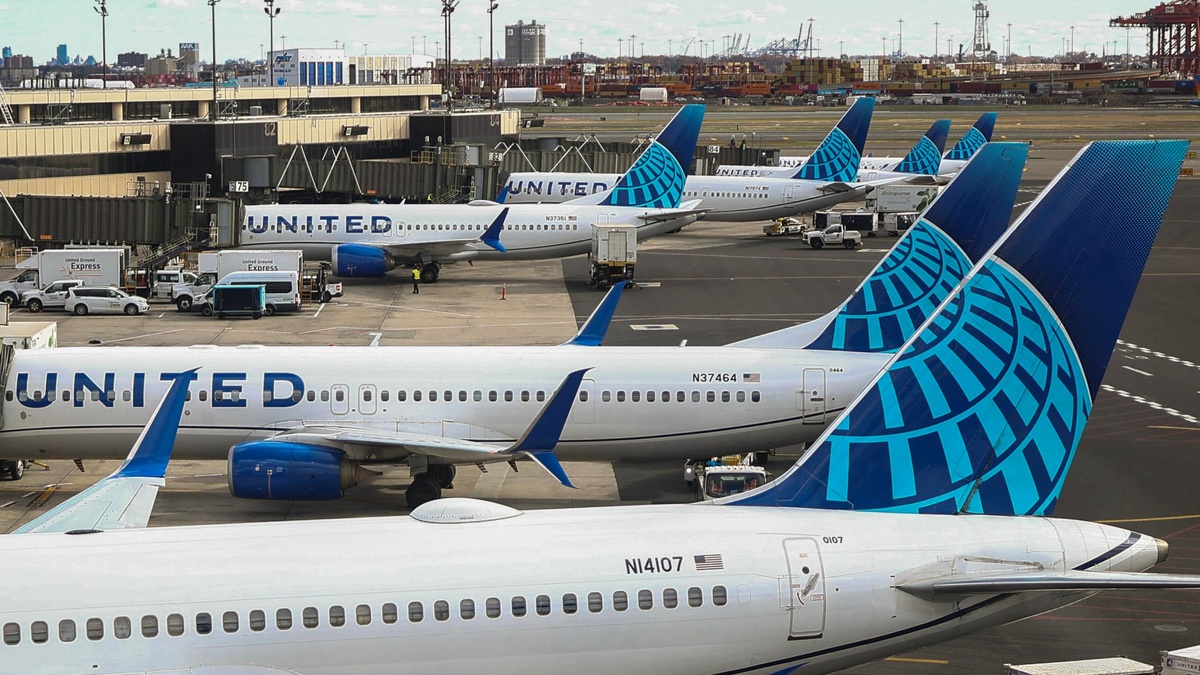
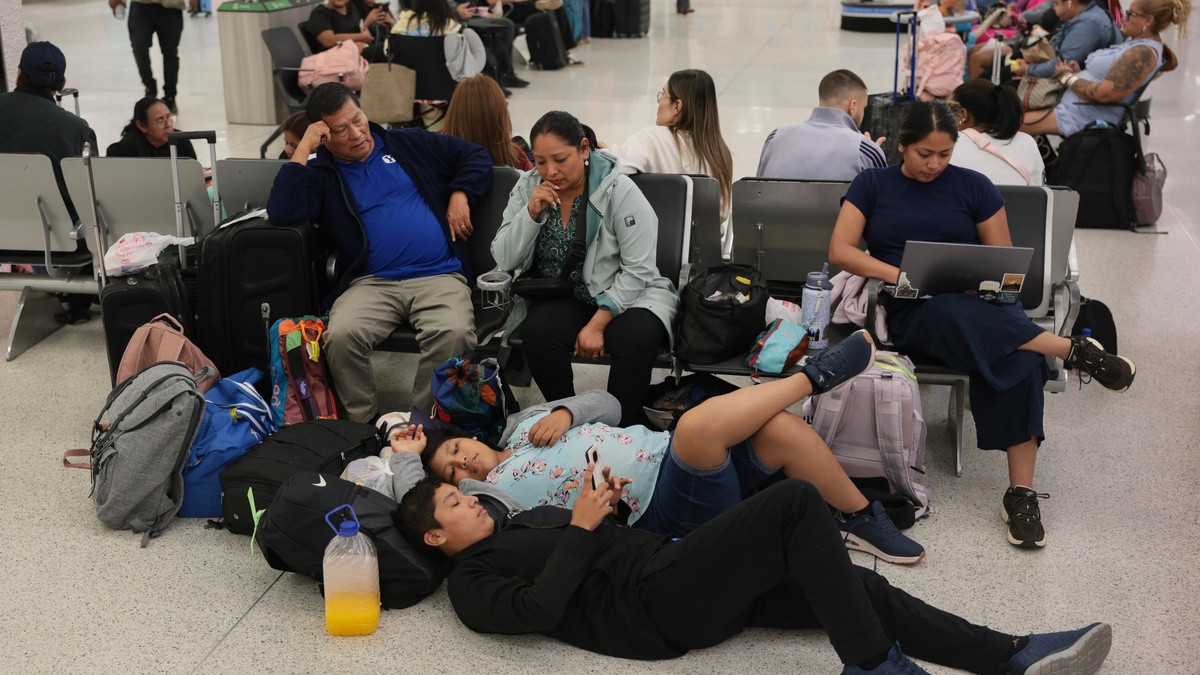
Commercial air travel suffered another severe disruption after a sudden United Airlines system outage crippled flight dispatches nationwide on Monday afternoon. The failure left dozens of mainline aircraft stranded on airport taxiways awaiting mandatory takeoff clearance documentation.
Coming less than a week after federal radar failures halted flights across the United States, this latest incident highlights persistent digital vulnerabilities across modern commercial aviation infrastructure as airlines struggle to maintain legacy computing platforms.
| Operational Dimension | United Airlines system outage | FAA Air Traffic Control Ground Stop |
|---|---|---|
| Primary Root Cause | Internal dispatch weight and balance computation failure | Federal air traffic control telecommunications and radar outage |
| Affected Aviation Systems | Automated aircraft loadsheet telemetry and trim calculation | En-route radar feeds and inter-facility flight plan routing |
| Scope of Flight Disruptions | United mainline departures halted; airborne flights unaffected | Nationwide ground stop impacting all commercial airline departures |
| Regulatory Clearance Barrier | Missing FAA-certified center-of-gravity release manifests | FAA loss of mandatory aircraft separation radar monitoring |
| Operational Fallback Protocol | Manual paper load calculations and secondary server reboot | Manual air traffic spacing and voice frequency coordination |
| Incident Duration & Status | Resolved within several hours following system recovery | Resolved after emergency telecommunication line restoration |
Pre-Flight Dispatch Failure: Aircraft Weight and Balance Calculation Breakdown
The primary catalyst behind the United Airlines system outage, as reported by The Verge, stemmed from a centralized database glitch within United’s flight management systems. Aircraft on the ground were unable to receive mandatory weight and balance calculations.
Modern commercial jetliners require accurate weight and center-of-gravity calculations before cockpit crews can configure their flight management computers. Without certified loadsheet telemetry, pilots navigating the United Airlines system outage cannot program critical takeoff speeds or configure elevator trim tab angles.
Passengers stranded aboard grounded flights reported announcements from flight decks explaining that the United Airlines system outage prevented dispatchers from generating automated weight profiles. Ramp operations ground to a standstill as ground crews awaited system restoration.
United confirmed that regional flights operated by United Express partners remained unaffected because those regional carriers utilize separate flight dispatch infrastructure. Mainline flights operating widebody and narrowbody Boeing and Airbus jets absorbed the brunt of delays.
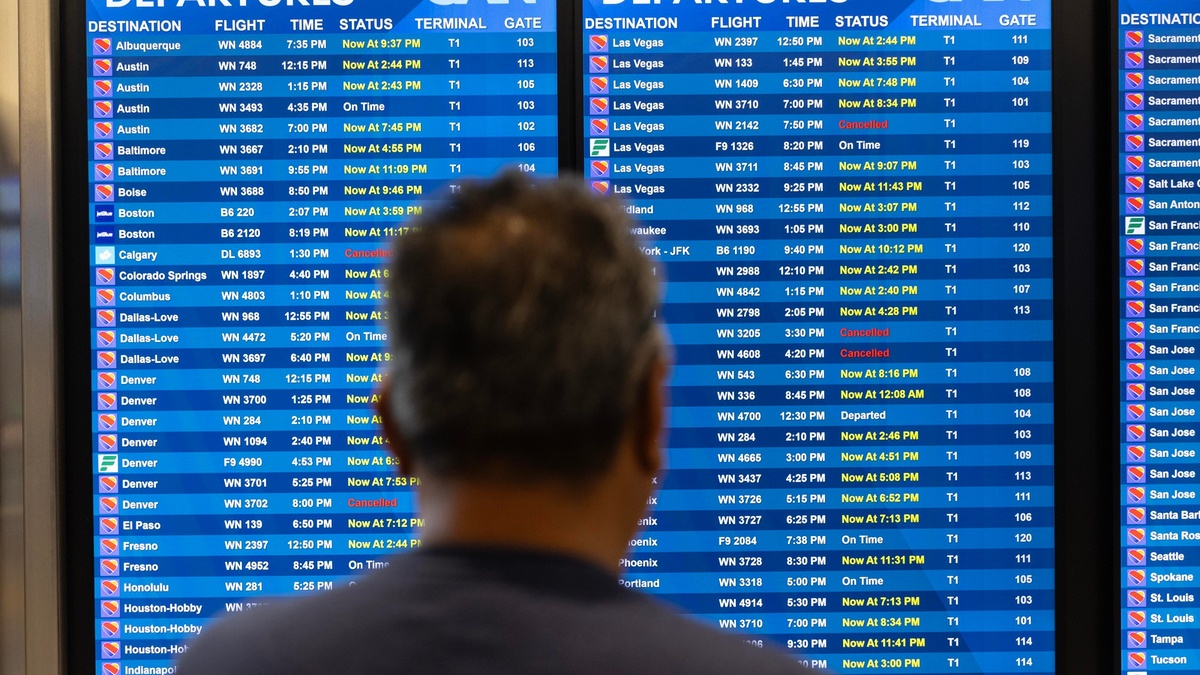
Flight tracking metrics recorded climbing departure delays across major international gateways as the United Airlines system outage persisted through the evening rush. Airline dispatchers attempted manual workload workarounds while engineering personnel scrambled to isolate backend database contention.
Regulatory Safety Mandates: Why Airliners Cannot Depart Without Certified Trim Data
Federal Aviation Administration regulations strictly prohibit commercial passenger airliners from initiating takeoff rolls without an authorized, legally binding weight manifest. Every commercial transport aircraft must operate within meticulously verified longitudinal stability boundaries.
Even minor discrepancies in cargo weight distribution or passenger seating configurations can alter pitch characteristics during rotation. During the United Airlines system outage, captain signatures on load release documentation were legally impossible to complete electronically.
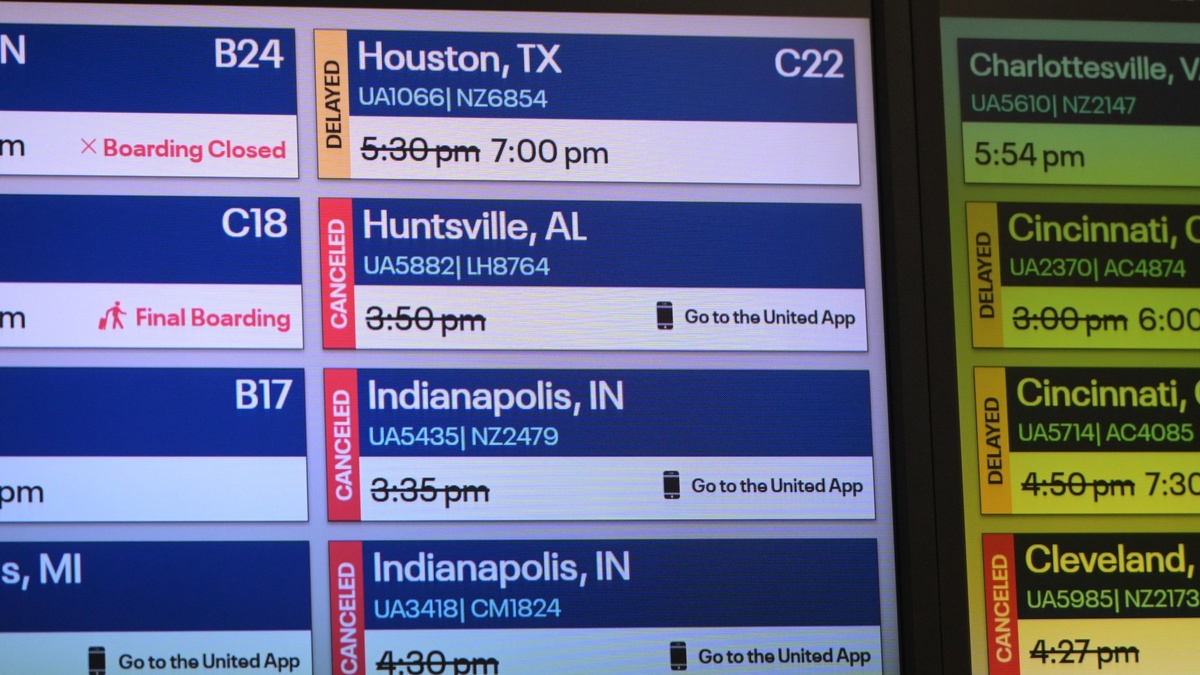
Modern airliners rely on digital Aircraft Communications Addressing and Reporting Systems to upload performance data directly into cockpit guidance computers. When centralized dispatch servers drop offline, flight crews lose access to automated aerodynamic computations.
Airline dispatchers can theoretically calculate center-of-gravity data manually using paper charts, but doing so during the United Airlines system outage proved virtually impossible at hub scale. Generating manual loadsheets for hundreds of simultaneous departures introduces unsustainable delay cascades.
Aviation safety inspectors emphasized that keeping aircraft parked safely at gates prevented potentially hazardous aerodynamic imbalances during flight. The operational halt demonstrated that strict regulatory compliance supersedes commercial scheduling demands under unexpected infrastructure failures.
Cascading Aviation Gridlock: Ramp Backlogs and Crew Duty Timers at Major Hubs
The timing of the United Airlines system outage exacerbated gridlock by striking during the high-volume late-afternoon domestic flight bank. Interconnecting hubs including Chicago O’Hare, Denver International, Newark Liberty, and Houston George Bush experienced acute gate congestion.
Inbound aircraft landing on active runways could not reach scheduled arrival gates occupied by delayed departing flights. Taxicab queues stretched along perimeter taxiways as ground controllers managed severe aircraft parking congestion across ramp aprons.
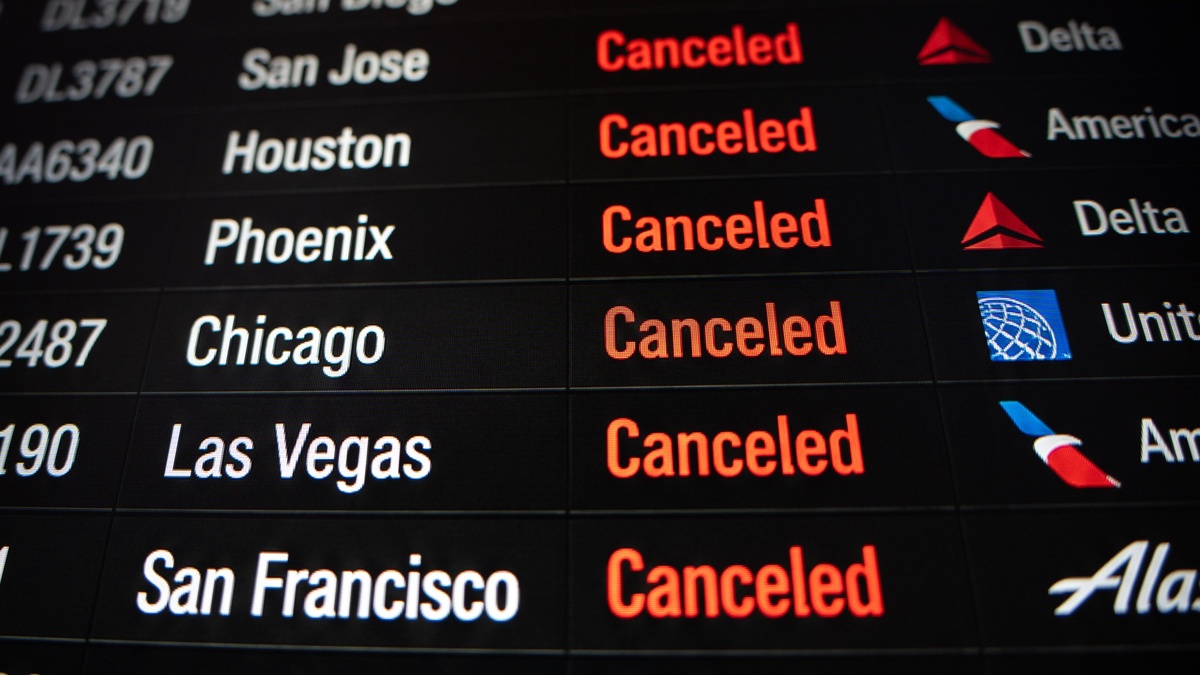
Flight crews aboard delayed planes rapidly burned through federally mandated duty-time limits as the United Airlines system outage dragged into the evening. Airlines faced compounding logistical nightmares as resting pilots and flight attendants approached regulatory duty-hour expirations.
Gate agents at crowded terminals fielded thousands of passenger inquiries while rescheduling disrupted itineraries and arranging rebookings. Travelers missing international connections faced lengthy overnight layovers as international departure banks missed their assigned transoceanic slots.
The operational chaos echoed the cascading digital infrastructure vulnerabilities examined in our analysis of recent enterprise collapses, demonstrating how the United Airlines system outage rippled across interline agreements, baggage handling pipelines, and regional transportation networks.
A Fragile Digital Infrastructure: Compounding Outages Across Modern Commercial Aviation
The sudden emergence of the United Airlines system outage arrived on the heels of unprecedented disruptions across global aviation ecosystems, following the FAA nationwide ground stop. Air traffic controllers experienced severe radar and communications failures that halted commercial flights.
Aviation analysts point to an alarming pattern of compounding digital fragility across airline operational stacks. Critical systems often run atop decades-old legacy mainframe architectures wrapped in modern web APIs without sufficient end-to-end failover testing.
That systemic fragility mirrors the widespread service breakdowns detailed in our Microsoft 365 global outage post-mortem, where gateway bottlenecks crippled mission-critical enterprise workflows across major commercial organizations.
Similar architectural bottlenecks also affect modern consumer and enterprise silicon migrations, as detailed in our Apple M4 Pro hardware benchmark report, emphasizing rigorous redundancy engineering.
When critical dispatch engines experience server timeouts during the United Airlines system outage, lack of automated horizontal failover paralyzes entire airline networks. Airlines must accelerate multi-region cloud migrations to eliminate single-point hardware dependencies.
| Dispatch Subsystem Layer | Primary Aviation Function | Outage Impact Severity | Standard Redundancy & Recovery Protocol |
|---|---|---|---|
| Weight & Balance Engine | Computes aircraft center of gravity and stabilizer trim | Critical: Halts departure releases immediately | Secondary calculation server failover and manual dispatching |
| Flight Release Dispatch | Authorizes legally binding route and fuel flight plans | Critical: Prevents captain sign-off and pushback | Backup dispatch center handoff and paper manifest printing |
| ACARS Cockpit Datalink | Transmits loadsheets directly to flight management computer | High: Requires voice readback or gate printouts | VHF radio voice transmission and physical gate delivery |
| Passenger & Cargo Reconciliation | Aggregates boarded passenger counts and cargo weight bins | Moderate: Introduces boarding door closure delays | Manual gate agent counts and ramp weight tallies |
Dispatch Restoration and Fleet Recovery: United Clears Backlog Following Service Recovery
United Airlines announced shortly after six in the evening that engineers had successfully remediated the underlying technical fault. As the United Airlines system outage subsided, dispatch centers initiated phased recovery procedures to clear hundreds of delayed flight manifests.
Cockpit crews received queued loadsheets through electronic flight bags and ACARS telemetry uplinks, allowing ground handlers to push back. Priority was granted to long-haul international flights facing strict airport curfew windows and tight oceanic routing slots.
Despite resolving the United Airlines system outage, airline operations managers warned travelers that residual delays and cancellations would persist through Tuesday morning. Aircraft and flight crews displaced from assigned rotations required extensive repositioning flights across domestic networks.
Ground crews worked overtime into the night loading delayed baggage and expediting turnaround servicing at congested terminal gates. United customer service teams issued travel waivers permitting affected passengers to reschedule their flights without incurring change penalties.
The rapid resolution demonstrated effective technical containment, but the United Airlines system outage underscored the high operational costs of dispatch fragility. Aviation executives face mounting congressional scrutiny regarding infrastructure modernization and passenger protection standards.
Frequently Asked Questions
What caused the United Airlines system outage on Monday?
The United Airlines system outage was caused by a software glitch in United’s flight dispatch systems that disabled the automated weight and balance calculator. Without certified center-of-gravity telemetry, dispatchers could not release mainline flights for takeoff.
Why can’t commercial airliners take off without weight and balance calculations?
Federal aviation regulations require certified weight and balance manifests before every takeoff. Accurate center-of-gravity calculations determine required takeoff thrust, flap settings, and elevator trim to guarantee aircraft aerodynamic controllability during rotation.
Were in-flight United planes or United Express regional flights affected?
No, United confirmed that flights already airborne continued safely to their destinations without interruption. Additionally, regional flights operated by United Express partners remained unaffected because they rely on separate regional flight dispatch systems.
How long did the United Airlines system outage last before being resolved?
The disruption lasted several hours during the peak Monday evening departure rush. United confirmed the technical fault was resolved shortly after 6:00 PM Eastern Time, after which ground crews began clearing dispatch backlogs.
How does this incident connect to recent FAA air traffic control disruptions?
This incident occurred less than a week after widespread FAA communications and radar outages forced nationwide ground stops. Occurring alongside recent enterprise disruptions, it highlights intensifying digital vulnerabilities across domestic aviation networks.
Aviation Infrastructure Verdict: The Urgent Mandate for Resilient Airline Systems
The latest United Airlines system outage serves as an urgent reminder that commercial aviation operates on razor-thin technological margins. While aircraft hardware represents pinnacle aeronautical engineering, dispatch computing platforms remain susceptible to debilitating software faults.
Passenger safety rightfully remains paramount, justifying temporary ground holds whenever digital calculations cannot be certified. Strategic infrastructure resilience echoes the strict reliability standards discussed in our enterprise driver lifecycle analysis.
As federal regulators and airlines review lessons from this United Airlines system outage, investing in fault-tolerant cloud dispatch architecture must take precedence. Eliminating fragile operational bottlenecks will ensure passenger air transport remains dependable in an increasingly interconnected era.
