


Table of Contents
Global productivity ground to a halt this week following a catastrophic Microsoft 365 service disruption, transforming the broader LibreOffice Microsoft cloud outage dialogue into an urgent industry debate on digital sovereignty and workflow resilience.
Capitalizing on widespread corporate frustration, The Document Foundation announced an all-time fundraising record, proving that the LibreOffice Microsoft cloud outage backlash is actively driving users toward independent desktop office suites.
| Architectural Dimension | Microsoft 365 Enterprise SaaS | LibreOffice 26.8 Community Suite |
|---|---|---|
| Document Storage Model | Remote Cloud Storage (OneDrive / SharePoint) | Local On-Device Storage (Physical Disk / NAS) |
| Network Outage Resilience | High Vulnerability (Authentication / Cloud Stalls) | 100% Uninterrupted Offline Operational Uptime |
| Primary File Standard | Proprietary OpenXML with Vendor Extensions | ISO/IEC 26300 OpenDocument Format (ODF) |
| Licensing & Total Cost | Recurring Annual Subscription ($36 – $57/mo) | Free Open-Source Software (Voluntary Donations) |
| Data Privacy & Control | Third-Party Multi-Tenant Server Hosting | Absolute User Sovereignty & Machine Isolation |
Record Donation Milestone: Examining the LibreOffice Microsoft Cloud Outage Momentum
In an unprecedented operational milestone, The Document Foundation received more than one thousand individual financial contributions in a single twenty-four-hour cycle, propelled by community sentiment surrounding the LibreOffice Microsoft cloud outage.
According to coverage from Neowin, the non-profit foundation openly contrasted its localized application model against the recurring vulnerabilities inherent in centralized subscription platforms.
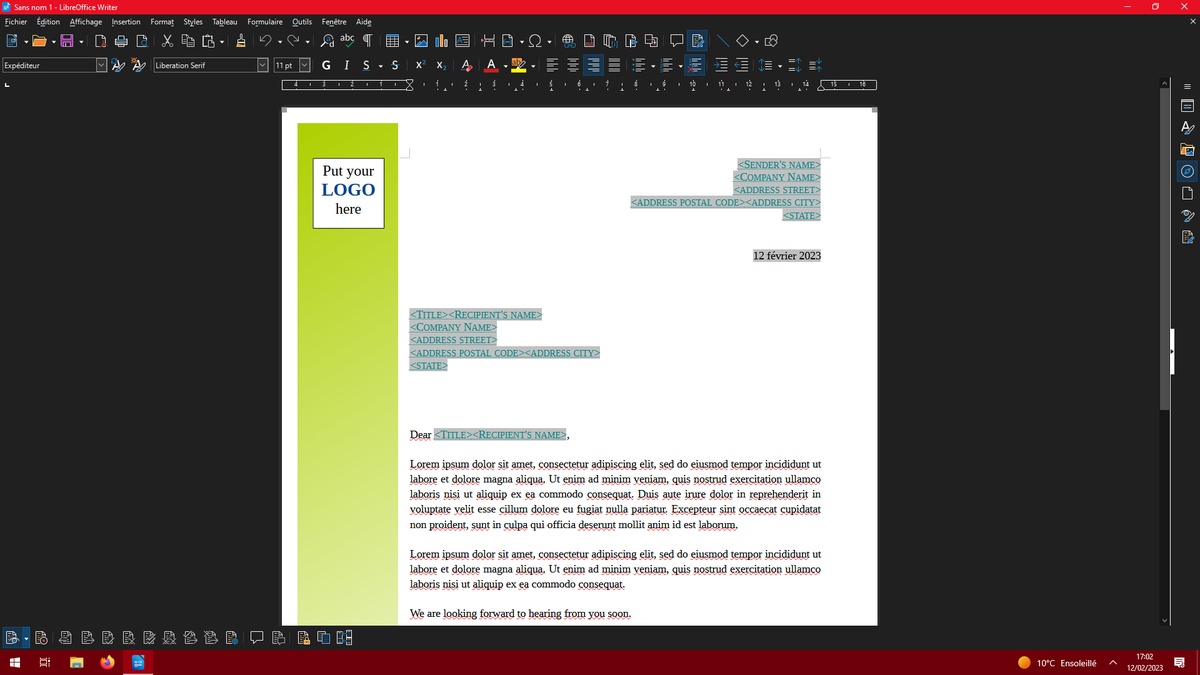
In an official statement published on the Document Foundation Blog, representatives noted that users increasingly resent paying steep subscriptions for remote platforms that can vanish without warning.
While proprietary tech conglomerates measure quarterly metrics in recurring revenue, open-source projects rely on grassroots contributions from individuals who genuinely value offline software independence and data privacy.
The record-shattering donation influx confirms that the LibreOffice Microsoft cloud outage was not simply an amusing viral social media trend, but a tangible commercial awakening for digital sovereignty.
Cloud Dependency Vulnerabilities: When Hyperscale Outages Paralyze Enterprises
The underlying catalyst behind this migration remains the severe operational exposure modern businesses face when cloud providers suffer authentication collapses and centralized gateway downtime during the LibreOffice Microsoft cloud outage.
When administrative portals and document pipelines seize up, entire enterprise workforces find themselves locked out of basic word processing, spreadsheet modeling, and essential corporate communication pipelines.

Such enterprise vulnerability mirrors consumer trends seen in modern gaming ecosystems, where platforms shift toward cloud streaming as analyzed in our review of Xbox Cloud Gaming pay-as-you-go pricing models.
Unlike thin client architectures that demand continuous handshake verification with remote telemetry servers, local desktop software operates entirely self-contained, guaranteeing that workers retain immediate access to mission-critical spreadsheets and reports.
By removing external network dependencies from daily document creation, organizations eliminate single points of failure that regularly transform the LibreOffice Microsoft cloud outage into multi-million-dollar economic bottlenecks.
OpenDocument Standard Architecture: Preserving Uncompromised Local File Ownership
At the technical heart of LibreOffice sits the ISO-standardized OpenDocument Format, an open architecture created specifically to prevent proprietary vendor lock-in during events like the LibreOffice Microsoft cloud outage.
Proprietary cloud suites often wrap user files inside opaque metadata layers, binding document recovery to active subscription tokens and proprietary server APIs that lock users within closed ecosystems.
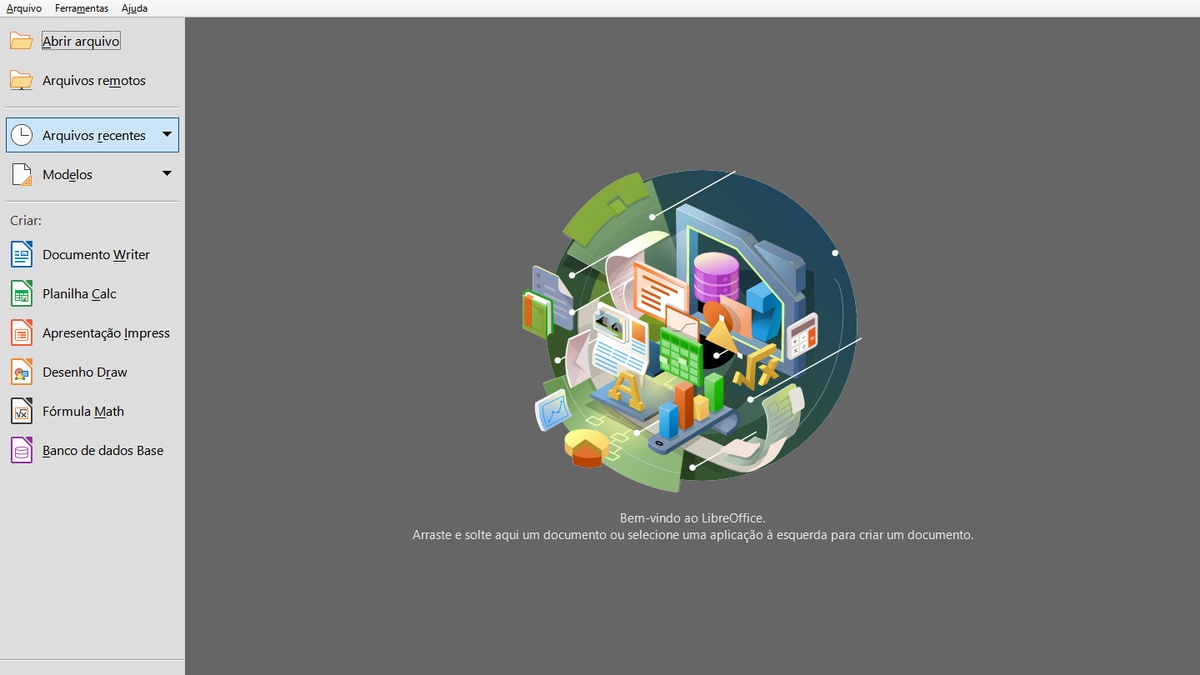
In contrast, ODF files remain unencrypted XML packages that belong completely to their creators, ensuring absolute long-term archival accessibility regardless of cloud service availability.
This commitment to open standards parallels hardware preservation efforts in PC computing, where community maintainers continue supporting legacy platforms as detailed in our NVIDIA Windows 10 support retirement analysis.
Document creators leveraging open standards during the LibreOffice Microsoft cloud outage avoided data loss entirely, illustrating the profound structural superiority of decentralized, local-first file management.
Enterprise Interoperability and Deployment: Evaluating LibreOffice 26.8 Capabilities
Amid renewed scrutiny during the LibreOffice Microsoft cloud outage, the recent release of LibreOffice 26.8.3 delivers over forty-five targeted improvements specifically optimizing Microsoft Office file format compatibility.
Modern desktop workstations, powered by ultra-efficient silicon like the Apple M4 Mac Mini redesign, execute complex LibreOffice document rendering without encountering remote network bottlenecks.
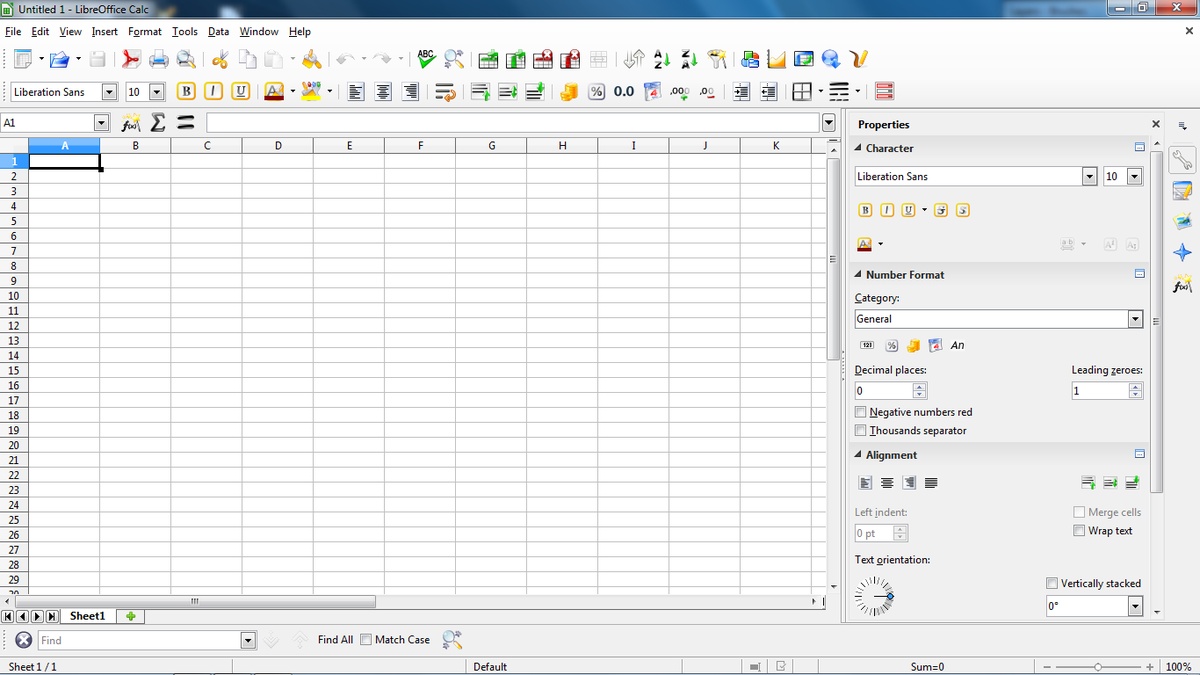
Enterprise teams requiring high-performance processing can leverage powerful desktop processors such as the AMD Ryzen 7 9800X3D to handle massive multi-gigabyte local spreadsheets instantly.
Furthermore, dedicated commercial vendors like Collabora and allotropia now provide certified enterprise service level agreements, allowing Fortune 500 corporations to deploy LibreOffice across mixed fleets without operational hesitation.
With corporate IT budgets increasingly strained by software price hikes, the financial rationale for open-source migration gained substantial momentum following the LibreOffice Microsoft cloud outage.
| Productivity Platform | Deployment Model | Standard Monthly Pricing | Outage Vulnerability | Commercial SLA Availability |
|---|---|---|---|---|
| Microsoft 365 E3 / E5 | Multi-Tenant Cloud SaaS | $36.00 – $57.00 per user | High (Centralized Outages) | Direct Microsoft Premier Support |
| Google Workspace Enterprise | Browser-First Cloud SaaS | $18.00 – $36.00 per user | High (Authentication Stalls) | Enterprise Google Cloud Support |
| LibreOffice Community | Local Native Desktop App | $0.00 (Community Donations) | Zero (100% Offline Access) | Community Forums & Bugzilla |
| Collabora Office Enterprise | On-Premise / Private Cloud | $1.50 – $3.50 per user | Low (Redundant Local Clusters) | Enterprise L3 Code SLA Support |
| allotropia Enterprise Support | Hybrid Managed Deployment | Custom Enterprise Contract | Low (Air-Gapped Workstations) | Certified Upstream Core Fixes |
Institutional Migration Waves: Public Sector Push Toward Digital Sovereignty
Across Europe, sovereign government bodies and military organizations have steadily abandoned proprietary American cloud stacks in favor of self-hosted, audited open-source solutions following incidents like the LibreOffice Microsoft cloud outage.
The German state of Schleswig-Holstein recently accelerated its migration of thirty thousand government workstations to Linux and LibreOffice, establishing a clear administrative precedent for public sector digital autonomy.
Similarly, the Austrian Armed Forces completed an extensive transition to LibreOffice, citing strict operational security requirements that prohibit sending sensitive defense documentation through commercial third-party clouds.
These massive institutional migrations prove that open-source office suites deliver enterprise-class functionality, dispelling the myth that large organizations cannot function efficiently without proprietary cloud software.
As regulatory scrutiny over data transfer and vendor lock-in intensifies globally, the LibreOffice Microsoft cloud outage provides timely validation for public sector digital independence initiatives.
Frequently Asked Questions
Why did LibreOffice receive record donations following the Microsoft cloud outage?
Frustrated by widespread subscription downtime during the LibreOffice Microsoft cloud outage, more than one thousand users donated to The Document Foundation to support independent, local-first open-source productivity software.
Can LibreOffice open and edit standard Microsoft Office documents accurately?
Yes, modern LibreOffice releases offer exceptional compatibility with Microsoft DOCX, XLSX, and PPTX formats, allowing users to seamlessly collaborate with corporate colleagues without relying on cloud subscriptions.
What are the primary operational advantages of local-first office software?
Local applications store documents directly on physical hardware, ensuring total functionality during network outages, eliminating recurring seat fees, and protecting sensitive corporate data from third-party vendor surveillance.
Is LibreOffice suitable for enterprise-scale deployments across corporate networks?
Yes, enterprise partners like Collabora provide commercial support, custom packaging, and private cloud hosting, helping organizations migrate smoothly away from vulnerable setups highlighted by the LibreOffice Microsoft cloud outage.
How does the OpenDocument Format protect long-term document ownership?
ODF is an open international standard using transparent XML structures, guaranteeing that users retain complete legal and technical ownership of their documents without vendor licensing restrictions.
Final Verdict: A Watershed Moment for Independent Software Architecture
The unprecedented surge in community donations highlights a critical turning point where enterprise workers and individual creators actively reject fragile cloud dependencies during the LibreOffice Microsoft cloud outage.
By combining robust local file architecture with open standards, the LibreOffice Microsoft cloud outage proves that sovereign, self-sufficient desktop computing remains vastly superior to rental subscription software.
As organizations seek resilient workflows, this historic fundraising achievement demonstrates that open-source digital sovereignty is rapidly transforming from a philosophical ideal into a corporate necessity.
