


Table of Contents
Open-source software preservation achieved an unexpected milestone this week as an independent kernel contributor submitted an essential AMD Radeon Linux video fix, resolving severe visual decoding corruption across vintage graphics hardware nearly two decades after launch.
Developed with assistance from artificial intelligence, the long-awaited AMD Radeon Linux video fix stabilizes legacy Unified Video Decoder engines, proving that modern open-source communities continue supporting historical computing hardware long after proprietary vendor drivers disappear.
| GPU Codename & Family | Desktop Retail Models | Fabrication Node | Video Decoder Capabilities | Memory Bus Configuration |
|---|---|---|---|---|
| RV610 Architecture | Radeon HD 2400 Pro / XT | 65nm TSMC Silicon | UVD 1.0 (Full H.264 & VC-1 Decode) | 64-bit DDR2 / GDDR3 Interface |
| RV630 Architecture | Radeon HD 2600 Pro / XT | 65nm TSMC Silicon | UVD 1.0 (Hardware Acceleration) | 128-bit GDDR3 / GDDR4 Interface |
| R600 Architecture | Radeon HD 2900 XT / Pro | 80nm TSMC Silicon | Legacy Video Processing Engine | 512-bit Ring Bus Architecture |
| RV620 / RV635 | Radeon HD 3450 / HD 3650 | 55nm TSMC Silicon | UVD+ (Enhanced Video Decoding) | 64-bit / 128-bit DDR2 / GDDR3 |
| RV670 Architecture | Radeon HD 3850 / HD 3870 | 55nm TSMC Silicon | UVD+ (Complete 1080p Blu-ray Offload) | 256-bit High-Speed GDDR3 / GDDR4 |
Unified Video Decoder Architecture: Hardware Acceleration Across Legacy TeraScale Silicon
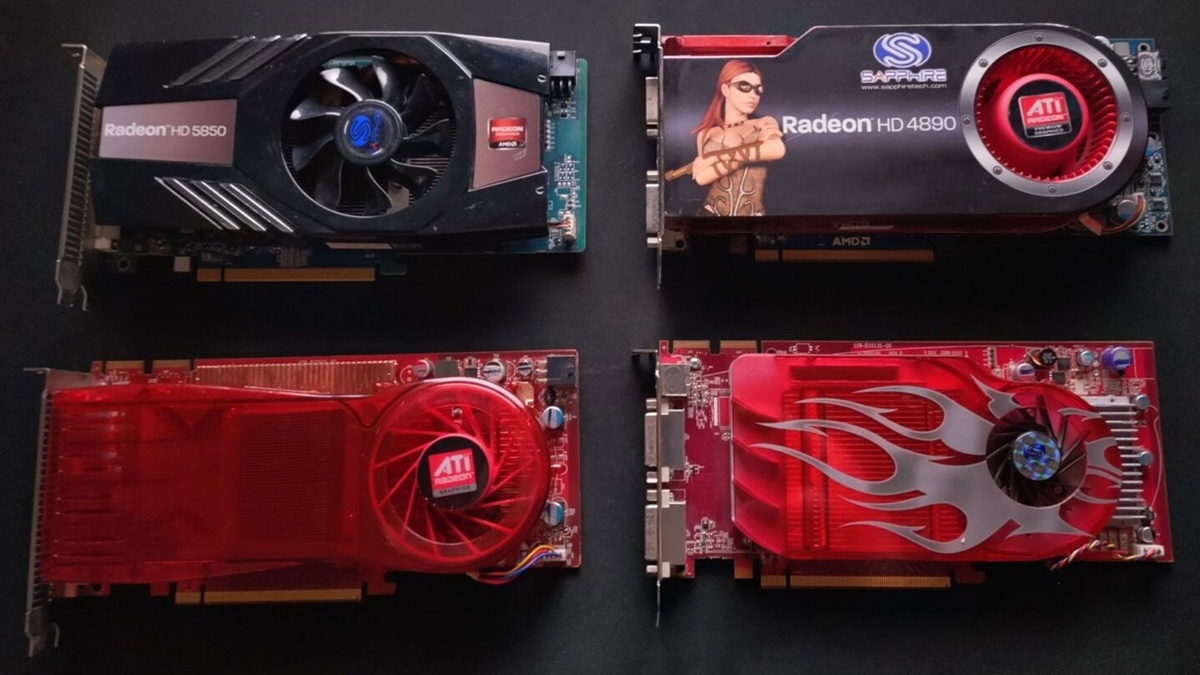
When AMD launched the Radeon HD 2000 family in 2007, it marked the company’s inaugural desktop deployment of unified shader architectures alongside the dedicated Unified Video Decoder engine requiring this eventual AMD Radeon Linux video fix.
Prior to dedicated hardware acceleration, high-definition Blu-ray decoding overwhelmed contemporary dual-core central processors, making reliable video offloading an essential hardware requirement for modern multimedia personal computers.
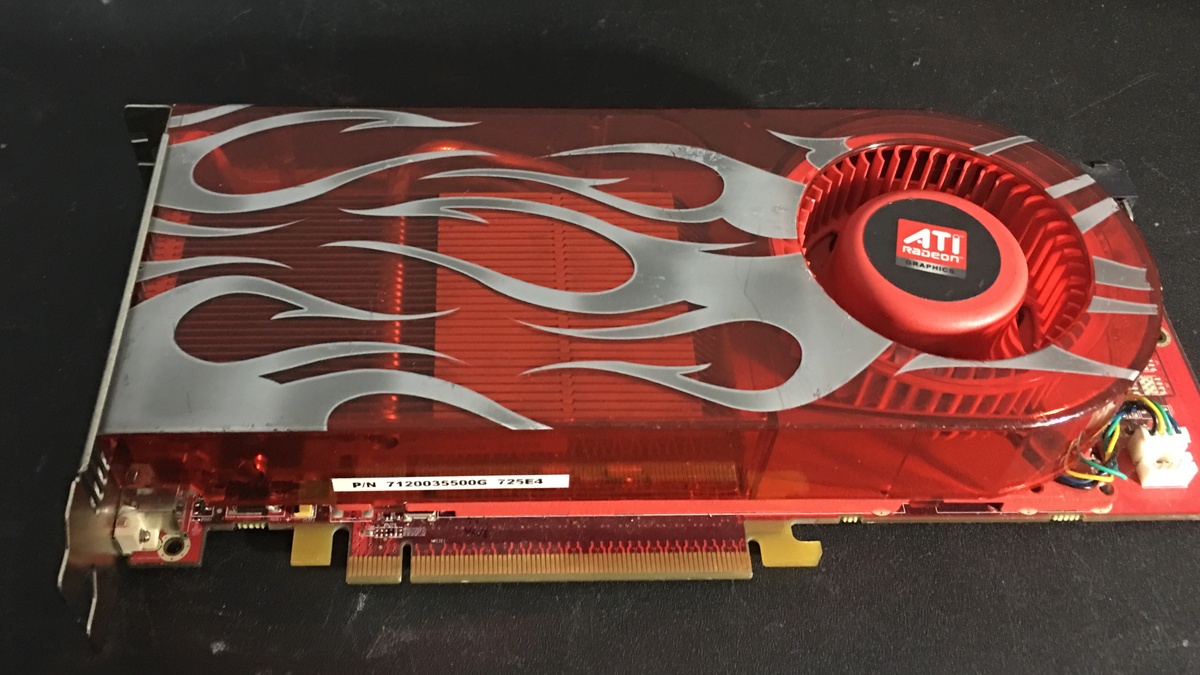
The early implementation of UVD hardware in the RV610 and RV630 silicon allowed budget desktop systems to decode complex H.264 and VC-1 streams with negligible CPU overhead.
Enthusiasts tracking modern silicon efficiency, such as the thermal advances seen in the AMD Ryzen 7 9800X3D processor, can trace architectural milestones back to these foundational unified TeraScale microarchitectures.
However, early driver architectures struggled with multi-tasking contention, establishing subtle rendering flaws that the modern AMD Radeon Linux video fix finally resolves.
Memory Buffer Placement Glitch: Diagnosing Video Corruption During Concurrent 3D Loads
The bug manifested as distracting visual glitches whenever users initiated video playback while simultaneously rendering active desktop animations, creating the fundamental software defect addressed by the AMD Radeon Linux video fix.
According to detailed coverage published by Tom’s Hardware, investigation on an iMac7,1 revealed that input video buffers were erroneously routed through shared system memory.
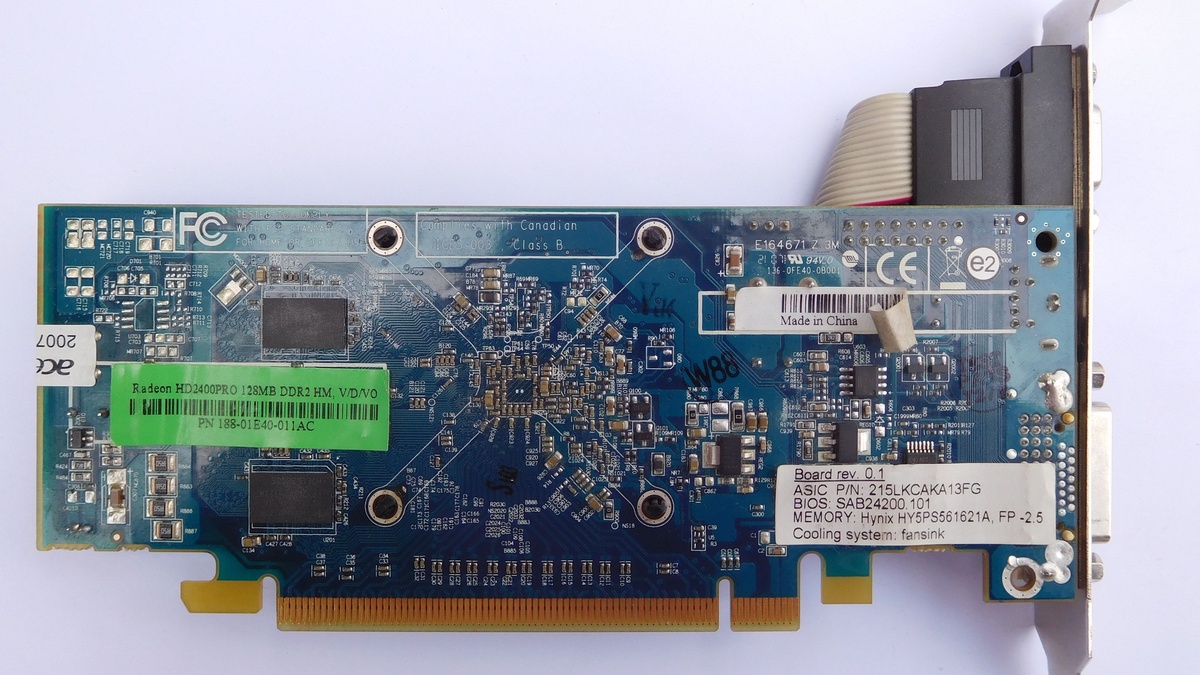
When graphics draw commands competed for bus bandwidth, reading compressed video frames from standard system memory triggered severe frame synchronization artifacts across the display pipeline.
The contributor discovered that pinning video input buffers into dedicated onboard video RAM completely prevented playback glitches, providing the foundation for the AMD Radeon Linux video fix.
By forcing UVD buffers to remain resident inside dedicated VRAM, the driver eliminates memory bus stalls and restores flawless frame playback during intensive multi-window desktop workloads.
AI-Assisted Kernel Development: How Codex Helped Untangle Legacy Open-Source Drivers
Rather than originating from veteran graphics maintainers, the initial breakthrough for the AMD Radeon Linux video fix arrived through an independent programmer utilizing OpenAI Codex to decipher convoluted legacy kernel driver pathways.
Navigating decades-old kernel codebases often presents intimidating challenges, yet generative programming tools enabled rapid prototyping and diagnostic testing on authentic Debian Linux hardware installations.
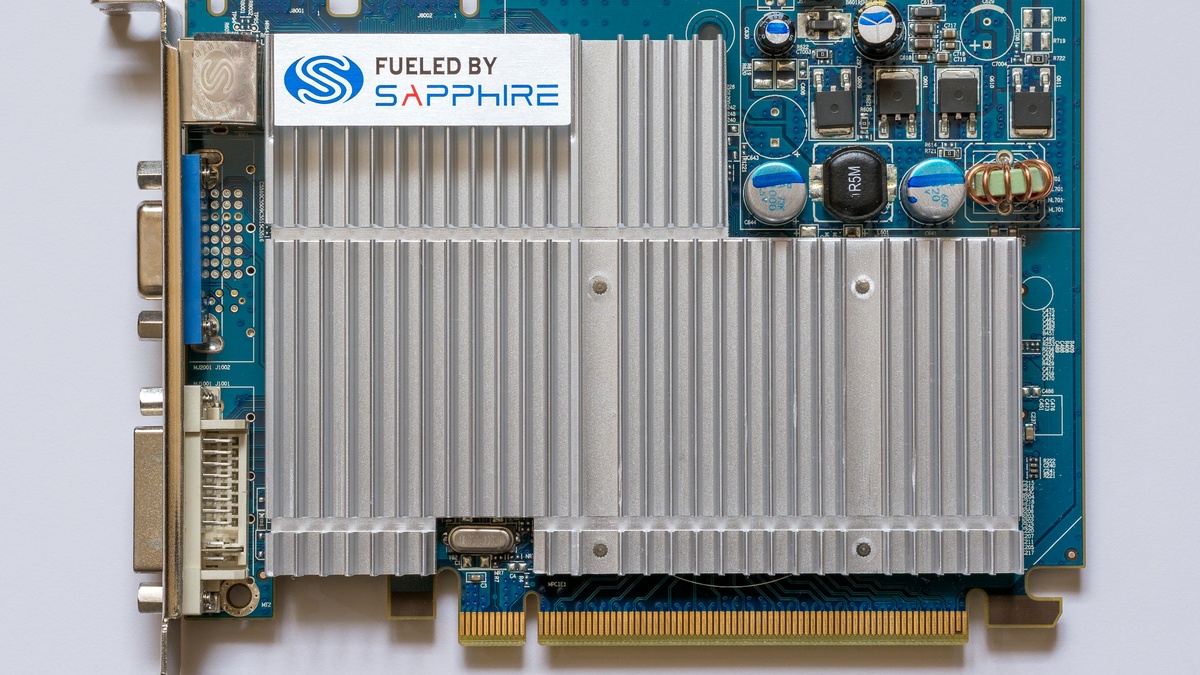
Automated analysis accelerated debugging by comparing memory pinning routines across distinct Radeon driver branches, ultimately isolating missing buffer flags to finalize the AMD Radeon Linux video fix.
Open-source analysts at Phoronix observed that AI assistance offers immense potential for revitalizing neglected driver code across obscure hardware platforms without taxing senior maintainer bandwidth.
This collaborative debugging methodology demonstrates how contemporary developer tooling can resurrect vintage systems, paralleling compact desktop innovations highlighted in the Apple M4 Mac Mini redesign analysis.
Hardware Longevity and Architecture: Comparing RV610 Through RV670 GPU Generations
Encompassing early DirectX 10 computing, the AMD Radeon Linux video fix applies broadly across multiple legacy graphics processors, covering the RV610, RV620, RV630, RV635, and RV670 silicon families.
Because these diverse GPU variants share unified decoding routines and legacy R600 firmware structures, the AMD Radeon Linux video fix successfully restores stability across both entry-level and enthusiast configurations.
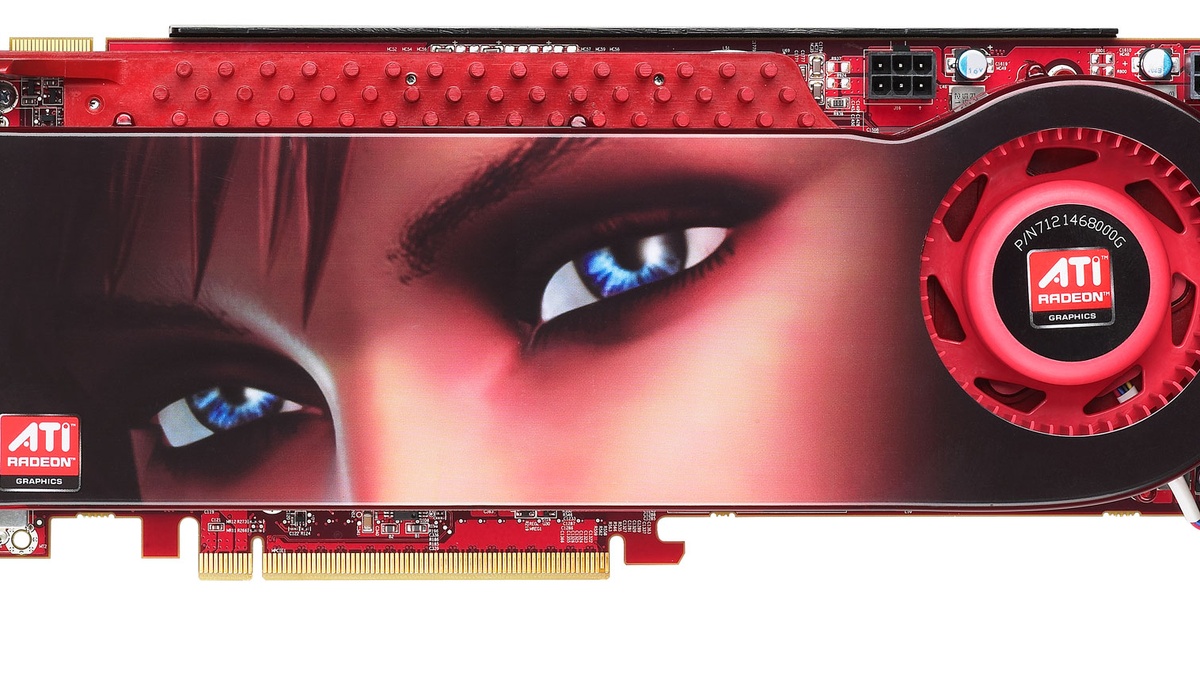
Flagship dual-GPU monsters like the Radeon HD 3870 X2 alongside budget office cards benefit equally, extending the usable service life of vintage workstations and retro gaming systems.
While enterprise IT departments routinely retire older silicon due to planned obsolescence, such as the industry shifts following NVIDIA Windows 10 support retirement, open-source architectures prioritize backward compatibility.
Implementing the AMD Radeon Linux video fix guarantees that aging TeraScale hardware remains capable of serving lightweight desktop duty without producing corrupted video output.
| Technical & Driver Dimension | ATI Catalyst 2007 (Vista Launch) | AMD Legacy Catalyst (2013 Sunset) | Modern Linux Kernel (2026 Stack) |
|---|---|---|---|
| Decoder Memory Allocation | Unpinned System RAM Fallback | Legacy Unmaintained Buffers | Dedicated Pinned VRAM Placement |
| Concurrent 3D Playback | Frequent Visual Frame Corruption | Unresolved Synchronization Glitches | Artifact-Free Stable Decoding |
| Modern OS Compatibility | Restricted to Windows Vista / 7 | Discontinued on Windows 8.1 | Full Upstream Linux Compatibility |
| Display Server Protocol | Legacy Windows DWM Subsystem | Deprecated X.Org Server Binaries | Modern Wayland & Xwayland Ready |
| Maintenance & Patch Ecosystem | Closed Vendor Driver Blobs | Sunsetted Official Vendor Support | Active Open-Source Community Fixes |
Open-Source Driver Sustainability: The Enduring Value of Upstream Linux Support
Official proprietary Catalyst updates ceased more than a decade ago, leaving Windows users without the stability enhancements now delivered through the AMD Radeon Linux video fix.
Conversely, the mainline Linux kernel maintains active tree support, allowing community developers to integrate the AMD Radeon Linux video fix into upcoming modern kernel distributions.
Enthusiasts seeking affordable retro computing environments can deploy contemporary Linux distributions without sacrificing hardware video decoding or relying on heavy cloud services like Xbox Cloud Gaming pay-as-you-go pricing models.
Combining upstream kernel updates with ongoing Mesa R600 driver enhancements ensures that vintage Radeon GPUs deliver better operational reliability today than during their commercial peak.
This continuous maintenance underscores the unique philosophical strength of open-source ecosystems, where passionate contributors can deploy a vital AMD Radeon Linux video fix for twenty-year-old hardware.
Frequently Asked Questions
What caused video corruption on AMD Radeon HD 2000 and 3000 GPUs under Linux?
The corruption occurred because legacy drivers failed to keep Unified Video Decoder input buffers pinned inside dedicated VRAM, causing memory access collisions with concurrent 3D rendering tasks.
Which specific AMD graphics cards benefit from this new Linux kernel patch?
The patch supports GPUs based on the RV610, RV620, RV630, RV635, and RV670 architectures, including popular retail models such as the Radeon HD 2400, HD 2600, HD 3450, and HD 3870.
How did artificial intelligence assist in developing this legacy Radeon driver patch?
An independent contributor utilized OpenAI Codex to navigate unfamiliar Linux graphics driver code, identify memory allocation disparities across chipset families, and formulate the working kernel patch.
When will the AMD Radeon Linux video fix be available in standard distributions?
The patch has been accepted into the upstream DRM subsystem and is slated for mainline inclusion in upcoming kernel releases, allowing the AMD Radeon Linux video fix to reach standard distributions automatically.
Why do Linux kernel developers continue updating twenty-year-old graphics hardware?
Open-source software philosophy emphasizes digital preservation, reducing electronic waste, and ensuring that legacy computing hardware remains functional and stable on modern operating system releases.
Final Verdict: A Milestone Victory for Vintage Hardware Preservation
The arrival of this AMD Radeon Linux video fix highlights the exceptional resilience of community-driven software, transforming an unresolved twenty-year hardware annoyance into a celebrated success story for digital preservation.
By combining artificial intelligence tools with collaborative kernel mailing lists, independent programmers can revitalize vintage hardware through the deployment of an effective AMD Radeon Linux video fix.
As mainstream operating systems steadily deprecate aging components, the open-source community demonstrates that with dedication and modern diagnostic tools, classic silicon never truly has to die.
