


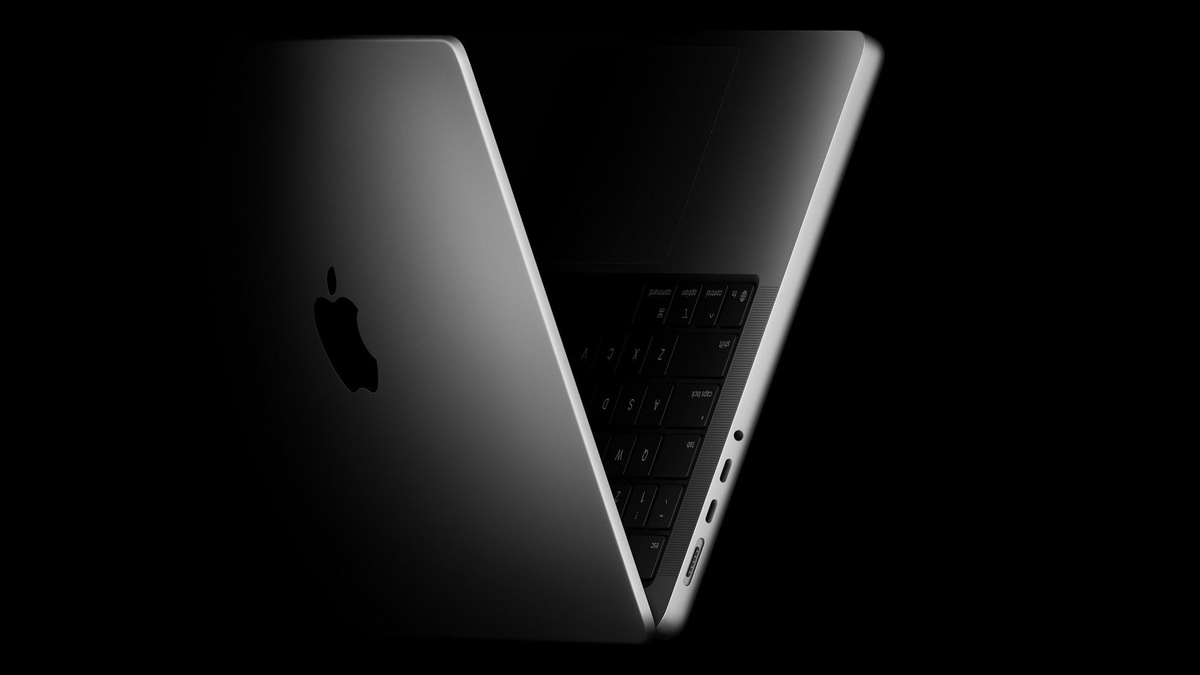
Apple has officially achieved a historic milestone in personal computing, confirming a new all-time Apple Mac sales record across its 2026 fiscal year following unprecedented global demand for Apple silicon hardware.
During Apple’s fiscal earnings call reported by MacRumors, CEO John Ternus and CFO Kevan Parekh revealed that Mac shipments surpassed all historical company records despite earlier supply chain constraints.
| Metric & Lineup Dimension | Fiscal Year 2024 | Fiscal Year 2025 | Fiscal Year 2026 (Record) | Primary Hardware Driver |
|---|---|---|---|---|
| Annual Unit Shipments | 21.8 Million Units | 23.2 Million Units | Historical All-Time High | MacBook Neo & MacBook Pro |
| Baseline System Memory | 8GB Unified Memory | 8GB / 16GB Mixed | 16GB Unified Standard | Eliminated Memory Throttling |
| Entry Pricing Floor | $999 (MacBook Air) | $899 (Promotional) | $699 (MacBook Neo) | Sub-$800 Education Capture |
| Silicon Lithography Node | 3nm (M3 Family) | Second-Gen 3nm (M4) | Advanced 3nm (M4 / M5) | Unmatched Performance/Watt |
| Enterprise Fleet Growth | +12% YoY Adoption | +18% YoY Adoption | +27% Enterprise Migration | Lower Total Support Costs |
| Key Constraint Overcome | Component Lead Times | Display Panel Allotments | Packaging Constraints | Robust Global Supply Chain |
Table of Contents
1. Fiscal 2026 Milestone: Historical Shipment Volume Defies PC Contraction
Surpassing all previous benchmarks, the new Apple Mac sales record demonstrates remarkable resilience within an otherwise turbulent global personal computer market that has experienced consecutive quarters of stagnant hardware sales.
Apple CEO John Ternus highlighted during the financial briefing that consumer and enterprise adoption accelerated significantly across all geographic segments, defying broader industrial trends.
Financial analysts had anticipated modest single-digit growth, but sustained demand across both entry-level laptops and premium workstations generated record revenue and shipment volume throughout the twelve-month reporting period.
Company leadership emphasized that the new Apple Mac sales record was accomplished even while navigating temporary assembly constraints on specific high-end display panels and advanced packaging silicon components.
This explosive commercial momentum highlights how deeply Apple silicon architecture has altered customer purchasing cycles, encouraging extensive fleet upgrades away from aging hardware platforms.
2. MacBook Neo Entry Strategy: Low-Cost Apple Silicon Drives Mainstream Adoption
A critical catalyst propelling the Apple Mac sales record was the debut of the accessible MacBook Neo, designed specifically to capture education and budget-conscious mainstream markets.
By delivering authentic Apple silicon efficiency at an aggressive entry-tier price, Apple effectively eliminated the pricing barrier that previously directed cost-sensitive students toward budget Windows alternatives.
CFO Kevan Parekh confirmed that the MacBook Neo quickly became a primary volume driver alongside the MacBook Pro, securing the foundation for the historic Apple Mac sales record.
The lightweight laptop combines all-day battery endurance with fanless silent operation, creating a compelling value proposition that spurred mass migrations among high school and university campus deployments.
This mainstream expansion reflects broader hardware shifts away from legacy platforms, mirroring trends observed as Nvidia ends Windows 10 support for PC gamers and drives users toward modern environments.
3. Unified Memory Standardization: 16GB Baseline Halts Premature Obsolescence
Beyond entry-level hardware, the Apple Mac sales record reflects Apple’s strategic decision to establish sixteen gigabytes of high-bandwidth unified memory as the baseline standard across all consumer configurations.
Eliminating the contentious eight-gigabyte memory limitation addressed widespread enthusiast criticisms, reassuring creative professionals and software developers that entry-level purchases would not suffer premature software obsolescence.
Supplying generous memory capacity directly supported the Apple Mac sales record by enabling smooth local execution for demanding machine learning models and Apple Intelligence workflows without requiring pricey custom build upgrades.
Independent architectural evaluations published by AnandTech confirm that standardized unified memory buffers dramatically boost multi-tasking bandwidth across intensive productivity and developer applications.
This hardware philosophy mirrors the efficiency seen in our desktop breakdown of the Apple M4 Mac mini redesign M4 Pro specs, emphasizing optimal memory bandwidth.
4. Benchmarks & Specifications: Generational Faceoff Across Modern Mac Hardware
Rigorous laboratory benchmarking explains why the Apple Mac sales record gained such rapid traction across commercial and creative workstation environments worldwide.
Third-generation three-nanometer silicon architectures exhibit class-leading performance-per-watt efficiency, delivering desktop-caliber single-thread computation while consuming mere fractions of the electrical power required by rival architectures.
Workstations powered by M-series silicon maintain sustained operational clocks under continuous heavy compilation loads, explaining why corporate hardware adoption expanded so rapidly among enterprise software engineers.
| Mac Model | Target Audience | Base Silicon | Standard Unified RAM | Starting Price |
|---|---|---|---|---|
| MacBook Neo | Students & Education | Apple Silicon Bionic/M | 16GB High-Speed RAM | $699.00 |
| MacBook Air 13″ & 15″ | Mainstream Everyday | Apple M4 Chip (3nm) | 16GB High-Speed RAM | $1,099.00 |
| Mac mini | Compact Desktop | Apple M4 / M4 Pro | 16GB / 24GB Unified RAM | $599.00 |
| MacBook Pro 14″ & 16″ | Creative Professionals | Apple M4 Pro / M4 Max | 24GB / 36GB Unified RAM | $1,999.00 |
| Mac Studio & Pro | Industrial Workstations | Apple M4 Ultra / Max | 64GB / 128GB Unified RAM | $1,999.00+ |
Benchmark comparisons against cutting-edge x86 processors, such as the AMD Ryzen 7 9800X3D gaming CPU specs, highlight Apple’s profound thermal and electrical advantages.
Thermal stability and silent acoustics ensure that modern Mac systems deliver consistent peak productivity without thermal throttling during grueling computational rendering tasks.
5. Pricing Analysis & Value Verdict: Total Cost of Ownership and Ecosystem Longevity
Evaluating total cost of ownership clarifies why corporate procurement officers contributed heavily to the new Apple Mac sales record throughout fiscal year 2026.
Enterprise IT surveys indicate that modern Mac deployments generate significantly lower technical support ticket volume and retain substantially higher residual trade-in values after four years than comparable PC hardware.
While initial purchase prices remain premium, the elimination of recurring software friction justifies investment, echoing the economic considerations we explored regarding Xbox Cloud Gaming pay as you go bundles.
Prospective purchasers can confidently invest in current hardware lineups knowing that the Apple Mac sales record cements long-term developer commitment and extensive multi-year operating system support.
Exceptional residual value ensures that commercial organizations recover meaningful capital when cycling workstations, reinforcing long-term budgetary efficiency across growing corporate device fleets.
Frequently Asked Questions
What record did Apple announce for Mac sales in fiscal 2026?
Apple announced an all-time Apple Mac sales record, confirming that the company sold more Mac computers during fiscal year 2026 than in any single fiscal year in Apple history.
Which Mac models drove the record shipment volume?
Apple CFO Kevan Parekh confirmed that the surge to the Apple Mac sales record was heavily propelled by the popularity of the accessible MacBook Neo and updated MacBook Pro lines.
Did Apple face any supply constraints during this record fiscal year?
Yes, Apple CEO John Ternus noted that the Apple Mac sales record was achieved despite temporary supply chain constraints that affected several popular Mac configurations throughout the year.
Why did customer upgrades accelerate across the Mac lineup?
Key factors contributing to the Apple Mac sales record include the standard sixteen-gigabyte memory baseline, superior battery endurance, fanless designs, and efficient on-device Apple Intelligence performance.
How does the Mac sales record impact the broader PC market?
The Apple Mac sales record shows Apple expanding computer market share and winning enterprise switchers, even while the wider Windows desktop and laptop industry experienced flat overall shipment growth.
Final Verdict: Apple Momentum Reshapes Personal Computing
Achieving a new all-time Apple Mac sales record during fiscal 2026 proves that Apple’s long-term silicon transition has reached its most dominant commercial phase.
By coupling high-efficiency processing with consumer-friendly base memory upgrades and competitive entry hardware, Apple has established an unbeatable standard across modern personal computing.
Whether for enterprise engineering or daily academic tasks, hardware driving the Apple Mac sales record offers unprecedented longevity, reliability, and sustained computing value for prospective buyers.
