


The gaming community is buzzing after developmental disclosures regarding the upcoming Nintendo Switch 2 release. Industry discussions center on Zelda Ocarina of Time fast travel, revealing how designers prototyped modern waypoint mechanics before intentionally removing them to protect authentic discovery.
According to investigative reporting from Eurogamer, developers determined that instantaneous teleportation compromised the atmospheric world-building that defines the legendary N64 adventure.

At-a-Glance Traversal Mechanics: Original N64 vs. Switch 2 Prototype
Evaluating world navigation choices requires contrasting original design conventions against modern quality-of-life additions. This definitive Zelda Ocarina of Time fast travel analysis breaks down developmental tradeoffs between instantaneous traversal and intentional environmental exploration across Hyrule.
Below is the official technical breakdown comparing the original 1998 traversal framework against the experimental prototypes tested for the upcoming remake.
| Interactive Navigation Feature | Original 1998 Release (N64) | Tested Switch 2 Prototype | Final Production Release Target |
|---|---|---|---|
| Map-Based Fast Travel Beacons | Completely Absent | Tested & Scrapped by Nintendo | Deliberately Excluded to Protect Discovery |
| Sacred Ocarina Warp Melodies | 6 Temple Pedestal Songs | Retained alongside Prototyped Markers | Preserved as Core Fast Travel Mechanic |
| Equine Traversal (Epona Mechanics) | Basic Galloping & Carrot Stamina | Physics Upgrade + Stamina Tuning | Overhauled Mounted Physics & Mounted Combat |
| Guide Owl (Kaepora Gaebora) Pacing | Unskippable Looping Dialogue | Standard Dialogue Prompts | Fully Skippable Prompts & Streamlined Hints |
| Iron Boots Equipment Friction | Intrusive Pause Menu Toggling | Real-Time D-Pad Hotkey Selection | Instantaneous Real-Time Hotkey Swapping |
| World Streaming Architecture | Fixed Render Fog & Draw Distance | DirectStorage NVMe Pipeline | Continuous 60 FPS Streaming Without Loading |
Reviewing navigation architectures within our Zelda Ocarina of Time fast travel highlights why convenience sometimes conflicts with atmospheric immersion. Preserving horse travel and foot exploration maintains high-stakes environmental storytelling across every quadrant of the kingdom.
Carefully balancing traversal friction ensures landmark discoveries reward player initiative rather than reducing vast fantasy geography into trivial fast-forward menu clicks.
Table of Contents
Preserving structural design integrity while modernizing classic interactive masterpieces requires delicate engineering restraint. Exploring the controversy surrounding Zelda Ocarina of Time fast travel demonstrates how developers must navigate between modern convenience and nostalgic authenticity.
Our previous coverage detailing the Ocarina of Time Remake analyzed visual targets, setting the stage for evaluating Zelda Ocarina of Time fast travel across Nintendo’s platform.
Modern memory streaming documented in the Apple M4 Mac mini redesign demonstrates how contemporary hardware pipelines can effortlessly stream sprawling environments without requiring intrusive loading screens.
Similarly, computational breakthroughs showcased when the AMD Ryzen 7 9800X3D revealed desktop gaming records prove that modern gamers expect instant responsiveness and expansive world simulations.
Meanwhile, discussions surrounding Zelda Ocarina of Time fast travel mirror the community engagement seen in our GTA 6 pre-order guide, where intentional atmospheric pacing defines next-generation gaming.
Here is our definitive technical breakdown of Zelda Ocarina of Time fast travel, analyzing developmental prototypes, traversal philosophy, world scaling, warp song heritage, and why discovery remains king in Hyrule.
1. The Breath of the Wild Traversal Prototype: How Teleportation Was Tested
During early prototyping for the Nintendo Switch 2 edition, engineering teams integrated modern traversal systems directly inspired by Breath of the Wild. This detailed Zelda Ocarina of Time fast travel analysis explains how map-based teleportation beacons were initially implemented.
Developers established functional waypoints at every Sheikah gossip stone and entrance gate throughout Hyrule Field. In theory, this allowed testers to bypass lengthy cross-country treks with simple map selections during testing phases.
However, user testing rapidly exposed fundamental design contradictions within this prototype. Examining Zelda Ocarina of Time fast travel reveals that instant teleportation stripped away the perceived scale of the realm, turning iconic journeys into disconnected loading screens.
Game director Shigeru Miyamoto originally designed Hyrule Field as a cohesive emotional connective tissue between contrasting regional civilizations. Instantaneous jumping eliminated spontaneous enemy skirmishes and atmospheric transitions that made the original world feel alive.
Hardware analysts evaluating these design choices at AnandTech observe that rapid asset streaming enables uninterrupted physical travel without resorting to artificial waypoint skips.
Documenting the rise and fall of this traversal prototype inside our Zelda Ocarina of Time fast travel demonstrates that convenience features must serve narrative tone rather than merely optimizing speed.
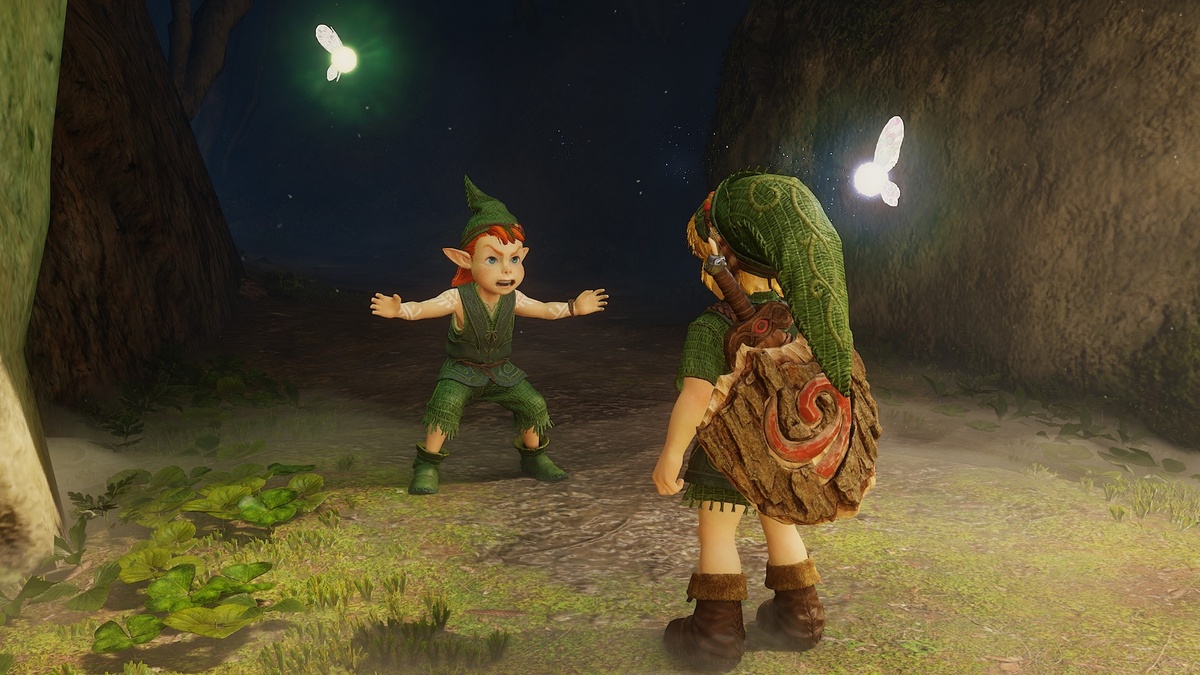
2. Why Nintendo Cut the Feature to Protect Environmental Discovery
The pivotal decision to eliminate waypoint teleportation emerged from playtesting evaluations regarding environmental discovery. Our Zelda Ocarina of Time fast travel examines the studio consensus that led Nintendo to withdraw the feature before final production.
Lead game designers observed that players relying on fast traversal stopped noticing subtle environmental cues, hidden grottoes, and wandering merchants. The thrill of stumbling across Lon Lon Ranch at sunset vanished entirely.
By removing automatic teleportation, developers restored natural tension and pacing to quest objectives. Understanding this rationale within our Zelda Ocarina of Time fast travel illustrates why physical journeying remains essential to the emotional resonance of classic fantasy adventures.
When players must physically navigate treacherous canyons and dark marshes, environmental dangers carry tangible stakes. Teleportation safety nets remove the anxiety of nightfall in Hyrule Field when Stalchildren erupt from the earth.
Nintendo confirmed that quality-of-life enhancements remain extensive across dialogue pacing and camera mechanics. However, preserving the journey without ubiquitous Zelda Ocarina of Time fast travel ensures the world retains its daunting grandeur and immersive spatial presence.
Prioritizing exploration depth over automated convenience reaffirms Nintendo’s commitment to artistic vision, proving that thoughtful friction often produces the most memorable interactive entertainment experiences.
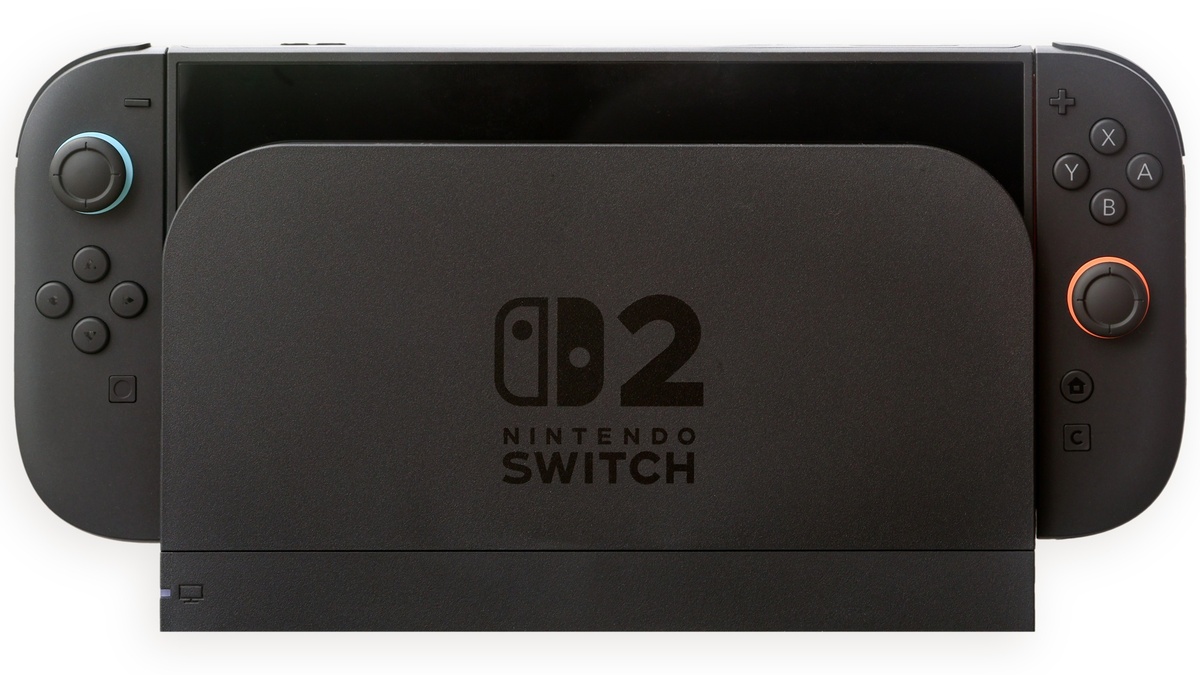
3. The Mechanical Heritage of Ocarina Warp Songs: Sacred Musical Progression
Discarding modern waypoint menus does not leave players entirely stranded without transit options. Our comprehensive Zelda Ocarina of Time fast travel highlights the enduring brilliance of the original ocarina melodic warp composition system.
In the 1998 classic, teleportation required intentional narrative progression and musical performance. Players earned melodies like the Prelude of Light, Minuet of Forest, and Bolero of Fire after mastering complex dungeon trials.
Analyzing these acoustic mechanics within our Zelda Ocarina of Time fast travel underscores that warp songs functioned as sacred milestones rather than trivial map shortcuts. Playing individual notes anchored each destination deeply into the player’s auditory memory.
Furthermore, warp songs transport Link exclusively to temple triforce pedestals rather than arbitrary map coordinates. This artistic constraint requires players to dismount and physically navigate local settlements and dangerous wilderness paths.
The Switch 2 remake enhances these musical performances with high-fidelity haptic feedback and spatial acoustics. Every note resonating through the ocarina delivers subtle tactile vibrations that reinforce the mystical connection to ancient Hyrule.
Retaining musical teleportation while excluding unearned Zelda Ocarina of Time fast travel honors the mechanical sophistication of Shigeru Miyamoto’s legendary foundation while satisfying modern tactile expectations.
Comparative Analysis: Automated Waypoints Versus Intentional Exploration
Comparing traditional journey mechanics against automated waypoint systems clarifies the mechanical philosophy guiding the remake. This Zelda Ocarina of Time fast travel breakdown itemizes traversal speeds, mechanical friction, and player agency across design approaches.
The matrix below contrasts modern open-world fast travel systems against the curated warp melodies and equine traversal retained in the upcoming release.
| Exploration Metric | Automated Map Teleportation | Ocarina Melodies & Horseback Traversal |
|---|---|---|
| Player Spatial Immersion | Fragmented by Interface Menus | Continuous Environmental Presence & Real-Time Weather |
| Combat Hazard Frequency | Bypasses Field Enemies Completely | Requires Managing Nighttime Stalchildren & Peahat Hazards |
| Discovery of Hidden Grottoes | Severely Reduced by Skipping Terrain | Organic Discovery Through Active Spatial Navigation |
| Narrative Teleportation Access | Arbitrary Coordinate Jumping | Earned Progression Linked Directly to Temple Mastery |
| Audio-Tactile Engagement | Static Menu Audio Cues | Haptic Melodic Notes Performed on Ocarina Controls |
Synthesizing these traversal philosophies inside our Zelda Ocarina of Time fast travel highlights the intentional design balance achieved by Nintendo. Retaining organic transportation options like Epona ensures high traversal speed without sacrificing world coherence.
Players navigating Hyrule on horseback experience continuous visual vistas, dynamic weather transitions, and spontaneous environmental events that static menu teleportation permanently eliminates.
4. Epona and Real-Time Traversal in Modern Hyrule: Mounted Pacing
With automated waypoints abandoned, equine companionship takes center stage as the primary long-distance travel solution. This Zelda Ocarina of Time fast travel reviews how Epona’s riding mechanics have been overhauled for the Nintendo Switch 2.
Mounted traversal now features fluid galloping physics, responsive obstacle jumping, and dynamic stamina management. Galloping across the sweeping plains of Hyrule Field provides thrilling velocity while preserving complete spatial orientation.
Modern solid-state streaming architectures documented in this Zelda Ocarina of Time fast travel enable continuous high-speed riding without texture pop-in or stuttering. Enhanced draw distances render Death Mountain and Lake Hylia simultaneously in crisp detail.
Technical reporting from hardware specialists at Tom’s Hardware confirms that next-gen handheld architectures effortlessly sustain 60 frames per second during intense mounted combat encounters.
Riding Epona through dynamic rainstorms and sunrises builds deep emotional attachment between player and steed. This bond would dissolve if players frequently bypassed the terrain through ubiquitous Zelda Ocarina of Time fast travel menus.
Investing engineering resources into refined horse controls rather than instant map hopping demonstrates Nintendo’s commitment to grounding players physically within their rich virtual worlds.

5. Modern Quality-of-Life Upgrades Retained in the Remake
While developers rightfully omitted automated teleportation, the remake incorporates substantial quality-of-life modernizations. Our Zelda Ocarina of Time fast travel details the extensive enhancements that streamline gameplay without compromising the core adventure.
The notoriously talkative guide owl Kaepora Gaebora now features skippable dialogue prompts and concise navigational advice. Players can bypass repetitive sermon loops with a single controller button press.
Inventory management receives a comprehensive overhaul, allowing instant hotkey mapping for iron boots and hover boots. This critical quality-of-life fix permanently resolves the frustrating menu-pausing friction that plagued the Water Temple.
Evaluating these modernizations inside our Zelda Ocarina of Time fast travel illustrates that Nintendo selectively eliminates tedious UI friction while zealously guarding core exploratory and navigational gameplay loops.
Enhanced quest tracking journals, dynamic 4K visual reconstruction, and refined gyroscope aiming polish the legendary experience to modern standards without diluting the original sense of solitary accomplishment.
By pairing modern controller responsiveness with intentional spatial navigation, the definitive Zelda Ocarina of Time fast travel proves that respect for classic pacing produces the ultimate interactive tribute.

Final Verdict: Why Intentional Friction Preserves a Masterpiece
The revelation that Nintendo deliberately scrapped automated waypoints reaffirms why Ocarina of Time remains timeless. This comprehensive Zelda Ocarina of Time fast travel demonstrates that true adventure thrives when players must actively traverse and master unfamiliar territory.
By refining horse traversal, perfecting warp melodies, and eliminating inventory clunkiness, developers have preserved the soul of Hyrule. Embracing exploration ensures players savor every sunset across Hyrule Field.
As the Nintendo Switch 2 approaches launch, gamers can celebrate a remake that respects player intelligence and atmospheric storytelling. Prepare to mount Epona, master the ocarina, and experience discovery reborn.
