


The mobile personal workstation landscape has reached a historic architectural milestone this morning. Ahead of today’s media gathering in California, official communications confirmed that the latest Touchscreen MacBook Pro rumors represent a massive evolutionary leap for macOS professional computing.
In a viral teaser post on X, Apple CEO John Ternus shared an evocative video projecting the iconic Apple emblem across a nighttime city skyline. The video signaled that long-standing Touchscreen MacBook Pro rumors are transitioning into immediate commercial reality.
Apple has formally invited top technology journalists and digital creators to an exclusive Pro and Tell hands-on showcase in Los Angeles at 10 a.m. Pacific Time. Attendees anticipate testing the revolutionary machines alongside the recently updated iPad mini and desktop iMac.
According to comprehensive reporting by MacRumors breaking coverage, twelve definitive specifications define this product cycle. Prominent supply chain insiders confirm that the machines introduce dual-stack tandem OLED panels, re-engineered chassis hinges, and TSMC two-nanometer Apple Silicon.
This historic mobile transition arrives as desktop computing undergoes a parallel generational revolution. Just as the compact Apple M4 Mac mini redesign established a new efficiency baseline with standard sixteen gigabytes of unified memory, Apple’s flagship laptops are receiving unprecedented structural updates.
Simultaneously, extreme desktop performance benchmarks captured by the AMD Ryzen 7 9800X3D revealed how crucial specialized silicon architecture is for demanding workloads. Creative pros migrating to macOS seek that exact raw processing power combined with ultra-low thermal power consumption.
Furthermore, enterprise workstation operators face urgent software migration deadlines as NVIDIA ends Windows 10 support across legacy machines. Creative professionals are increasingly consolidating their daily production workflows around unified Apple Silicon architectures offering superior long-term driver support and security.
Meanwhile, the rapid expansion of flexible game streaming services like Xbox Cloud Gaming pay-as-you-go bundles highlights user demand for versatile, multi-touch client displays. Modern computing users demand direct tactile interaction across their high-end creative and interactive media workflows.
Here is our complete technical breakdown of the Touchscreen MacBook Pro rumors, analyzing John Ternus’s historic teaser, double-stack tandem OLED displays, anti-wobble hinge mechanics, Dynamic Island integration, M5 Pro benchmarks, and retail launch pricing.
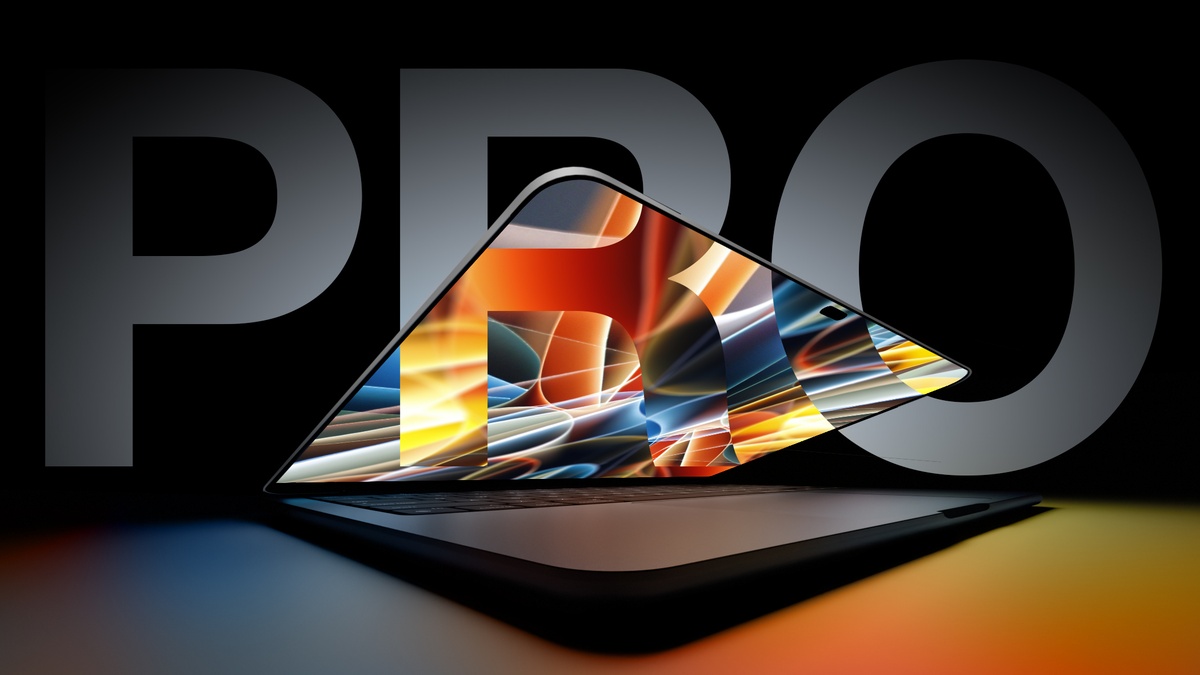
Table of Contents
1. John Ternus Teaser and the Los Angeles Showcase
The viral video shared by Apple CEO John Ternus ignited intense discussion throughout the consumer hardware industry. By projecting a luminous Apple logo onto a dark urban skyline, the executive essentially validated months of circulating Touchscreen MacBook Pro rumors.
The timing of the social media announcement proved deliberate, arriving mere hours before Apple’s hands-on media gathering in Los Angeles. Industry correspondents gathered for the demonstration expect immediate hands-on access to hardware configurations verified by Touchscreen MacBook Pro rumors.
Retail channel checks published by Bloomberg technology coverage suggest Apple will open customer pre-orders at exactly 10:10 a.m. Pacific Time. This synchronized retail rollout follows the company’s established tradition of opening store orders immediately after private press briefings.
Historically, Apple leadership under Steve Jobs famously avoided vertical laptop touchscreens, arguing that arm fatigue created severe ergonomic friction. However, widespread consumer validation of convertible tablets convinced Cupertino hardware executives to validate recent Touchscreen MacBook Pro rumors.
By pairing tactile screen input with full-sized keyboards and haptic trackpads, Apple preserves professional desktop efficiency while offering creative direct-manipulation tools. The showcase detailed in Touchscreen MacBook Pro rumors represents the most significant repositioning of the Mac user experience since macOS Big Sur.
2. Tandem OLED Architecture: Double-Stack Silicon Eliminates Blooming
At the center of the hardware transformation highlighted in Touchscreen MacBook Pro rumors is an advanced double-stack tandem OLED display panel. Adapting display technology first introduced on the M4 iPad Pro, Apple has successfully engineered large-scale organic panels meeting stringent professional computing requirements.
Conventional single-stack OLED panels often suffer from premature subpixel degradation when driven at continuous high brightness levels. By stacking two distinct light-emitting layers in tandem, the display distributes electrical workload evenly, substantially prolonging panel lifespan while verifying key Touchscreen MacBook Pro rumors.
The optical results are genuinely breathtaking for color-critical creative production as highlighted throughout persistent Touchscreen MacBook Pro rumors. The display achieves one thousand nits of sustained full-screen SDR brightness and sixteen hundred nits of peak HDR highlights, completely eliminating backlight blooming.
Crucially, Touchscreen MacBook Pro rumors confirm that capacitive touch digitizers are laminated directly into the panel stack rather than added as a separate glass overlay. This on-cell integration slashes visual parallax to zero, ensuring digital stylus tips align flawlessly with high-resolution canvas elements.
Display industry benchmarking from AnandTech hardware analysis confirms that tandem OLED provides unmatched contrast ratios exceeding two million to one. Motion graphics artists and grading colorists gain reference-monitor fidelity directly inside a portable, battery-efficient clamshell workstation.
Architectural Showdown: Touchscreen Flagship vs. Mini-LED MacBook Pro
Evaluating the technical progression between outgoing mini-LED notebooks and the new touchscreen generation highlights major mechanical advancements. The comparison matrix below details display architectures, input capabilities, thermal ratings, and pricing verified by recent Touchscreen MacBook Pro rumors.
| Hardware Specification | Outgoing Mini-LED MacBook Pro | New Touchscreen MacBook Pro |
|---|---|---|
| Display Technology | Liquid Retina XDR (Mini-LED) | Tandem OLED Double-Stack Panel |
| Touch Interaction | None (Trackpad & Keyboard Only) | Direct Multi-Touch On-Cell Digitizer |
| Halos & Blooming | Noticeable in High-Contrast Scenes | Zero Blooming (Per-Pixel Off State) |
| Peak HDR Luminance | 1,600 Nits Peak HDR | 1,600 Nits Peak (1,000 Nits Full-Screen) |
| Display Cutout | Static Hardware Camera Notch | Interactive Dynamic Island Interface |
| Hinge Mechanism | Standard Single-Axis Friction | Anti-Wobble Dual-Stage Tension Hinge |
| Silicon Generation | Apple M4 Pro / M4 Max | Apple M5 Pro / M5 Max (2nm TSMC) |
| Base Unified Memory | 16GB / 24GB Unified Memory | 24GB High-Bandwidth Unified Memory |
| Baseline Retail Price | $2,499 USD Starting Price | $2,899 USD Starting Price (+$400) |
The architectural comparison illustrates why creative industry professionals are eager to adopt this new platform. Eliminating mini-LED backlight blooming while adding direct multi-touch digitizers establishes a workstation standard that competitors will struggle to match in power efficiency.
While previous generation laptops provide commendable battery endurance, the contrast and tactile responsiveness detailed in Touchscreen MacBook Pro rumors offer immediate productivity upgrades for timeline scrubbing, digital illustration, and complex color grading.
3. Anti-Wobble Mechanical Hinge and Aerodynamic Airflow
One of the most persistent engineering objections addressed by Touchscreen MacBook Pro rumors has always been physical screen bounce. Tapping a traditional laptop display causes distracting vibrations that disrupt precise stylus drawing and fluid user interaction during mobile computing.
To eliminate this physical limitation, Apple engineered an all-new anti-wobble tension hinge assembly. Utilizing dual-stage friction dampening gears manufactured from sintered titanium alloy, the hinge allows smooth one-handed lid opening while resisting forceful finger presses as predicted by Touchscreen MacBook Pro rumors.
Interestingly, recent supply chain leaks reveal that this mechanical hinge shares structural engineering with upcoming foldable mobile projects. Metallurgic simulations and multi-link gearing developed for dual-screen devices directly informed the rigid tolerances verified by current Touchscreen MacBook Pro rumors.
Beyond mechanical stabilization, the redesigned chassis hinge incorporates aerodynamically sculpted ventilation exhaust channels as detailed in recent engineering schematics. Dual centrifugal cooling fans force hot air directly through the rear hinge cavity, maximizing continuous thermal dissipation away from silicon dies.
This dual-purpose spine design enables Apple to decrease overall chassis thickness while reducing total carrying weight. Users gain a sleeker, noticeably lighter laptop that remains perfectly steady whether working on an airplane tray, studio desk, or mobile lap.
4. Dynamic Island Integration and macOS Golden Gate Controls
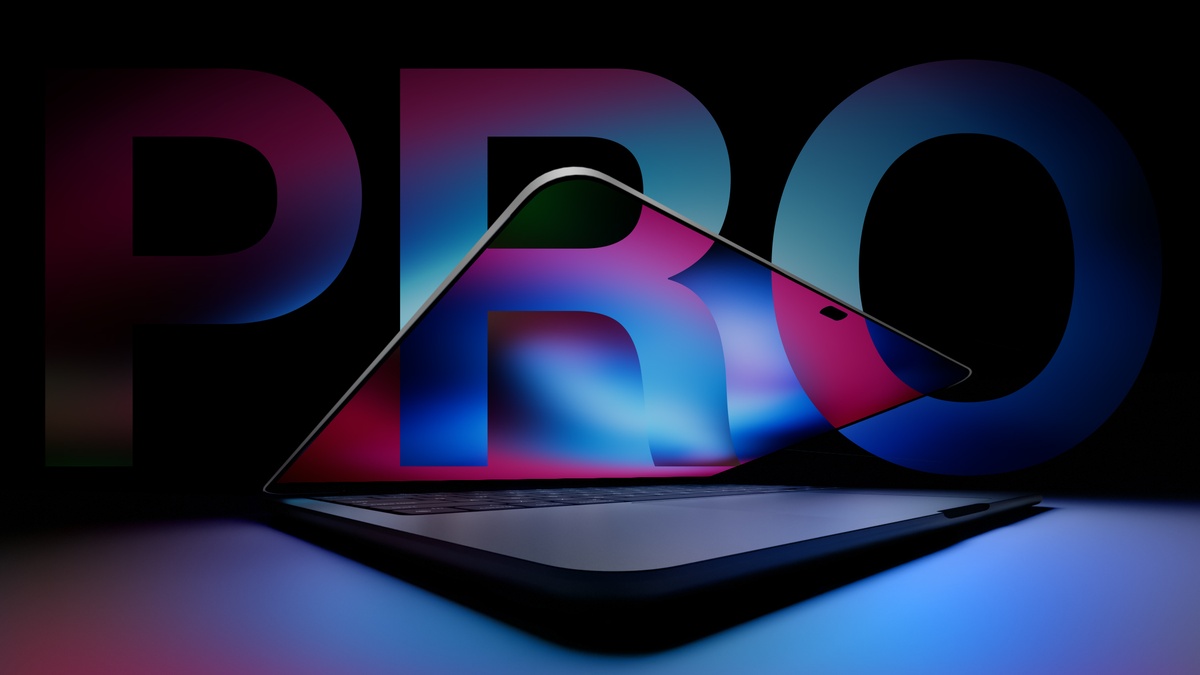
Apple has officially retired the controversial static camera notch in favor of an interactive Dynamic Island interface verified by Touchscreen MacBook Pro rumors. Borrowed from high-end iPhone models, this adaptive pill-shaped cutout morphs dynamically to display background tasks, media playback, and active system alerts.
With direct touch support enabled as detailed in Touchscreen MacBook Pro rumors, users can tap the Dynamic Island to expand audio visualizers, manage AirDrop transfers, and monitor background renders. This interface eliminates navigating cumbersome menu bars during intensive editing sessions.
Powering this tactile paradigm is the upcoming macOS Golden Gate operating system update. Apple software engineers have overhauled user interface hitboxes, automatically enlarging contextual tool palettes and timeline sliders whenever proximity sensors detect an approaching hand, confirming Touchscreen MacBook Pro rumors.
Importantly, macOS Golden Gate maintains complete keyboard and precision trackpad functionality without forcing touch navigation. Touch operates as an intuitive secondary accelerator, empowering creative professionals to pinch-zoom canvases with their left hand while manipulating keyboard shortcuts with their right.
Third-party software developers are already updating professional applications like DaVinci Resolve, Logic Pro, and Pixelmator to support creative workflows. The resulting synergy bridges the gap between precision desktop control and tactile creative freedom.
Flagship Faceoff: Apple Touchscreen vs. Windows Workstations
Deciding whether to invest in Apple’s upcoming mobile flagship requires comparing its core metrics against the best Windows touchscreen laptops. The comprehensive matrix below compares display technology, brightness levels, refresh rates, battery life, and pricing verified in Touchscreen MacBook Pro rumors.
| Workstation Feature | Apple Touchscreen MacBook Pro | Dell XPS 16 (OLED Touch) | Lenovo ThinkPad X1 Fold 16 |
|---|---|---|---|
| Display Architecture | Double-Stack Tandem OLED | Single-Layer Samsung OLED | Flexible Folding OLED |
| Peak HDR Luminance | 1,600 Nits Peak HDR | 400 Nits SDR / 500 Nits HDR | 600 Nits Peak HDR |
| Refresh Rate Technology | 120Hz ProMotion Variable | 60Hz / 90Hz Max Refresh | 60Hz Fixed Refresh Rate |
| Mechanical Screen Stability | Anti-Wobble Dual-Stage Hinge | Standard Clamshell Friction | Kickstand Tablet Assembly |
| Battery Endurance | Up to 24 Hours Battery Life | 8 to 11 Hours Battery Life | 7 to 9 Hours Battery Life |
| Acoustic Thermal Noise | Silent Under Heavy Loads | Noticeable Fan Noise Under Load | Audible High-Pitch Fan Whine |
| Base Configuration MSRP | $2,899 USD Retail Price | $2,749 USD Retail Price | $2,999 USD Retail Price |
The competitive benchmark data demonstrates Apple’s formidable hardware advantages in the mobile workstation arena. Delivering sixteen hundred nits of peak HDR brightness while providing twenty-four hours of battery life sets an extraordinary standard that competing x86 architectures cannot replicate.
Although Windows manufacturers adopted touch displays more than a decade ago, none provide the combination of tandem OLED color precision, silent thermal operation, and zero screen bounce highlighted in recent Touchscreen MacBook Pro rumors.
5. M5 Pro Silicon Mastery and Flagship Retail Pricing
Under the hood, Touchscreen MacBook Pro rumors indicate that Apple’s touchscreen flagship is powered by next-generation M5 Pro and M5 Max processors. Built on TSMC’s cutting-edge two-nanometer fabrication process, these chips deliver dramatic instructions-per-clock gains while maintaining extraordinary thermal efficiency.
The M5 Pro architecture highlighted in Touchscreen MacBook Pro rumors features an enhanced eighteen-core central processor paired with an ultra-fast twenty-four-core graphics engine. Dedicated hardware ray-tracing accelerators and high-throughput vector execution units dramatically reduce rendering times across complex 3D modeling and visual effects suites.
Furthermore, an overhauled Neural Engine accelerates on-device artificial intelligence workflows, handling generative video segmentation, real-time audio isolation, and local language modeling. Processing complex machine learning tasks locally ensures sensitive enterprise client data never leaves the encrypted workstation, fulfilling key Touchscreen MacBook Pro rumors.
Unified memory configurations detailed in Touchscreen MacBook Pro rumors start generously at twenty-four gigabytes, configurable up to ninety-six gigabytes on top-tier M5 Max configurations. Massive memory bandwidth ensures smooth playback across multiple streams of 8K ProRes footage without experiencing dropped frames or buffer stutters.
However, revolutionary engineering comes at a substantial financial cost. In the United States, retail pricing is expected to start at $2,899 for the 14-inch model and $3,399 for the 16-inch model, reflecting premium tandem display costs highlighted in Touchscreen MacBook Pro rumors.
Final Verdict: The Undisputed Creative Crown
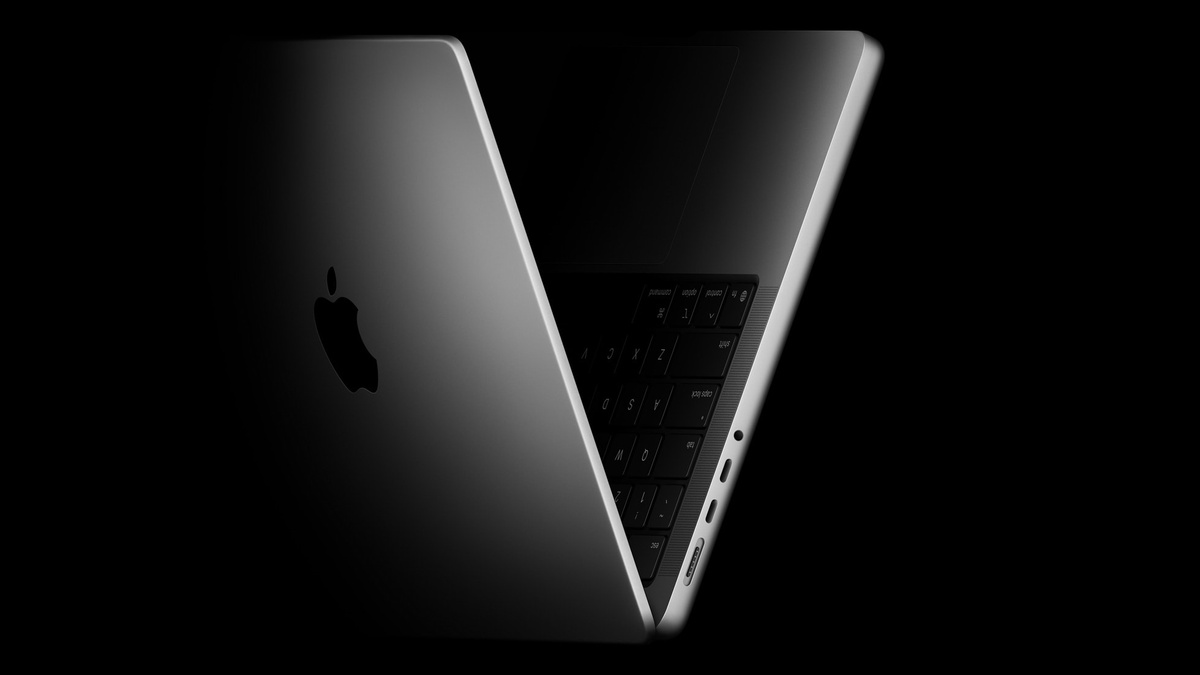
The emergence of official teasers confirming these Touchscreen MacBook Pro rumors marks a defining turning point for personal computing. By uniting peerless tandem OLED display brilliance with rock-solid touch mechanics, Apple has engineered the ultimate mobile creative workstation.
While the steep twenty-eight-hundred-ninety-nine dollar starting price demands a substantial investment, the dramatic productivity gains justify the expense as emphasized across Touchscreen MacBook Pro rumors. The combination of M5 Pro silicon, Dynamic Island interactions, and silent cooling sets an unprecedented industry benchmark.
Ultimately, Apple has resolved the long-standing ergonomic paradox of laptop touchscreens. Creative professionals seeking an uncompromising digital canvas will find that these Touchscreen MacBook Pro rumors deliver on every promise of modern, tactile pro computing.
