


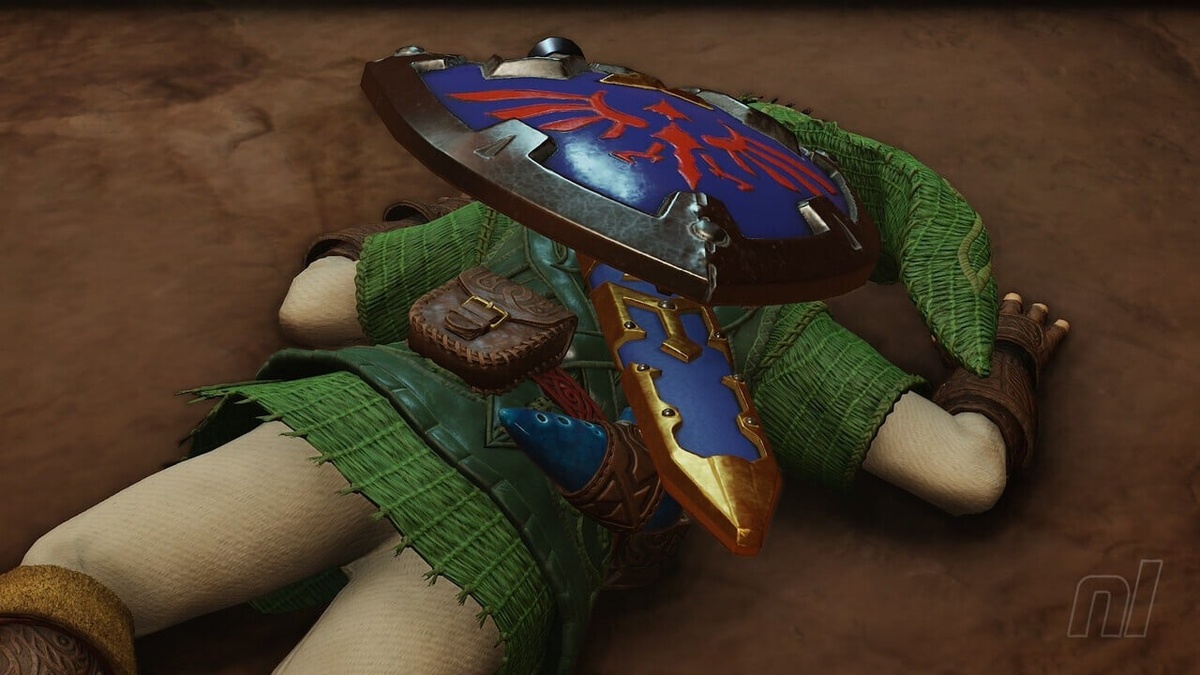
Table of Contents
Stepping into Hyrule on upgraded hardware reveals striking visual fidelity, but mastering Ocarina of Time Hard Mode becomes essential for seasoned adventurers who find the modernized enemy pathfinding and combat encounters far too forgiving on Nintendo Switch 2.
With official Master Quest expansions still pending release, dedicated speedrunners and franchise veterans are engineering self-imposed gameplay restrictions to transform casual exploration into an intense survival gauntlet demanding flawless tactical execution.
| Survival Challenge Mode | Core Restriction Imposed | Primary Risk Factor | Mechanical Skill Required | Target Difficulty Rating |
|---|---|---|---|---|
| Three-Heart Challenge | Never collect heart containers | One-hit lethal damage from bosses | Frame-perfect dodging and parries | Extreme (9.5/10) |
| No Gold Skulltulas | Child’s Wallet 200 rupee cap | Cannot buy Great Fairy buffs | Severe economic resource rationing | High (8.0/10) |
| Master Mode Minimal HUD | Disable all on-screen UI meters | Blind health tracking and navigation | Audio cue memorization and awareness | Moderate (7.0/10) |
| Swordless Combat Run | Stow Kokiri & Master Swords | Melee reach loss against bosses | Hammer, stick, and bomb utility | Extreme (9.0/10) |
| Microphone Ocarina | Hum or play real instruments | Tonal failure during warp songs | Acoustic pitch and vocal control | Hard (8.5/10) |
| Zero Z-Targeting | Bypass lock-on camera focus | Chaotic multi-enemy blind spots | Manual analog gyro crosshair aim | Very High (8.8/10) |
| N64 Controller Setup | Use vintage Bluetooth gamepad | No native Y-button sword input | Adapting vintage button layouts | Hard (8.2/10) |
Three-Heart Survival: Early Combat Discipline and Boss Pacing
Adopting a strict three-heart limitation forms the cornerstone of any authentic Ocarina of Time Hard Mode playthrough, mirroring iconic Soulslike discipline by outright banning the collection of heart containers awarded after major dungeon bosses.
Because standard enemy strikes deal severe proportional damage, even modest baseline encounters against early Stalfos or Lizalfos warriors threaten instant elimination if your shield timing or evasive backflips falter for a single frame.
Trekking through hostile high-temperature zones like Death Mountain crater without protective fire tunic upgrades introduces relentless environmental health drains that test player routing and inventory readiness under intense pressure.
Detailed community breakdowns published by Nintendo Life reporting emphasize that surviving without expanded life bars requires hoarding bottled fairies and securing emergency Business Scrub seeds.
Much like hardware latency considerations discussed in our analysis of AMD Ryzen 7 9800X3D gaming CPU specs, split-second input precision dictates survival when dodging lethal strikes.
Conquering challenging temple guardians during an authentic Ocarina of Time Hard Mode run transforms classic boss arenas into tense psychological trials where defensive mastery supersedes reckless button-mashing aggression.
Economic Constraints: Wallet Caps and Fairy Upgrade Restrictions
Restricting progression by completely bypassing Gold Skulltula tokens establishes harsh economic boundaries that profoundly elevate the challenge throughout an intense Ocarina of Time Hard Mode campaign on Nintendo Switch 2.
Without turning in cursed golden spider tokens at Kakariko Village, Link remains permanently restricted to the rudimentary Child’s Wallet, capping total currency storage at a modest two hundred rupees.
Because Great Fairies in the Switch 2 remake demand substantial monetary payments for their blessings, maintaining a capped rupee purse blocks players from buying high-tier defensive spells like Nayru’s Love.
Forcing yourself to bypass Great Fairy fountains entirely strips away double magic reserves and enhanced defensive barriers, ensuring incoming boss attacks inflict maximum unmitigated trauma across every dungeon battle.
According to comprehensive progression strategies outlined in the official Zelda Ocarina walkthrough guide, resource scarcity forces adventurers to prioritize essential consumables carefully.
Managing tight wallet reserves during an unforgiving Ocarina of Time Hard Mode campaign forces players to treat every rupee as a life-or-death decision, preventing over-reliance on protective defensive buffs.
Ocarina of Time Hard Mode Settings: Disabling HUD and Navi Prompts
Activating the integrated Master Mode visual configuration directly alters interface feedback, serving as an official gateway into dedicated Ocarina of Time Hard Mode parameters without needing third-party modifications.
Disabling the on-screen heads-up display completely strips away life heart meters, active consumable indicators, and interactive button prompts, forcing players to track ammunition and health through pure situational awareness.
Furthermore, this streamlined display mode silences Navi’s intrusive contextual dialogue prompts, eliminating persistent audio chimes and environmental clues when investigating complex Water Temple puzzles or labyrinthine forest corridors.
Similar to low-latency cloud interaction models examined in our breakdown of Xbox Cloud Gaming pay-as-you-go pricing bundles, navigating minimalist interfaces demands heightened player intuition and memory.
Without visual health reminders flashing on screen, unexpected enemy projectiles create sudden panic, requiring veterans to memorize internal audio cues signaling Link’s critical exhaustion state.
Operating without guiding indicators anchors the Ocarina of Time Hard Mode atmosphere, ensuring every successful navigation decision feels earned through organic observation rather than assisted interface waypoints.
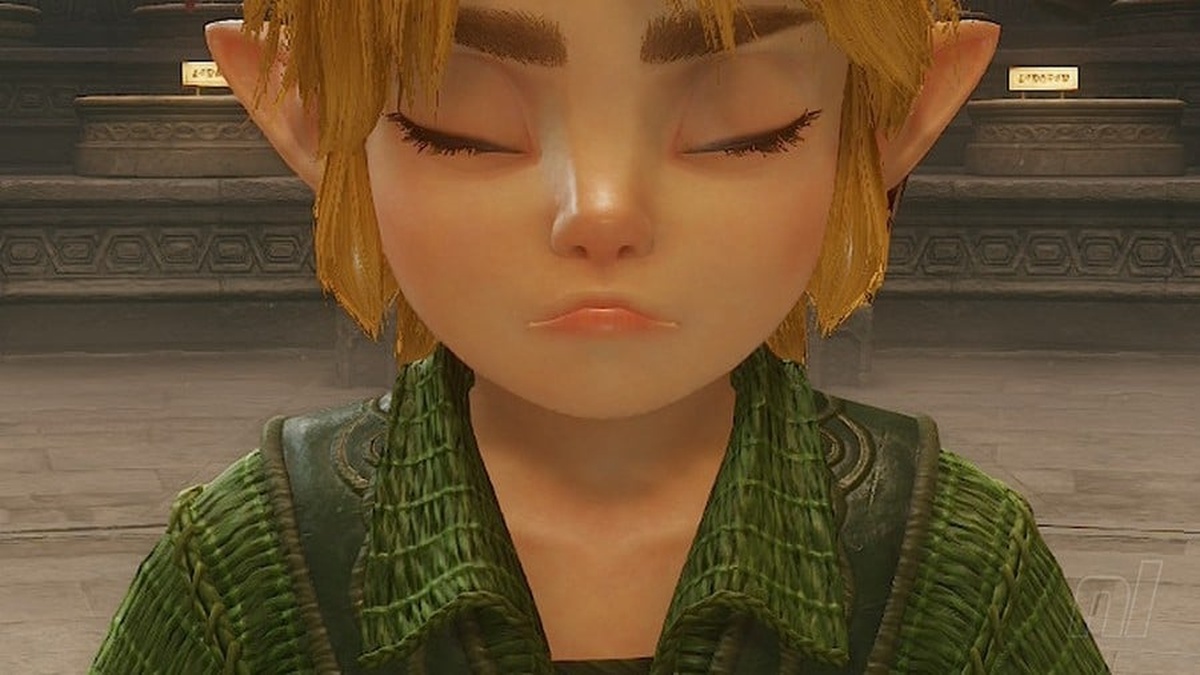
Alternative Weapon Arsenal: Beating Dungeons Without Master Sword Combat
Abandoning traditional blades entirely introduces unprecedented combat depth, establishing the swordless challenge run as a celebrated pillar of the broader Ocarina of Time Hard Mode tactical framework.
By stowing away the Kokiri Blade and Master Sword, players must defeat intimidating foes utilizing makeshift Deku sticks, heavy Megaton Hammer swings, and precisely timed bomb detonations.
Deflecting volatile magical energy spheres during wizard duels without a metal blade requires swatting projectiles with empty glass bottles, reviving an iconic mechanical trick from classic speedrunning history.
Confronting towering temple bosses like Bongo Bongo or Volvagia without sword slashes requires meticulous consumable accounting, ensuring Deku sticks and bomb bags never deplete during phase transitions.
This unorthodox offensive style transforms routine hack-and-slash skirmishes into cerebral puzzle-solving encounters, where environmental geometry and kinetic blast radiuses dictate tactical positioning.
Mastering unconventional weaponry proves that surviving an aggressive Ocarina of Time Hard Mode playthrough demands profound knowledge of engine physics, hitbox interactions, and inventory utility.
| Dungeon / Boss Encounter | Standard Strategy | Hard Mode Constraint Strategy | Primary Weaponry Used | Failure Penalty |
|---|---|---|---|---|
| Gohma (Deku Tree) | Slingshot stun, sword slash | Bottle seed stun, Deku stick jump attack | Deku Sticks & Seed Sling | Fatal counterattack |
| King Dodongo (Cavern) | Throw bombs, jump slash | Precision bomb rolls, Megaton Hammer | Bombs & Hammer | Lava floor instant burn |
| Barinade (Jabu-Jabu) | Boomerang stun, Master Sword | Deku Stick quick strikes, bomb bursts | Boomerang & Sticks | Electrical shock drain |
| Phantom Ganon (Forest) | Bow reflect, blade strikes | Empty bottle magic deflect, hammer | Glass Bottle & Hammer | Direct portal charge kill |
| Volvagia (Fire Temple) | Hammer bash, jump strike | Bomb timing traps, single hammer tap | Megaton Hammer & Bombs | Extreme lava splash damage |
| Bongo Bongo (Shadow) | Lens of Truth, bow and sword | Blind audio tracking, ice arrows, hammer | Bow, Ice Arrows, Hammer | Crushing hand pound KO |
Ocarina of Time Hard Mode Audio: Acoustic Instrument Input Mechanics
Capitalizing on modern Switch 2 hardware capabilities, configuring acoustic microphone inputs creates an inventive dimension for dedicated Ocarina of Time Hard Mode enthusiasts seeking genuine musical difficulty.
Rather than inputting classic directional button sequences to execute melodies, enabling the microphone setting requires players to hum exact pitches or play real physical instruments into the console.
Navigating sacred stone gates or warping across Hyrule suddenly hinges on musical pitch accuracy, forcing gamers to practice real-life ocarinas, guitars, or brass instruments to trigger progression flags.
Testing documented across gaming communities reveals that acoustic pitch recognition demands steady tonal control, turning simple teleportation songs into nerve-wracking performances under intense dungeon lighting.
Much like system software transitions analyzed in our report on Nvidia ending Windows 10 driver support for PC gamers, integrating novel peripheral hardware revitalizes foundational software mechanics.
Struggling through vocal pitch checks during an acoustic Ocarina of Time Hard Mode run elevates tension, rewarding players who combine athletic gaming dexterity with genuine melodic proficiency.
Manual Camera Tracking: Disabling Z-Targeting for Freeform Encounters
Voluntarily renouncing Z-targeting lock-on functionality strips away Link’s greatest defensive asset, plunging players into a chaotic Ocarina of Time Hard Mode combat environment reminiscent of modern soulslike action.
Without automatic focal centering, tracking agile aerial predators like fire Keese or diving Peahats requires constant manual joystick repositioning combined with intuitive gyroscope camera adjustments.
Engaging multiple armored Stalfos knights in tight dungeon chambers becomes exceptionally hazardous, as unmonitored flankers exploit blind spots while players swing blind without locked strafing movement.
Eliminating lock-on mechanics also disables instantaneous lateral dodges, forcing adventurers to rely entirely on manual positioning, shield parries, and spatial distance management.
Archery and slingshot marksmanship transform into skill-intensive shooting galleries, where hitting distant switches across bottomless chasms requires patient manual crosshair calibration.
Overcoming labyrinthine dungeons without lock-on tracking proves that true Ocarina of Time Hard Mode combat effectiveness stems from player mastery rather than automatic targeting assists.
Retro Hardware Quirks: Ocarina of Time Hard Mode on N64 Controllers
Connecting the official Nintendo Switch Online N64 wireless controller introduces unexpected mechanical hurdles that accidentally cultivate a punishing Ocarina of Time Hard Mode survival experience on modern screens.
Because the Switch 2 remake binds essential primary sword slashes to the Joy-Con Y-button, connecting unmapped N64 gamepads naturally enforces a completely swordless run by default.
Furthermore, missing physical X-buttons require gamers to remap menu shortcuts or hum melodies directly into console microphones, blending vintage ergonomics with demanding technical adaptations.
Right analog stick camera tracking translates onto classic yellow C-buttons, challenging muscle memory as players manipulate perspectives using digital direction buttons during rapid boss battles.
Encountering these nostalgic hardware quirks creates an exhilarating challenge for retro enthusiasts, forcing players to re-learn legendary dungeon gauntlets using authentic nineties peripheral ergonomics.
Combining vintage gamepads with unyielding self-imposed rules establishes the ultimate Ocarina of Time Hard Mode challenge, proving Hyrule still holds formidable trials for those daring enough to test their courage.
Frequently Asked Questions
What is the three-heart challenge in Ocarina of Time Hard Mode?
The three-heart challenge is a self-imposed restriction where players beat the entire adventure without collecting heart containers or heart pieces, leaving Link vulnerable to one-hit eliminations from bosses.
How does disabling Gold Skulltulas affect Ocarina of Time Hard Mode economy?
Avoiding Gold Skulltulas prevents wallet upgrades in Kakariko Village, capping currency at 200 rupees and preventing players from purchasing expensive Great Fairy buffs like Nayru’s Love in the remake.
Can you beat Ocarina of Time without using a sword?
Yes, completing a swordless run is possible by utilizing Deku sticks, bombs, Megaton Hammer strikes, Din’s Fire magic, and deflecting projectile attacks with empty glass bottles during boss encounters.
How does microphone instrument input work in the Switch 2 remake?
Selecting acoustic instrument input in system settings activates the console microphone, requiring players to accurately hum notes or play real physical instruments to trigger warp melodies and door locks.
Why does using the N64 controller enforce a swordless challenge?
The official Switch Online N64 controller lacks a physical button mapped to the Joy-Con Y-button, accidentally preventing sword strikes unless buttons are remapped through system accessibility menus.
Final Verdict: The Definitive Switch 2 Survival Gauntlet
Embracing customized Ocarina of Time Hard Mode restrictions breathes exhilarating new life into an immortal adventure, demonstrating that creative rule-setting can rival the most elaborate official Master Quest expansions.
By stripping away safety nets like generous heart containers, fairy magic shields, and automated targeting, players rediscover the tense atmosphere and genuine triumph that defined early 3D gaming.
Whether you adopt a minimalist three-heart rule or commit to an acoustic swordless marathon, conquering Ocarina of Time Hard Mode under these brutal constraints cements your legacy as a true Hero of Time.
