



Table of Contents
The global video game development sector faces another major operational contraction as French publishing giant Ubisoft confirms workforce reductions across Canada. Ubisoft Studio Layoffs directly impact 166 specialized developers across the company’s premier production facilities in Montreal and Quebec City.
Primary reporting from Nintendo Life confirms that the affected studios house some of the most critical creative teams in modern gaming. Company leadership described Ubisoft Studio Layoffs as an essential realignment required to balance evolving production requirements against ongoing commercial pressures.
| Operational Studio | Primary Franchise Portfolio | Headcount Adjustment | Proportionate Impact | Strategic Production Focus |
|---|---|---|---|---|
| Ubisoft Montréal | Assassin’s Creed, Far Cry, Rainbow Six | Workforce reduction across unannounced & altered projects | Under 4% of regional headcount | Centralized core franchise pipelines and live-service operations |
| Ubisoft Québec | Assassin’s Creed Shadows, Immortals Fenyx Rising | Realigned project staffing and scoped restructuring | Under 4% of regional workforce | AAA franchise co-development and current-gen polish |
| Ubisoft Toronto & Satellite Units | Splinter Cell Remake, Co-Development | Unaffected by Canadian studio reductions | 0% direct reduction | Next-gen proprietary engine development and asset pipelines |
| Total Canadian Operations | Core Canadian Development Network | 166 Positions Eliminated | Less than 4% aggregate reduction | Portfolio refocusing and production efficiency alignment |
Canadian Workforce Reductions: How Ubisoft Studio Layoffs Reshape Montreal and Quebec
The official disclosure of Ubisoft Studio Layoffs marks a significant turning point for Ubisoft’s flagship Canadian development operations. The Montreal and Quebec City branches have long served as the central engine powering the publisher’s worldwide open-world software output.
According to statements provided to international press outlets, Ubisoft Studio Layoffs eliminate 166 positions across both administrative and technical disciplines. While substantial in raw numbers, the job cuts represent less than four percent of the total cumulative workforce across both regional campuses.
Human resources representatives initiated notifications early in the operational week to minimize disruption across active production teams. Management emphasized that unaffected development pods will continue standard production sprints without structural interruptions to active Ubisoft Studio Layoffs pipelines.
Local industry advocates in Montreal expressed immediate concern regarding regional talent retention following consecutive rounds of downsizing. The Canadian province of Quebec has historically provided generous digital multimedia tax credits to foster aggressive studio expansion over two decades.
However, macroeconomic adjustments and higher borrowing costs have forced multinational publishers to reconsider vast localized headcount models. Just as PC gaming hardware evolves rapidly through the AMD Ryzen 7 9800X3D, studio architectures require continuous restructuring.
Studio leads held internal town hall briefings across both locations to outline revised production milestones and answer staff inquiries. These discussions highlighted executive determination to preserve flagship project timelines while trimming auxiliary overhead across speculative design departments.
Project Restructuring and Shifting Priorities: Behind the Cancelled Development Pipelines
A central factor behind the workforce adjustment involves internal portfolio revisions across Ubisoft’s forward-looking incubation slate. Details documented by GamesIndustry.biz reveal that Ubisoft Studio Layoffs primarily impacted staff assigned to prototypes that were either cancelled or drastically rescoped.
Large-scale publishers frequently operate experimental incubation initiatives designed to test emerging gameplay mechanics, engine tech, and monetization paradigms. When market trends shift or early vertical slices fail to satisfy commercial criteria, maintaining large dedicated prototyping teams becomes financially unsustainable.
Ubisoft has progressively moved to consolidate engineering resources behind proven intellectual properties that generate predictable recurring engagement. Through Ubisoft Studio Layoffs, this strategic pivot has necessitated the closure of several unannounced multiplayer concepts and mobile initiatives that lacked definitive commercial roadmaps.
Development pipelines in contemporary AAA game development require unprecedented financial commitments, with standard budgets regularly exceeding two hundred million dollars. Publishers can no longer justify funding peripheral experiments while core franchises compete against stiff live-service competitors in saturated marketplaces.
By curtailing incubation tracks during Ubisoft Studio Layoffs, Ubisoft aims to streamline management layers and concentrate technical expertise on marquee releases. Senior production architects argue that smaller, hyper-focused development teams frequently demonstrate higher iteration agility than sprawling multi-studio consortiums.
The transition underscores a broader industry retreat from speculative live-service endeavors in favor of focused, single-player and cooperative adventures. Developers formerly working on experimental projects are now transitioning either to external career opportunities or targeted priority vacancies internally.
Studio Heritage Under Pressure: Far Cry and Assassin’s Creed Production Hubs
To comprehend the cultural gravity of Ubisoft Studio Layoffs, one must appreciate the monumental pedigree of the two studios involved. Ubisoft Montreal stands as an undisputed titan of the modern video game industry, originally established in the Mile End district during 1997.

Montreal pioneered the modern stealth-action genre by creating the original Assassin’s Creed, Prince of Persia: The Sands of Time, and Splinter Cell. The studio also revitalized first-person storytelling through Far Cry 3 and established tactical multiplayer supremacy with Rainbow Six Siege.
Ubisoft Quebec emerged as an equally vital co-development juggernaut before graduating to lead production status on franchise installments before Ubisoft Studio Layoffs. The studio earned widespread critical acclaim for helming Assassin’s Creed Syndicate and later crafting the sweeping Greco-Roman epic Assassin’s Creed Odyssey.
Quebec also created the colorful mythological open-world adventure Immortals Fenyx Rising, earning praise on Nintendo hardware. As reported by Nintendo Life, the studio brought immense passion and mechanical innovation to the Switch community.
Observing Ubisoft Studio Layoffs impact these storied institutions illustrates the severe economic realities confronting even the most successful game makers. Long-tenured designers and technical artists represent accumulated institutional knowledge that cannot easily be replaced once studio headcounts contract.
Ubisoft executives maintain that preserving the creative identity of Montreal and Quebec remains central to the organization’s corporate long-term vision. Both branches continue to steer primary production across the company’s highest-grossing intellectual properties despite current operational consolidations.
Financial Realignment and Industry Pressures: Navigating AAA Cost Escalation
The broader context surrounding Ubisoft Studio Layoffs connects directly to severe post-pandemic financial realignments across the entire entertainment technology sector. Between 2020 and 2022, digital entertainment experienced unprecedented engagement spikes, prompting publishers to initiate aggressive hiring sprees.
As global consumer spending patterns normalized and entertainment competition diversified, software revenues faced significant deceleration across key markets. At the same time, the transition to current-generation consoles introduced spiraling production expenses, demanding longer development cycles and massive asset creation pipelines.
Modern cloud gaming services and multiplatform ecosystems, such as Xbox Cloud Gaming, have also shifted how players consume digital software. Subscription models and free-to-play powerhouses continue to capture massive portions of player leisure time, squeezing traditional retail releases.
| Publisher & Studio Entity | Restructuring Window | Total Positions Impacted | Core Factors Cited | Strategic Redeployment Strategy |
|---|---|---|---|---|
| Ubisoft (Montréal & Québec) | November 2026 | 166 positions eliminated | Project cancellations, pipeline alterations, portfolio rebalancing | Consolidation around established franchises and upcoming releases |
| Microsoft Gaming / Xbox | Calendar 2024–2026 | Multi-studio reductions | Post-acquisition integration and cloud gaming realignment | Selective studio closures and multiplatform expansion |
| Sony Interactive Entertainment | Calendar 2024–2026 | Regional reductions | Extended AAA production cycles and rising budget overhead | Focusing investment on prestige first-party tentpoles |
| Electronic Arts | Calendar 2024–2026 | Development team realignments | Portfolio streamlining and live-service prioritization | Reallocating resources toward EA Sports and marquee IP |
Under these intense commercial pressures, Ubisoft Studio Layoffs reflect a deliberate corporate mandate to enforce fiscal discipline and curb operating deficits. Ubisoft’s executive committee has repeatedly stated objectives to reduce annual fixed costs by several hundred million euros across international branches.
Parallel to Ubisoft Studio Layoffs, industry restructuring have swept across peer corporations including Electronic Arts, Sony Interactive Entertainment, and Microsoft Gaming. Every major interactive entertainment enterprise is actively pruning redundant divisions to weather higher interest rates and softer consumer discretionary budgets.
Financial analysts project that studio streamlining will allow Ubisoft to allocate capital more effectively toward high-margin live services and franchise sequels. However, executing headcount cuts without damaging creator morale remains an exceptionally delicate balancing act for senior leadership.
Severance Framework and Transition Protocols: Evaluating Ubisoft Studio Layoffs Support
In their official communications regarding Ubisoft Studio Layoffs, Ubisoft leadership outlined the compensation packages provided to affected Canadian staff. The publisher stated that all impacted workers are receiving statutory severance pay calculated according to their individual tenure and seniority.

Departing personnel will also retain extended healthcare coverage and dental benefits for a specified transitional window following their final workdays under Ubisoft Studio Layoffs. Given the complexities of medical coverage during employment transitions, extended benefits provide vital stability for affected team members and families.
Furthermore, Ubisoft partnered with third-party outplacement specialists to offer dedicated career counseling, resume optimization, and interview coaching services. These professional transition resources are designed to help redundant developers connect rapidly with emerging opportunities in Canada’s vibrant indie scene.
Impacted employees also received priority access to internal job boards, enabling qualified candidates to apply for active openings across other divisions. While internal reassignments cannot absorb all departing personnel during Ubisoft Studio Layoffs, several developers have successfully transferred to critical live-service operations.
Industry observers monitoring tech infrastructure, from data center shifts to the Apple M4 Mac Mini, note that operational resilience demands swift workforce support. Ubisoft’s public commitment to respectful departures aims to protect its employer reputation within competitive creative hubs.
Former employees took to social networking platforms to share contact details and portfolio links, sparking an outpouring of mutual peer solidarity. Peer studios throughout Montreal and Quebec City quickly shared open requisitions to recruit experienced software engineers, level designers, and narrative writers.
Upcoming Portfolio Deliverables: Assessing the Roadmap from Rayman to Shadows
Despite Ubisoft Studio Layoffs, Ubisoft’s global release calendar continues forward with major software deliverables scheduled across multiple platforms. The company’s immediate commercial focus centers on Rayman Legends Retold, a comprehensive reimagining of the beloved 2013 platforming masterpiece.

Rayman Legends Retold is being developed collaboratively between Ubisoft Milan and Ubisoft Montpellier, operating independently from Canadian studio restructuring. The project demonstrates how Ubisoft distributes production across European satellite studios while Canadian hubs concentrate on flagship AAA blockbusters.
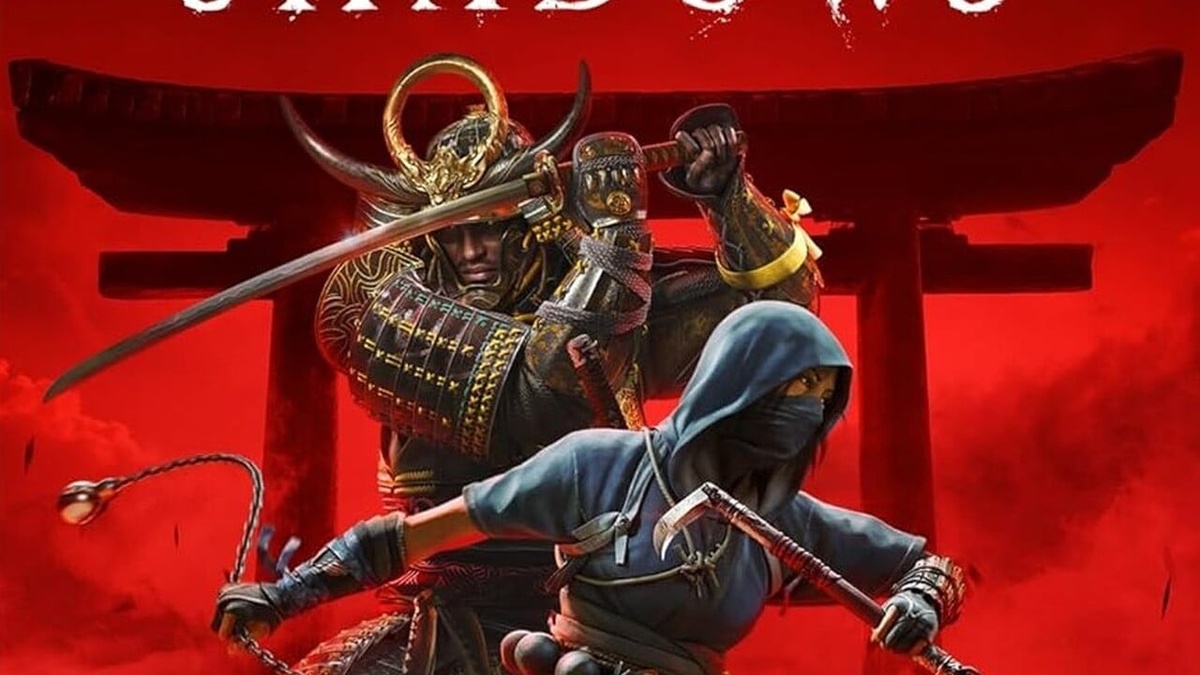
Meanwhile, Ubisoft Quebec remains deeply committed to delivering Assassin’s Creed Shadows, representing the franchise’s long-awaited foray into feudal Japan. The studio has poured immense creative energy into dual protagonists Naoe and Yasuke, featuring dynamic seasonal environmental systems.
Ensuring Assassin’s Creed Shadows achieves outstanding technical polish remains vital for the company’s brand prestige and commercial performance. As PC gamers navigate graphics requirements while NVIDIA ends Windows 10 support, modern game engines must deliver flawless cross-platform stability.
Ubisoft Montreal also continues active content development for Rainbow Six Siege, which recently crossed major lifetime player and revenue records. Maintaining live-service momentum on established hits provides reliable cash flow while newly realigned production teams finalize long-term franchise releases.
The contrast between Ubisoft Studio Layoffs and ambitious release schedules highlights the high-stakes reality governing modern video game publishing. Ubisoft must demonstrate that leaner studio teams can deliver transformative gaming experiences without recurring production delays or quality compromises.
Long-Term Ecosystem Trajectory: What Ubisoft Studio Layoffs Signal for Modern Game Production
Evaluating the broader implications of Ubisoft Studio Layoffs reveals significant structural transformations taking place across contemporary game production models. The era of unconstrained headcount growth and sprawling multi-studio co-development networks is steadily giving way to disciplined operational pragmatism.
Publishers are reassessing sustainability amid Ubisoft Studio Layoffs of massive production pipelines that employ thousands of individuals on single multi-year projects. Instead, major corporations are adopting modular development frameworks, leveraging advanced procedural tooling and specialized external partners to manage workload spikes.
This architectural shift enables primary studios to maintain core creative direction while avoiding permanent headcount expansions that become liabilities during downtime. Technological advancements in machine learning, procedural generation, and cloud-based asset management are accelerating this structural transition worldwide.
Industry trade publication GamesIndustry.biz emphasizes that studio restructuring has become widespread across North American development clusters. Publishers must balance creative ambition against strict balance sheet requirements in an intensely competitive consumer discretionary environment.
For creative talent within Montreal and Quebec, the contraction highlights the value of adaptable technical skills and interdisciplinary versatility. Developers who possess deep expertise across modern rendering engines, live-service networking, and automated testing pipelines remain in high demand.
As the market completes this painful correction, the video game industry will emerge leaner, more cost-conscious, and strategically focused. Ubisoft’s decisive adjustments in Canada reflect a proactive maneuver to secure long-term sustainability amidst an evolving entertainment landscape.
Frequently Asked Questions
How many staff members were impacted by Ubisoft Studio Layoffs?
Ubisoft officially confirmed the reduction of 166 positions across its Montreal and Quebec City operations, representing less than four percent of the total workforce across both Canadian studios.
Which specific game projects were affected by the Canadian studio cuts?
Internal reports indicate the workforce reductions primarily targeted development staff assigned to unannounced experimental incubation prototypes that were either cancelled entirely or underwent major strategic scoping revisions.
Will these layoffs impact the upcoming release of Assassin’s Creed Shadows?
Core production teams assigned to Assassin’s Creed Shadows at Ubisoft Quebec remain fully resourced, and the publisher confirmed that the game’s development schedule and launch milestones remain intact.
What severance and support packages did Ubisoft provide to departing employees?
Ubisoft stated that all departing workers received comprehensive severance pay, extended healthcare and dental coverage, career placement assistance, and priority access to internal openings across other studios.
Are European Ubisoft studios affected by this specific workforce reduction?
The current restructuring is confined strictly to Ubisoft Montreal and Quebec City, while European branches like Milan and Montpellier proceed with independent projects like Rayman Legends Retold.
Final Verdict: A Sobering Operational Reset for Ubisoft’s Creative Engine
The announcement of Ubisoft Studio Layoffs across Montreal and Quebec City represents a sobering reminder of the economic pressures facing modern game publishers. By trimming 166 positions from cancelled and rescoped initiatives, Ubisoft is executing a difficult but deliberate operational reset.
While the loss of experienced talent is deeply regrettable, concentrating resources behind marquee blockbusters and proven franchises provides necessary stability. Both Canadian studios retain world-class creative leadership, ensuring that forthcoming releases like Assassin’s Creed Shadows will receive focused development attention.
As the video game industry navigates shifting business models and rising production expenses, sustainable efficiency has become paramount. Ubisoft’s restructuring in Canada demonstrates the challenging trade-offs required to preserve creative excellence while securing long-term corporate viability.
