


Table of Contents
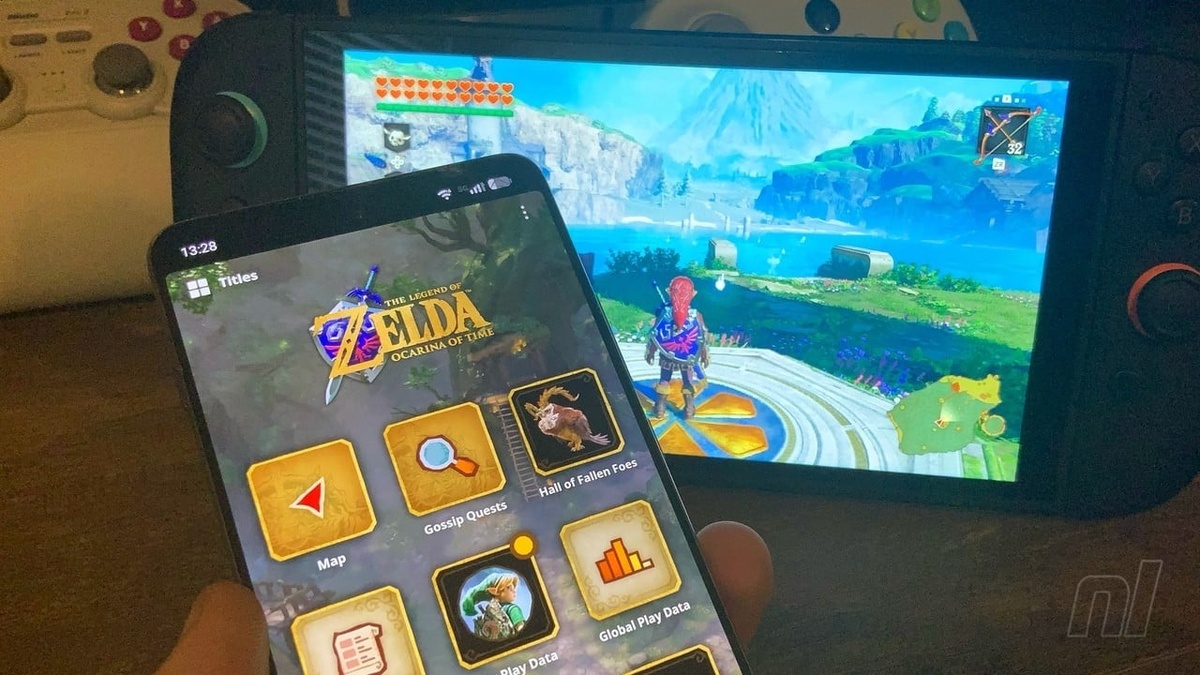
Nintendo has unveiled official Ocarina of Time remake telemetry through its mobile companion service, offering fans an unprecedented analytical glimpse into player survival trends, combat lethality, and dungeon missteps across the newly released Switch 2 masterpiece.
According to direct coverage from Nintendo Life, this extensive dataset aggregates server telemetry from millions of global sessions, pinpointing which horrifying adversaries, environmental traps, and puzzles defeat players most frequently.
| Telemetry Category | #1 Global Metric | Statistical Share / Volume | Runner-Up Ranking | Primary Game Impact |
|---|---|---|---|---|
| Game Over Fatalities | ReDead & Gibdo Paralysis | 18.2% Total Player Deaths | Spike Traps (14.8%) | Severe stun locks in the Bottom of the Well |
| Top Damage Source | Environmental Dungeon Traps | Highest Cumulative Hearts Lost | ReDead Physical Attacks | Floor tiles, rolling boulders, and razor blades |
| Deadliest Miniboss | Dark Link (Water Temple) | 62.4% Miniboss Fatalities | Iron Knuckle (Spirit Temple) | Sword reflection AI punishing aggressive combat |
| Most Used Consumable | Deku Seeds (Slingshot) | 38.7% Consumable Usage | Arrows (Quiver Ammunition) | Long-range sniping and puzzle activation |
| Most Equipped Tool | Hookshot & Longshot | 44.1% Special Tool Usage | Fairy Slingshot & Boomerang | Essential dungeon traversal and gap grappling |
| Primary Magic Power | Lens of Truth (Eye of Truth) | 51.3% Magic Bar Drain | Din’s Fire Radial Blast | Revealing hidden illusions and invisible foes |
| Most Defeated Foe | Gold & Regular Skulltullas | 1.4M+ Recorded Defeats | Keese & Fire Keese Bats | Token collection and House of Skulltulla progression |
| Average Playtime | Standard Campaign Clear | 20 to 30 Hours Average | 100% Completion (45+ Hours) | Story completion across Child and Adult eras |
Global Telemetry Architecture and Server-Side Player Metrics
The modern deployment of cloud telemetry illustrates how Nintendo leverages the latest Ocarina of Time remake telemetry to observe real-time player behaviors, furnishing developers and players with exhaustive gameplay metrics across both handheld and docked configurations.
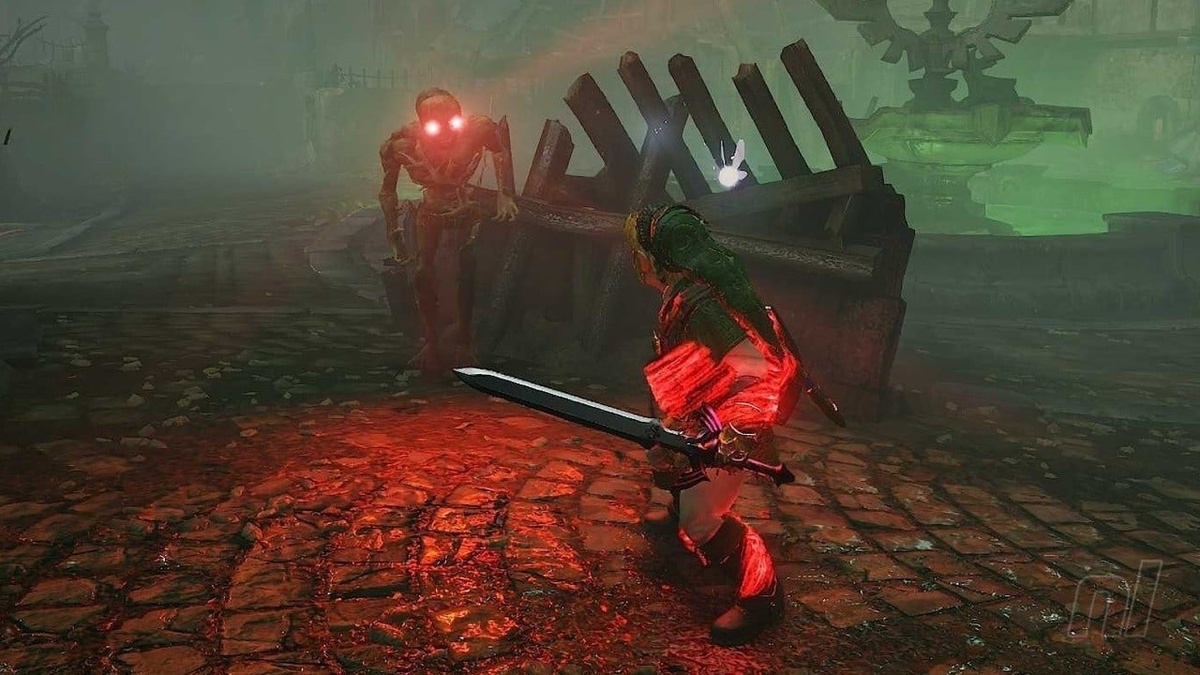
Unlike the historic 1998 cartridge edition, the enhanced Switch 2 version silently transmits encrypted gameplay telemetry to companion services, tracking everything from pot destruction to precise temple completion durations without compromising local frame rates.
By studying this vast reservoir of Ocarina of Time remake telemetry, industry analysts can evaluate how modern analog responsiveness and high-fidelity lighting alter player survivability compared to vintage Nintendo 64 and Nintendo 3DS renditions.
Investigating large-scale cloud telemetry infrastructure parallels the distributed systems examined in our Xbox Cloud Gaming platform breakdown, where persistent server monitoring yields vital user experience telemetry.
Having concluded its debut launch week across global markets, this inaugural wave of Ocarina of Time remake telemetry establishes a fascinating statistical baseline that will develop as more adventurers explore Hyrule.
ReDead Paralysis and Environmental Hazard Mortality Rates
Perhaps the most arresting revelation provided by the Ocarina of Time remake telemetry is the sheer lethality of ReDeads and Gibdos, which collectively account for 18.2 percent of all recorded Game Over screens worldwide.
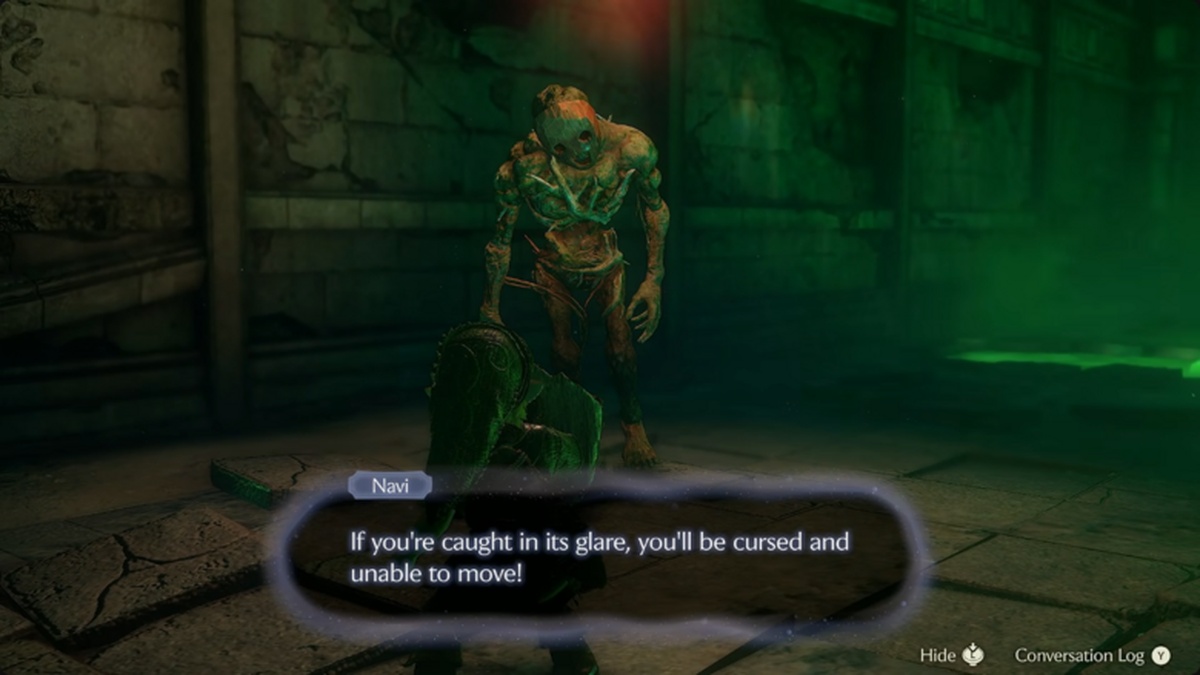
These groaning mummified ghouls have unnerved players for decades, but their enhanced audiovisual presentation on Switch 2 makes their paralyzing screech remarkably more startling during tense underground labyrinth navigations.
When adventurers freeze in place from an unexpected shriek, prolonged recovery windows enable ReDeads to latch onto Link, establishing them in Ocarina of Time remake telemetry records as vastly more lethal than wandering moblins.
Experienced players frequently play the Sun’s Song to paralyze undead fiends instantly, yet thousands of newcomers traversing the Bottom of the Well remain unprepared for sudden immobilizing ambushes in narrow corridors.
Environmental dungeon hazards constitute the second most prevalent damage source within the Ocarina of Time remake telemetry, confirming that razor-blade rollers, floor spikes, and tumbling boulders consistently punish uncalculated movement.
Miniboss Survival Rates and the Hall of Fallen Foes Quirk
Examining individual combat trials, the Ocarina of Time remake telemetry confirms Dark Link as the single most devastating miniboss in Hyrule, producing significantly more player casualties than primary temple bosses.
Stationed in the eerie, reflective mist of the Water Temple, Dark Link possesses adaptive counter-routines that mirror Link’s strikes, leaping atop the blade to execute punishing counterattacks against standard thrusts.
Relying purely on standard Z-targeting swordplay frequently results in sudden defeat, explaining why Ocarina of Time remake telemetry registers countless failed attempts before adventurers resort to heavy weapons like the Megaton Hammer.
Intricate combat calculations and responsive sword collision routines depend on sustained computing throughput, echoing the silicon benchmarks explored in our AMD Ryzen 7 9800X3D gaming processor breakdown, where microsecond precision determines survival.
Interestingly, community discussions highlight that failing inside the newly added Hall of Fallen Foes combat gauntlet silently inflates death metrics in the Ocarina of Time remake telemetry, despite lacking standard Game Over screens.
Gear Utilization Patterns: Hookshot Supremacy and Deku Seed Consumption
Turning toward equipment telemetry, the Ocarina of Time remake telemetry underscores how utility shapes player loadouts, with the Hookshot and Longshot claiming the undisputed number one position among all equipped special tools.
From crossing collapsed chasms to snagging elusive Gold Skulltulla tokens from sheer cavern precipices, the versatile Hookshot functions as Link’s definitive multi-purpose implement across intricate environmental puzzles and ranged skirmishes.
In the consumable supply category, Deku Seeds overwhelmingly command first place according to Ocarina of Time remake telemetry, reflecting extensive Slingshot deployment across the Deku Tree, Dodongo’s Cavern, and early Hyrule Field encounters.
Quiver arrows and demolition bombs follow closely behind in player utilization, showing that long-range munitions remain indispensable for toggling distant eye switches, detonating crumbling masonry, and eliminating hovering Keese.
Seamless inventory management and swift tool swapping benefit from high-speed unified memory architectures, mirroring the memory throughput benchmarks detailed in our Apple M4 Pro silicon evaluation, ensuring instantaneous weapon access.
| Combat Hazard | Lethality Share | Primary Failure Mechanism | Optimal Tactical Counter | Telemetry Danger Level |
|---|---|---|---|---|
| ReDead & Gibdo | 18.2% | Paralyzing freezing shriek followed by life-draining grab | Sun’s Song freeze or Din’s Fire radial flame | Extreme (Tier 1 Lethality) |
| Environmental Traps | 14.8% | Spike rollers, collapsing floors, and razor blade hazards | Hover Boots, Nayru’s Love, or timed rolls | High (Tier 2 Lethality) |
| Dark Link Miniboss | 11.5% | Master Sword blade-standing parry and lightning riposte | Megaton Hammer smash or Din’s Fire burst | High (Top Miniboss Hazard) |
| Stalfos Knight Duels | 8.7% | Twin-blade jumping overhead strike and shield parries | Deku Nut flash stun followed by jump slash | Moderate (Dungeon Gauntlet) |
| Iron Knuckle Armor | 7.9% | Massive four-heart cleaving battleaxe downward strike | Bombchu explosives and hit-and-run rolling | Moderate (High Damage Spike) |
Magic Meter Allocation and Campaign Completion Velocity
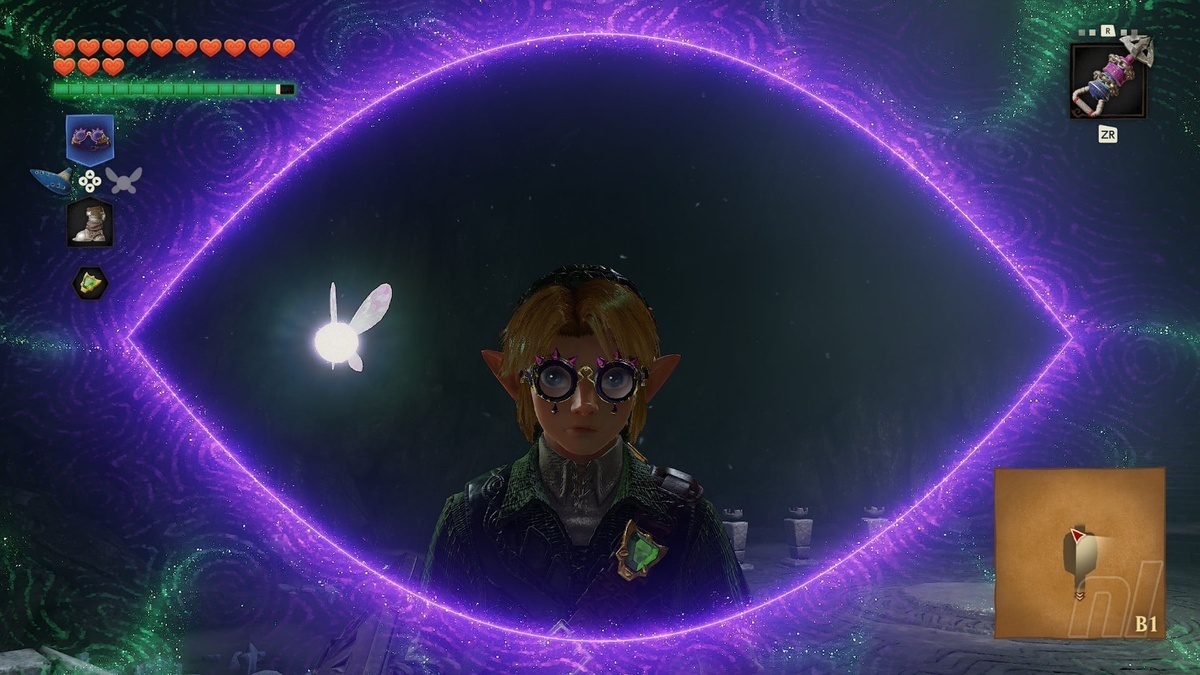
Magic bar consumption provides another captivating metric highlighted by Ocarina of Time remake telemetry, where the Lens of Truth decisively claims first place among all consumed magical abilities across global user records.
As verified in official game manuals on Nintendo’s official portal, navigating deceptive illusory barriers within the Shadow Temple requires consistent Eye of Truth activation.
Din’s Fire achieved a strong second place in magical depletion within the Ocarina of Time remake telemetry, repeatedly activated as an essential perimeter blast when Link is overwhelmed by swarms of aggressive skeletal Stalfos.
Regarding campaign duration, the Ocarina of Time remake telemetry demonstrates that standard playthroughs average between 20 and 30 hours, confirming thorough exploration rather than hasty speedrunning routes across modern audiences.
Complementary telemetry indicates that adventurers chopped Hyrule foliage over one thousand times on average to harvest currency, while breaking relatively few decorative pottery vessels during their journey.
Frequently Asked Questions
What is the top cause of Game Over screens in the Ocarina of Time remake telemetry?
According to verified Ocarina of Time remake telemetry, ReDeads and Gibdos represent the deadliest hazard in the game, causing over 18 percent of all recorded player fatalities globally.
Which miniboss caused the most player deaths in the remake?
Dark Link inside the Water Temple accounted for the highest number of miniboss casualties in the Ocarina of Time remake telemetry, outperforming main dungeon bosses in lethal combat efficiency.
What is the most frequently equipped special tool in Ocarina of Time?
The Hookshot and Longshot rank as the most frequently equipped tools, utilized extensively for traversing hazardous gaps and retrieving Gold Skulltulla tokens throughout Hyrule.
What is the average story completion duration recorded by Nintendo?
Global server telemetry reveals that standard playthroughs average between 20 and 30 hours of playtime to conclude the overarching story across both time periods.
Why do deaths in the Hall of Fallen Foes affect telemetry records?
Although the optional combat trial does not trigger a traditional Game Over sequence, backend tracking systems tally combat trial failures as distinct death milestones.
Final Verdict: Revealing the True Anatomy of Hyrule Survival
The publication of official Ocarina of Time remake telemetry delivers fascinating empirical evidence about how modern audiences interact with timeless game mechanics, proving that paralyzing horror and dynamic duelists retain their formidable edge.
As detailed in our previous Zelda Notes player data analysis, cloud telemetry transforms single-player adventures into communal experiences, giving developers invaluable guidance for balancing future franchise remakes.
Ultimately, this comprehensive Ocarina of Time remake telemetry serves as both a nostalgic monument and a tactical roadmap, reminding adventurers to stock Deku Nuts, memorize the Sun’s Song, and respect Hyrule’s deadliest shadows.
