


Table of Contents
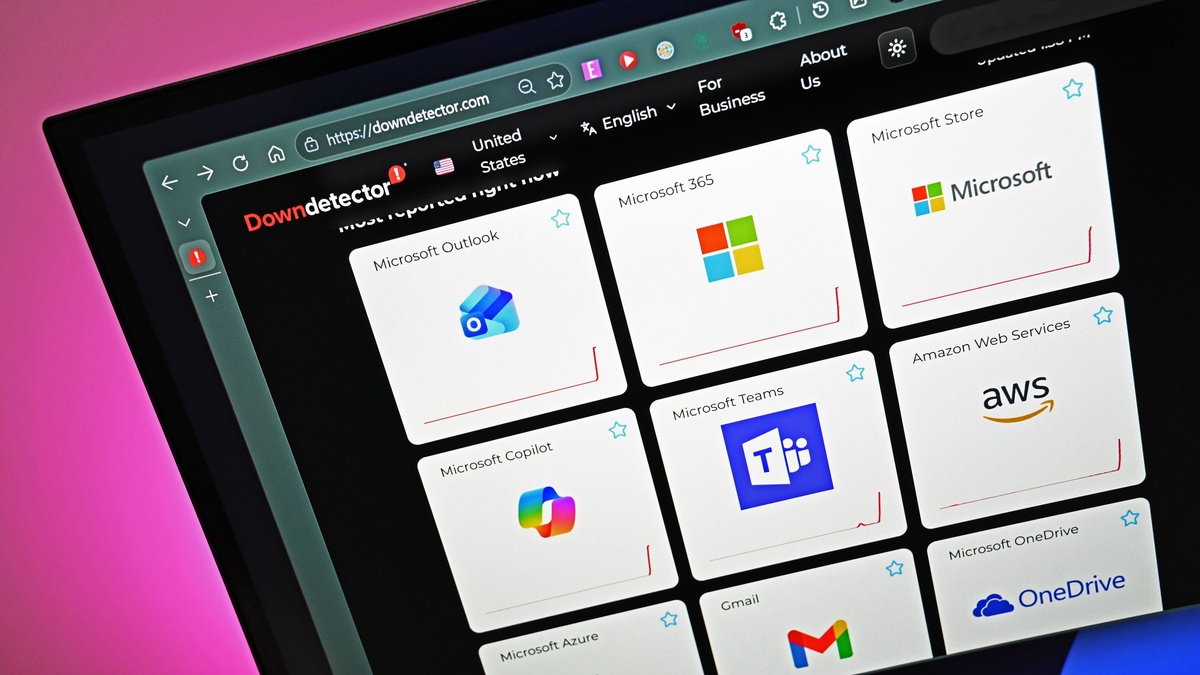
Corporate IT departments and enterprise organizations worldwide are aggressively pursuing Microsoft outage compensation after a catastrophic cloud disruption paralyzed mission-critical Microsoft 365, Outlook, and Teams platforms across more than seventy countries.
According to direct reporting from Neowin, frustrated administrators are taking formal administrative steps to demand Microsoft outage compensation and force reimbursements for their enterprise licensing fees.
| Availability Uptime Tier | Monthly Downtime Limit | Service Credit Percentage | Eligible Service Suites | Claim Submission Deadline |
|---|---|---|---|---|
| 99.9% to 100.0% Uptime | Under 43.8 minutes total | 0% (Standard SLA Compliant) | Enterprise M365, Teams, Azure | Not Applicable |
| 99.0% to 99.89% Uptime | 43.8 minutes to 7.2 hours | 25% Monthly Workload Credit | Exchange Online, SharePoint | December 31, 2026 |
| 95.0% to 98.99% Uptime | 7.2 hours to 36.0 hours | 50% Monthly Workload Credit | Office 365 E3 and E5 Suites | December 31, 2026 |
| Below 95.0% Availability | Greater than 36.0 hours | 100% Monthly Workload Credit | Core Licensed Cloud Endpoints | December 31, 2026 |
| Consumer / Personal Plans | Any Outage Duration | 0% (No Financial SLA) | M365 Personal and Family | Ineligible for Reimbursement |
Enterprise Fury Over Cloud Disruption: Demanding Microsoft Outage Compensation
The widespread infrastructure collapse severed enterprise email delivery, collaborative messaging, and cloud authentication gateways for tens of millions of commercial users during peak business operating hours.
Financial analysts calculate that aggregate commercial productivity losses easily exceed hundreds of millions of dollars as global supply chains, legal transactions, and customer service desks abruptly stalled.

Despite the sheer magnitude of the disruption, many enterprise subscribers remain unaware that obtaining Microsoft outage compensation requires active, manual intervention rather than expecting automatic billing reimbursements from Microsoft.
Corporate leadership teams are demanding financial accountability as executive boards scrutinize significant operational vulnerabilities created by single-vendor cloud architecture dependencies across distributed enterprise workforce environments.
Enterprise administrators are compiling system error logs and diagnostic telemetry, preparing formal contractual appeals to secure legitimate Microsoft outage compensation following this catastrophic infrastructure failure.
Service Level Agreement Mechanics: How Downtime Credits Are Calculated
The primary mechanism governing enterprise recovery resides within the Microsoft Online Services Service Level Agreement, which establishes enforceable monthly availability baselines across hosted cloud infrastructure.
Under standard contractual tiers, Microsoft guarantees 99.9% monthly availability for core productivity platforms, requiring uptime calculations measured across cumulative user-minutes throughout the thirty-day billing cycle.
When service availability drops below 99.9% during a calendar month, eligible enterprise commercial customers qualify for a 25% credit applied against their monthly service fee.
If platform availability deteriorates below 99% uptime, qualifying organizations become eligible for a 50% credit, scaling upward to a maximum 100% credit should availability collapse below 95%.
Securing this tier of Microsoft outage compensation requires meticulous telemetry auditing, because Microsoft calculates uptime percentages by dividing total outage minutes by the active licensed user base across affected tenants.
Furthermore, credit percentages apply solely to the specific degraded workload rather than discounting the comprehensive enterprise bundle, limiting overall financial recovery under standard Microsoft outage compensation rules.
Manual Filing Obstacles: Securing Microsoft Outage Compensation via Service Health
A critical barrier confronting organizations seeking Microsoft outage compensation is the strict manual submission protocol enforced across the Microsoft 365 Admin Center and partner management portals.
Unlike consumer utility providers that issue automatic credits during regional service blackouts, Microsoft places the entire evidentiary burden onto customer IT departments to substantiate downtime.

Enterprise tenants licensing software directly must open administrative support tickets titled specifically as Service Level Agreement credit requests to claim appropriate Microsoft outage compensation.
For disruptions occurring throughout November, corporate administrators face an inflexible deadline of December 31, 2026, to file complete claims accompanied by timestamped error logs and affected seat counts.
Organizations purchasing software through Cloud Solution Providers or authorized resellers face even higher friction when seeking billing credits, as end clients cannot submit claims directly.
These managed customers must coordinate with third-party CSP partners who submit consolidated claims through the Microsoft Partner Center, introducing bureaucratic delays that jeopardize strict filing windows.
Contractual Liability Shields: Why Microsoft Disclaims Lost Business Profits
While enterprise administrators aggressively pursue SLA credits, corporate legal departments are confronting the sobering limitations embedded within standard hyperscale cloud licensing contracts.
Microsoft’s Master Services Agreement explicitly disclaims liability for consequential damages, lost corporate profits, business interruption costs, and third-party commercial liabilities arising from unexpected downtime.

Consequently, Microsoft outage compensation through contractual channels remains strictly capped at monthly subscription invoice reductions, leaving massive direct commercial losses entirely uncompensated by the vendor.
This contractual dynamic mirrors the consumer cloud constraints we analyzed in our Xbox Cloud Gaming architecture review, where platform availability guarantees prioritize provider liability limitations.
Consumer, Personal, and Family Microsoft 365 subscribers face an even harsher reality, as consumer licensing tiers contain zero financial uptime guarantees or Microsoft outage compensation pathways.
Enterprise infrastructure planning must account for these liability caps, underscoring lessons detailed in our enterprise operating system servicing guide regarding long-term operational resilience.
| Recovery Mechanism | Potential Payout Scope | Required Evidence & Process | Core Contractual Limitation | Feasibility Rating |
|---|---|---|---|---|
| Microsoft SLA Credits | 25% to 100% subscription credit | Manual support ticket with logs | Future invoice discount only | High for Direct Tenants |
| Business Interruption Insurance | Uncompensated payroll and sales | Cyber policy with waiting period | Strict 8-to-12 hour deductible | Moderate for Large Firms |
| Class Action Litigation | Negotiated monetary damages | Demonstrated tortious negligence | Mandatory arbitration clauses | Low Legal Feasibility |
| Regulatory Risk Enforcement | Fines paid to state regulators | Statutory audits under EU DORA | Zero direct client compensation | Indirect Market Impact |
Regulatory and Legal Backlash: Class Actions, Insurance Claims and DORA Compliance
The inability to recover consequential business damages through standard channels is driving furious organizations toward alternative legal and financial mechanisms to seek Microsoft outage compensation.
Prominent class-action litigation firms are evaluating collective lawsuits, attempting to challenge mandatory arbitration clauses and liability disclaimers under unfair contract terms and negligence doctrines.
Simultaneously, multinational enterprises are filing substantial claims under commercial business interruption insurance and cyber incident policies to recover uncompensated employee payroll and lost transactions.
However, risk adjusters caution that many corporate insurance policies enforce mandatory eight-to-twelve-hour waiting periods before business interruption coverage activates, creating coverage gaps for shorter outages.
European financial institutions are leveraging the Digital Operational Resilience Act to demand systemic risk audits, pressuring regulatory authorities to mandate broader operational resilience frameworks.
Industry analysts at BleepingComputer note that persistent cloud concentration risks will inevitably accelerate enterprise capital investment toward robust hybrid on-premises failover architectures.
Frequently Asked Questions
Can individual consumer Microsoft 365 subscribers receive compensation for the outage?
No, Microsoft 365 Personal and Family consumer subscriptions do not include a financial Service Level Agreement, leaving retail users ineligible for any formal service billing credits.
Does Microsoft automatically credit customer accounts after a widespread cloud outage?
No, Microsoft never provides automatic billing credits; affected enterprise customers must manually submit an SLA credit claim with incident telemetry to obtain Microsoft outage compensation.
How is downtime calculated under the Microsoft Online Services Service Level Agreement?
Downtime is calculated in user-minutes by multiplying the total duration of service unavailability by the number of impacted users, divided by total scheduled user-minutes across the monthly billing cycle.
What is the deadline for enterprise customers to file an SLA service credit claim?
For Microsoft 365 services, claims for Service Level Agreement credits must be submitted by the end of the calendar month following the incident, requiring November claims before December 31, 2026.
Will Microsoft reimburse businesses for lost revenue, sales, or employee downtime?
No, enterprise contracts disclaim consequential damages, ensuring that Microsoft outage compensation remains restricted to future subscription invoice discounts rather than direct monetary refunds.
Final Verdict: Reclaiming Cloud Losses and Building Multi-Vendor Resilience
The aggressive enterprise push for Microsoft outage compensation demonstrates that corporate customers are no longer willing to absorb the financial fallout of centralized cloud infrastructure failures without resistance.
While filing manual Service Level Agreement claims provides meaningful subscription invoice reductions, standard cloud contracts heavily protect hyperscale providers from true commercial liability.
Organizations navigating future cloud risks must establish secondary local failover infrastructure and review third-party insurance protections, ensuring business continuity when dominant hyperscalers suffer inevitable service blackouts.
