


Table of Contents
Publishing titan Atari has executed an unconventional Barbie Rewind release strategy, deliberately positioning its newly launched retro compilation adjacent to the looming arrival of Grand Theft Auto 6 to capture release calendar vacancies.
Speaking directly to Game File, Atari CEO Wade Rosen explained that major publishers fled upcoming windows to avoid Rockstar Games, leaving massive digital storefront space for an iconic franchise serving an entirely distinct demographic.
| Classic Title & Release Year | Original Hardware Platform | Preservation & Emulation Core | Primary Gameplay Genre | Barbie Rewind Enhancements |
|---|---|---|---|---|
| Barbie (1991) | NES (8-bit Ricoh 2A03) | Carbon Engine Cycle-Accurate 8-Bit | Side-Scrolling Platformer | Instant Rewind, CRT Filters, Save States |
| Barbie: Super Model (1993) | Sega Genesis / SNES (16-bit) | Dual 16-Bit Architecture Layer | Fashion Simulation & Driving | Dual-Version Selector, Zero Input Delay |
| Barbie: Vacation Adventure (1994) | Unreleased Prototype (SNES/Genesis) | Recovered Master Cartridge ROM | Exploration & Mini-Games | World Premiere, Restored Audio, Gallery |
| Detective Barbie (2000) | PlayStation 1 (32-bit MIPS) | 3D Polygon Hardware Rasterizer | Point-and-Click Detective Mystery | 4K Geometric Upscaling, Jitter Smoothing |
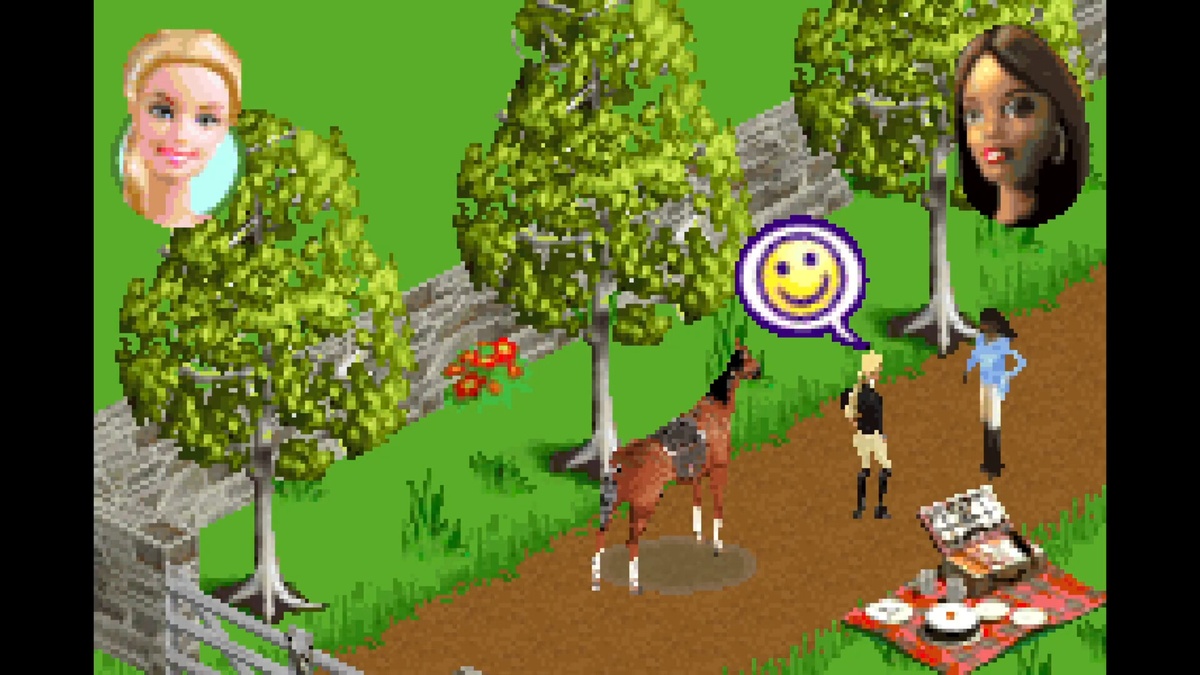
| Barbie Horse Adventures (2003) | Game Boy Advance (ARM7TDMI) | 32-bit Handheld Memory Core | Equestrian Racing & Care | Pixel-Perfect Integer Scaling, Shaders |
Audience Counter-Programming: How the Barbie Rewind Release Strategy Exploits Calendar Vacuums
While the entire interactive entertainment sector routinely scrambles to vacate release quarters dominated by Rockstar Games, the Barbie Rewind release strategy demonstrates how agile publishers can transform terrifying calendar voids into lucrative retail opportunities.
According to reporting from Insider Gaming, Wade Rosen intentionally targeted mid-November because competing blockbuster studios withheld major titles, leaving consumer attention unexpectedly uncluttered across storefront storefronts.
Grand Theft Auto commands enormous cultural gravity that undeniably dominates core enthusiast discussions, yet millions of casual, cozy, and family gamers seek completely different interactive entertainment that mainstream AAA studios frequently overlook during blockbuster cycles.
By introducing an extensive multi-title collection when commercial noise from competing holiday releases dropped significantly, the Barbie Rewind release strategy ensured prominent promotional banner visibility across Nintendo eShop, PlayStation Network, and Steam.
Rosen noted that Grand Theft Auto would inevitably absorb industry airtime, making the Barbie Rewind release strategy the only logical maneuver for specialized software aimed at nostalgic collectors, younger demographics, and retro lifestyle enthusiasts.
Retro Preservation Architecture: Digital Eclipse Carbon Engine Emulation
Underpinning the Barbie Rewind release strategy, the collection relies on the acclaimed Carbon Engine developed by Digital Eclipse, preserving seventeen vintage releases spanning four distinct console generations through meticulous cycle-accurate software emulation.
Engineers faced notable technical hurdles when adapting disparate ROM architectures ranging from eight-bit Nintendo Entertainment System cartridges to thirty-two-bit PlayStation discs, requiring custom memory translation layers to ensure identical sprite timing and physics reproduction.
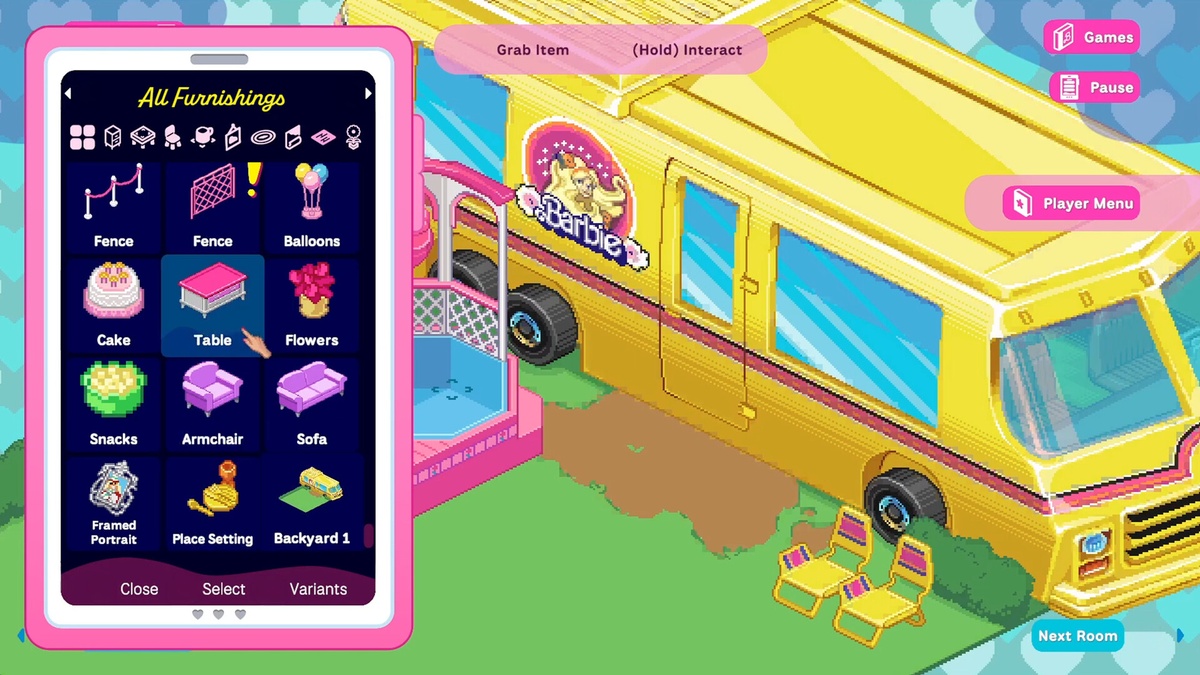
Digital Eclipse integrated instant frame rewinding, persistent save-state slots, and customizable visual filters that replicate retro cathode-ray tube phosphors, proving that the Barbie Rewind release strategy prioritizes museum-grade historical preservation over hasty ports.
Accompanying the games is a comprehensive interactive digital Lookbook, offering high-resolution archival scans of original packaging, design concept documents, and historical retrospectives documenting Mattel’s multi-decade journey across consumer computing hardware.
Rather than dumping raw disk images onto storefronts, packaging these historical artifacts within an educational historical framework elevates the Barbie Rewind release strategy into an essential triumph for video game preservation advocacy.
Unreleased 16-Bit History: Resurrecting Barbie Vacation Adventure from 1994
Anchoring the historical preservation initiative behind the Barbie Rewind release strategy is Barbie Vacation Adventure, a side-scrolling exploration title originally engineered for the Super Nintendo Entertainment System and Sega Genesis back in 1994.
Highlighted within the Barbie Rewind release strategy, this launch marks the first official opportunity for players to experience the completed sixteen-bit adventure on certified modern platforms with fully restored licensed musical accompaniment.
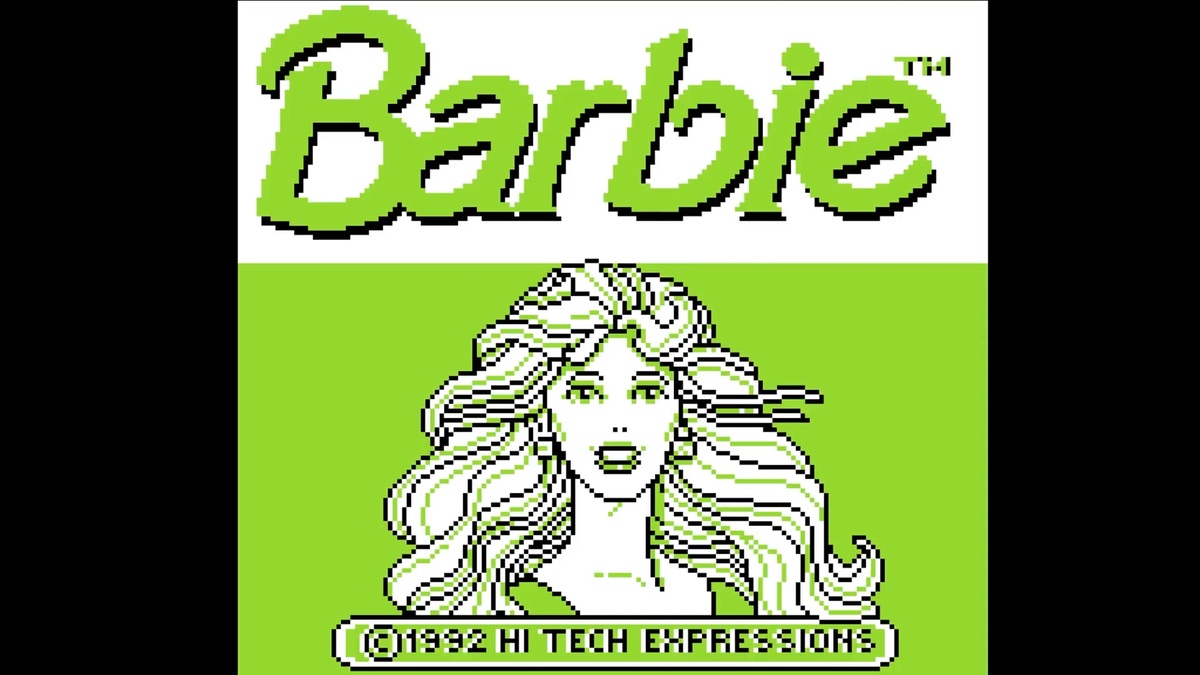
Digital Eclipse recovered authentic build data from archived development cartridges, resolving residual game-breaking bugs and audio timing desynchronization errors that originally contributed to Mattel shelving the cartridge during the mid-nineties retail transition.
Including an unreleased milestone within the Barbie Rewind release strategy attracted passionate retro archivists who might otherwise ignore doll-centric media, bridging the gap between casual lifestyle nostalgia and serious historical video game scholarship.
The restoration highlights how lost software can be legitimately rescued and commercialized, establishing a repeatable legal and technical framework for other publishers possessing abandoned prototypes languishing in corporate vaults.
Cross-Generational Technical Deployment: Hardware Scaling from Switch to PC
Central to executing the Barbie Rewind release strategy, Atari deployed the compilation simultaneously across seven hardware ecosystems, spanning legacy platforms like PlayStation 4 and Xbox One alongside modern powerhouses and handheld hybrid devices.
On modern desktop rigs, PC gamers pairing modern enthusiast architectures like the AMD Ryzen 7 9800X3D will enjoy instantaneous asset decompression, sub-millisecond input response, and integer-scaled pixel clarity across modern ultra-wide monitors.
| Platform Ecosystem | Target Framerate | Render Resolution | Display Filters & Shaders | Physical Edition Availability |
|---|---|---|---|---|
| Nintendo Switch / Switch 2 | 60 FPS Rock Solid | 1080p Docked / 720p Handheld | Handheld LCD & CRT Phosphor | Standard Physical & Deluxe Doll Box |
| PlayStation 4 / PS4 Pro | 60 FPS Rock Solid | 1080p (PS4) / 4K Native (Pro) | Scanline Emulation & Smooth Bilinear | Standard Retail Disc Edition |
| PlayStation 5 | 60 FPS Locked | Native 4K UHD Ultra-Clear | Pixel-Perfect Scaling & CRT Presets | Standard Physical & Deluxe Doll Box |
| Xbox One / Series X|S | 60 FPS Locked | 1080p (Xbox One) / 4K (Series X) | Sub-Millisecond Low Latency Display | Smart Delivery Digital & Retail |
| PC (Steam & Windows) | Uncapped (Up to 240Hz) | Arbitrary Ultra-Wide & 4K/8K | Advanced Custom GLSL Pixel Shaders | Digital Steam Worldwide Release |
Even on compact handhelds, the software achieves native 1080p docked and 720p handheld rendering, mirroring seamless portability paradigms like playing remote libraries when Xbox Cloud Gaming pay-as-you-go options remove local compute limits.
Optimized shader compilation ensures that legacy systems without modern driver upgrades, even as Nvidia ends Windows 10 support for aging configurations, execute pixel shaders without frame drops or memory leaks.
This multi-generational deployment reinforces why the Barbie Rewind release strategy maximizes commercial capture, welcoming households who possess older living room consoles alongside enthusiasts sporting cutting-edge gaming setups.
Commercial Demographics: Reclaiming Underserved Player Audiences in Gaming
Beyond calendar logistics, Wade Rosen articulated a deeper philosophical justification for the release, emphasizing that Barbie remains historically underrepresented in interactive media despite driving billions in worldwide retail merchandise and cinema revenue.
The global video game industry continually hyper-focuses on dark action sandboxes, gritty first-person shooters, and competitive multiplayer arenas, frequently abandoning family, creative, and female demographics who propelled Greta Gerwig’s Barbie feature film to historic box-office dominance.
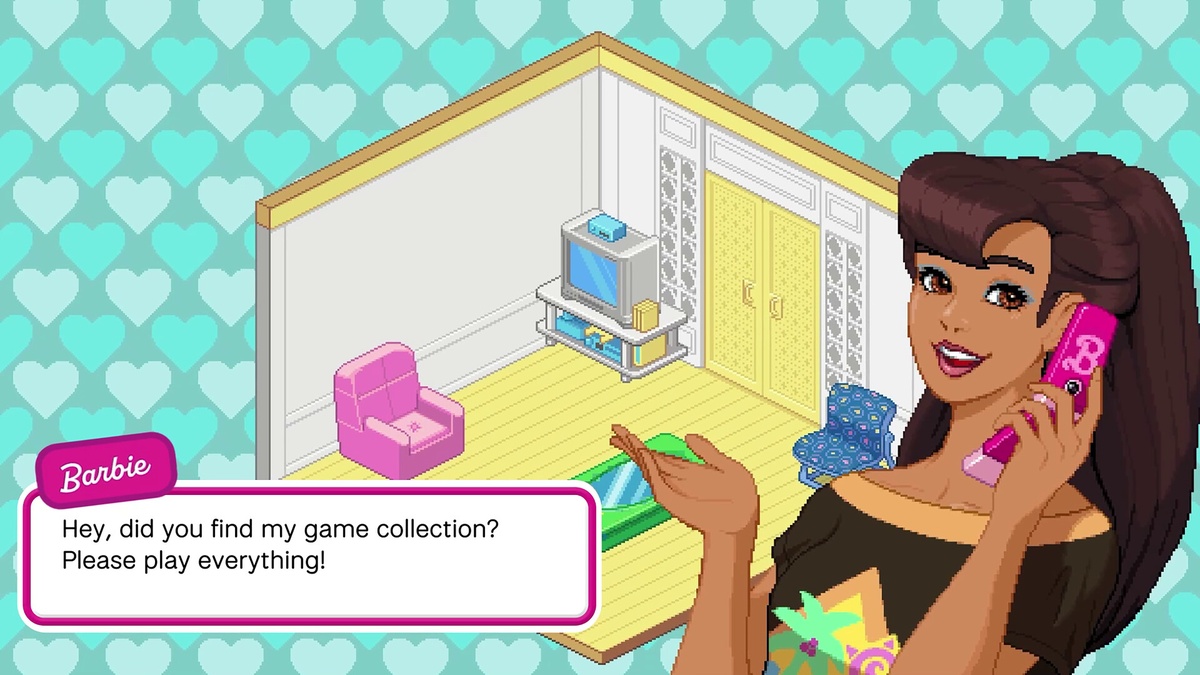
By incorporating an interactive 3D DreamHouse hub featuring over two hundred fifty unlockable decor pieces spanning six decades, the Barbie Rewind release strategy offers creative customization reminiscent of contemporary cozy-game blockbusters.
Supporting the Barbie Rewind release strategy, physical collectors are catered to through a limited Deluxe Edition bundling an exclusive collector doll sporting an Atari t-shirt, uniting classic toy traditions with interactive electronic entertainment culture.
As documented in Steam store details, positive player sentiment validates that the Barbie Rewind release strategy tapped into a passionate, starved community eager for respectful, high-quality archival celebrations.
Frequently Asked Questions
Why did Atari launch Barbie Rewind close to the GTA 6 release window?
Atari CEO Wade Rosen intentionally chose this window because major AAA studios cleared their schedules to avoid Rockstar Games, providing an uncluttered digital storefront landscape to reach a distinct, underserved audience.
What games are included in the Barbie Rewind collection?
The compilation bundles sixteen classic titles released between 1991 and 2007 across NES, Genesis, SNES, PlayStation, and Game Boy Advance, alongside the previously unreleased 1994 prototype Barbie Vacation Adventure.
Who developed the emulation engine for Barbie Rewind?
The compilation was engineered by Digital Eclipse, utilizing their proprietary Carbon Engine to deliver cycle-accurate software emulation, modern save states, rewind functionality, and museum-grade historical archival scans.
What platforms is Barbie Rewind available on?
Barbie Rewind is currently available on Nintendo Switch, Nintendo Switch 2, PlayStation 4, PlayStation 5, Xbox One, Xbox Series X|S, and PC via Steam with full controller and keyboard compatibility.
Does Barbie Rewind offer physical collector editions?
Yes, alongside digital editions, a physical Deluxe Edition is available featuring a physical collector Barbie doll wearing a retro Atari t-shirt, celebrating decades of collaborative pop-culture history.
Final Verdict: Strategic Counter-Programming Reclaims Neglected Audiences
Ultimately, the audacious Barbie Rewind release strategy proves that clever scheduling and thoughtful counter-programming can turn an industry-wide release drought into a decisive commercial and cultural triumph.
By leveraging Digital Eclipse’s premier archival engineering to resurrect sixteen classic titles alongside the mythical Barbie Vacation Adventure, Atari treated a historically marginalized franchise with the scholarly reverence typically reserved for classic arcade staples.
As the gaming landscape braces for colossal blockbuster releases, the Barbie Rewind release strategy stands as a brilliant blueprint for publishers aiming to serve vibrant, dedicated audiences that conventional industry wisdom routinely ignores.
