



Table of Contents
After nearly 24 hours of severe disruptions across corporate communications, Microsoft has confirmed that active Microsoft 365 outage resolution is underway worldwide. Enterprise administrators across four continents reported widespread restoration following an extensive engineering mitigation overnight.
The prolonged downtime began Thursday afternoon, locking millions out of critical email and collaboration tools. As telemetry shows broad recovery, the Microsoft 365 outage resolution highlights the immense vulnerability of modern global cloud monocultures to routine maintenance changes.
| Incident Phase | Estimated Timestamp | Engineering Status | Operational Impact |
|---|---|---|---|
| Disruption Onset | Thursday ~1:00 PM ET | Network routing regression | Outlook and Apple Mail Exchange sync stalls globally |
| Investigation & Triage | Thursday ~4:30 PM ET | Cyberattack vectors ruled out | Engineers isolate earlier network capacity modification |
| Root Cause Mitigation | Thursday ~11:15 PM ET | Network routing fix deployed | Underlying transport layer stabilized across data centers |
| Staged Regional Rollout | Friday ~6:00 AM ET | Sequential load-balancing validation | Enterprise tenants observe progressive email restoration |
| Broad Service Recovery | Friday ~11:00 AM ET | Recovery and stability confirmed | Exchange queues draining; calendar scheduling resolving |
Root Cause Analysis: Network Capacity Upgrade Triggered Cascading Telemetry Failures
In an official incident briefing covered by MacRumors, Microsoft clarified that the global collapse stemmed from an internal routine network change. Technicians confirmed that an earlier capacity upgrade introduced unexpected routing anomalies into production clusters.
Microsoft explicitly ruled out external cyberattacks, state-sponsored malicious operations, and malfunctioning autonomous artificial intelligence agents. Engineers determined that the routing regression emerged directly from a configuration modification applied across core hyperscale transport gateways.
When the configuration anomaly propagated, automated health management routines misread responsive nodes as degraded. As detailed in ongoing Microsoft 365 outage resolution telemetry reports, automated traffic load-balancers rapidly quarantined viable production servers, cutting capacity without any warning.
The sudden removal of healthy nodes triggered cascading connection timeouts across regional authentication boundaries. With surviving infrastructure overwhelmed, administrators seeking Microsoft 365 outage resolution faced severe HTTP gateway errors and unresponsive administrative consoles throughout the business day.
Rather than localized hardware breakdowns, the root fault reflected fragile synchronization between control planes. Similar to network dependency bottlenecks analyzed across our Xbox Cloud Gaming pay-as-you-go pricing bundles review, centralized architectures amplify minor gateway misconfigurations into catastrophic global outages.
Staged Recovery Architecture: How Microsoft 365 Outage Resolution Validates Regional Stability
To safely manage Microsoft 365 outage resolution, Microsoft chose a gradual, staged restoration methodology rather than an aggressive immediate reboot. Engineering leads validated stability across regional zones sequentially, preventing secondary traffic surges from overwhelming recovered application endpoints.
Sudden traffic rushes from hundreds of millions of reconnecting corporate clients can immediately destabilize newly restored clusters. Under this staged restoration framework, rate-limiting algorithms throttled incoming client handshakes until local transport telemetry verified sustained backend health.
Microsoft defended this deliberate recovery pace in statements to enterprise partners and commercial tenants. Corporate spokespersons acknowledged that while phased restoration required additional patience, it eliminated the risk of cyclic flapping across congested authentication servers.
During the staged rollout, telemetry on the official Microsoft Service Health dashboard documented incremental capacity recovery across European and North American zones. Network engineers verified packet completion metrics before expanding access boundaries.
By staggering gateway unlock sequences, operational squads successfully shielded database layers from unbounded query queues. Consequently, the systematic Microsoft 365 outage resolution demonstrated that deliberate pacing remains essential when reviving mission-critical communication pipelines after severe operational regressions.
Enterprise Impact Spectrum: Outlook Apple Mail Sync and Teams Scheduling Failures
The operational reach of the disruption spanned far beyond native Microsoft applications, severely impacting external platforms. Apple users experienced total Exchange account synchronization failures across macOS and iOS native Mail clients throughout the entire incident window.
Modern corporate fleets relying on high-performance hardware, such as setups discussed in our Apple M4 Mac mini enterprise workflow analysis, encountered constant password prompts. Apple Mail clients repeatedly timed out attempting Secure Sockets Layer connections with unyielding Exchange transport servers.
Meanwhile, Microsoft Teams users navigated an inconsistent patchwork of functional chat versus broken organizational scheduling. While active voice calls and direct text messages stayed mostly online, scheduling new calendar entries consistently generated severe backend processing errors.
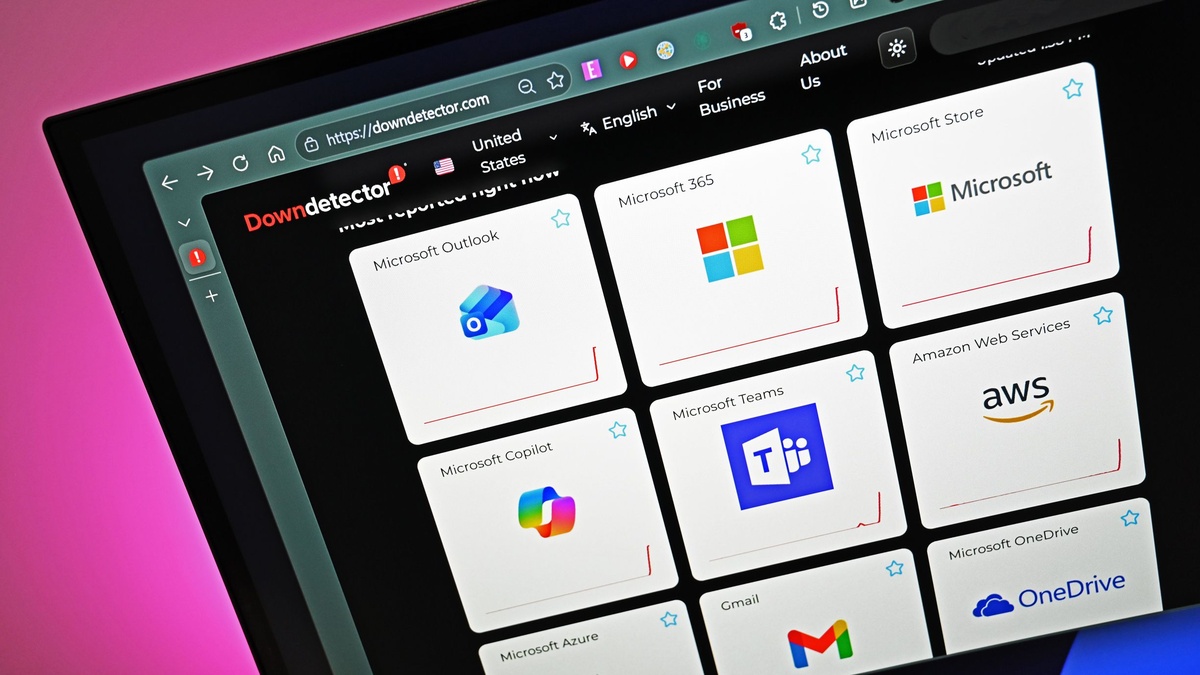
Third-party enterprise integrations and Microsoft 365 Copilot tools also experienced profound degradation. Commercial users attempting to summarize meetings or query company documents encountered continuous server timeouts, revealing deep architectural dependencies on unified tenant health.
As enterprise organizations awaited comprehensive Microsoft 365 outage resolution, hospitals, legal offices, and educational departments defaulted to temporary paper procedures. The disruption proved that communication failure in modern enterprises immediately cripples core institutional governance.
Workforce Restructuring Context: 60,000 Buyout Offers Amid Accelerating AI Pivot
The operational fragility exposed during the Microsoft 365 outage resolution arrives at a precarious strategic moment for Microsoft’s cloud division. Barely two weeks prior, executive leadership announced substantial corporate restructuring initiatives impacting thousands of institutional technology roles.
In an unprecedented workforce realignment, Microsoft offered voluntary severance buyout packages to approximately 60,000 employees. This initiative targeted nearly a quarter of its global workforce as leadership sought to trim structural operational expenditure.
| Service Component | Primary Failure Mode | Root Trigger | Current Restoration Status |
|---|---|---|---|
| Microsoft Exchange Online | Inbound/outbound email timeout | Network interface flapping | Broad recovery active; residual mail queue processing |
| Apple Mail Exchange Sync | SSL authentication failure | Identity gateway congestion | Normal synchronization restored on macOS and iOS |
| Microsoft Teams | Calendar and meeting scheduling errors | Shared calendar service locks | Calling and messaging active; scheduling restored |
| Microsoft 365 Copilot | Document summary query timeouts | API gateway latency | Full service operational across enterprise tenants |
| SharePoint & OneDrive | Intermittent document access lag | Regional routing re-routing | Operating at baseline throughput and low latency |
This aggressive personnel reduction occurs while Microsoft dramatically accelerates capital expenditures toward artificial intelligence datacenter capacity. Veteran IT directors questioned whether cutting seasoned network engineering talent compromised the maintenance rigor necessary for seamless Microsoft 365 outage resolution.
Similar enterprise operational challenges examined in our enterprise operating system transition and security review reveal that workforce reductions frequently strain IT teams. Operating hyperscale infrastructure requires deep institutional knowledge that automated monitoring cannot replace.
Industry analysts suggest that rapid organizational shifts toward artificial intelligence accelerators have stretched traditional engineering teams thin. Maintaining global software reliability demands sustained investments in experienced human oversight alongside automated datacenter tooling.
Service Health Telemetry: Queue Drain Rates and Post-Incident Audit Expectations
As full Microsoft 365 outage resolution approaches completion, Microsoft engineers are actively monitoring post-restoration telemetry metrics across all commercial data centers. Millions of queued inbound emails are currently undergoing prioritized security inspection and mailbox routing.
System administrators should anticipate brief delivery latency as massive backlogs clear across Exchange Online server pools. In recent Microsoft 365 outage resolution advisory notices, support technicians advised against submitting repeated password resets, which needlessly exacerbate authentication queue congestion.
Microsoft has formally committed to publishing a comprehensive post-incident review following the completion of internal forensic investigations. The forthcoming audit will detail exact gateway code changes and outline structural safeguards to prevent identical configuration failures.
Regulatory scrutiny in Europe and North America is anticipated to intensify following this prolonged disruption. Enterprise customers with stringent service-level agreements will likely demand financial restitution and architectural commitments to multi-vendor failover alternatives.
Ultimately, verifying verified operational restoration requires sustained observation over consecutive business days. Enterprise administrators must audit message delivery logs and calendar synchronization consistency before declaring standard operating normalcy across internal departments.
Frequently Asked Questions
What caused the outage and how did Microsoft 365 outage resolution occur?
Microsoft confirmed the disruption was triggered by a routine network configuration change following an earlier capacity upgrade. The Microsoft 365 outage resolution succeeded after engineers deployed targeted network patches and gradually restored regional routing.
Was the Microsoft 365 downtime caused by a cyberattack or AI agents?
No, Microsoft explicitly confirmed that the incident was entirely technical and unrelated to external cyberattacks or AI agent errors. The root failure involved internal routing misconfigurations within Microsoft’s cloud network transport infrastructure.
Why did Apple Mail stop syncing Exchange accounts during the outage?
Exchange authentication gateways became completely unresponsive during the outage, preventing Apple Mail from validating account credentials. As Microsoft 365 outage resolution takes effect, Apple Mail accounts on macOS and iOS are reconnecting automatically without configuration changes.
How long did the global Microsoft 365 disruption last?
The disruption lasted nearly 24 hours, starting around 1:00 PM Eastern Time on Thursday before reaching broad stability Friday midday. Staged Microsoft 365 outage resolution was implemented to prevent overwhelming backend databases with sudden connection rushes.
Should enterprise users reset their passwords or email profiles?
No, IT administrators strongly advise against resetting account passwords or recreating email profiles. Residual delays stem from clearing queued messages, and Microsoft 365 outage resolution will naturally restore standard functionality across all user mailboxes.
Final Verdict: Operational Resilience and the Cost of Monolithic Cloud Upgrades
The successful Microsoft 365 outage resolution brings welcome relief to hundreds of millions of corporate workers, students, and healthcare practitioners worldwide. However, nearly a full day of systemic paralysis underscores the alarming fragility of centralized cloud services.
As Microsoft balances massive artificial intelligence investments against workforce buyouts, operational resilience cannot become an afterthought. The Microsoft 365 outage resolution proves that even minor routine network modifications can paralyze global commerce without resilient isolation barriers.
Moving forward, enterprise technology leaders must re-evaluate disaster recovery protocols and explore diversified multi-cloud architectures. Relying exclusively on single vendor suites leaves modern organizations acutely exposed when routine infrastructure upgrades unexpectedly unravel.
