


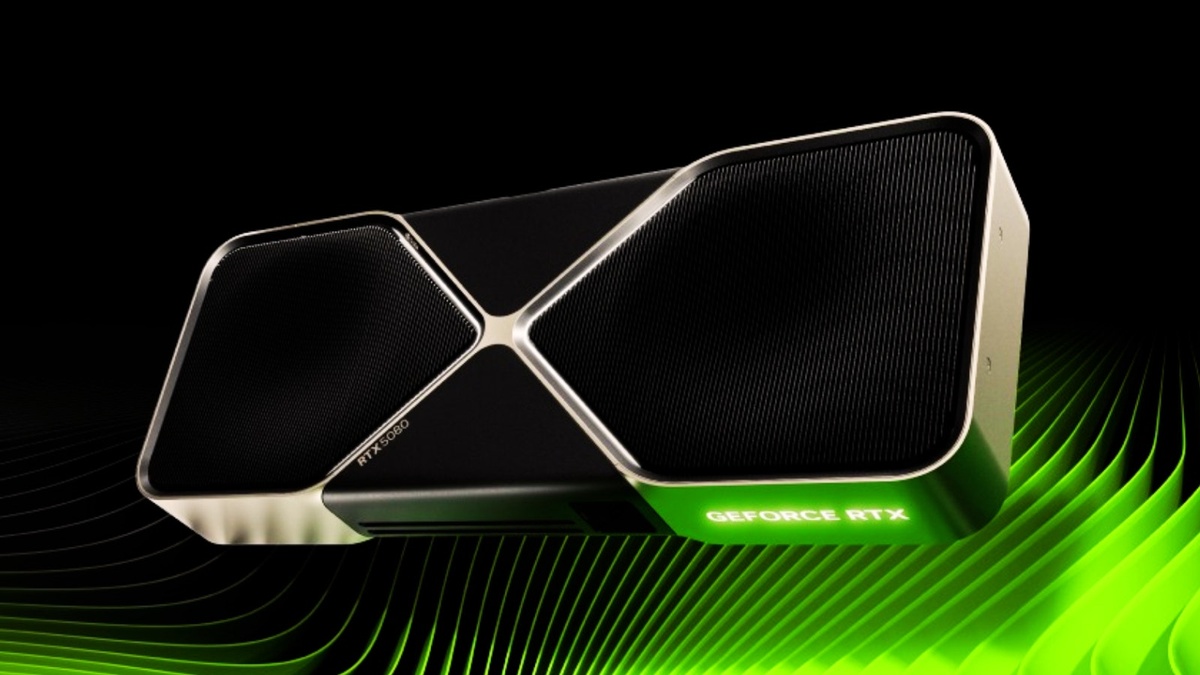
Hardware enthusiasts face another wave of component inflation as escalating MSI graphics card prices in Asian distribution channels threaten to push high-end Blackwell hardware well beyond reach for mainstream PC gaming builders.
According to a supply chain leak documented by IGN and corroborated by TechPowerUp, distributor costs for the GeForce RTX 5080 are spiking by as much as eight thousand yuan.
| Graphics Card Model & Silicon Tier | Wholesale Price Hike (RMB) | Estimated Price Hike (USD) | Memory Subsystem Configuration | Market Allocation & Channel Impact |
|---|---|---|---|---|
| GeForce RTX 5080 (GB203-400) | +1,300 to +8,000 RMB | +$194 to +$1,199 USD | 16GB GDDR7 (28 Gbps, 256-bit) | Severe allocation freezes; premium Suprim tiers hardest hit |
| GeForce RTX 5070 Ti (GB203-300) | +800 to +4,000 RMB | +$120 to +$600 USD | 16GB GDDR7 (28 Gbps, 256-bit) | Wholesale costs jumping across high-end custom triple-fan boards |
| GeForce RTX 5070 (GB205-300) | +500 to +1,000 RMB | +$75 to +$150 USD | 12GB GDDR7 (28 Gbps, 192-bit) | Mainstream enthusiast tier absorbing steady distributor creep |
| GeForce RTX 5060 Ti (GB206-300) | +300 to +600 RMB | +$45 to +$90 USD | 16GB GDDR7 (28 Gbps, 128-bit) | Mid-tier gaming models facing tightened regional wholesale quotas |
| GeForce RTX 5060 (GB206-250) | +200 to +500 RMB | +$30 to +$75 USD | 8GB GDDR7 (28 Gbps, 128-bit) | Entry desktop pricing rising slightly to protect vendor margins |
Table of Contents
1. ChannelGate Board Leak: Distributor Wholesale Adjustments Across the Lineup
The emerging volatility in MSI graphics card prices originated on ChannelGate, a prominent insider board on WeChat dedicated to tracking Chinese electronics supply chains. Leaker Harukaze5719 brought the confidential distributor pricing memo to international attention.
The internal communication details extensive price revisions scheduled for implementation throughout regional retail supply lines. While multiple board manufacturers are reevaluating distribution tiers, the upward adjustment in wholesale graphics card costs represents the most aggressive intervention across Chinese channels.
Wholesale adjustments disproportionately impact top-tier enthusiast silicon over mainstream alternatives. The GeForce RTX 5080 faces the steepest jump, with wholesale costs rising between thirteen hundred and eight thousand yuan depending on cooler tier and factory overclocking specifications.
Converted directly to American currency, those figures reflect wholesale increases between one hundred ninety-four and nearly twelve hundred dollars. Consequently, tracking these MSI graphics card prices provides vital early insight into broader component availability across global retail corridors.
Secondary models within the Blackwell lineup are also absorbing notable distributor markups. The GeForce RTX 5070 Ti faces wholesale increases ranging between eight hundred and four thousand yuan, adding considerable cost to performance-oriented desktop builds.
Conversely, entry-level gaming GPUs are experiencing comparatively tempered adjustments. The GeForce RTX 5060 is rising by only two hundred to five hundred yuan, showing that shifting MSI graphics card prices primarily penalize high-bandwidth memory allocations rather than standard mainstream boards.
2. The GDDR7 Memory Bottleneck: How the Global RAM Shortage Strains Production
To understand the fundamental driver behind surging MSI graphics card prices, analysts must examine the acute global memory crisis that began in late 2025. What started as localized dynamic memory tightening has evolved into an industry-wide supply deficit.
Modern gaming GPUs rely heavily on ultra-fast GDDR7 memory modules manufactured by Samsung, SK Hynix, and Micron. As enterprise hyperscalers purchase vast fabrication capacity for AI accelerators, rising MSI graphics card prices reflect genuine bill-of-materials cost pressures on board partners.
During recent financial earnings calls, Samsung warned investors that DRAM fabrication capacity will remain severely constrained throughout the upcoming calendar year. Multiple memory fabricators have completely booked out their production output, leaving minimal surplus for consumer desktop graphics cards.
The tension between enterprise computing demand and consumer hardware continues to intensify across the tech sector. This imbalance explains why escalating MSI graphics card prices mirror shortages previously observed during earlier cryptocurrency surges, though driven entirely by machine learning infrastructure today.
Public statements from technology executives have further underscored the friction surrounding memory allocation. OpenAI leadership recently remarked during an industry interview that widespread consumer PC memory ownership represents an inefficient allocation of rare silicon resources.
For gaming hardware vendors, acquiring sufficient high-density GDDR7 dies now requires paying substantial spot market premiums. These mounting component procurement expenses are inevitably transferred directly onto distributors, pushing published MSI graphics card prices steadily upward across domestic and international markets.
3. RTX 5080 Retail Impact: Escalating Premiums Beyond the $2,000 Threshold
The sudden escalation in MSI graphics card prices arrives at a precarious moment for desktop enthusiasts. Nvidia initially introduced the GeForce RTX 5080 at an official reference MSRP of nine hundred ninety-nine dollars, promising exceptional generational performance gains.
However, retail availability at that target price vanished almost immediately following retail launch. Prior to the latest Chinese supply chain reports, North American street pricing for third-party RTX 5080 cards had already surged past twenty-one hundred dollars on major storefronts.
That existing retail inflation will worsen significantly if regional adjustments filter abroad. Should American and European distributors absorb adjustments mirroring these Asian MSI graphics card prices, street figures for custom cards could comfortably surpass twenty-four hundred to twenty-eight hundred dollars.
This hardware squeeze coincides with major software transitions, including changes detailed in our coverage of Nvidia ending Windows 10 graphics driver support. Gamers modernizing their operating systems now face simultaneously mounting GPU retail costs across every major distributor channel.
Compounding the issue, Nvidia recently removed the RTX 5080 Founders Edition from its official digital store due to acute component shortages. While company representatives stated production will resume once supply stabilizes, retail channels remain devoid of baseline reference pricing.
Without manufacturer direct-to-consumer inventory anchoring retail shelves, third-party merchants operate with complete pricing liberty. Under these conditions, the latest spike in MSI graphics card prices indicates that consumer street figures will continue drifting further into speculative territory.
4. Add-in Board Partner Matrix: How Colorful and Galax Compare to MSI
While public scrutiny has focused on MSI graphics card prices, ChannelGate documentation reveals that competitive Taiwanese and Chinese add-in board manufacturers are encountering identical manufacturing realities. Brand partners throughout Shenzhen and Taipei are adjusting their distributor price sheets.
Key domestic vendors including Colorful and Galax have reportedly issued comparable wholesale price adjustments across their GeForce RTX 50 series allocations. The industry-wide nature of these increases confirms that supply bottlenecks extend well beyond any single board partner.
Nevertheless, MSI occupies the most visible role in the enthusiast ecosystem due to global brand presence. Because Western consumers closely follow MSI graphics card prices as a bellwether for wider market health, these leaked Chinese distributor memos carry outsized international weight.
| Board Partner & Series | Official Launch MSRP | Current US Street Price | China Leak Hike Range | Projected Western Street Ceiling | Channel Risk Level |
|---|---|---|---|---|---|
| MSI RTX 5080 Suprim / Trio | $999 USD | $2,199 USD | +$194 to +$1,199 USD | $2,499 – $2,799 USD | Critical (Extreme allocation squeeze) |
| Colorful RTX 5080 Vulcan | $999 USD | $2,149 USD | +$180 to +$1,100 USD | $2,450 – $2,700 USD | High (Regional supply diversion) |
| Galax RTX 5080 Hall of Fame | $999 USD | $2,249 USD | +$200 to +$1,150 USD | $2,550 – $2,850 USD | Critical (Enthusiast binned shortage) |
| MSI RTX 5070 Ti Gaming Trio | $749 USD | $1,199 USD | +$120 to +$600 USD | $1,399 – $1,650 USD | High (Memory cost pass-through) |
| MSI RTX 5070 Ventus 3X | $549 USD | $799 USD | +$75 to +$150 USD | $899 – $950 USD | Moderate (Steady price drift) |
| MSI RTX 5060 Ventus 2X | $299 USD | $349 USD | +$30 to +$75 USD | $399 – $425 USD | Low (Protected mainstream baseline) |
The escalating cost of graphics silicon heavily impacts enthusiasts planning complete system builds. Pairing an RTX 5080 with flagship components like the AMD Ryzen 7 9800X3D gaming processor now pushes total build budgets well above historic enthusiast averages.
In prior hardware cycles, competitive pressure between board partners helped moderate retail markups. However, with all manufacturers facing uniform memory shortages, market forces fail to suppress MSI graphics card prices or restrain competing distributor hikes across the board.
This collective pricing escalation leaves system builders with few viable workarounds. When every major manufacturer increases wholesale costs simultaneously, elevated wholesale desktop hardware costs become the governing baseline standard rather than an isolated commercial anomaly.
5. Global Supply Chain Outlook: Why Price Spikes Will Likely Spill Over Westward
Looking ahead toward 2027, the trajectory of MSI graphics card prices will depend heavily on whether memory manufacturers can successfully expand production yields. Unfortunately, supply chain forecasts suggest that memory fabrication relief remains distant for consumer hardware.
Semiconductor foundries are dedicating maximum silicon wafer allocations to high-margin enterprise products. With artificial intelligence datacenters willing to pay unprecedented premiums for high-density memory, consumer graphics cards remain secondary in foundry scheduling priorities.
Furthermore, regional price discrepancies inevitably trigger secondary international trade distortions. If Asian distributors charge substantially higher wholesale figures, cross-border scalping and grey-market arbitrage will rapidly push Western MSI graphics card prices to matching levels.
Major retailers in North America and Western Europe maintain thin profit margins on high-end electronics. When replenishment shipments reflect increased landed costs, retailers have no choice but to adjust consumer pricing upward to maintain baseline commercial solvency.
For PC gamers, this dynamic reinforces the reality that component affordability may not recover in the immediate term. The sustained surge in MSI graphics card prices reflects macroeconomic and industrial shifts far broader than standard consumer product cycles.
Until dedicated consumer memory production capacity expands, builders must navigate constrained availability and inflated tags. The latest jump in leaked retail distribution figures serves as an unmistakable warning that high-end gaming hardware remains an expensive endeavor.
Frequently Asked Questions
Why are MSI graphics card prices increasing so sharply in China?
The sharp increase in MSI graphics card prices is driven primarily by the ongoing global RAM crisis and soaring GDDR7 procurement costs, as major memory suppliers divert manufacturing capacity toward high-margin enterprise AI accelerators.
How much is the GeForce RTX 5080 price increasing under MSI’s new policy?
According to leaked ChannelGate documentation, wholesale costs for the GeForce RTX 5080 are increasing by thirteen hundred to eight thousand yuan, representing a massive jump of roughly one hundred ninety-four to twelve hundred dollars.
Are lower-tier graphics cards like the RTX 5060 also getting more expensive?
Lower-tier GPUs are experiencing far smaller adjustments. While higher-end MSI graphics card prices are spiking significantly, the mainstream RTX 5060 is only increasing by two hundred to five hundred yuan, or thirty to seventy-five dollars.
Will these Chinese distributor price increases affect US and European PC gamers?
Yes, industry analysts anticipate that regional increases in MSI graphics card prices will eventually spill over into Western markets through global supply chain arbitrage, replenishment cost increases, and persistent retail stock shortages.
What role does the global memory crisis play in graphics card inflation?
The global memory shortage is the primary catalyst behind rising MSI graphics card prices, as memory manufacturers sell out entire production lines to AI companies, creating acute shortages of high-speed GDDR7 modules for gaming hardware.
Final Verdict: The Deepening Impact of Silicon Supply Constraints
The leaked distributor pricing sheets from ChannelGate provide sobering evidence that the global memory crisis is reshaping consumer gaming hardware economics. Rising MSI graphics card prices represent the direct real-world consequence of industrial silicon competition.
With enterprise artificial intelligence infrastructure consuming unprecedented volumes of advanced semiconductor fabrication capacity, consumer PC components are relegated to secondary priority across international foundry supply lines.
For PC enthusiasts, the era of accessible high-end graphics appears increasingly constrained. As persistent shortages continue to elevate MSI graphics card prices, builders must carefully assess upgrade timelines in an increasingly volatile global hardware market.
