


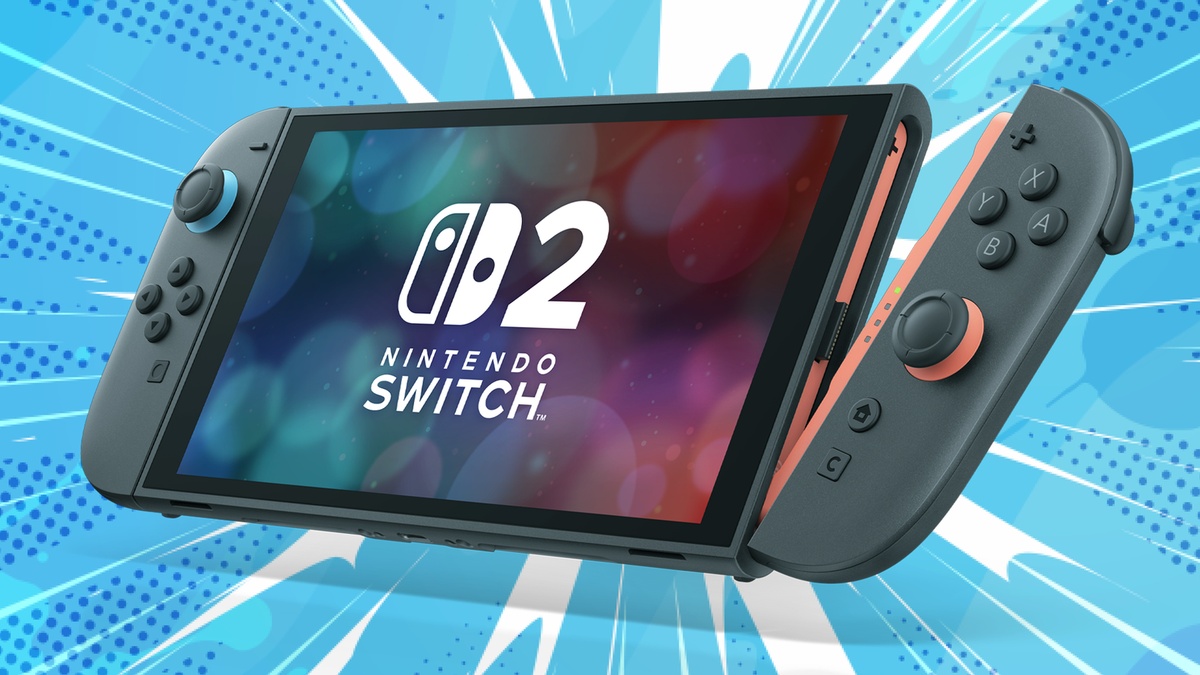
Following the disclosure of its first-half fiscal year 2027 financial performance, Nintendo officially confirmed that prospective console buyers will not face additional Nintendo Switch 2 price hikes after securing comprehensive long-term semiconductor memory contracts.
First reported by Eurogamer and substantiated via Reuters, Nintendo president Shuntaro Furukawa emphasized that existing component stockpiles sufficiently insulate production lines against global memory shortages.
| Hardware & Supply Metric | Switch 2 Operational Status | Global Market Impact | Consumer Takeaway |
|---|---|---|---|
| Future Price Increases | Officially Ruled Out | Halts retail inflationary creep | Protected against unexpected MSRP surges |
| Memory Component Supply | Comprehensive Allocation Secured | Immune to datacenter DRAM bidding | Uninterrupted manufacturing assembly lines |
| Prior Baseline Adjustment | $50 / €30 / ¥10,000 in September | Absorbed baseline import tariffs | Final sustainable hardware price floor set |
| Cumulative Hardware Volume | Over 26 Million Units Sold | Outpacing original Switch launch | Expanding player base attracts third-party games |
| Cartridge ROM Ecosystem | Supplier Transitions Managed | Mitigates proprietary flash costs | Physical retail media remains fully viable |
| Market Value Positioning | Fixed MSRP vs. Escalating Rivals | Widening competitive pricing gap | Highest price-to-library value in gaming |
Table of Contents
1. Memory Stockpile Strategy: How Nintendo Secured Crucial DRAM Allocation
Navigating volatile silicon markets requires aggressive procurement, and halting future Nintendo Switch 2 price hikes stems directly from Nintendo locking in substantial high-bandwidth LPDDR5X memory allocations before enterprise artificial intelligence datacenters monopolized global wafer capacity.
By establishing forward purchase agreements across multiple semiconductor foundries, Nintendo insulated its assembly partners from unpredictable spot market spikes. This procurement cushion guarantees continuous assembly without squeezing retail hardware margins or passing inflated fabrication tariffs to gamers.
Manufacturing leadership highlighted that stable memory pricing remains fundamental to preserving mass-market console adoption. Without these proactive component reserves, additional Nintendo Switch 2 price hikes would have inevitably emerged as wafer fabrication costs escalated across major packaging nodes.
Comparable silicon market pressures recently dictated desktop hardware manufacturing shifts, as observed when the AMD Ryzen 7 9800X3D revealed extreme desktop enthusiast demand and premium packaging challenges.
By locking memory quotas early, Nintendo ensures that assembly lines in Southeast Asia maintain steady yields, preventing artificial hardware scarcity from dampening festive holiday sales cycles.
2. Global Semiconductor Inflation: AI Datacenters vs. Consumer Handhelds
The broader macroeconomic context surrounding Nintendo Switch 2 price hikes highlights an escalating tug-of-war between consumer electronics and high-margin AI computing clusters. Hyperscale server farms routinely outbid traditional hardware vendors for premium DRAM and NAND flash supply.
This supply chain distortion previously disrupted optical storage and proprietary ROM suppliers, prompting legacy component fabricators to pivot production toward lucrative enterprise servers. Consequently, consumer hardware assemblers faced rising procurement bills for everyday flash memory.
Despite these intense component bidding wars, Nintendo avoided subsequent Nintendo Switch 2 price hikes by standardizing unified memory architectures across its manufacturing partners. Standardizing memory footprints streamlined testing procedures while drastically reducing assembly line defect rates.
Similar component realignments reshaped modern personal computing, evidenced when enterprise silicon transitions in the Apple M4 Mac mini redesign demonstrated the benefits of integrated unified memory fabrics.
Nintendo’s strategic supplier relationships allowed the company to resist inflationary spot pricing, shielding ordinary families and passionate gaming enthusiasts from spiraling bill-of-materials expenditures.
3. Generational Cost Breakdown: Analyzing the September Baseline Increase
To understand the definitive halt on Nintendo Switch 2 price hikes, consumers must examine the initial pricing correction executed on September 1. Nintendo adjusted regional retail figures upward by $50, €30, and ¥10,000 across primary Western and Japanese retail channels.
That adjustment absorbed accumulated logistics overhead, import duties, and customized packaging costs that accumulated during initial commercialization. Having reset hardware baselines to sustainable margins, Nintendo established a durable commercial buffer that eliminates the necessity for further price hikes.
Market analysts confirmed that the single revision provided adequate financial headroom. Consequently, avoiding subsequent Nintendo Switch 2 price hikes preserves customer trust while preventing the consumer fatigue currently hindering competing platforms within sluggish retail economies.
Earlier tariff pressures also impacted peripheral accessories, yet Nintendo maintained core console pricing throughout its initial retail launch year, prioritizing software attach rates over aggressive per-unit console hardware profitability.
With baseline economics stabilized, retail partners can confidently project inventory allocations throughout upcoming quarters without fearing sudden distribution price adjustments or unexpected dealer margin reductions.
4. Ecosystem Cost Comparison: Switch 2 vs. PlayStation 5 and Xbox Series X
Nintendo’s commitment against future Nintendo Switch 2 price hikes sharpens its competitive positioning against rival hardware ecosystems. Competing console manufacturers have repeatedly escalated hardware prices, creating significant consumer friction across key international markets.
Sony implemented multiple price increases across base PlayStation 5 and PlayStation 5 Pro hardware, while Microsoft enacted secondary price revisions across Xbox Series X and Series S hardware following severe semiconductor inflation.
By declaring an absolute freeze against upcoming Nintendo Switch 2 price hikes, Nintendo establishes a predictable value proposition for budget-conscious families. This stability contrasts sharply with rival platforms, which increasingly push high-end premium hardware tiers.
| Gaming Platform | Launch MSRP | Current Retail MSRP | Pricing Revision Trajectory | Component Cost Exposure |
|---|---|---|---|---|
| Nintendo Switch 2 | $399.99 | $449.99 | Single September adjustment; now frozen | LPDDR5X memory stockpiles secured |
| PlayStation 5 Pro | $699.99 | $749.99+ | Multiple regional increases enacted | High GDDR6 and advanced APU exposure |
| Xbox Series X | $499.99 | $549.99 | Secondary price hike enacted in August | Escalating high-capacity NVMe flash costs |
| Nintendo Switch OLED | $349.99 | $349.99 | Zero price increases across entire lifecycle | Mature legacy silicon architecture |
Hardware pricing dynamics also parallel PC ecosystem transitions, similar to operating system upgrade costs triggered when Nvidia ends Windows 10 support, pushing desktop enthusiasts toward expensive platform overhauls.
In contrast, Nintendo’s steady retail pricing safeguards its reputation as the premier accessible gaming ecosystem, maximizing broad multi-game software sales across diverse household demographics.
5. Hardware Lifecycle Outlook: Sustaining 26 Million Consoles Without Escalating MSRP
Sustaining 26 million console sales without implementing Nintendo Switch 2 price hikes represents an impressive commercial milestone. Even as quarterly hardware shipments naturally normalize compared to historic launch peaks, cumulative momentum outpaces the original Nintendo Switch.
Platform stability enables third-party publishers and indie developers to invest heavily in bespoke software optimization. Knowing console retail pricing remains stable ensures developer roadmaps target an expanding, engaged player base worldwide.
Alternative distribution models, including streaming packages explored in Xbox Cloud Gaming pay as you go ecosystems, cannot match the immediate offline versatility and tactile responsiveness provided by dedicated hybrid handheld gaming hardware.
By ruling out further Nintendo Switch 2 price hikes, Nintendo protects the long-term vitality of physical cartridge retail distribution, ensuring classic brick-and-mortar storefronts maintain vibrant consumer foot traffic and healthy game inventory turnover.
Ultimately, consistent hardware pricing reinforces player goodwill, ensuring the platform remains the undisputed centerpiece for generational Nintendo blockbuster franchises for years to come.
Frequently Asked Questions
Why is Nintendo ruling out future Nintendo Switch 2 price hikes?
Nintendo secured sufficient semiconductor memory inventory through long-term purchase agreements, insulating production from escalating AI component costs and eliminating the need for further Nintendo Switch 2 price hikes.
Did Nintendo already raise console prices earlier this year?
Yes, Nintendo adjusted retail pricing on September 1 by $50 in the United States, €30 across Europe, and ¥10,000 in Japan to absorb baseline manufacturing and logistics inflation.
How many Switch 2 consoles have been sold worldwide to date?
According to Nintendo’s first-half fiscal year 2027 financial report, the console has surpassed 26 million cumulative units sold, continuing to track ahead of original Switch launch velocity.
How does Nintendo’s pricing strategy compare to PlayStation and Xbox?
While Sony and Microsoft introduced multiple price hikes for PS5 and Xbox hardware, Nintendo halted subsequent Nintendo Switch 2 price hikes, preserving its competitive mass-market family advantage.
Will global memory shortages impact future Nintendo Switch 2 price hikes?
Nintendo leadership confirmed that existing silicon stockpiles protect assembly lines, ensuring global memory supply pressures will not trigger additional Nintendo Switch 2 price hikes across upcoming production cycles.
Final Verdict: Why Stable Pricing Preserves Nintendo’s Generational Momentum
Nintendo’s decisive stance against future Nintendo Switch 2 price hikes delivers much-needed stability to the interactive entertainment market, assuring prospective console buyers that their investment will not be compromised by unpredictable hardware price volatility.
By proactively securing essential DRAM allocations and absorbing logistical overhead through its single September adjustment, the Japanese gaming pioneer has successfully balanced corporate profitability with genuine consumer accessibility.
As competitors grapple with escalating hardware bills and repeated price adjustments, ruling out Nintendo Switch 2 price hikes ensures Nintendo retains the definitive mass-market gaming platform for millions of players across the globe.
