


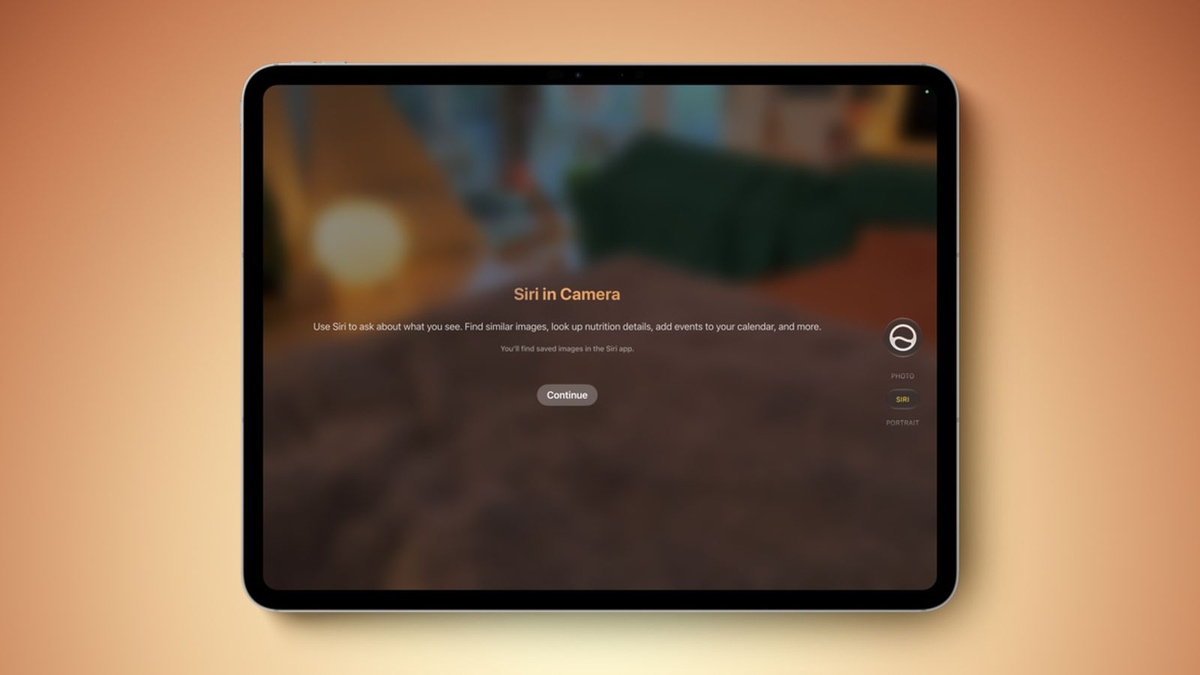
Apple has seeded the first developer beta of its upcoming tablet operating system update, bringing iPhone-exclusive camera intelligence features to large-format displays. The headline addition introduces iPadOS 27.3 Siri mode, integrating seamless Visual Intelligence functionality directly into the native tablet viewfinder.
Previously restricted to recent Pro smartphones, the new iPadOS 27.3 Siri mode expands AI-driven contextual assistance across compatible Apple Silicon tablets. Users can now analyze architectural landmarks, translate foreign text, and identify surrounding objects directly through the primary tablet imaging system.
At-a-Glance: iPadOS 27.3 Siri mode Specifications and Hardware Matrix
| Feature Parameter | iPadOS 27.3 Specification | Previous Tablet Implementation | Key User Benefit |
|---|---|---|---|
| Viewfinder Integration | Dedicated Siri tab in native Camera app | Separate system search or Siri shortcuts | Zero-latency access to visual queries directly from shutter screen |
| Apple Pencil Interaction | Interactive circling on frozen viewfinders | Basic screenshot markup without AI analysis | Pinpoint object selection for targeted machine learning evaluation |
| Silicon Compatibility | M1 through M4, A17 Pro, and A20 Pro | Limited subset of multimodal AI tools | Extends modern visual computing across Pro, Air, and mini lineups |
| Processing Architecture | On-Device Neural Engine plus Private Cloud | Server-dependent image processing | Ensures enterprise-grade privacy and rapid offline recognition |
| System Multitasking | Direct drag-and-drop to Notes and Freeform | Manual copy-paste of extracted data | Accelerates academic research, drafting, and creative workflows |
| Software Availability | Developer beta active; public launch Dec 2026 | iOS 27 smartphone exclusive | Brings iPadOS 27.3 Siri mode parity across the entire Apple device ecosystem |
Table of Contents
1. Viewfinder Interface Architecture: Native Siri Tab in the Camera App
The primary architectural breakthrough in this update centers around streamlining visual queries directly within the default imaging interface. With iPadOS 27.3 Siri mode, users no longer need to navigate through separate system overlays or launch secondary utility applications to engage visual computing models.
Instead, opening the standard Camera application reveals an intuitive dedicated tab positioned directly alongside traditional Photo, Video, and Portrait capture modes. Swiping into this dedicated interface immediately reconfigures the preview viewfinder into an active optical scanner backed by Apple Intelligence.
When framing an object, the viewfinder dynamically highlights points of interest using subtle on-screen bounding geometry and ambient glow effects. Activating iPadOS 27.3 Siri mode allows the system to analyze focal subjects in real time without capturing unnecessary static image files to local storage.
According to coverage from MacRumors, this implementation mirror-matches the intuitive camera control experience introduced on modern iPhone flagships. Transitioning between still photography and contextual queries is now instantaneous across all compatible tablet form factors.
By embedding visual machine learning models directly into the main shutter interface, Apple eliminates friction during everyday research and creative workflows. This refined camera intelligence transforms the tablet camera from a basic lens into an intelligent perceptual interface.
2. Apple Silicon Chipset Requirements: M1 Through M4 and A-Series Chips
Hardware compatibility for the new visual computing suite requires robust computational throughput delivered by Apple Silicon architecture. Running iPadOS 27.3 Siri mode demands accelerated on-device neural processing to evaluate visual telemetry without inducing latency in the active camera stream.
Apple has confirmed support for all iPad Pro and iPad Air models equipped with the Apple M1 processor or newer. Power users deploying hardware highlighted in our Apple M4 architecture analysis benefit from extensive hardware neural engines capable of running on-device models.
In addition to M-series tablets, Apple extends compatibility to compact form factors, including recent iPad mini generations powered by A17 Pro and A20 Pro silicon. This comprehensive hardware matrix ensures that portable tablets gain the complete feature set of iPadOS 27.3 Siri mode.
Older base-tier iPads powered by legacy A-series processors lack the necessary sixteen-core neural engine bandwidth and unified system memory. Consequently, those budget models cannot initialize the feature, ensuring system responsiveness and battery longevity remain uncompromised across older battery packs.
By targeting devices with at least eight gigabytes of unified system memory, Apple guarantees consistent machine learning execution speeds. The rigorous hardware cutoff ensures that supported models deliver fluid sixty-frame viewfinder responsiveness while executing complex multimodal recognition models.
3. Apple Pencil Interaction: Live Object Circling and Multimodal Queries
While the iPhone relies heavily on physical camera controls, the iPad implementation introduces exclusive advantages through digital stylus input. When testing iPadOS 27.3 Siri mode, creators can capture or freeze a visual scene and immediately interact using an Apple Pencil.
Users can sketch a precise circle around any focal object, handwritten formula, or botanical specimen directly on the high-resolution display. The intuitive stylus integration immediately isolates the enclosed area, passing the cropped visual tokens directly into local neural networks.
This tactile stylus interaction makes visual information retrieval remarkably faster than standard smartphone tap-to-focus controls. Pairing precision Apple Pencil hardware with iPadOS 27.3 Siri mode bridges the gap between field research, creative sketching, and academic cataloging.
Academic researchers and students can quickly circle complex mathematical diagrams in physical textbooks to receive step-by-step analytical breakdowns. The multi-touch precision of tablet displays demonstrates how large canvas form factors unlock superior multimodal utility compared to pocket devices.
Furthermore, annotations and extracted metadata can be dragged instantly into split-screen multitasking environments such as Apple Notes or Freeform. The deep operating system synergy within iPadOS 27.3 Siri mode redefines everyday productivity for educational and enterprise users alike.
4. Visual Intelligence Performance: On-Device Neural Engine Acceleration
Behind the glass, visual parsing operates through a hybrid machine learning pipeline optimized for energy-efficient on-device execution. Initial subject segmentation in iPadOS 27.3 Siri mode runs locally on the multi-core neural engine, guaranteeing rapid responsiveness and complete user privacy.
For basic queries like barcode recognition, plant species identification, and optical text translation, processing completes on-device without network transmission. This local processing speed ensures the system delivers instant answers even when working in remote field environments without wireless connectivity.
When queries require expansive world knowledge or complex multi-step reasoning, the camera interface seamlessly connects with Private Cloud Compute infrastructure. This hybrid compute strategy ensures iPadOS 27.3 Siri mode matches the depth of dedicated server clusters while safeguarding personal image data.
Similar silicon performance leaps are transforming modern computing and gaming, as seen with the AMD Ryzen 7 9800X3D gaming processor benchmarks. In mobile silicon, high-bandwidth unified memory empowers processors to handle high-resolution camera feeds without thermal throttling.
Enterprise security protocols also prevent third-party telemetry harvesting during live camera scans, complying with stringent corporate compliance standards. Deploying iPadOS 27.3 Siri mode across enterprise tablet fleets provides dependable analytical tooling without exposing sensitive corporate assets to external servers.
Generational iPad Hardware Support and Visual Intelligence Matrix
| iPad Hardware Family | Supported Silicon Chips | Unified Memory Tier | Feature Support Tier | Primary Workflow Focus |
|---|---|---|---|---|
| iPad Pro (11-inch & 13-inch) | Apple M1, M2, and M4 processors | 8GB to 16GB Unified RAM | Full Support with Pencil Circling | Professional creative, CAD, and studio field workflows |
| iPad Air (11-inch & 13-inch) | Apple M1 and M2 processors | 8GB Unified RAM | Full Support with Pencil Circling | Academic research, productivity, and document indexing |
| iPad mini (Compact Lineup) | Apple A17 Pro and A20 Pro silicon | 8GB Unified RAM | Full Support with Pencil Circling | Ultra-portable field inspections and outdoor botany indexing |
| Base iPad (10th Gen & Prior) | Apple A14 Bionic and older | 4GB Unified RAM | Unsupported (Lacks NPU bandwidth) | Standard photo capture without real-time visual neural scanning |
| Apple Intelligence Cloud | Private Cloud Compute clusters | High-Performance Cloud Compute | Full Hybrid Integration | Complex multi-step reasoning and deep contextual world queries |
5. Beta Rollout Timeline and Ecosystem Impact: December Release Window
The initial deployment of this camera interface update is currently available to registered developers enrolled in the Apple Developer Program. Software engineers can now test iPadOS 27.3 Siri mode across beta software builds ahead of the broader consumer rollout.
Apple plans to seed a public beta release in the coming weeks, followed by an official global release scheduled for December 2026. This release calendar aligns with historical holiday updates, positioning the camera intelligence suite as a primary marketing feature for new tablet purchases.
Third-party developers will gain access to specialized camera framework APIs, enabling external applications to leverage native visual intelligence routines. Integrating specialized tools with iPadOS 27.3 Siri mode will foster a new generation of augmented reality, educational, and e-commerce applications.
Meanwhile, users preparing their hardware configurations should review memory requirements, similar to guidelines in our operating system retirement guide. Keeping tablet firmware updated ensures seamless compatibility when the software update reaches stable production builds.
As Apple continues refining its multimodal machine learning ecosystem, unifying camera intelligence across smartphones and tablets marks a crucial milestone. The versatile implementation in iPadOS 27.3 Siri mode proves that purpose-built operating systems significantly amplify tablet hardware capabilities.
Frequently Asked Questions
What is the new iPadOS 27.3 Siri mode feature?
The new camera intelligence update adds a dedicated viewfinder tab to the iPad Camera app, enabling users to access Apple Visual Intelligence tools for instant object, text, and scene analysis.
Which iPad models support iPadOS 27.3 Siri mode?
Compatible hardware includes iPad Pro and iPad Air tablets powered by the Apple M1 processor or newer, alongside iPad mini models equipped with A17 Pro and A20 Pro silicon chips.
How does the Apple Pencil interact with the camera interface?
Users can freeze or capture a camera frame and circle specific items using an Apple Pencil, allowing the visual intelligence engine to isolate and analyze selected subjects with pinpoint precision.
When will iPadOS 27.3 Siri mode release to the public?
The feature is currently available in developer beta builds and is scheduled for an official worldwide public release across supported tablets in December 2026.
Does visual intelligence require an active internet connection?
Basic text recognition, object identification, and translation process locally on-device. Advanced queries utilize Private Cloud Compute while maintaining privacy standards throughout the camera intelligence workflow.
Final Verdict: A Major Productivity Leap for Apple Tablets
The arrival of iPadOS 27.3 Siri mode bridges a long-standing gap between iPhone camera convenience and iPad productivity canvas. By integrating contextual intelligence directly into the native viewfinder, Apple delivers a streamlined visual search tool for creators, professionals, and students.
Combining Apple Pencil precision circling with rapid on-device neural processing elevates the tablet beyond traditional mobile photography. Whether analyzing architectural monuments or translating foreign texts, the camera tool showcases the true practical potential of everyday artificial intelligence.
With the official public rollout slated for December 2026, Apple Silicon tablet owners have an exceptional software upgrade on the horizon. Adopting iPadOS 27.3 Siri mode establishes a powerful benchmark for multimodal computing across modern personal devices.
