


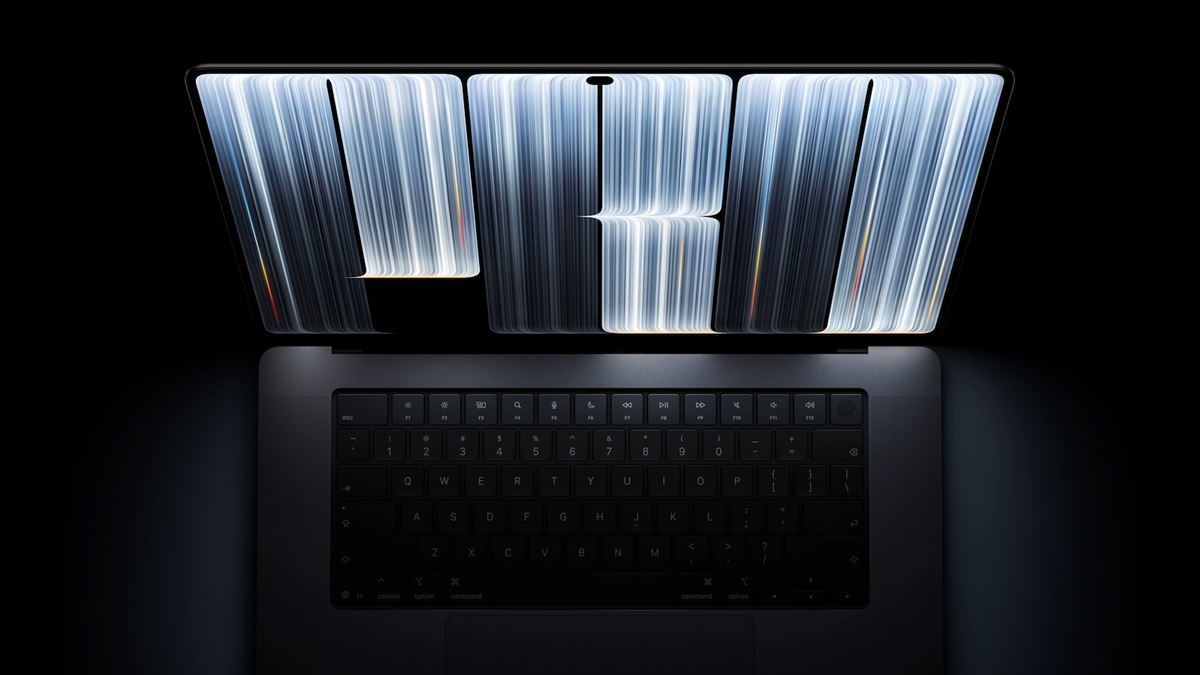
Apple is accelerating research into high-mobility oxide backplanes to refine its next-generation laptop displays, uncovering critical manufacturing efficiencies for future MacBook Pro OLED Tech while slashing capital costs across its global supply chain.
According to industry reporting from MacRumors and Korean publication The Elec, analyzing next-gen MacBook Pro OLED Tech reveals Apple’s ambition to expand oxide panels beyond flagship models to lower retail prices.
At-a-Glance Hardware Breakdown: Confirmed Specifications & Display Modes
Before analyzing individual manufacturing steps, our technical breakdown compares current mini-LED Liquid Retina XDR panels against next-generation MacBook Pro OLED Tech across resolution, refresh behavior, peak brightness, and pixel response times.
The comparative matrix below outlines crucial engineering specifications confirmed by display industry analyst Ross Young, contrasting current backplane architectures with high-mobility oxide enhancements designed for upcoming portable Apple workstations.
| Hardware Specification | Current Mini-LED Liquid Retina XDR | Next-Gen Tandem OLED (HMO Backplane) | Manufacturing Process Shift | Architectural Creator Benefit |
|---|---|---|---|---|
| Panel Architecture | IPS LCD with 2,500+ Mini-LED Dimming Zones | Self-Emissive Tandem Two-Stack OLED | Dual-layer organic vapor deposition | Absolute zero haloing and true pixel-level blacks |
| Backplane Technology | Low-Temperature Polycrystalline Silicon (LTPS) | High-Mobility Oxide (HMO / IGZO) | Optimized physical sputtering & ALD gating | Higher electron mobility and negligible leakage current |
| Peak Full-Screen Brightness | 1,000 Nits Full Screen / 1,600 Nits HDR Peak | 1,000 Nits Full Screen / 1,600 Nits HDR Peak | Two-stack tandem series excitation | Extended panel lifespan with half the electrical stress |
| Pixel Response Time | ~35ms Gray-to-Gray Liquid Crystal Transition | < 0.1ms Instantaneous Diode Switching | Solid-state subpixel emission | Zero motion smear during fast timeline navigation |
| Touch Input Integration | Unsupported (Rigid Glass Cover) | Integrated On-Cell Touch Matrix | Direct glass sensor patterning | Natural macOS gesture navigation with anti-wobble hinge |
As summarized in the benchmark comparison above, adopting oxide thin-film transistors delivers significant performance leaps over traditional amorphous silicon, offering faster electron mobility alongside dramatically reduced parasitic capacitance across large panels.
By scaling commercial production of advanced MacBook Pro OLED Tech, Apple and its fabrication partners intend to eliminate existing yield bottlenecks while preserving extreme dynamic range color reproduction for professional creators.
Table of Contents
Display engineering for MacBook Pro OLED Tech represents one of the most capital-intensive sectors in modern consumer electronics, demanding multi-billion-dollar fabrication investments to achieve viable commercial yields on high-density glass substrates.
Just as desktop compute density took a massive generational leap in our Apple M4 Mac mini redesign analysis, portable computing demands equally radical breakthroughs in display efficiency.
Similarly, while modern gaming silicon breaks efficiency records in our AMD Ryzen 7 9800X3D hardware evaluation, workstation laptops require self-emissive display architectures that do not compromise battery endurance.
Furthermore, as enterprise systems migrate away from legacy operating environments following Nvidia ending Windows 10 support, professional creatives increasingly prioritize durable hardware investments featuring state-of-the-art MacBook Pro OLED Tech displays.
1. High-Mobility Oxide Backplanes: Redefining Thin-Film Transistor Speeds
At the heart of next-generation MacBook Pro OLED Tech lies high-mobility oxide thin-film transistor technology, a sophisticated semiconductor foundation that enables electron movement significantly faster than conventional amorphous silicon backplanes.
Higher electron mobility within MacBook Pro OLED Tech allows engineers to design smaller driving transistors behind each subpixel, substantially increasing display aperture ratios and light transmission while curbing active thermal dissipation.
According to display analyst Ross Young, Apple already deploys early iterations of this oxide architecture within specialized touchscreen prototypes, proving that MacBook Pro OLED Tech can sustain rapid input polling without visual degradation.
By optimizing indium gallium zinc oxide compositions, fabrication facilities can achieve stable electrical characteristics across larger glass generations, eliminating the notorious mura artifacts and luminance drift that historically plagued early oxide panels.
Furthermore, high-mobility backplanes support dynamic variable refresh rates extending down to single-digit hertz frequencies, dramatically reducing static desktop power consumption during text editing and color grading sessions.
This electronic agility ensures that upcoming professional notebooks maintain blistering twelve-hundred-hertz touch sampling alongside fluid ProMotion animation, marking an enormous structural upgrade for the MacBook Pro OLED Tech architecture.
2. Tandem OLED Architecture: Dual-Stack Silicon Without Blooming
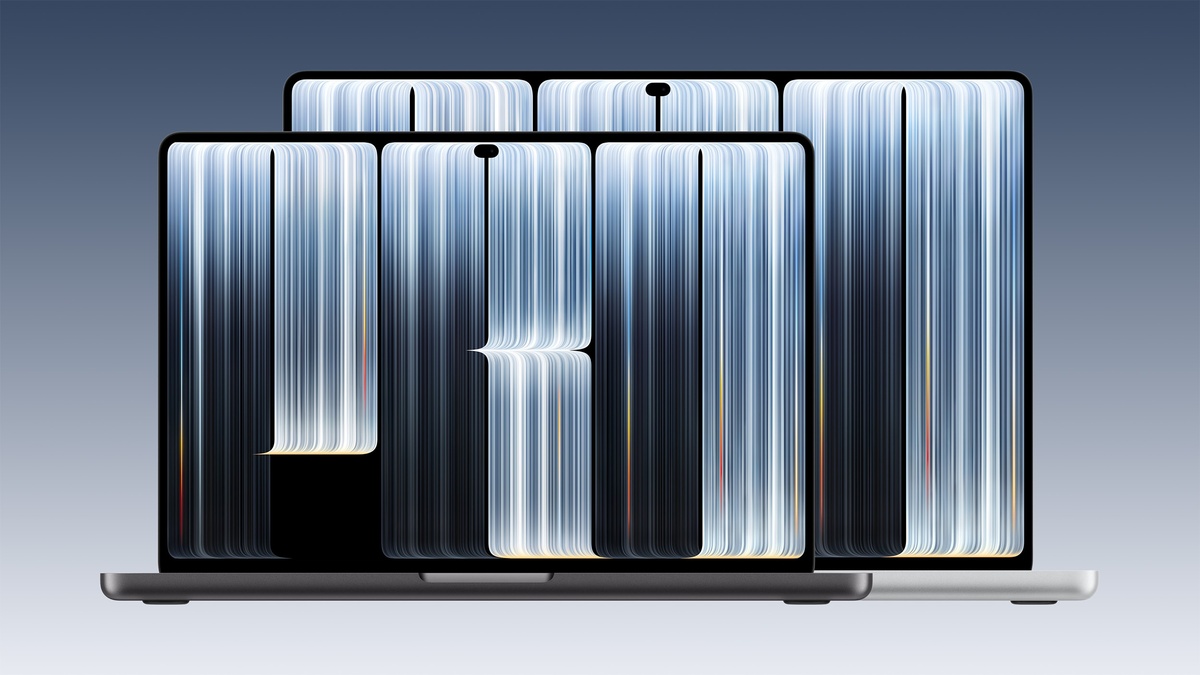
Complementing the high-mobility backplane in MacBook Pro OLED Tech is Apple’s signature tandem OLED stack, a two-tier emissive architecture that layers two distinct organic light-emitting diode stages in series to double luminance output.
By dividing electrical excitation across two tandem emission layers, MacBook Pro OLED Tech achieves extreme peak brightness levels of up to sixteen hundred nits while subjecting organic compounds to substantially lower electrical stress.
This distributed voltage dynamic directly solves long-standing burn-in risks, extending operational lifespan across intensive workstation workflows where static timeline markers, menu bars, and software docks remain visible for hours.
In addition to superior longevity, the dual-stack design utilized within MacBook Pro OLED Tech panels completely eliminates haloing and blooming artifacts that remain unavoidable on local-dimming mini-LED displays.
Creative professionals working with high-contrast video masters gain true pixel-level black levels, ensuring that specular highlights retain pinpoint precision against inky darkness without distracting backlight zone flare.
Consequently, the synergy between tandem emission chemistry and advanced oxide control positions MacBook Pro OLED Tech as the definitive visual standard for mobile digital cinema production and professional photography.
3. Sputtering and ALD Manufacturing: Scaling Yields and Lowering Production Costs
The primary bottleneck constraining widespread deployment of MacBook Pro OLED Tech across personal computers has always been manufacturing expense, where complex vacuum deposition and lithography processes yield expensive substrate scrap rates.
To overcome these financial hurdles, The Elec reports that Apple is rigorously evaluating alternative deposition methods, specifically optimizing physical vapor sputtering and atomic layer deposition pipelines.
By refining sputtering targets and deposition atmospheric pressures for MacBook Pro OLED Tech, panel fabricators like Samsung Display and LG Display can deposit uniform oxide semiconductor channels across vast Generation 8.6 mother glass sheets.
Atomic layer deposition provides angstrom-level thickness control over protective dielectric gate insulators, preventing moisture penetration and charge trapping that otherwise degrade MacBook Pro OLED Tech panel performance over extended lifespans.
Streamlining these deposition sequences reduces cycle times and equipment depreciation costs, allowing Apple to drive substantial per-unit savings while guaranteeing consistent transconductance across millions of finished displays.
These sophisticated process enhancements represent the critical commercial bridge turning high-end MacBook Pro OLED Tech from an ultra-expensive boutique curiosity into a scalable mass-market workstation reality.
4. Display Efficiency and Thermal Dynamics: Extending Battery Endurance
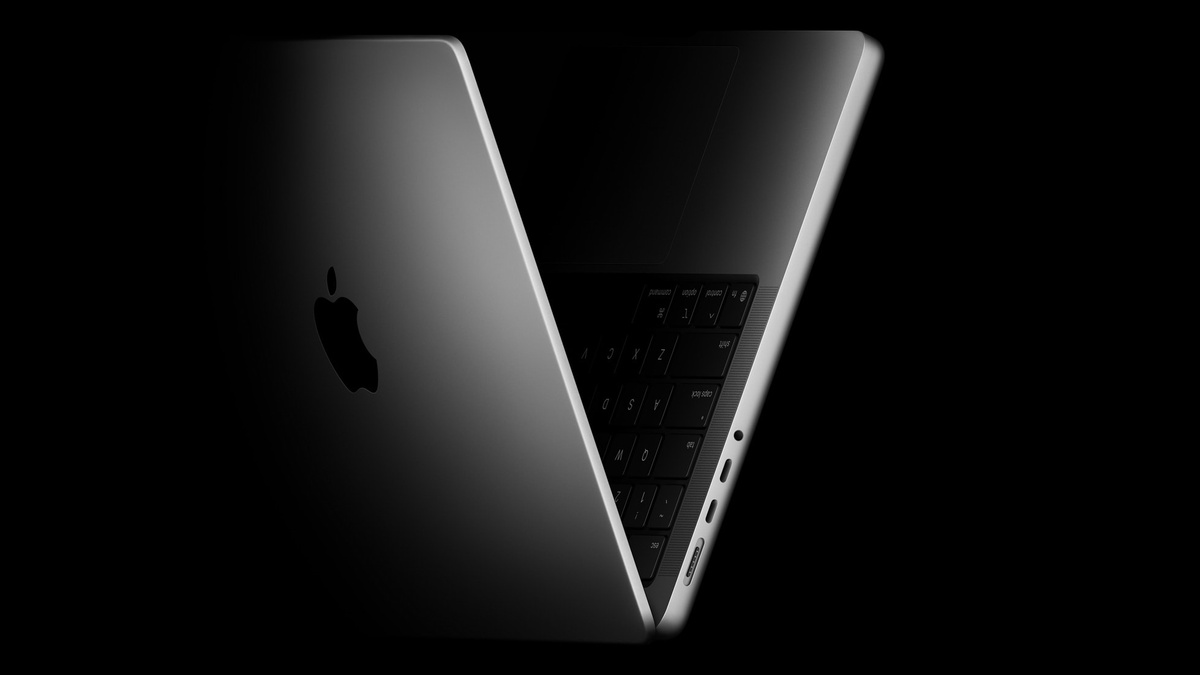
To contextualize the commercial and hardware impact of these manufacturing refinements, our technical matrix outlines generational specifications, backplane types, yield benchmarks, and projected unit pricing across Apple portables.
The comparative hardware breakdown below detailed in this MacBook Pro OLED Tech analysis highlights how process advancements transform power consumption, panel thickness, and manufacturing overhead across MacBook generations.
| Hardware Generation | Display Technology | Substrate Fabrication | Panel Power Draw (HDR Playback) | Estimated Manufacturing Cost Index |
|---|---|---|---|---|
| MacBook Pro 14 (M4 Pro) | Mini-LED Liquid Retina XDR | Gen 6 LTPS Glass Lines | ~7.8 Watts at 1,000 Nits | 100% (Baseline Mini-LED Cost) |
| MacBook Pro 16 (M4 Max) | Mini-LED Liquid Retina XDR | Gen 6 LTPS Glass Lines | ~9.2 Watts at 1,000 Nits | 120% (Large Mini-LED Matrix) |
| MacBook Pro 14 (Next-Gen) | Tandem OLED with HMO Backplane | Gen 8.6 Optimized HMO Lines | ~5.4 Watts at 1,000 Nits | 115% (Initial Pilot HMO Run) |
| MacBook Pro 16 (Next-Gen) | Tandem OLED with HMO Backplane | Gen 8.6 Optimized HMO Lines | ~6.3 Watts at 1,000 Nits | 130% (High-Yield Deposition) |
| MacBook Air (Projected) | Single/Tandem Hybrid OLED | Gen 8.6 Mass-Market Lines | ~4.1 Watts at 500 Nits | 65% (High-Volume Scale Target) |
As detailed in the hardware matrix above, transitioning to oxide-driven tandem displays yields immediate battery savings of up to thirty percent during mixed HDR content playback.
These energy reductions stem directly from lowered driving voltages and superior organic material luminescence, freeing valuable thermal headroom within slim Apple Silicon chassis designs.
Display panels represent the single largest consumer of battery reserves in high-performance laptops, frequently accounting for more than forty percent of total system power during sustained fieldwork.
By integrating high-mobility oxide backplanes, MacBook Pro OLED Tech slashes quiescent leakage current to negligible levels, enabling notebooks to sustain all-day creative sessions without performance throttling.
Lower operating temperatures also diminish thermal stress on adjacent chassis components, allowing unified M-series processors to maintain peak boost clocks during sustained rendering and code compilation passes.
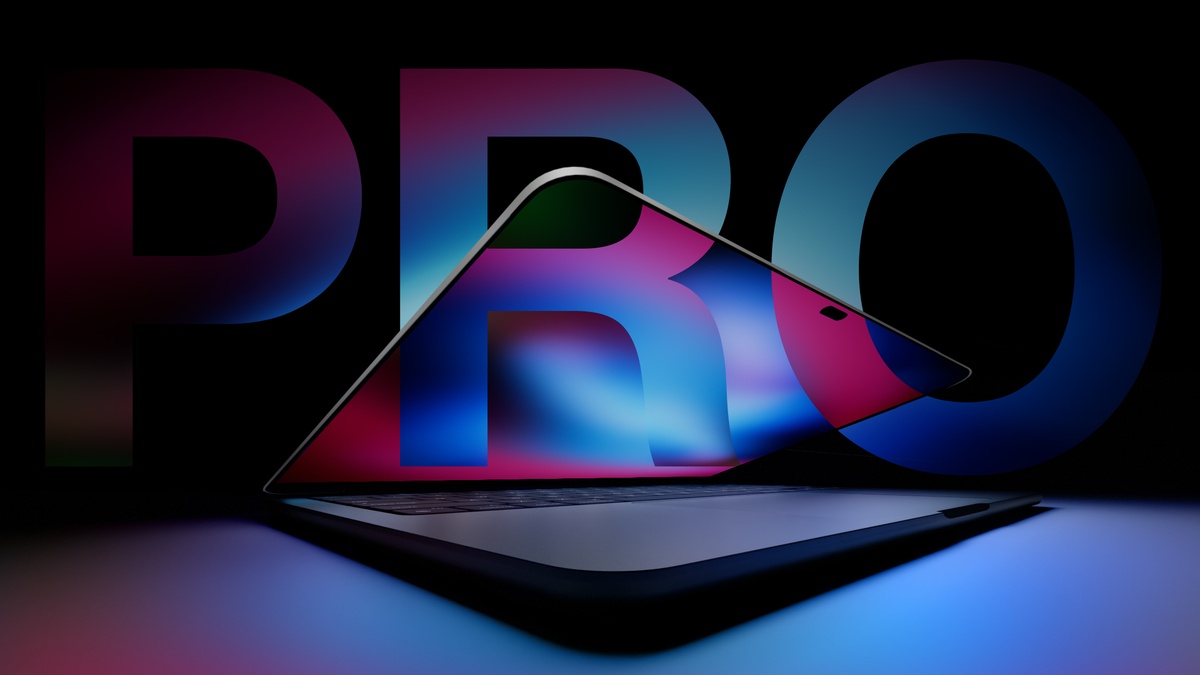
5. Mac Ecosystem Roadmap: Bringing Next-Gen OLED to MacBook Air and iPad
While high-mobility oxide innovations debut on premium Pro laptops, Apple’s broader commercial ambition involves cascading these manufacturing breakthroughs across its entire consumer hardware portfolio.
Lowering display production costs is essential for introducing next-generation MacBook Pro OLED Tech to high-volume products like the MacBook Air, which commands lower retail price ceilings.
Industry supply chain sources indicate that once Gen 8.6 fabrication lines reach maturity, Apple plans to introduce OLED panels into future iPad mini and iPad Air revisions.
Furthermore, adopting standardized oxide backplanes across multiple device categories generates immense purchasing scale, enabling Apple to negotiate aggressive volume pricing with primary display vendors.
This cohesive hardware roadmap guarantees software developers an identical color-accurate canvas across desktop, laptop, and tablet form factors, accelerating universal adoption of HDR creative applications.
Ultimately, democratizing MacBook Pro OLED Tech through advanced fabrication techniques ensures that studio-grade visual fidelity becomes an accessible standard rather than an exclusive privilege.
Frequently Asked Questions
What is high-mobility oxide backplane technology in MacBook Pro OLED displays?
High-mobility oxide backplane technology utilizes advanced indium gallium zinc oxide thin-film transistors to achieve faster electron mobility, enabling smaller drive circuitry, higher refresh rates, and superior energy efficiency in OLED panels.
Why is Apple seeking cheaper manufacturing methods for MacBook Pro OLED panels?
Apple is evaluating physical vapor sputtering and atomic layer deposition to increase manufacturing yields, reduce equipment cycle times, and significantly lower production costs across high-volume Gen 8.6 display fabrication lines.
How does tandem OLED compare to mini-LED Liquid Retina XDR screens?
Tandem OLED stacks two organic light-emitting layers to achieve sixteen hundred nits peak brightness without blooming or backlight halos, providing true pixel-level contrast and extended lifespan compared to zoned mini-LED backlights.
When will the OLED MacBook Pro launch, and will it support touch input?
Industry analysts project that the OLED MacBook Pro will debut between late 2026 and 2027, featuring custom anti-wobble hinges, ProMotion touch input support, and next-generation M-series unified silicon.
Will cheaper OLED manufacturing expand across the MacBook Air and iPad lineup?
Yes, scaling high-mobility oxide production to Gen 8.6 substrate glass significantly reduces unit costs, paving the way for Apple to introduce OLED displays to future MacBook Air and iPad models.
Final Verdict: MacBook Pro OLED Tech and the Future of Apple Silicon Displays
Apple’s determined exploration of advanced oxide backplane manufacturing marks a decisive turning point in the evolution of personal computer displays, merging pristine tandem visual quality with commercial feasibility.
By resolving critical yield constraints and lowering unit production expenditures, the upcoming MacBook Pro OLED Tech rollout will redefine professional portable computing standards while protecting consumer purchasing budgets.
As Apple Silicon continues to push performance boundaries, pairing revolutionary compute architectures with accessible tandem OLED displays cements the Mac notebook ecosystem as an unmatched platform for creators worldwide.
