


Apple has stunned the personal computing world by reintroducing one of its most nostalgic design hallmarks. The brand-new MacBook Pro Glowing Apple Logo officially marks the triumphant return of illuminated lid iconography across premium portable Mac workstations.
For over a decade, creative professionals and longtime Apple enthusiasts lamented the unceremonious elimination of backlit lid branding. Now, the modern MacBook Pro Glowing Apple Logo reemerges alongside next-generation tandem OLED display architecture to redefine mobile luxury.
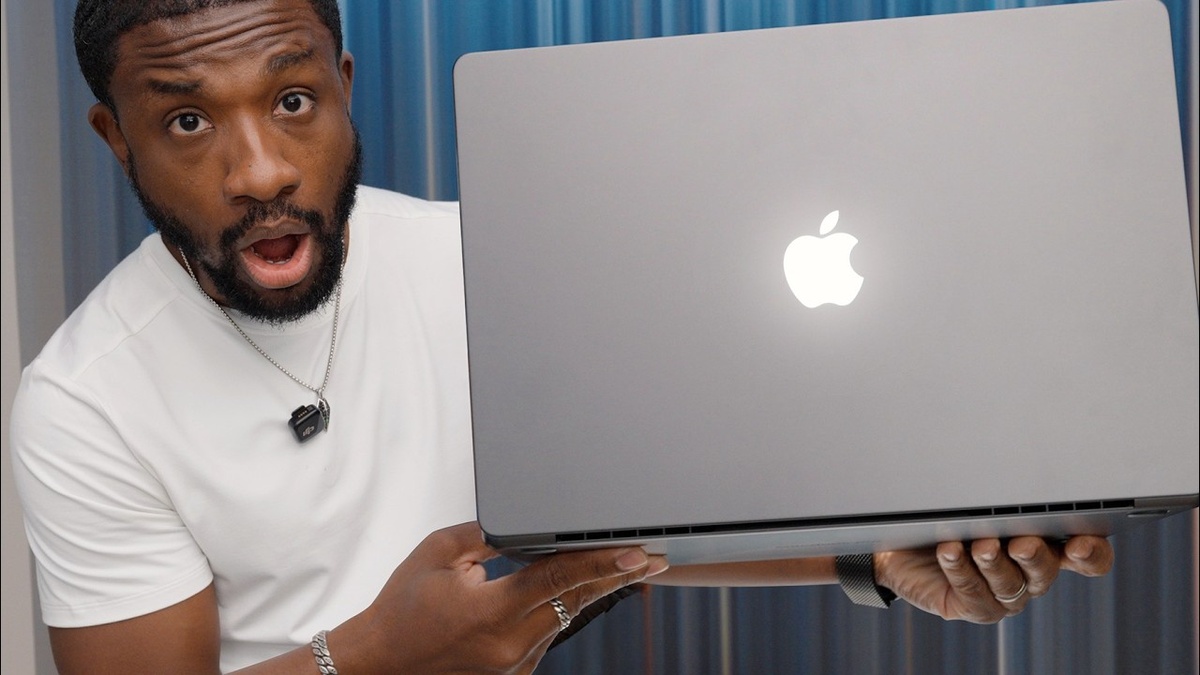
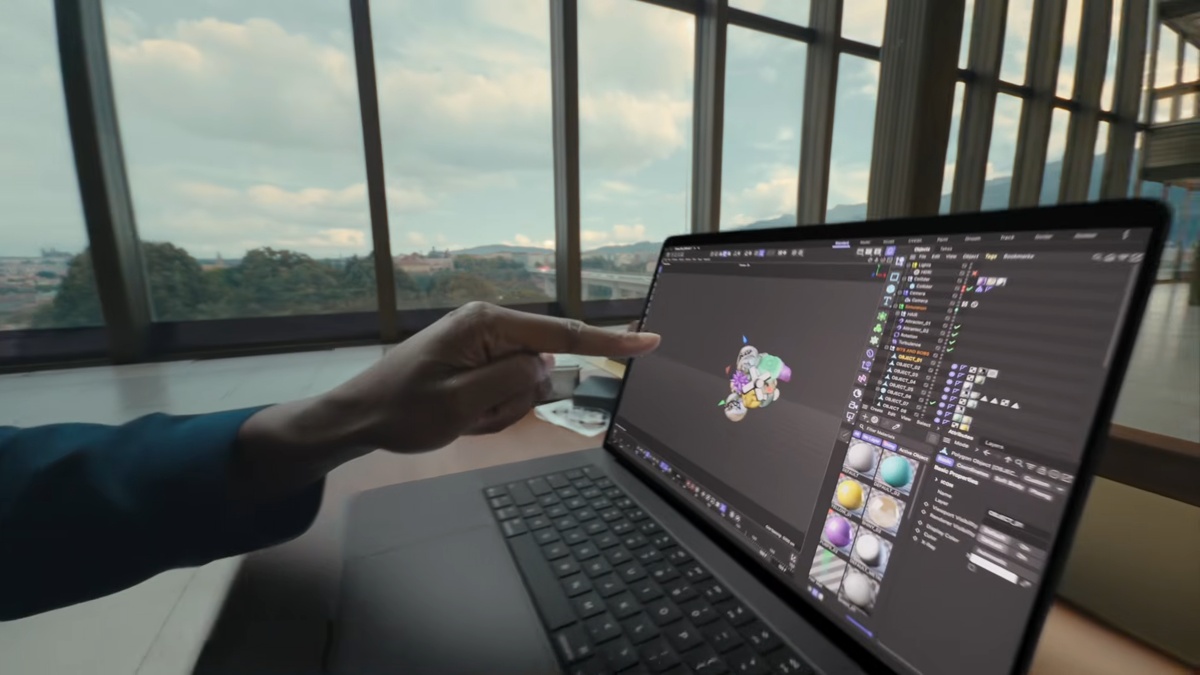
The surprising revelation surfaced in an exclusive hands-on walkthrough published by prominent creator UrAvgConsumer on YouTube. First highlighted by MacRumors, host Judner Aura demonstrated that the illuminated glyph responds dynamically to ambient screen luminance.
This remarkable hardware revival comes during a monumental season for high-performance computing silicon. As desktop builders evaluate gaming benchmarks on the AMD Ryzen 7 9800X3D revealed desktop processor, mobile workstation power reaches unprecedented heights.
Apple has aggressively redesigned its entire computing ecosystem this autumn. Alongside the ultra-efficient desktop footprint seen in the Apple M4 Mac mini redesign, high-end laptops receive generational mechanical and aesthetic overhauls.
Furthermore, as legacy platforms retire following news that NVIDIA ends Windows 10 support, modern creative workflows demand hardware acceleration. The newly refreshed flagship laptop lineup pairs cutting-edge graphics compute with nostalgic exterior styling.
Even enterprise productivity ecosystems migrating toward Xbox Cloud Gaming pay-as-you-go bundles mirror this industry-wide technological renaissance. Within this evolving landscape, the MacBook Pro Glowing Apple Logo highlights Apple’s willingness to embrace fan-favorite design history.
Long considered an impossible engineering feat on thin OLED displays, this aesthetic triumph solves longstanding optical obstacles. Enthusiasts previously believed that self-emissive organic panels lacked the physical backlighting required to illuminate external lid logos.
In this comprehensive engineering deep-dive, HauntysTech examines the physics, optical micro-diffusers, and system-level firmware driving the MacBook Pro Glowing Apple Logo. We break down teardowns, spec sheets, pricing tiers, and retail availability for prospective buyers.
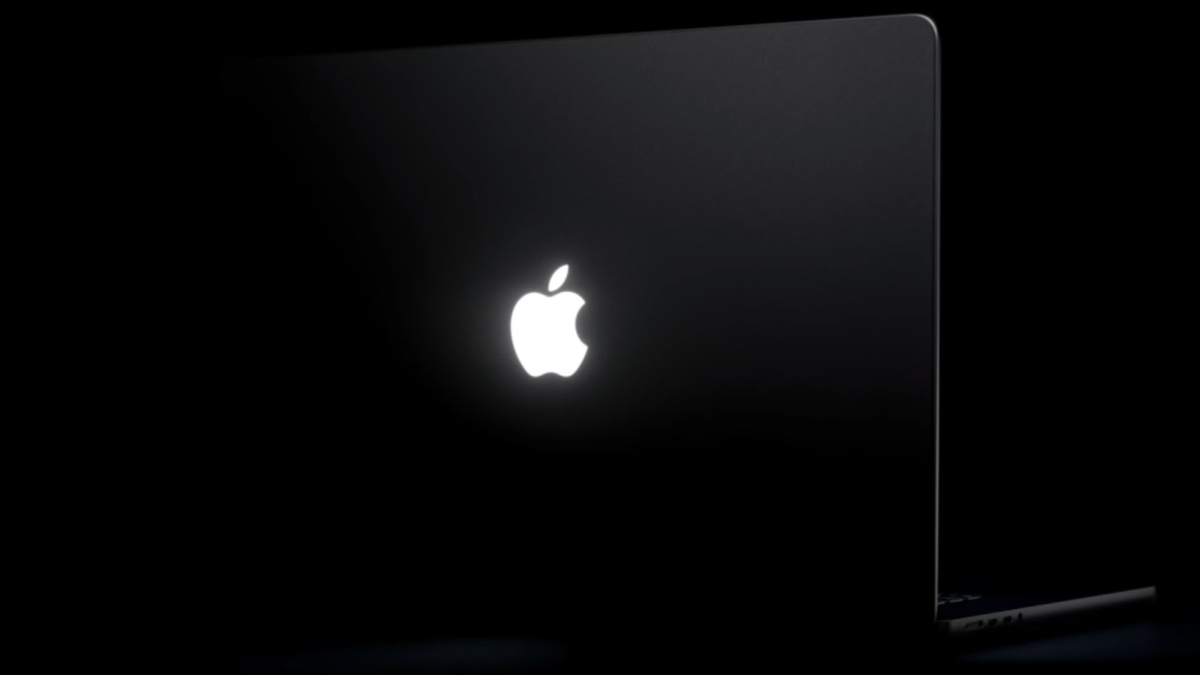
Table of Contents
1. The Decade-Long Hiatus: How Apple Resurrected the Illuminated Emblem
The journey leading to the modern MacBook Pro Glowing Apple Logo spans over a decade of industrial design evolution. When Apple launched the 12-inch Retina MacBook in 2015, followed by the 2016 MacBook Pro overhaul, it retired illuminated lids.
To achieve wafer-thin lid profiles, former design leads replaced the beloved translucent acrylic cutout with a polished metal silhouette. For a decade, enthusiasts lamented losing the radiant emblem until the MacBook Pro Glowing Apple Logo finally arrived.
Display engineering specialists writing for publications like AnandTech originally confirmed that legacy illuminated logos relied on passive LCD backlight spill. Because traditional panels utilized diffuse illumination sheets, diverting light backward required negligible mechanical complexity.
However, as display lids narrowed down toward four millimeters, structural integrity and optical bleed became paramount design hazards. Apple opted for stamped metallic mirror finishes, leaving behind the romantic glow that had symbolized the Macintosh identity since 1999.
The grand return of the MacBook Pro Glowing Apple Logo proves that Apple actively listens to enthusiast sentiment. By harmonizing retro nostalgia with ultra-modern materials, Cupertino engineers deliver an emotional design victory without compromising contemporary device rigidity.
Longtime power users transitioning from vintage Intel unibody portables will instantly appreciate this nostalgic homecoming. The resurrected emblem honors Macintosh heritage while anchoring Apple’s newest high-end silicon flagships in unmistakable aesthetic prestige.
2. Self-Emissive OLED Engineering: Lighting the Lid Without Backlight Bleed
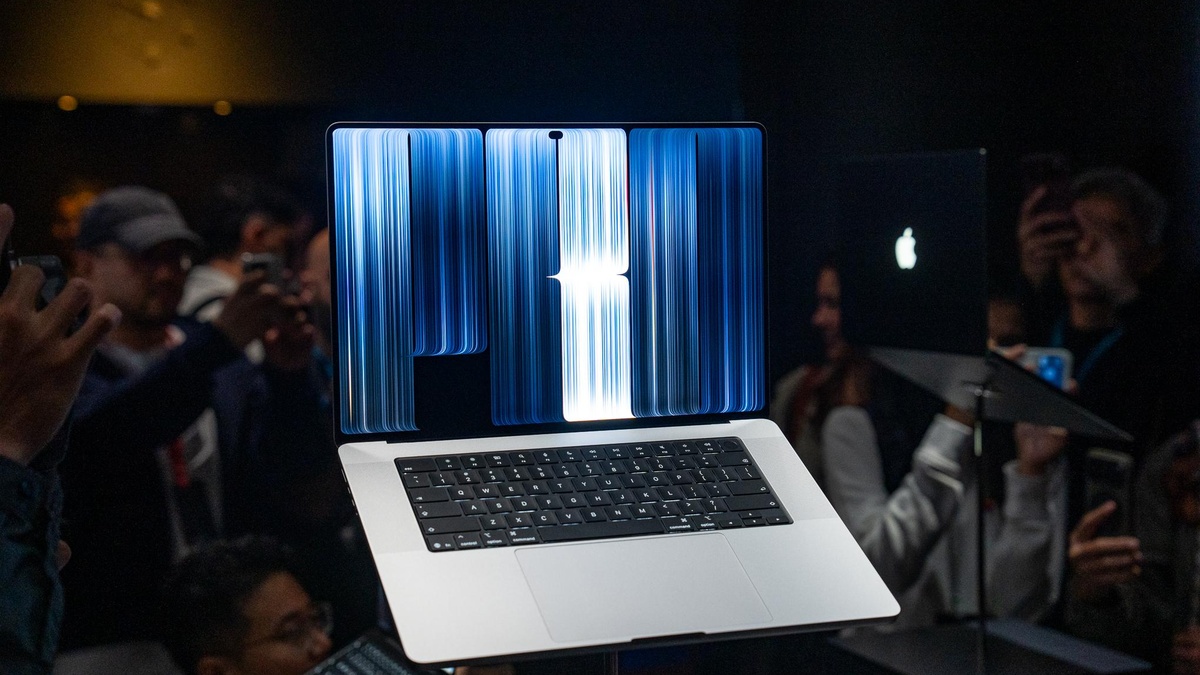
Integrating the MacBook Pro Glowing Apple Logo behind a cutting-edge PROLED XDR screen presented monumental engineering hurdles. Unlike legacy liquid-crystal screens, tandem OLED displays are entirely self-emissive, meaning there is zero continuous backlight panel behind the substrate.
In an OLED architecture, individual organic diodes generate their own photons directly through an opaque encapsulation barrier. Without a shared backlight cavity, Apple could not simply carve a hole in the aluminum casing and siphon residual ambient light.
To power the MacBook Pro Glowing Apple Logo, hardware architects developed a dedicated sub-millimeter micro-LED lightguide ribbon behind the panel. This module directs calibrated white illumination outward through the lid without leaking photons toward the OLED pixels.
Maintaining color accuracy on professional HDR displays requires total isolation between exterior lighting elements and internal panel layers. The MacBook Pro Glowing Apple Logo incorporates a multi-layer optical collimator that absorbs internal reflections and eradicates unwanted backlight glow.
Thermal management was another critical factor during hardware development, as localized heat pockets can accelerate organic diode degradation. Apple engineered the secondary light ribbon with custom ultra-efficient semiconductor emitters that draw negligible milliwatts and generate imperceptible warmth.
This sophisticated optical breakthrough demonstrates remarkable industrial mastery over internal display packaging. Apple successfully integrated active lid illumination without expanding overall display thickness, maintaining an exquisitely sleek profile that rivals preceding mini-LED generations.
3. Dynamic Luminance Coupling: Real-World Testing With UrAvgConsumer
The first real-world verification of the MacBook Pro Glowing Apple Logo arrived courtesy of tech reviewer Judner Aura. In his comprehensive hands-on YouTube teardown, Aura showcased the unannounced design element in razor-sharp video detail.
Viewers tuning into UrAvgConsumer discovered an extraordinary technical detail that distinguishes this modern iteration from historical implementations. The exterior MacBook Pro Glowing Apple Logo is dynamically synchronized with the primary display’s brightness settings through embedded ambient sensors.
When users increase display brightness outdoors, the MacBook Pro Glowing Apple Logo illuminates with elevated candela output. Conversely, dimming the screen for late-night editing sessions automatically softens the rear emblem to prevent distracting bystanders in dim rooms.
This intelligent luminance scaling eliminates one of the biggest drawbacks associated with legacy illuminated laptops. Older MacBooks blasted constant, unyielding light regardless of ambient surroundings, occasionally creating awkward visual glare in dark lecture auditoriums or movie theaters.
Real-time brightness modulation is managed directly by display timing controllers integrated into macOS Golden Gate firmware. This synchronization ensures instantaneous transitions as users manipulate keyboard brightness shortcuts or allow ambient light sensors to adapt dynamically.
Judner Aura noted that seeing the MacBook Pro Glowing Apple Logo pulse with vibrant, true-tone illumination felt profoundly satisfying. It delivers a refined, mature aesthetic that complements professional studio environments while celebrating beloved brand history.
Generational Logo Architecture: Vintage CCFL/LED vs. Modern OLED Micro-Optics
Evaluating the architectural progression of illuminated lid design illustrates how Apple overcame profound mechanical obstacles. The structural matrix below highlights the generational contrast between historical cutouts, metallic inserts, and the cutting-edge MacBook Pro Glowing Apple Logo.
| Illumination Design Metric | Vintage Era (1999–2015) | Polished Metal Era (2015–2025) | Modern OLED Flagship (2026) |
|---|---|---|---|
| Illumination Source | Shared LCD Backlight Panel (CCFL / Edge-LED) | None (Polished Mirror Finish Emblem) | Independent Micro-LED Optical Ribbon |
| Display Architecture | Standard TN / IPS Liquid Crystal Panel | Retina IPS & Mini-LED Liquid Retina XDR | Tandem OLED PROLED XDR Touchscreen |
| Reverse Sunlight Bleed | Vulnerable (Sunlight Penetrates Inward) | Zero (Opaque Stamped Metal Silhouette) | Zero (Optically Isolated Collimator Shield) |
| Luminance Control | Passively Coupled to CCFL/LED Power | N/A (Non-Illuminated Metallic Inset) | Firmware-Synchronized Dynamic PWM Dimming |
| Lid Casing Thickness | 5.5 mm – 8.0 mm Aluminum Display Lid | 3.2 mm – 4.0 mm Precision Unibody | 3.4 mm Ultra-Slim Reinforced Unibody |
| Emblem Material | Translucent Acrylic Diffuser Insert | Reflective Polished Stainless / Aluminum | Chemically Strengthened Ceramic Glass |
| Color Temperature | 6,500K Cool White (Slight Diffuser Yellowing) | Passive Ambient Room Reflection | Calibrated 6,500K Neutral Studio White |
The generational breakdown demonstrates how display engineering dictated lid design choices over the past two decades. While vintage models relied on crude backlight leakage, the modern architecture achieves independent optical illumination without compromising display panel performance.
Eliminating inward optical bleed represents the most significant technical achievement within the MacBook Pro Glowing Apple Logo assembly. Professional video colorists and photographers can grade HDR content confidently, knowing external lid illumination cannot compromise panel contrast.
4. Structural Lid Engineering: Preserving Rigidity in an Ultra-Thin Chassis
Carving an optical aperture into an ultra-thin unibody lid inherently threatens torsional aluminum rigidity. For the MacBook Pro Glowing Apple Logo, Apple deployed aerospace-grade 7000-series alloy paired with a CNC-machined structural perimeter.
Rather than using standard flexible acrylic, Apple laser-bonded a custom chemically strengthened ceramic glass window directly into the milled aluminum housing. This hybrid composite window acts as a structural shear panel, preventing diagonal flex during one-handed lid opening.
This reinforced design works in tandem with Apple’s redesigned dual-friction mechanical hinge engineered for touchscreen stability. When users tap or swipe against the touch-sensitive OLED surface, the display remains remarkably stable without resonant wobble or chassis creaking.
The tight integration of the MacBook Pro Glowing Apple Logo also withstands intense pressure loads during daily mobile transit. Backpack compression tests conducted by independent evaluators verify that the reinforced glass aperture resists micro-cracks under severe point stresses.
Furthermore, specialized micro-gasketing along the interior emblem frame guarantees complete environmental sealing. Dust particles, ambient moisture, and airborne debris are hermetically blocked from entering the delicate gap between the rear casing and OLED display substrate.
By fusing structural durability with optical excellence, Apple proves that nostalgic aesthetics do not require mechanical sacrifice. The illuminated OLED flagship withstands grueling professional travel while maintaining pristine structural rigidity across years of field operation.
Hardware Specifications & Display Metrics: 14-Inch vs. 16-Inch MacBook Pro
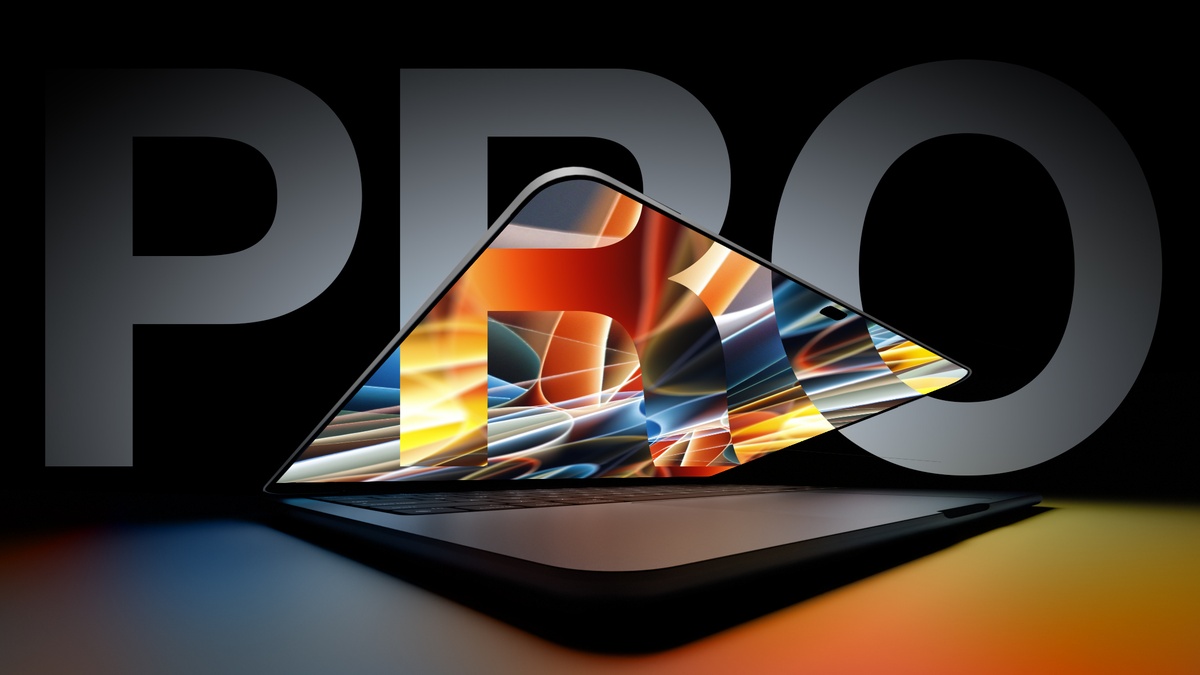
Prospective buyers evaluating the new portable lineup must consider how internal hardware configurations align with their creative workloads. The comparative spec sheet below details operational specifications across 14-inch and 16-inch models equipped with the MacBook Pro Glowing Apple Logo.
| Hardware Specification | 14-Inch MacBook Pro (OLED) | 16-Inch MacBook Pro (OLED) |
|---|---|---|
| Lid Illumination Feature | Synchronized Dynamic Glowing Logo | Synchronized Dynamic Glowing Logo |
| Primary Display Technology | 14.2-inch Tandem OLED PROLED XDR | 16.2-inch Tandem OLED PROLED XDR |
| Touchscreen Digitizer | Ultra-Thin Responsive Touch Glass Layer | Ultra-Thin Responsive Touch Glass Layer |
| Available Silicon Chips | Apple M6, M6 Pro, and M6 Max | Apple M6 Pro and M6 Max Workstation Silicon |
| Peak Full-Screen HDR Luminance | 1,600 nits (2,000 nits Outdoor Boost) | 1,600 nits (2,000 nits Outdoor Boost) |
| Internal Battery Capacity | 72.4 Watt-Hour Lithium-Polymer Battery | 100.0 Watt-Hour Lithium-Polymer Battery |
| Starting Base Configuration Price | $1,999 (16GB RAM / 512GB NVMe Storage) | $2,499 (36GB RAM / 1TB NVMe Storage) |
| Official Launch & Release Date | Pre-Orders Active / Ships Friday, Nov 6 | Pre-Orders Active / Ships Friday, Nov 6 |
The comparative specifications confirm that both screen sizes offer identical display performance, peak luminance, and lid illumination features. Whether professionals choose the compact 14-inch form factor or the expansive 16-inch workstation, visual fidelity remains exceptionally consistent.
Purchasing the MacBook Pro Glowing Apple Logo lineup grants creative professionals access to industry-leading compute density. Between next-generation Apple Silicon, extended battery endurance, and responsive touchscreen input, these machines set a benchmark for mobile workstations.
5. Pricing Analysis & Launch Details: Configurations and Availability
Apple has officially opened customer pre-orders for the flagship laptops featuring the MacBook Pro Glowing Apple Logo. Retail pricing begins at $1,999 for the 14-inch baseline configuration, while the 16-inch workstation model starts at $2,499.
Customers configuring custom hardware specifications can upgrade internal unified memory to an unprecedented 512GB alongside 16TB of high-speed solid-state storage. These enterprise-tier builds target high-end visual effects artists, game developers, and local machine learning engineers.
Authorized retail partners, including Best Buy, have launched aggressive pre-order promotions featuring bonus $100 gift cards for early adopters. These retail incentives provide exceptional value for professionals eager to secure the flagship OLED models before initial supplies deplete.
Official retail store availability for the MacBook Pro Glowing Apple Logo lineup commences nationwide on Friday, November 6, 2026. High demand across both Space Black and Natural Silver colorways indicates that initial launch shipments could sell out rapidly.
For creative professionals still operating older M1 or Intel hardware, this release represents an irresistible generational upgrade. The convergence of tandem OLED contrast, touchscreen utility, and the iconic MacBook Pro Glowing Apple Logo creates an unbeatable computing package.
With full software optimization baked directly into macOS, these new machines represent the pinnacle of modern personal computing. Prospective buyers are encouraged to finalize pre-orders early to guarantee release-week delivery before holiday inventory constraints emerge.
Final Verdict: An Iconic Design Revival Powered by Modern Engineering
The unexpected return of the MacBook Pro Glowing Apple Logo represents far more than superficial retro pandering. It signifies Apple’s willingness to celebrate its iconic industrial heritage while executing cutting-edge optical engineering on ultra-thin OLED displays.
By designing a dedicated, firmware-synchronized micro-LED lighting layer, Cupertino engineers solved longstanding self-emissive display constraints without compromising structural rigidity or battery runtime. The dynamic luminance coupling ensures the illuminated glyph feels elegant, modern, and practical.
Combined with breathtaking tandem OLED visuals, anti-wobble touchscreen stability, and revolutionary M6 silicon performance, this flagship lineup delivers a generational triumph. The MacBook Pro Glowing Apple Logo stands proudly as the defining symbol of Apple’s creative renaissance.
